Rose Danio: Danio roseus
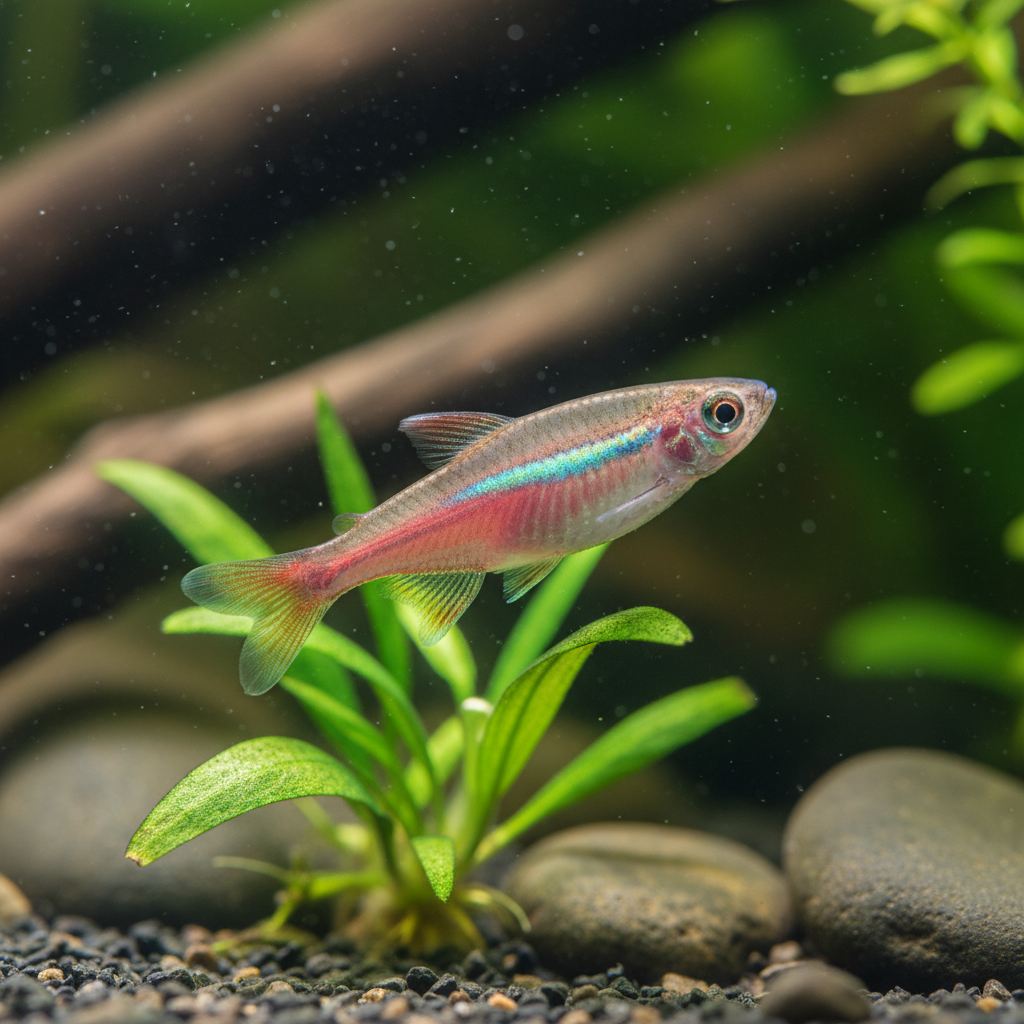
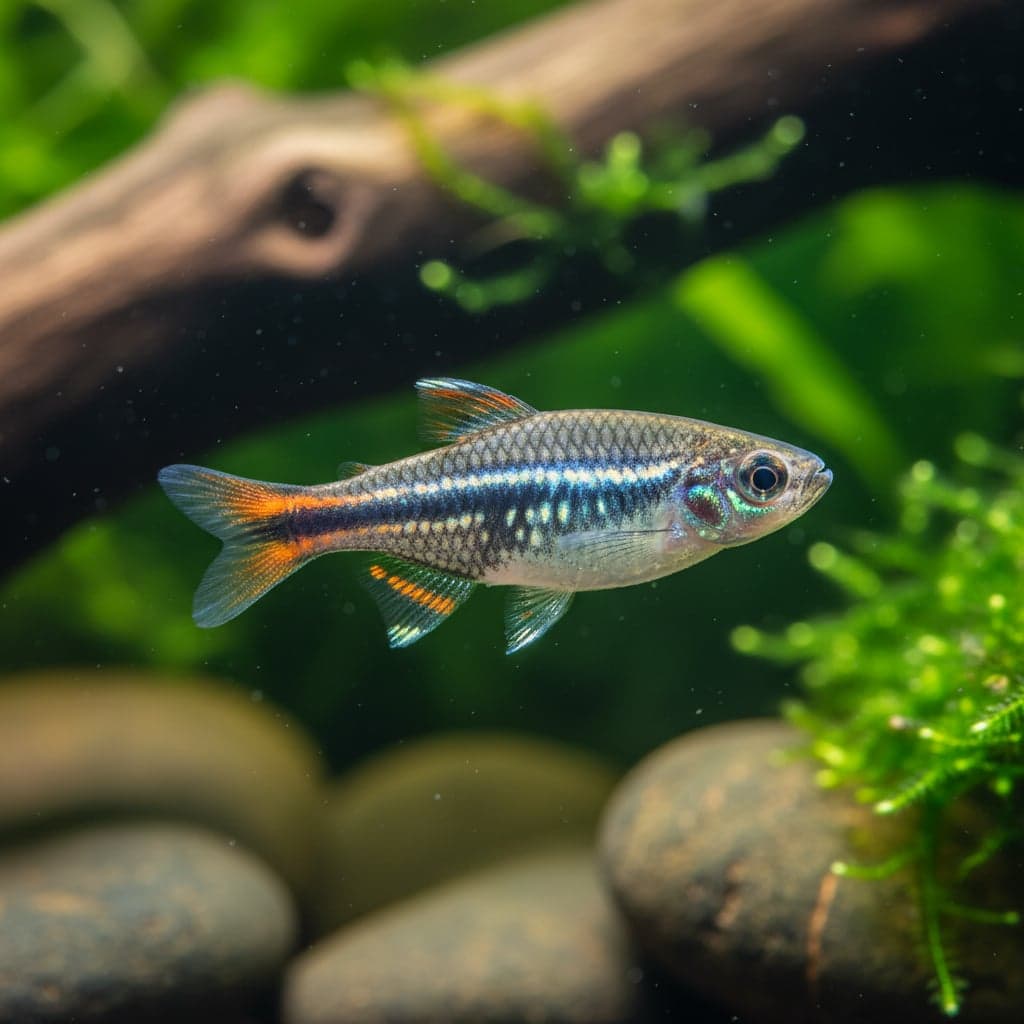
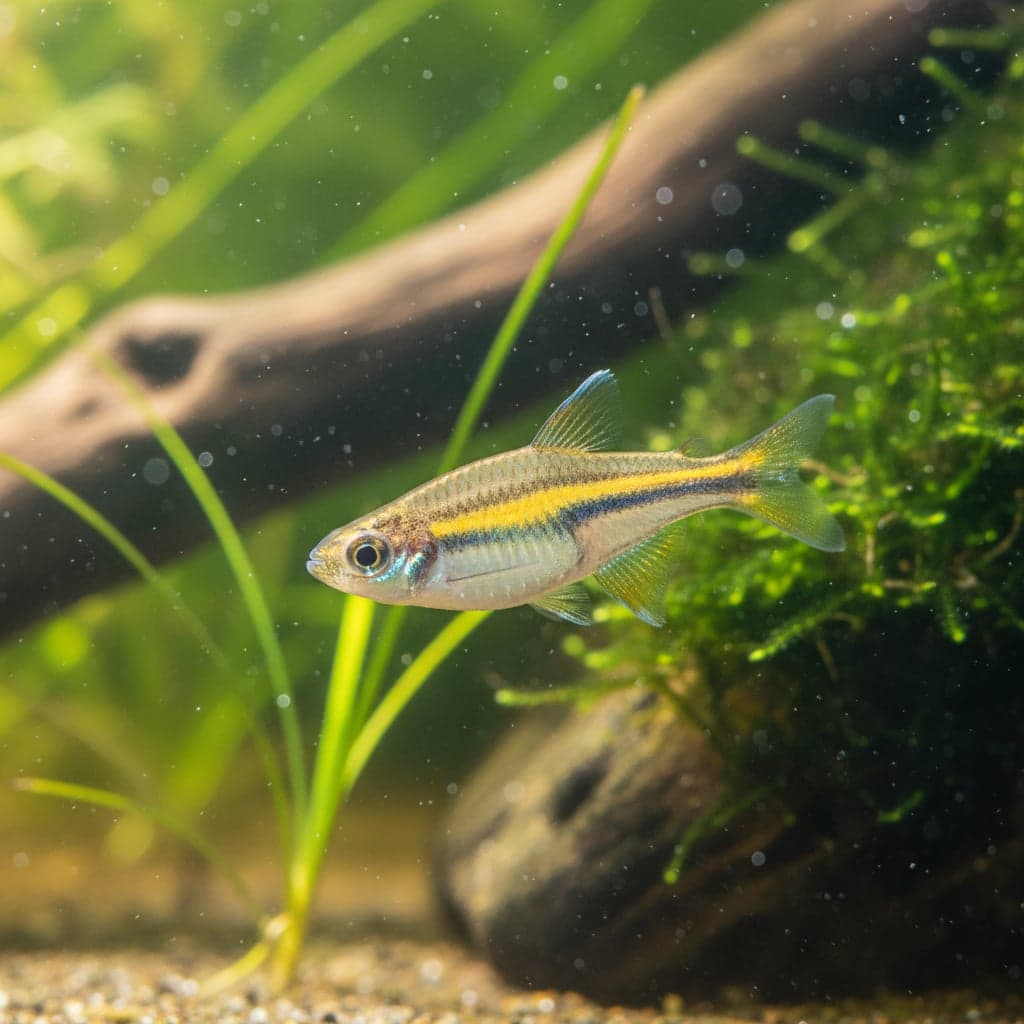
A brilliantly understated, hyper-active schooling cyprinid featuring a glowing, translucent pink-purple iridescent body.

Rose Danio
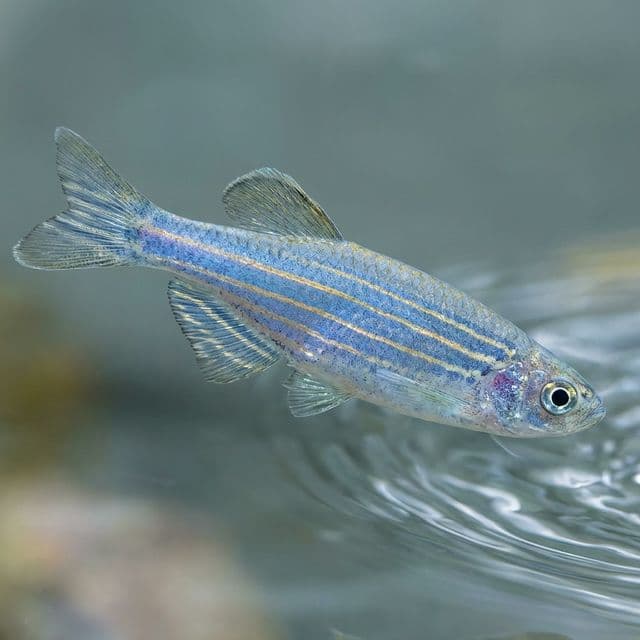
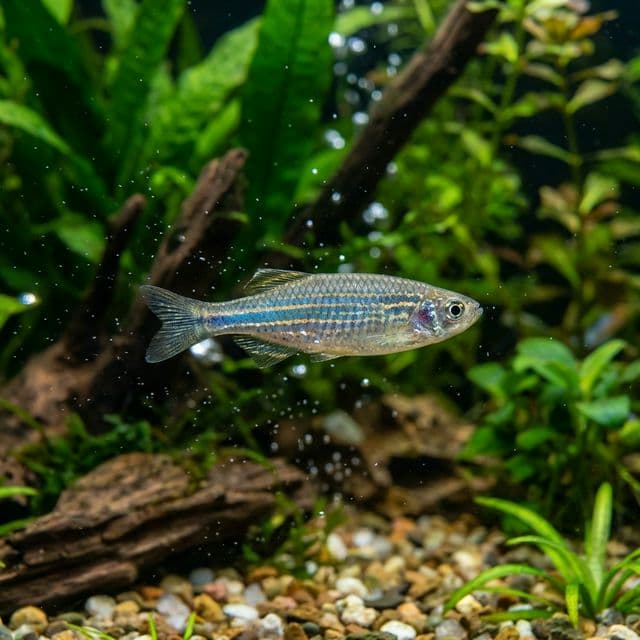
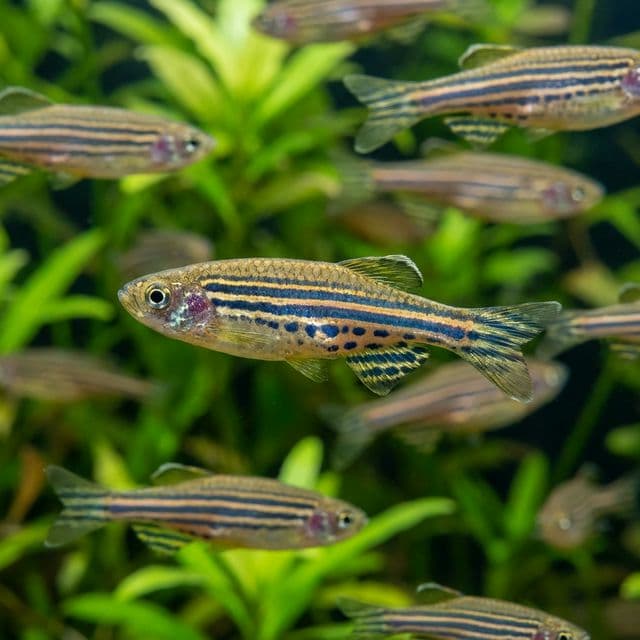
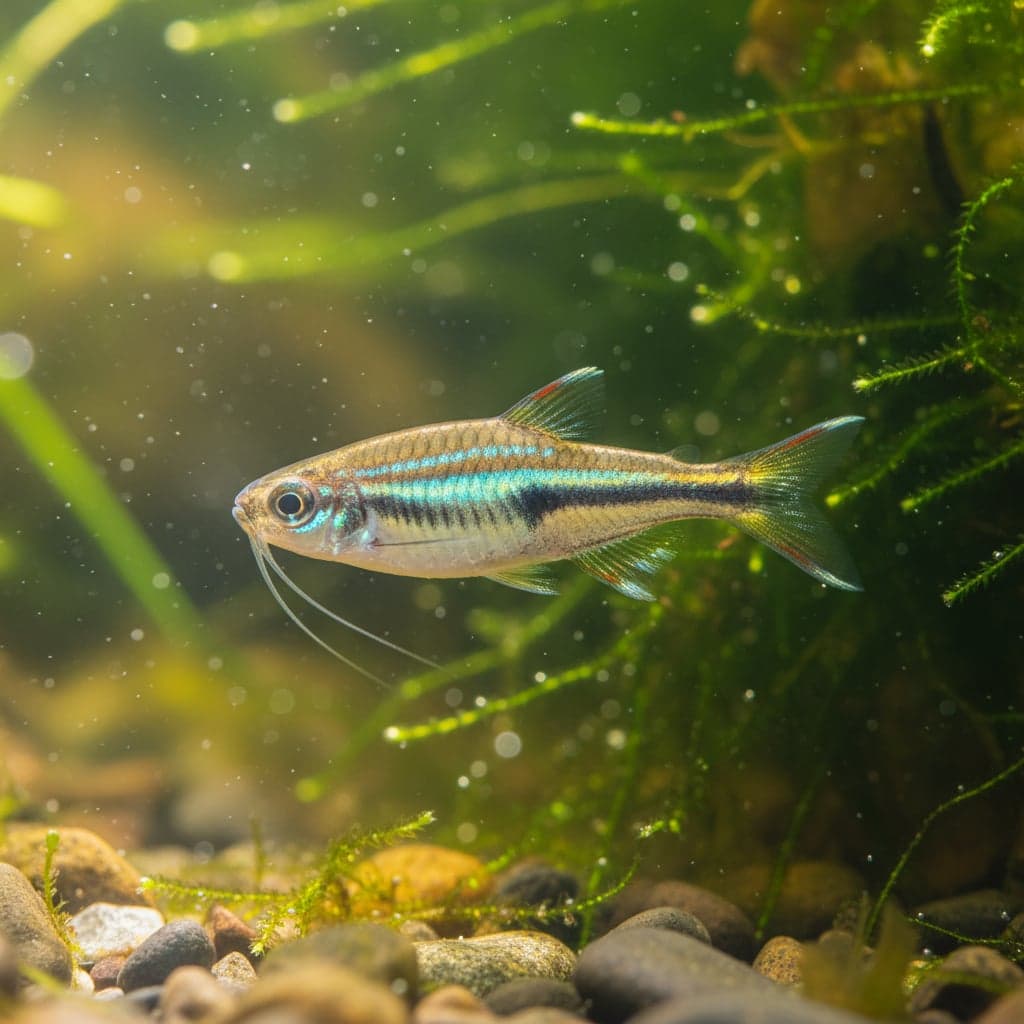
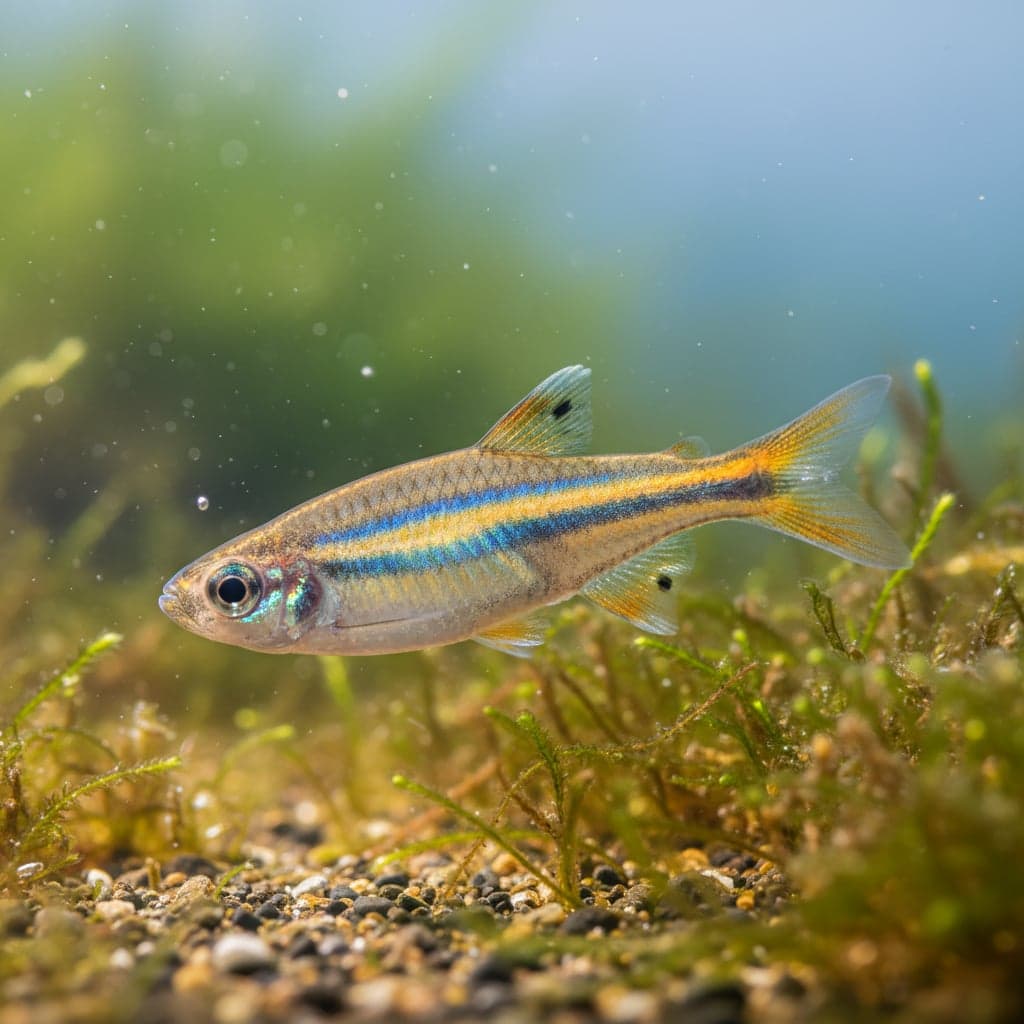
The Rose Danio, scientifically known as Danio roseus, is a stunning freshwater fish that has gained immense popularity among aquarists worldwide. This small, vibrant fish exhibits a captivating charm with its striking coloration, which typically features a radiant pink or rose hue accentuated by delicate horizontal stripes. The contrast between its vivid body color and the soft golden or reflective scales makes it a visual delight in any aquarium setting. As a member of the Danio family, the Rose Danio possesses great significance in the aquarium hobby due to its hardy nature, adaptability, and peaceful demeanor, making it an excellent choice for both novice and experienced aquarium enthusiasts.
In addition to its aesthetic allure, the Rose Danio plays a crucial role in educational and scientific settings. Its resilience and ease of care have turned it into a favorite species for breeding projects and research on fish behavior and genetics. Moreover, its vibrant appearance can inspire new aquarists while embodying the joy of keeping fish in well-maintained environments. With its relatively short length of up to 2.5 inches, the Rose Danio is ideal for community tanks, where it adds a splash of color and movement, thereby enriching the overall aquascape.
Natural Habitat & Origin
The Rose Danio is native to the freshwater streams and rivers of Southeast Asia, particularly in the regions of Bangladesh and India. In its natural habitat, this species thrives in clear, flowing waters that are rich in vegetation and detritus. The water in these environments usually falls within a neutral pH range and has moderate hardness, providing a balanced ecosystem for various aquatic flora and fauna. The presence of plant life, including grasses and submerged roots, is essential for the Rose Danio, offering both shelter and breeding grounds. Additionally, their natural surroundings often contain varying currents, which contribute to their active swimming style and social dynamics.
Understanding the environmental context in which the Rose Danio is found is vital for replicating its needs in aquaria. Ideally, an aquarium setup that mimics its natural habitat will lead to a healthier and more vibrant fish. This includes a well-maintained environment that features soft, filtered water to simulate the stream-like conditions of their natural ecosystem.
Care Requirements
To provide optimal care for the Rose Danio, it is essential to maintain specific water parameters suitable for this species. The preferred temperature range is between 70°F to 78°F (21°C to 26°C), with a pH level around 6.5 to 7.5. The hardness of the water should ideally be between 5 to 20 dGH, allowing for comfortable living conditions. A well-maintained aquarium with a minimum size of 20 gallons is recommended, as it accommodates the swimming habits of this lively fish and allows for a stable community.
When considering the tank setup, a sandy or fine gravel substrate works best to replicate their natural environment. Incorporating plenty of plants, such as Java moss, hornwort, or water sprite, can enhance hiding spots while aiding in maintaining water quality. Additionally, utilizing moderate lighting will support plant growth and create an inviting atmosphere. The Rose Danio thrives in environments where it can swim freely, so providing open swimming space is crucial for their happiness and health.
Diet & Feeding
The Rose Danio is an omnivore, and it thrives on a varied diet that can include high-quality flakes, pellets, and live or frozen foods. A balanced diet is essential for the overall health and vibrancy of this species, so offering a mix of protein-rich live foods such as brine shrimp or daphnia, along with vegetable-based foods, will foster optimal growth and coloration. Feeding should occur two to three times per day, ensuring that the portions provided can be consumed within a few minutes to maintain water quality.
In addition to flakes and pellets, occasionally providing finely chopped vegetables, such as spinach or zucchini, can also enrich their diet. This dietary diversity not only supports physical health but also promotes social interaction and activity among the fish, ensuring a lively community tank atmosphere.
Behavior & Temperament
Rose Danios are social fish, and they exhibit a peaceful demeanor that makes them suitable for community tanks. They prefer to be kept in groups of at least six individuals, as this schooling behavior helps reduce stress and encourages their natural tendencies to interact and display vibrant colors. These fish are also known for their playful and active swimming patterns, typically occupying various vertical zones in the tank as they dart between the plants and open water.
Due to their non-aggressive nature, Rose Danios coexist harmoniously with a variety of tank mates. However, it is essential to monitor their interactions, especially if housed with more territorial or aggressive species. Overall, their sociable behavior and schooling instincts make the Rose Danio a delightful addition to a community tank environment.
Tank Mates
When considering tank mates for the Rose Danio, it is crucial to select species that share similar water requirements and are compatible in temperament. Ideal companions include peaceful species like Neon Tetras, Guppies, Corydoras Catfish, and other small danio species. These combinations help maintain a balanced community where all fish can thrive and interact positively.
On the other hand, it is essential to avoid housing Rose Danios with more aggressive or territorial fish, including Cichlids, Betta fish, or larger species like Barbs. These fish could instigate aggression and stress within the tank, leading to an unhealthy environment for the more timid Rose Danios. Balancing compatibility and ensuring appropriate tank dynamics is essential for maintaining a peaceful and vibrant aquarium setting.
Breeding
Breeding Rose Danios in captivity can be relatively straightforward if the right conditions are provided. These fish are egg scatterers, which means that they do not exhibit parental care after spawning. To encourage breeding, a separate breeding tank with low light, fine-leaved plants, or spawning mops can be set up. The ideal water parameters for spawning should be slightly acidic, with a temperature around 75°F (24°C).
During the breeding process, males will display vibrant colors and engage in chasing behaviors, aiming to attract females. After successful spawning, the adults should be removed from the tank to prevent them from eating the eggs. The eggs typically hatch within 24-48 hours, and the fry can be fed with micro-worms or powdered fry food once they become free-swimming. This breeding process not only stimulates natural behaviors but also provides an excellent opportunity for aquarists to cultivate healthy stock.
Common Health Issues
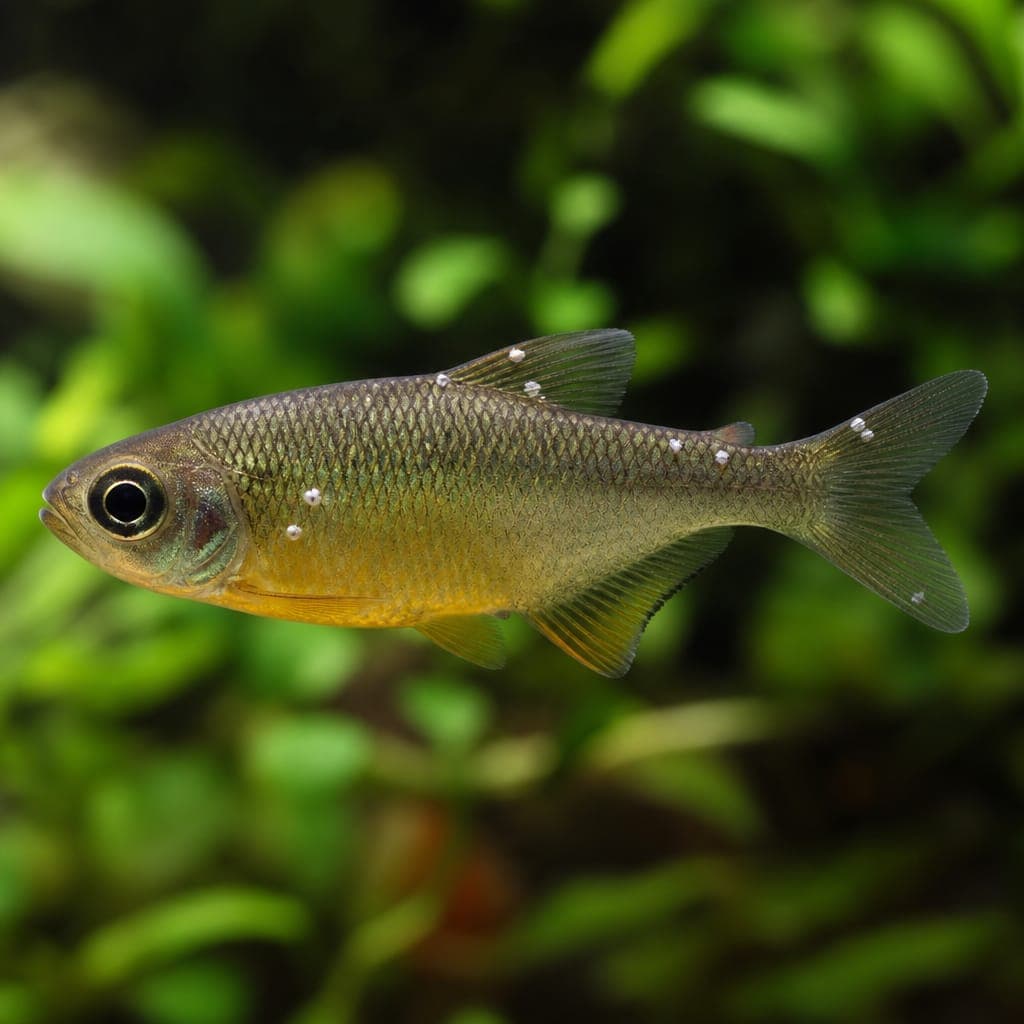
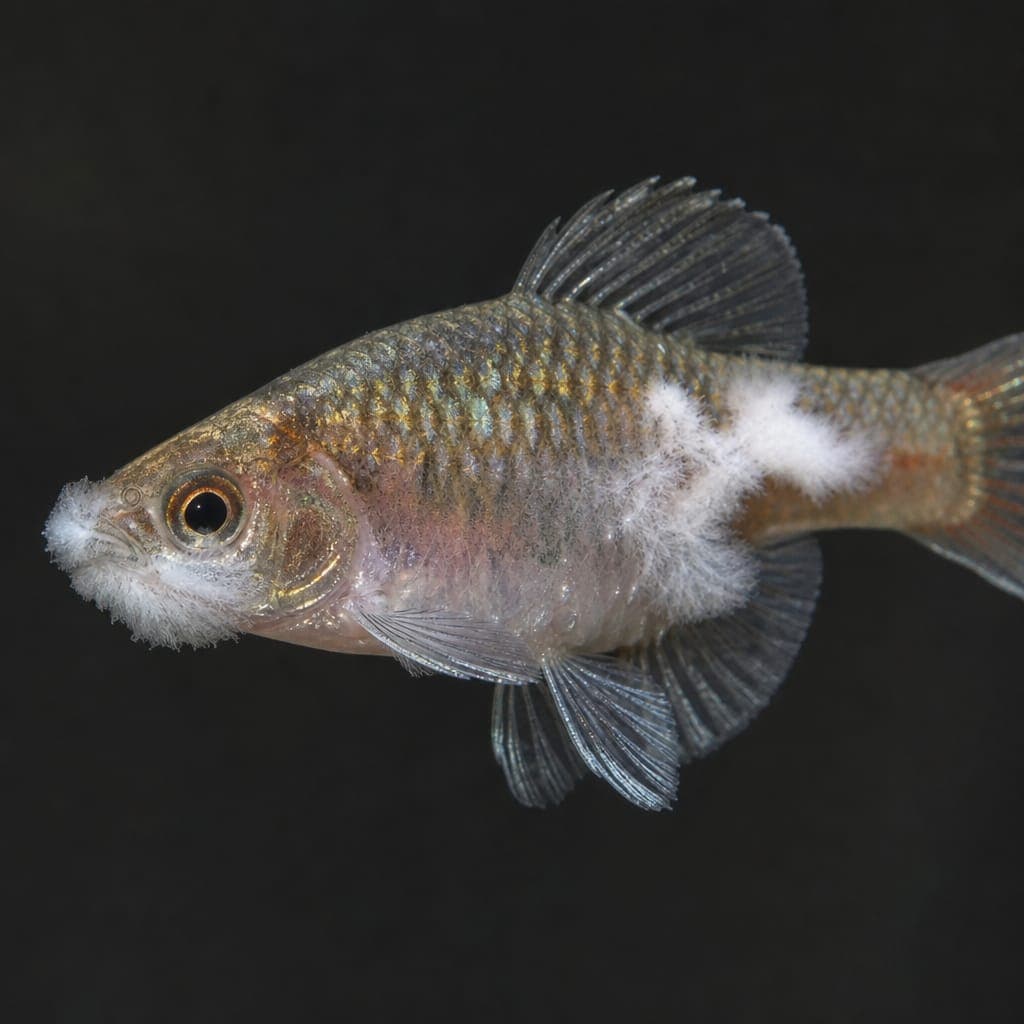
Although generally hardy, Rose Danios can be susceptible to certain health issues, particularly if maintained in suboptimal conditions. Common problems include Ich (white spot disease), fin rot, and various fungal infections. To prevent these ailments, it is vital to maintain a clean tank environment with stable water parameters and proper dietary practices.
Routine tank maintenance, such as regular water changes and observing fish behavior, plays a critical role in disease prevention. Should any signs of illness emerge, such as abnormal swimming or changes in coloration, swift action should be taken to diagnose and treat the problem. Ensuring a stress-free environment and prompt attention to potential health issues will significantly reduce the risk of illness in your Rose Danio.