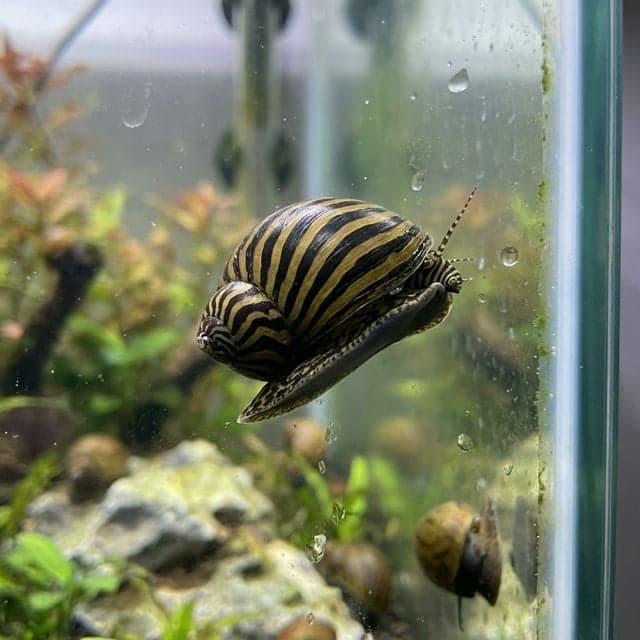
Ruby Onion Snail: Neritina turrita
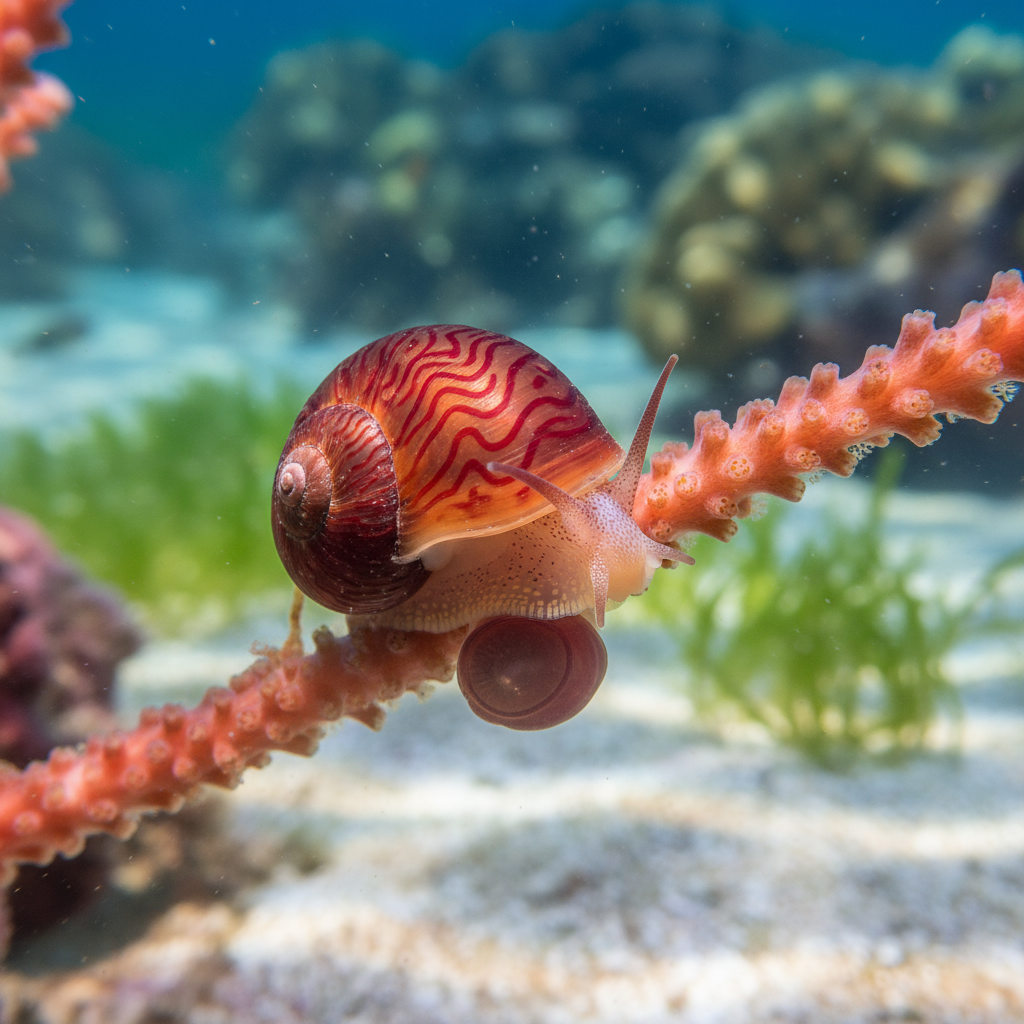
An exceptionally beautiful, totally harmless algae-eating snail featuring a vivid red-orange shell patterned with tiny black dots.
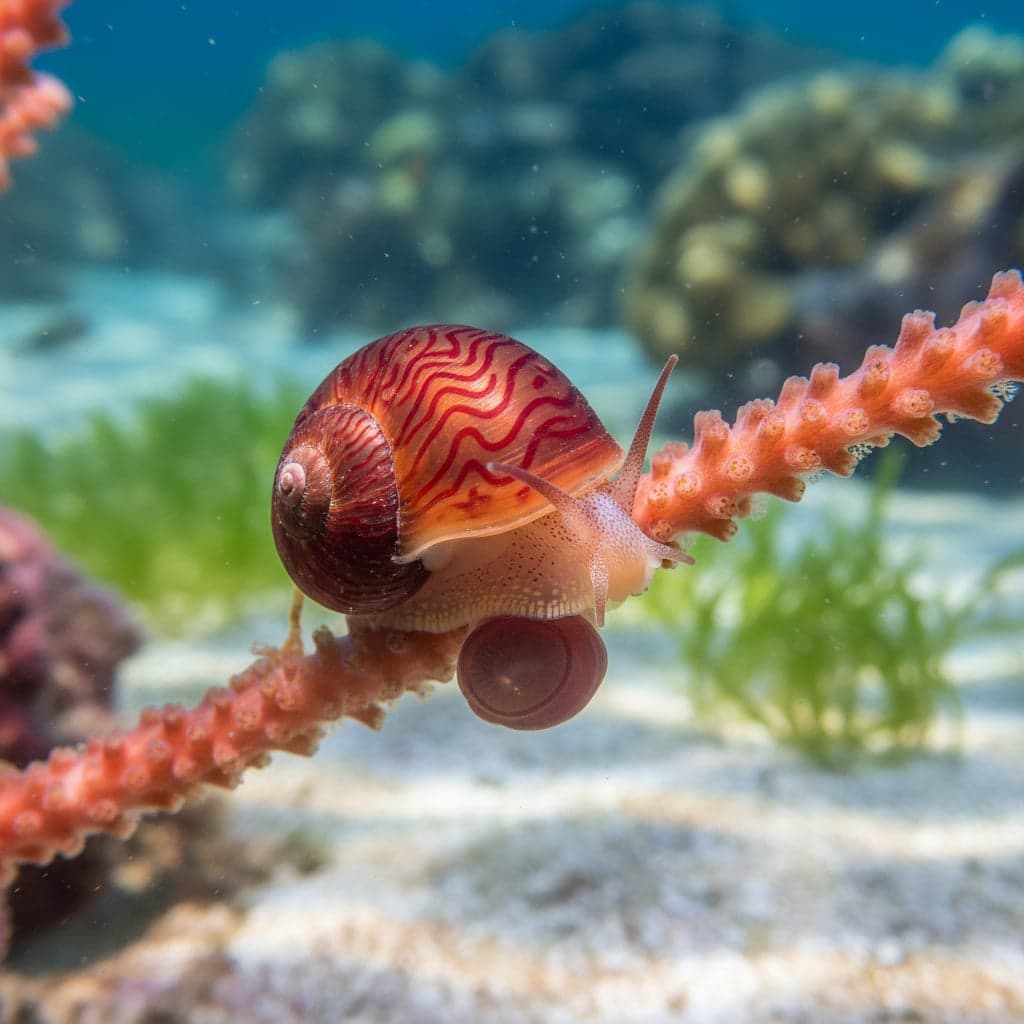
Ruby Onion Snail
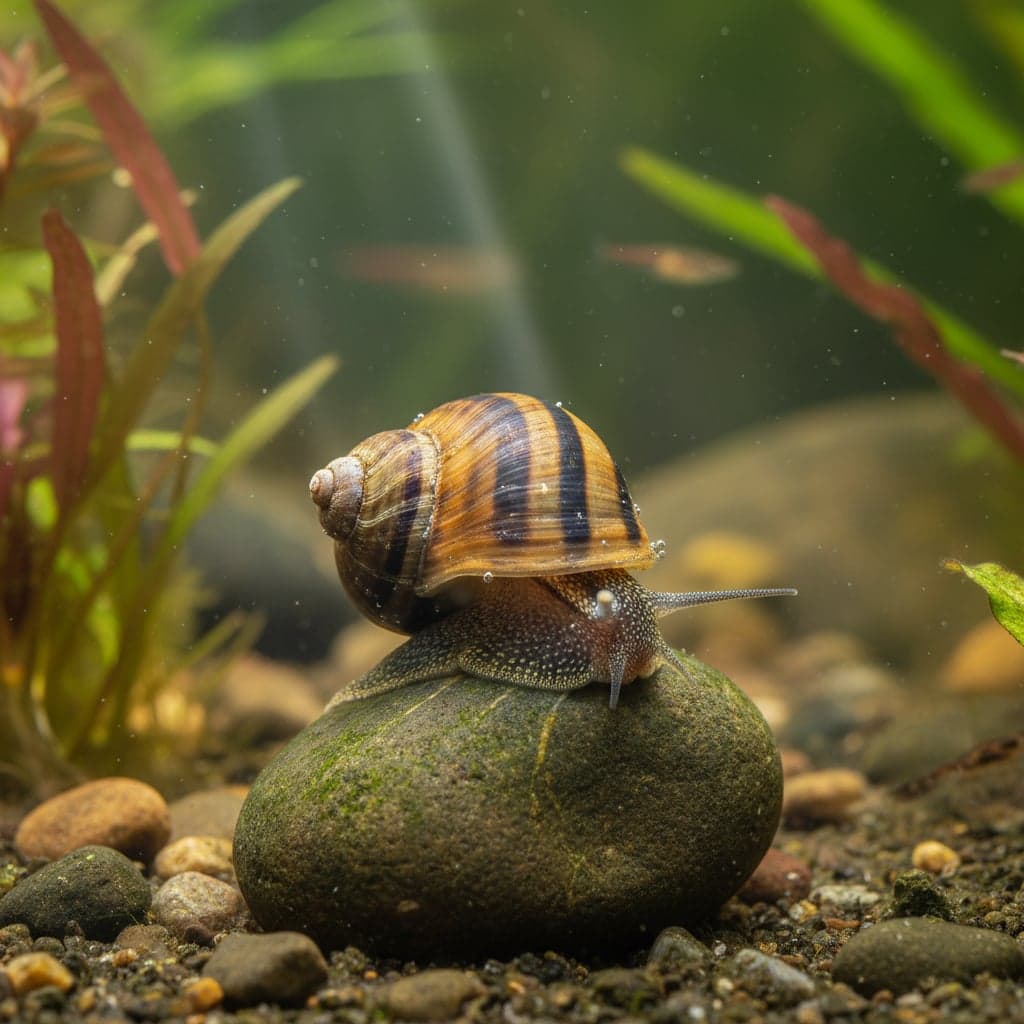
The Ruby Onion Snail, scientifically known as Neritina turrita, is a captivating freshwater snail that has gained popularity among aquarists for its striking colors and unique shell shape. This species features a turreted, spiral shell that showcases a deep ruby-red hue, often adorned with intricate patterns of lighter colors, making it a visually striking addition to any aquarium. Besides its aesthetic appeal, the Ruby Onion Snail is notable for its ability to contribute to the health of the aquatic environment by acting as a natural algae eater. Its presence can help keep tank surfaces and decorations clean, thus promoting a well-maintained ecosystem.
In the aquarium hobby, the Ruby Onion Snail serves not only as a fascinating visual element but also as an essential part of the biological filtration system. Their feeding habits improve water quality by consuming organic debris and algae, which can otherwise lead to water pollution and plant overgrowth. More than just an ornamental creature, this snail is a hardy and resilient species that can adapt to a range of conditions, making it a favored choice among both novice and experienced aquarists alike.
Natural Habitat & Origin
The Ruby Onion Snail is native to the rivers and streams of Central America, with a particular concentration in countries such as Honduras and Nicaragua. These freshwater mollusks thrive in various habitats, typically found in regions with slow-moving waters. The natural environment where these snails reside is often characterized by soft, acidic conditions associated with blackwater habitats, where decomposed plant material leads to a dark tint in the water. They prefer environments with plenty of vegetation and submerged surfaces, which provide the necessary algae and detritus upon which they feed.
Their ecological significance in these natural settings cannot be overstated. These snails play a essential role in maintaining the balance of their ecosystems by controlling algae levels and contributing to the breakdown of organic matter. By mimicking these conditions within a home aquarium, aquarists can recreate a suitable environment that promotes the health and well-being of Ruby Onion Snails.
Care Requirements
To ensure a thriving Ruby Onion Snail population, specific water parameters should be closely monitored. An ideal range for pH is between 6.5 and 7.5, with a temperature preference of approximately 72°F to 78°F (22°C to 26°C). This species thrives in moderately soft to hard water, ideally at hardness levels around 4 to 12 dGH.
When setting up their tank, it's recommended that aquarists provide at least a 10-gallon aquarium to offer enough space for movement and foraging. A sandy substrate is ideal as it mimics their natural habitat and allows for ease of burrowing. Incorporating a variety of aquatic plants, such as Java moss or Anubias, will not only enhance the aesthetic appeal but will also provide ample grazing opportunities for the Ruby Onion Snail. Moderate lighting is preferred, as it encourages plant growth while helping to control algae blooms that the snails will consume.
Diet & Feeding
The Ruby Onion Snail is primarily herbivorous, feeding on algae and decaying plant matter in its natural environment. In captivity, it is essential to provide a varied diet that mimics its natural feeding habits. Quality algae wafers, spirulina flakes, and blanched vegetables like zucchini or spinach are excellent food choices. Additionally, offering occasional protein-rich supplements, such as finely crushed fish food or occasional frozen foods like bloodworms, will ensure a balanced diet.
Feeding these snails 2-3 times a week, varying their diet can promote optimal health and growth. Pay attention to the amount of food provided, as overfeeding can lead to water quality issues. By maintaining a clean environment and a balanced diet, aquarists can expect their Ruby Onion Snails to thrive and contribute positively to the tank’s ecosystem.
Behavior & Temperament
The Ruby Onion Snail is generally peaceful and a non-aggressive species, making it suitable for community tanks. Known for their calm demeanor, these snails often keep to themselves while exploring tank decor and plants. They are not schooling creatures but can often be seen grazing together in small groups. While they occupy the substrate and lower areas of the aquarium, they may also venture to surfaces of the tank, including glass and decorations, which provides a mesmerizing view of their sweeping movements.
It is important to note that Ruby Onion Snails are not territorial. They are known to coexist harmoniously with a variety of other species. However, it is crucial to monitor for potential disturbances, especially from more aggressive tank mates that may harass or harm the snails.
Tank Mates
Compatible tank mates for Ruby Onion Snails include other peaceful freshwater species. Ideal tank mates include:
- Neon Tetra
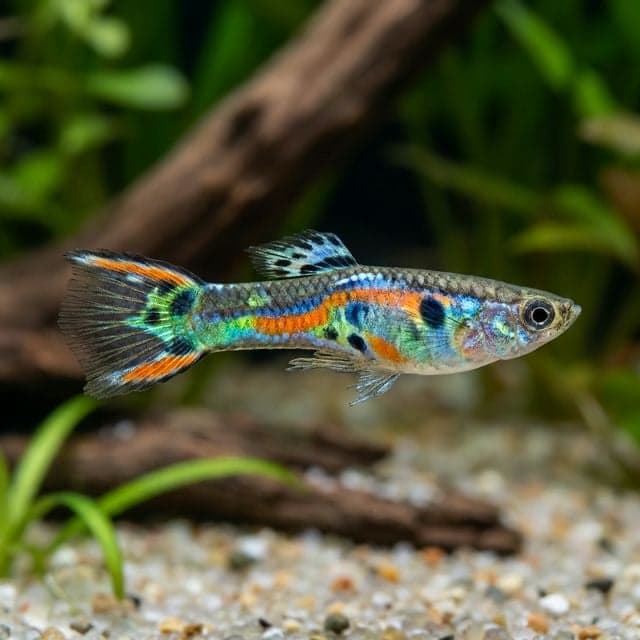
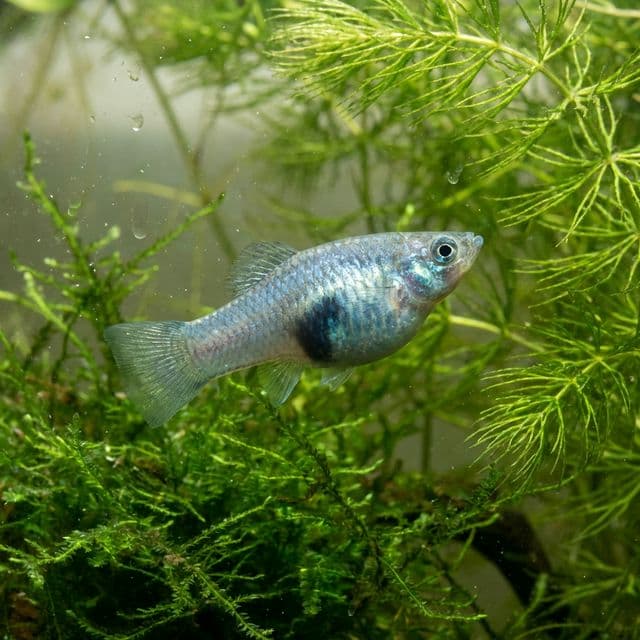
- Guppies
- Corydoras Catfish
- Cherry Barbs
- Otocinclus
Species that should be avoided include aggressive fish or those that may see the snails as food. Notable examples include:
- Cichlids (especially larger species)
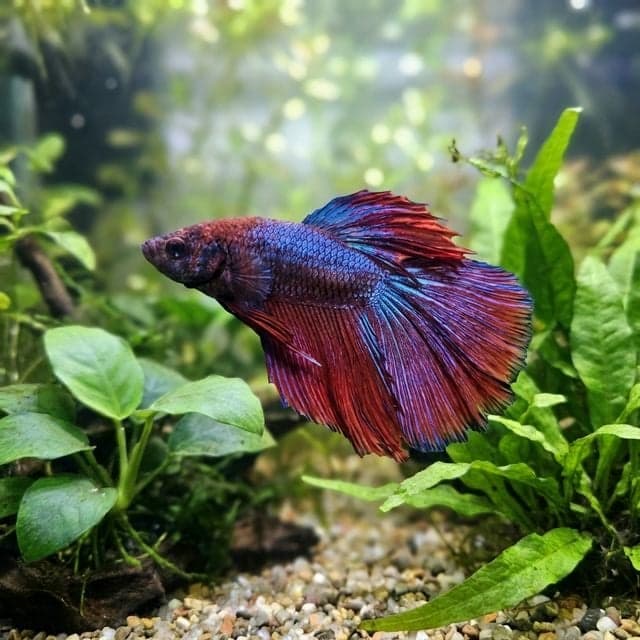
- Betta fish
- Large barbs (e.g., Tiger Barbs)
- Any larger predatory species
Always ensure to observe new additions to the tank for any signs of aggression or stress on either side, as environmental compatibility is key to maintaining a peaceful aquarium.
Breeding
Breeding Ruby Onion Snails in captivity can be a challenging task, as they require specific environmental conditions for successful spawning. Though they are dioecious, meaning they have distinct male and female individuals, their breeding habits are not easily replicated in aquariums. To encourage breeding, ensure that the water parameters are stable, particularly in terms of hardness and pH, as slightly harder water can favor reproductive success.
When ready to breed, males will chase females, leading to the deposition of eggs, typically on hard surfaces or aquarium decorations. The eggs are pale, gelatinous, and can be observed clustering in small groups. It is advisable to remove the eggs to a separate breeding tank once laid, as they can be vulnerable to being eaten by other tank inhabitants. After a few weeks, the eggs will hatch into juvenile snails, which will require care and attention to ensure they receive appropriate food and conditions to grow into healthy adults.
Common Health Issues
While Ruby Onion Snails are generally hardy, they can still be susceptible to certain health issues. Common ailments include shell erosion, which may arise from poor water conditions or inadequate calcium intake. It is essential to monitor the condition of their shells and maintain adequate calcium levels in the water (adding crushed coral can help).
Another health concern includes algae blooms that can lead to hypoxia if allowed to proliferate uncontrollably, impacting both the snails and their tank mates. Maintaining a balanced ecosystem through regular water changes and proper filtration can help prevent these issues. If the snails exhibit signs of stress, such as retracting into their shells, this is often indicative of suboptimal water conditions or stress from aggressive tank mates. Regular water tests and monitoring will preempt these challenges, promoting a productive and healthy environment for Ruby Onion Snails.