Saddleback Butterflyfish
A 23cm butterflyfish that eats coral polyps and anemones in the wild. Not reef safe, and it needs 700L+ as an adult.
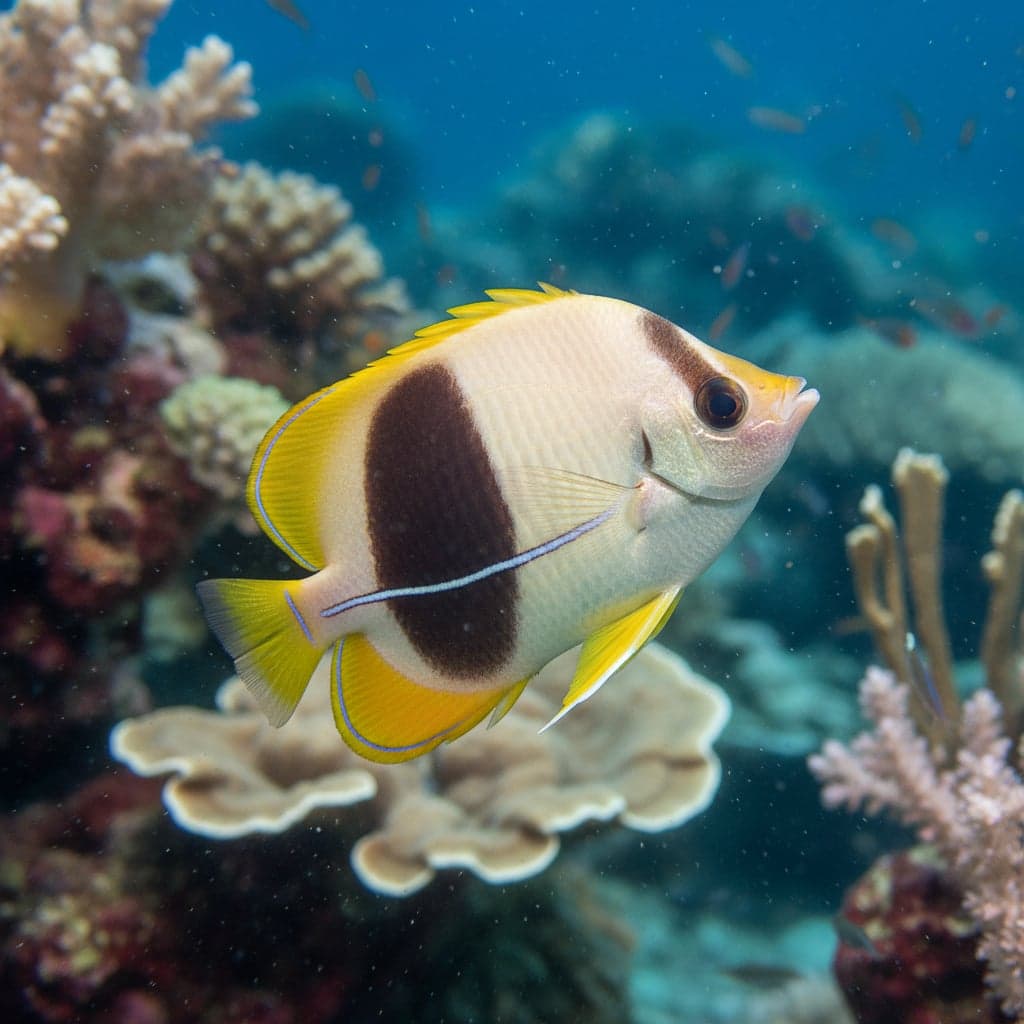
Saddleback Butterflyfish
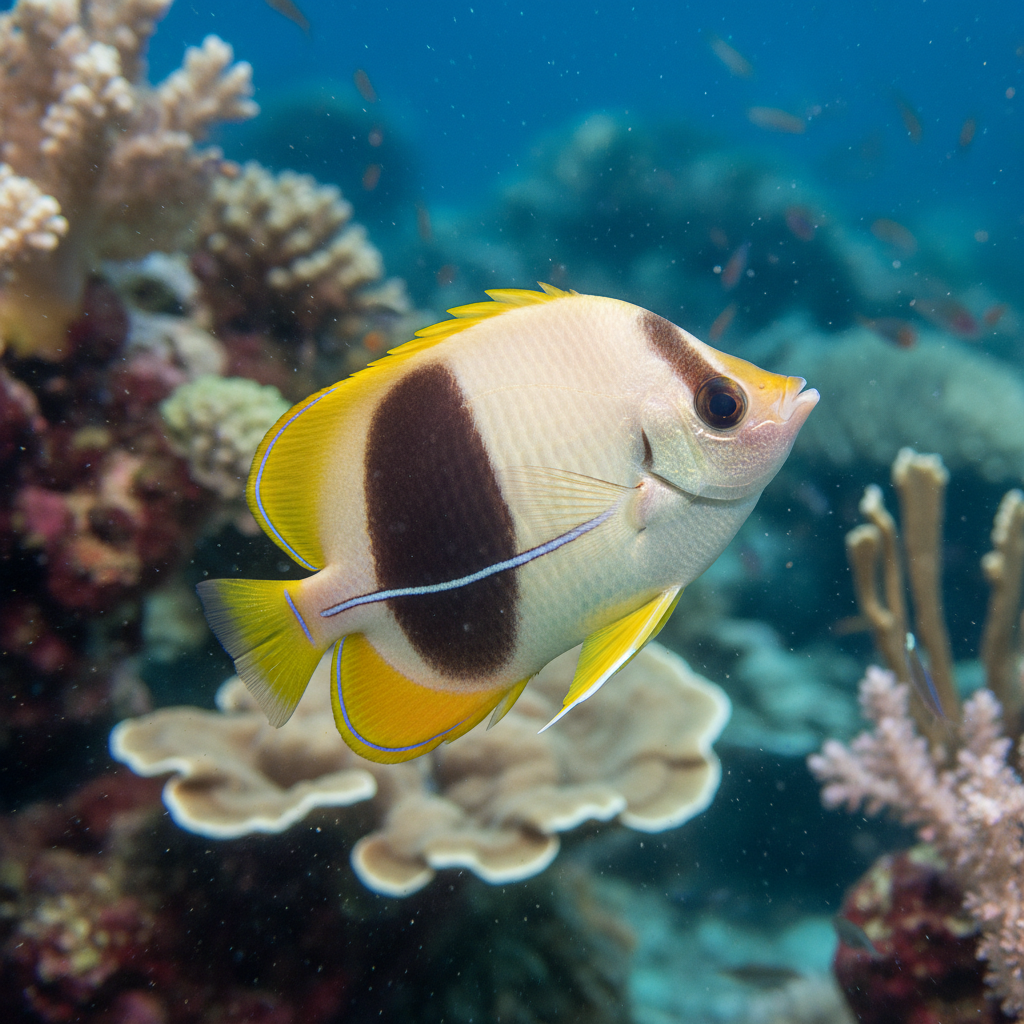
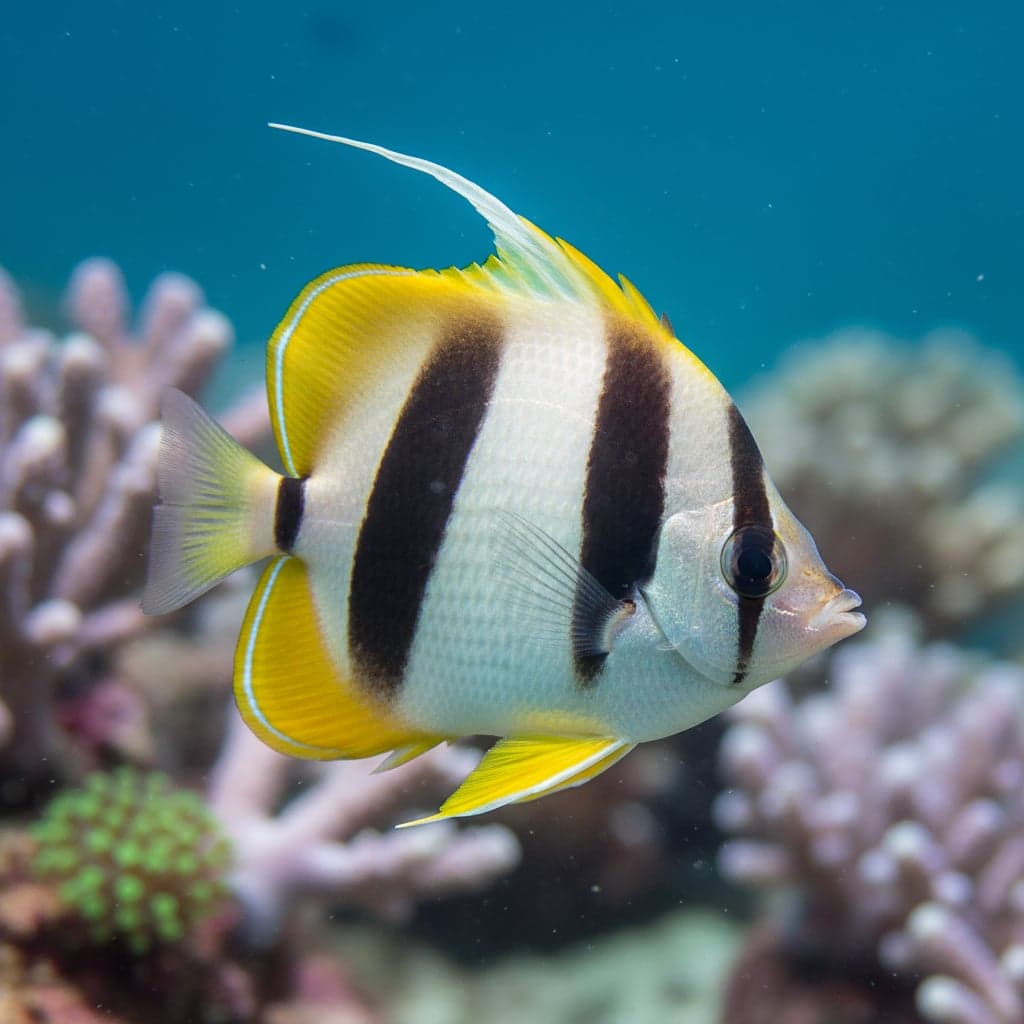
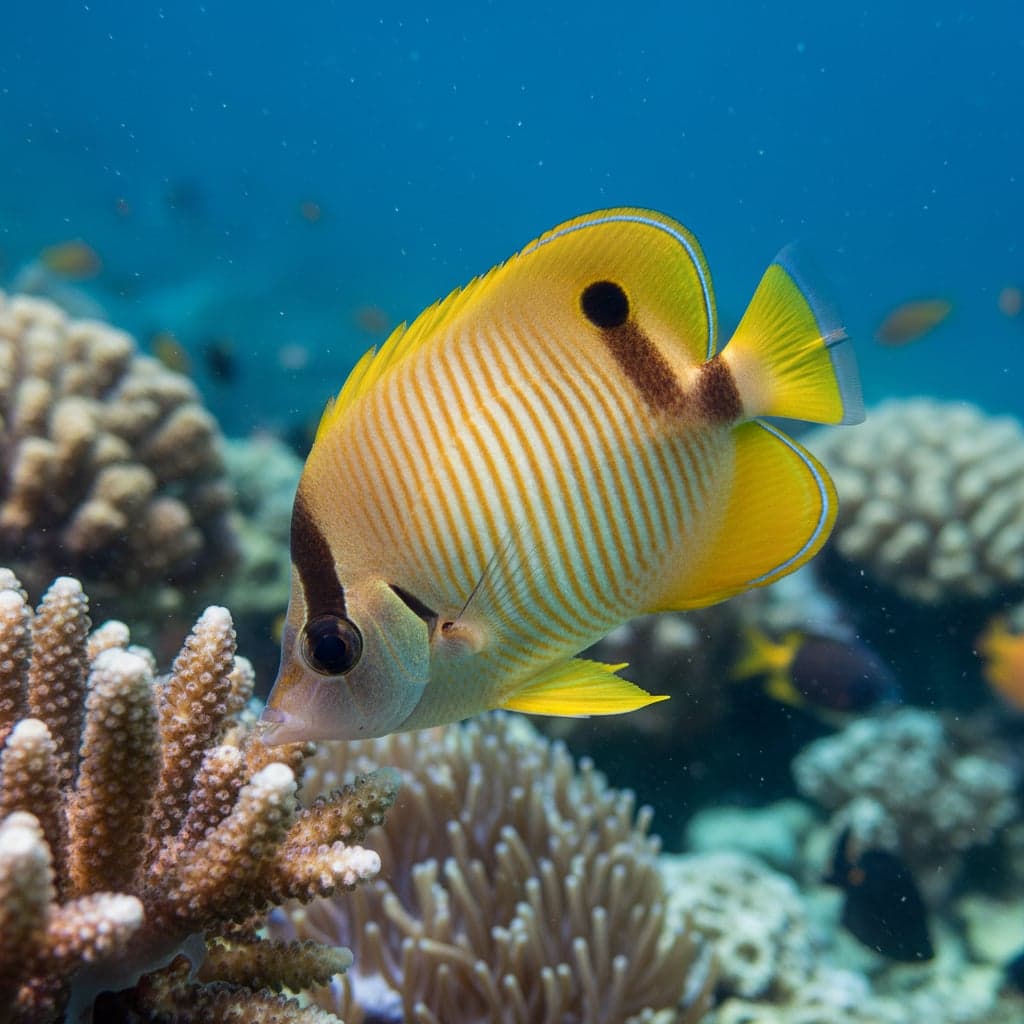
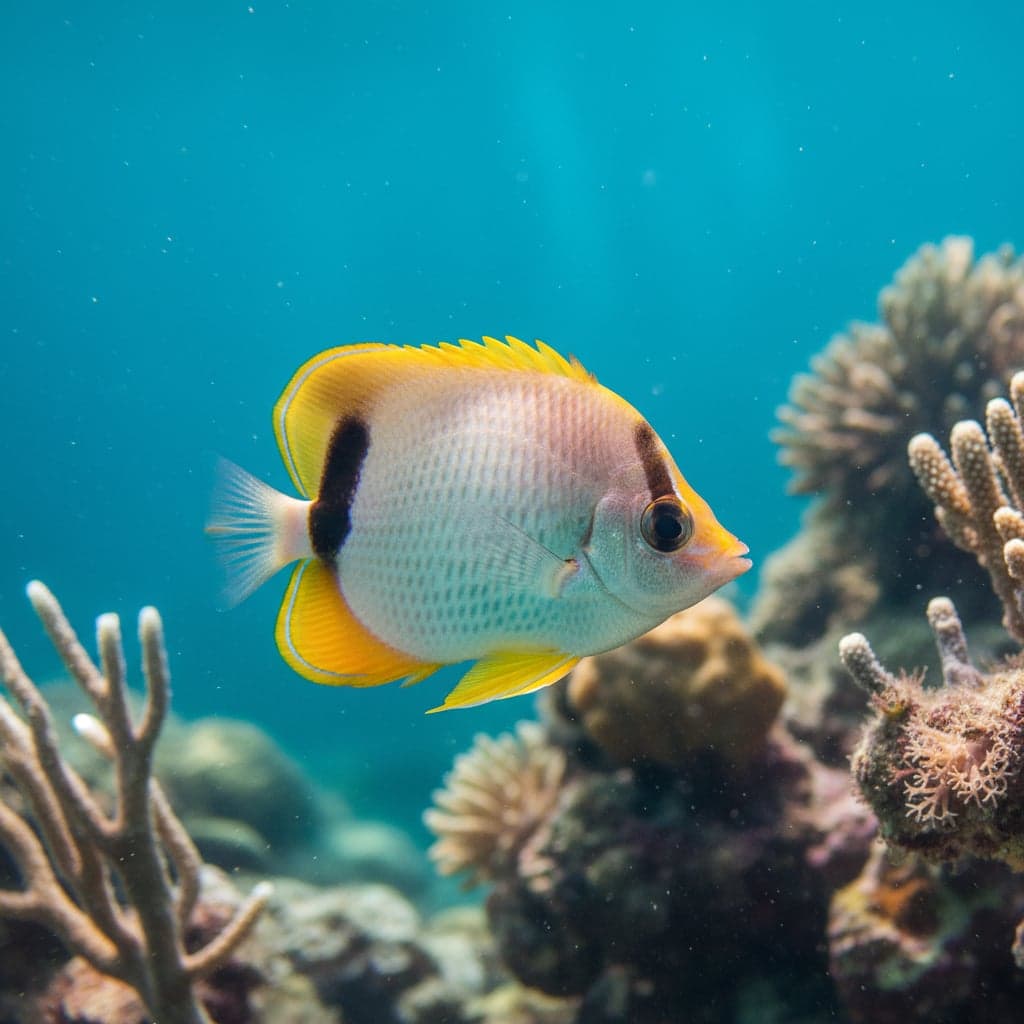
The Saddleback Butterflyfish, scientifically known as Chaetodon ephippium, is a visually stunning marine species that captivates both novice and seasoned aquarists alike. This fish is easily recognizable due to its distinctive appearance, featuring vibrant yellow and black coloration with a pronounced saddle-like mark that descends diagonally across its body. Its extraordinary beauty, coupled with its graceful swimming movements, makes it a coveted species for reef aquariums. The Saddleback Butterflyfish plays a vital role in the aquarium hobby, not only for its aesthetic appeal but also as a symbol of the diverse marine ecosystems from which it originates.
In the aquarium setting, the Saddleback Butterflyfish is often appreciated for its curious behavior and dynamic presence within the tank. As an all-around captivating species, it is a fantastic addition to well-maintained marine environments. However, interested aquarists should be aware of its specific care requirements and social dynamics to ensure a thriving habitat for this exquisite fish.
Natural Habitat & Origin
The Saddleback Butterflyfish is commonly found in the warm, shallow waters of the Indo-Pacific region, particularly around coral reef systems in areas including the Red Sea, the Marshall Islands, and Micronesia. These vibrant reefs provide a crucial ecosystem for the species, as they thrive among the varied topography and dense coral formations. The Saddleback Butterflyfish inhabits clear water, typically preferring depths of around 10 to 30 meters, where it can find ample food sources and shelter from predators.
This species is highly dependent on the health of coral reefs for its survival. As a coral feeder, it plays an important role in maintaining the ecological balance within its environment. The decline of coral reefs due to climate change and human activity poses a significant threat to the natural population of the Saddleback Butterflyfish, emphasizing the need for conservation efforts to protect these fragile habitats.
Care Requirements
To provide optimal care for the Saddleback Butterflyfish in a home aquarium, specific water parameters should be maintained. Ideally, the pH levels should range between 8.1 and 8.4, while the temperature should be kept between 75-82°F (24-28°C). The water hardness should be around 8-12 dKH. Furthermore, Saddleback Butterflyfish require a minimum tank size of 700 litres (185 gallons) for this 23cm Chaetodon ephippium — adults need ample swimming space and territory.
In terms of tank setup, providing a sandy substrate along with plenty of live rock will create an environment that mimics its natural habitat. Including coral structures can also enhance their sense of security. Moderate to high lighting is recommended for a well-lit environment, promoting the growth of beneficial algae while simulating natural lighting conditions. Additionally, incorporating some macroalgae can help emulate the natural environment and provide hiding spots for the fish.
Diet & Feeding
The Saddleback Butterflyfish is classified as a carnivore with a penchant for a varied diet that includes small invertebrates and coral polyps. In captivity, offering a balanced diet is essential for their health and coloration. High-quality flake foods, pellets specifically formulated for marine fish, frozen foods like brine shrimp and mysis shrimp, or even occasional live foods can all contribute to a nutritious feeding regimen.
To ensure the Saddleback Butterflyfish remains healthy, it is crucial to feed it multiple times a day in smaller portions, as this mimics its natural foraging behavior. An ideal combination of food types will not only enhance the vibrancy of its colors but also promote overall fish health.
Behavior & Temperament
The Saddleback Butterflyfish exhibits a relatively peaceful demeanor, making it suitable for community tanks, provided that tank mates are carefully selected. While generally non-aggressive, it can display territorial behaviors, especially during breeding or when establishing feeding areas. Being a solitary species, the Saddleback Butterflyfish prefers to inhabit the midpoint of the tank, frequently using vertical space to explore the environment.
Despite its generally calm nature, caution is advised when introducing this species to a tank, as it can be sensitive to abrupt changes and the presence of highly aggressive tank mates. Observing the behavior of the Saddleback Butterflyfish will provide insights into its comfort level and help maintain a peaceful aquarium atmosphere.
Tank Mates
Selecting appropriate tank mates for the Saddleback Butterflyfish is crucial to ensure harmony within the aquarium. Compatible species include peaceful wrasses, gobies, and other non-aggressive reef fish. Additionally, other species of butterflyfish can coexist if ample swimming space is provided, but care should be taken to avoid overcrowding.
Species to avoid include larger, more aggressive fish, such as triggers and larger angelfish, which might view the Saddleback Butterflyfish as a target. Furthermore, it is advisable to avoid housing multiple butterflyfish species together unless the tank is spacious enough to allow for territorial separation.
Breeding
Breeding the Saddleback Butterflyfish in captivity presents unique challenges due to its specific spawning needs. They are known to be pelagic spawners, releasing eggs into the water column, usually during the late afternoon or early evening. To encourage breeding behavior, a large, well-established aquarium with stable water conditions and plenty of hiding spots is essential.
Creating a breeding pair can be achieved by keeping multiple individuals together and allowing them to pair off naturally. Providing optimal nutrition, high water quality, and minimal stress will further the chances of successful breeding. While fry are relatively small and delicate, they can be raised with careful attention to their dietary needs, including specially formulated fry food and zooplankton.
Common Health Issues
Saddleback Butterflyfish are relatively robust, but they can be susceptible to certain health issues commonly affecting marine fish. Ich (ichthyophthirius multifiliis) is one of the most frequent concerns, manifesting as white spots on the skin and fins. Preventative measures include maintaining stable water conditions, proper tank cleaning, and minimizing stress factors.
Other potential health concerns include marine velvet and various bacterial infections arising from injuries or stress. Implementing preventive measures, such as quarantining new arrivals and monitoring water quality, can significantly help reduce the risk of these ailments. Regular observation of their behavior and physical condition can aid in the early detection of health issues, increasing the chances of successful treatment.