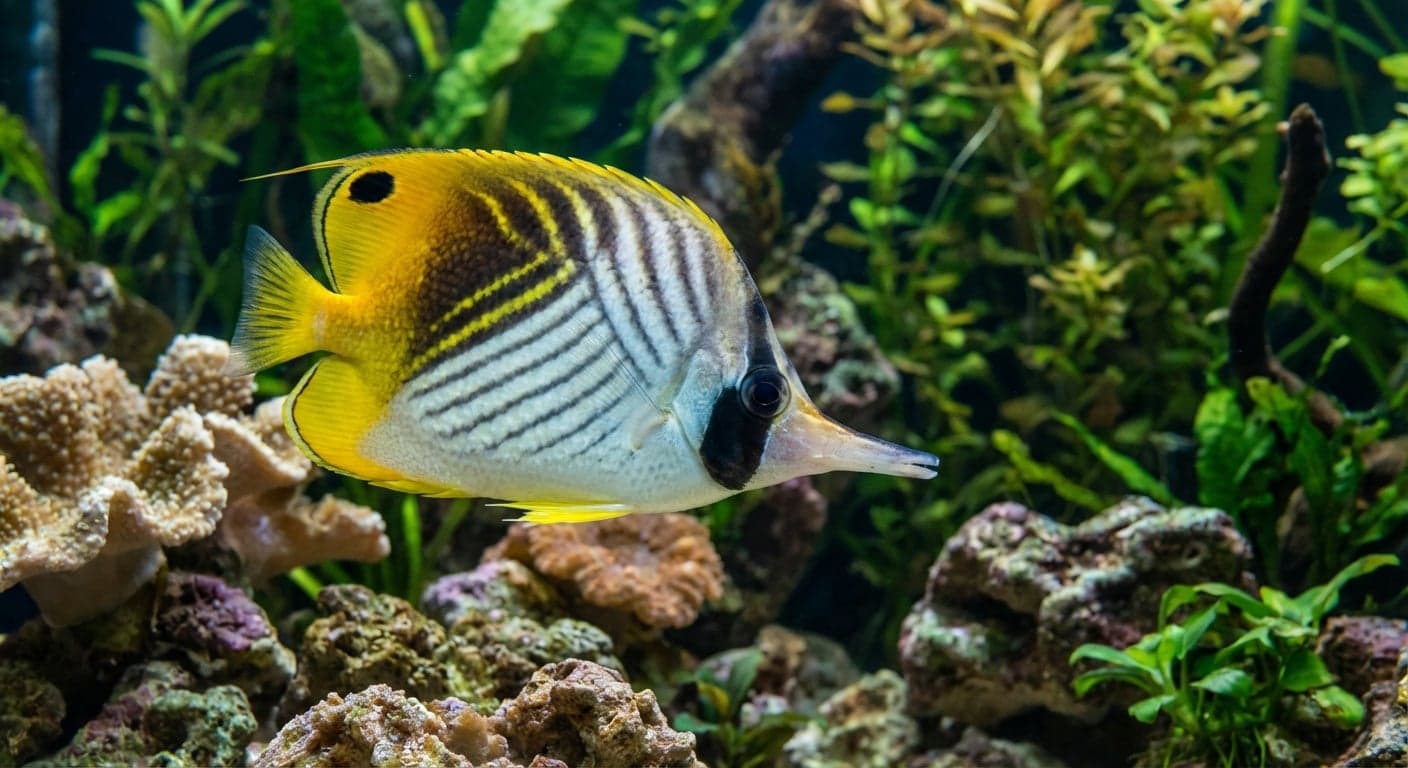
Saddleback Clownfish
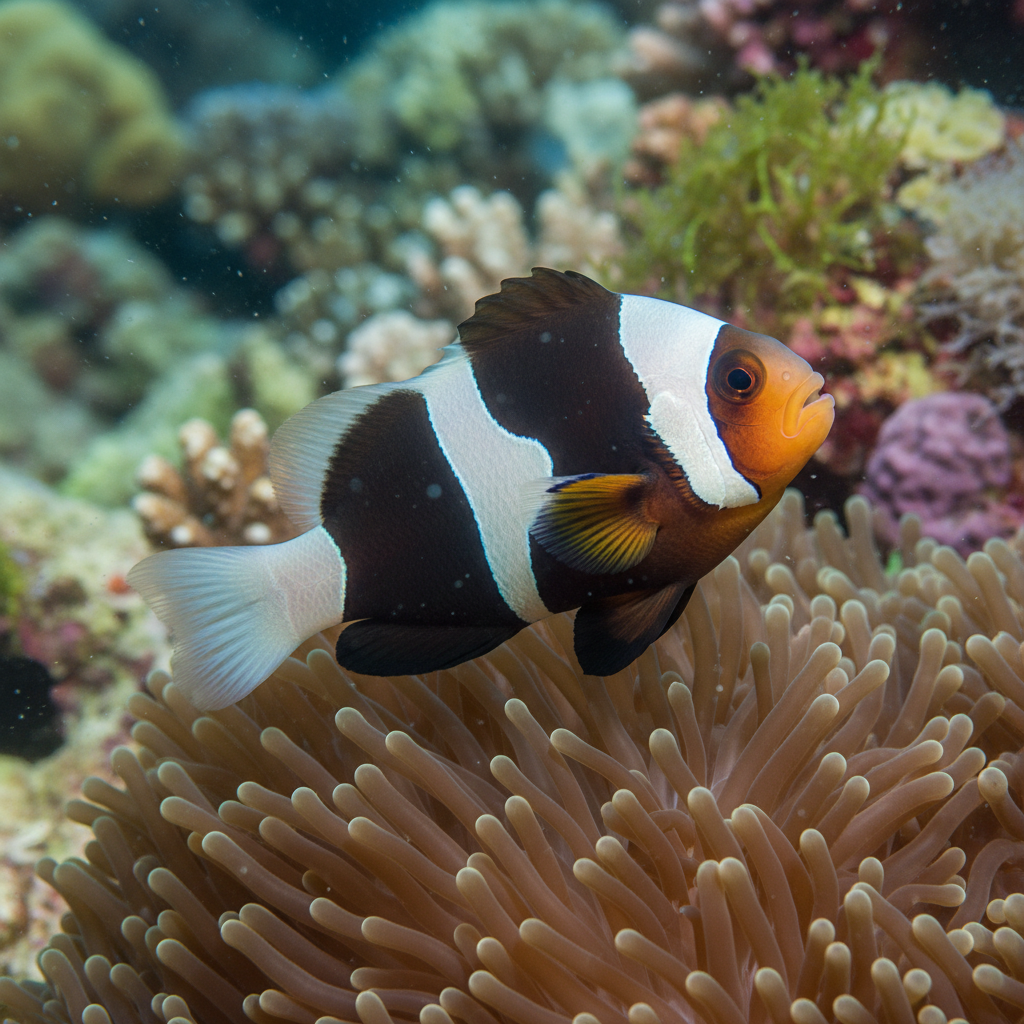
A 13cm clownfish with a broad white saddle. Hardy, captive-bred stock available, and it does not need an anemone.
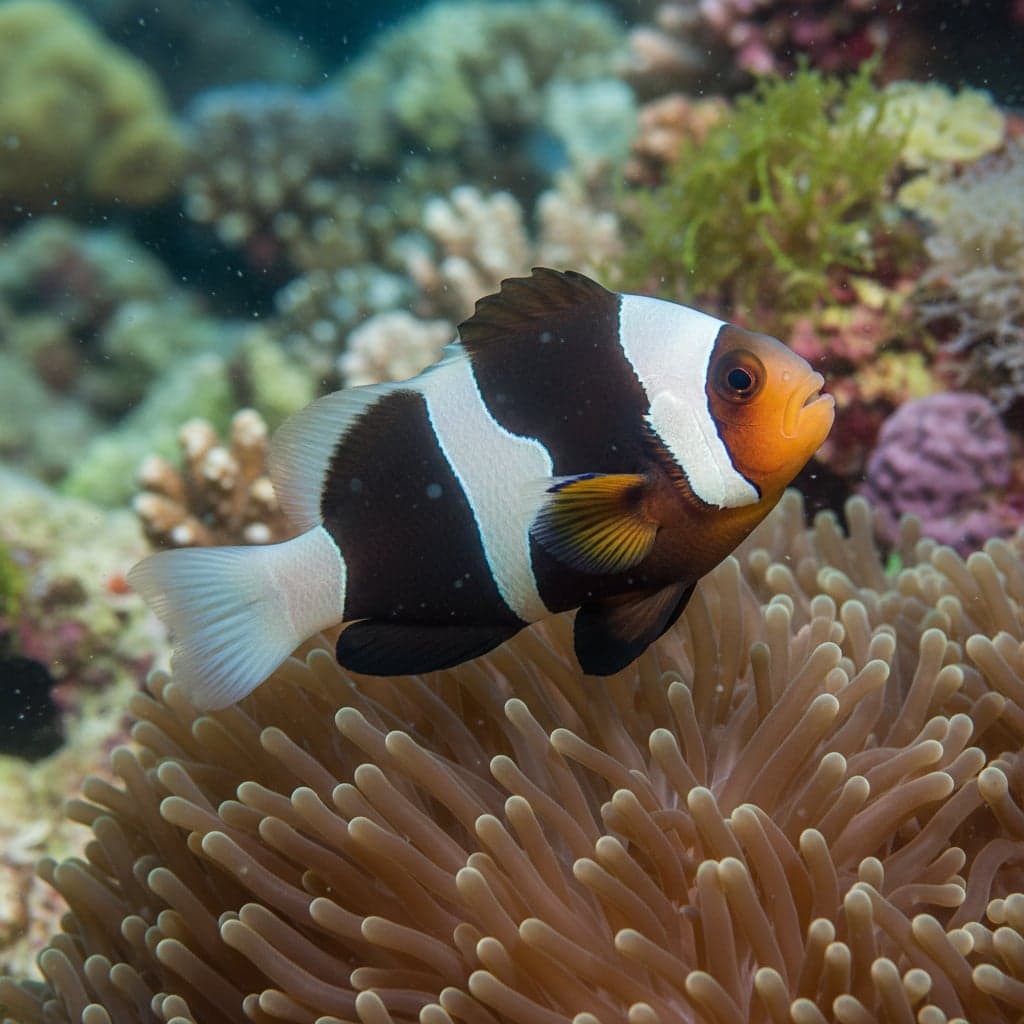
Saddleback Clownfish
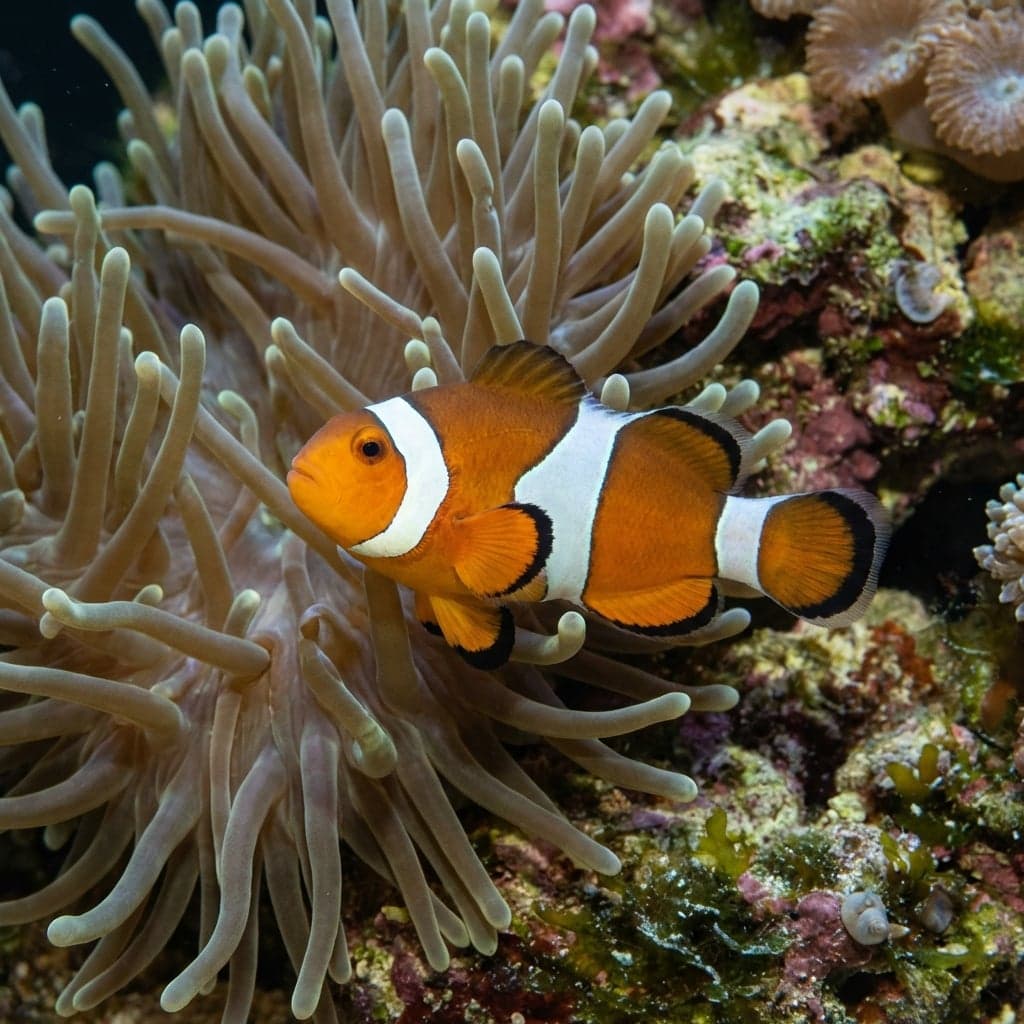
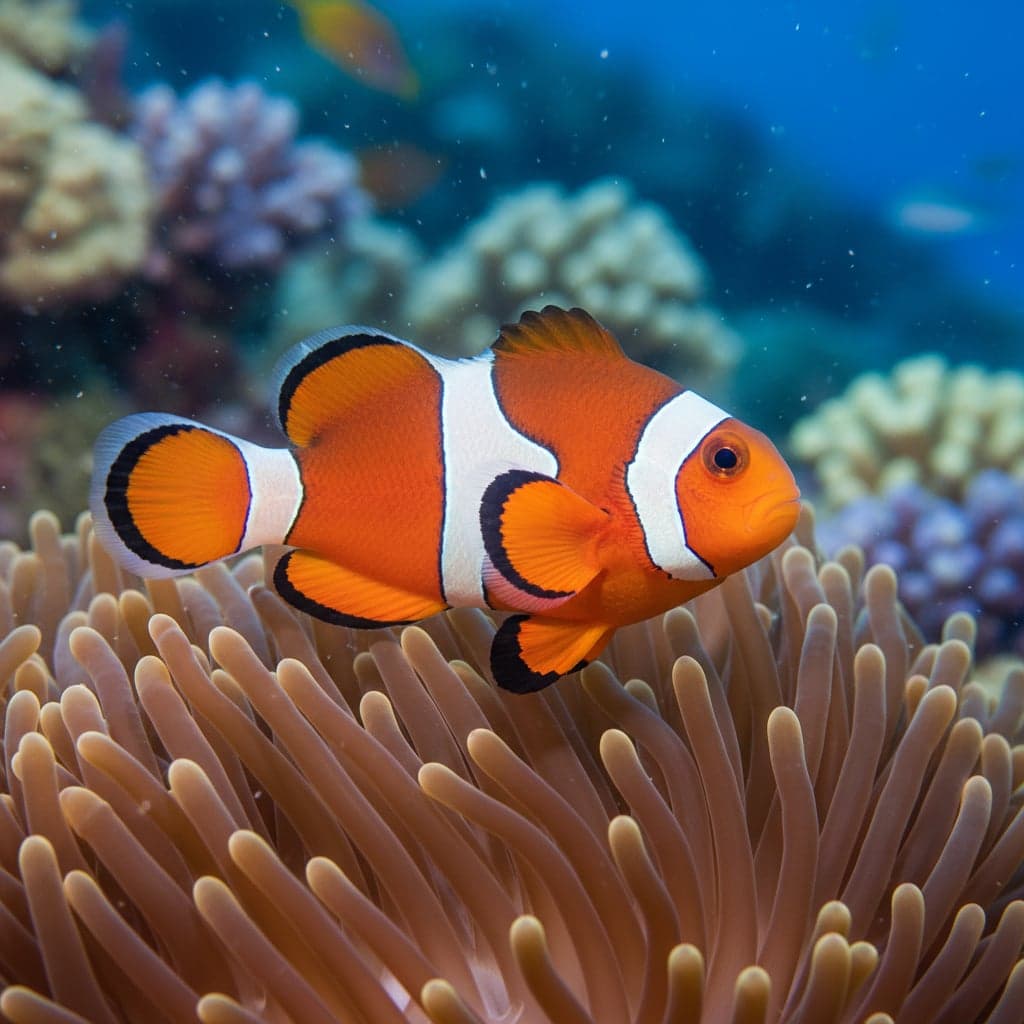
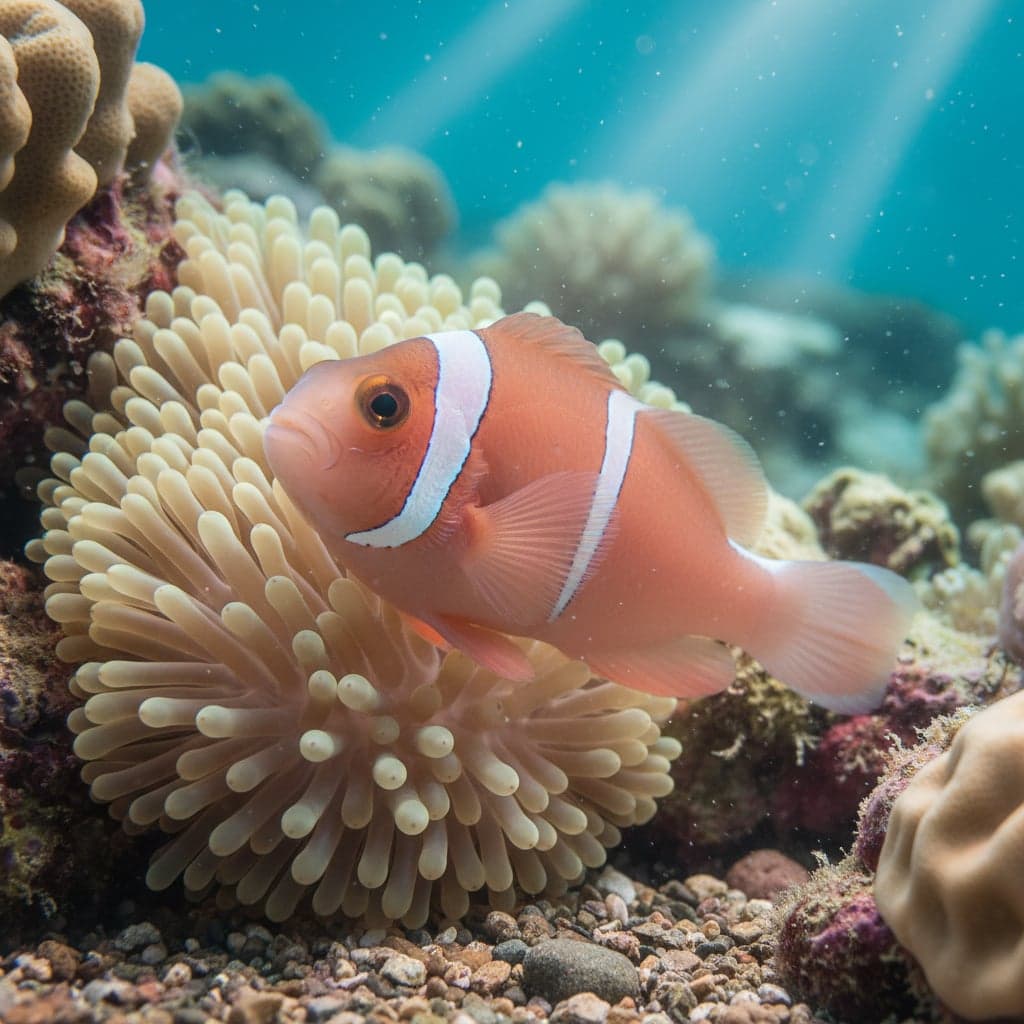
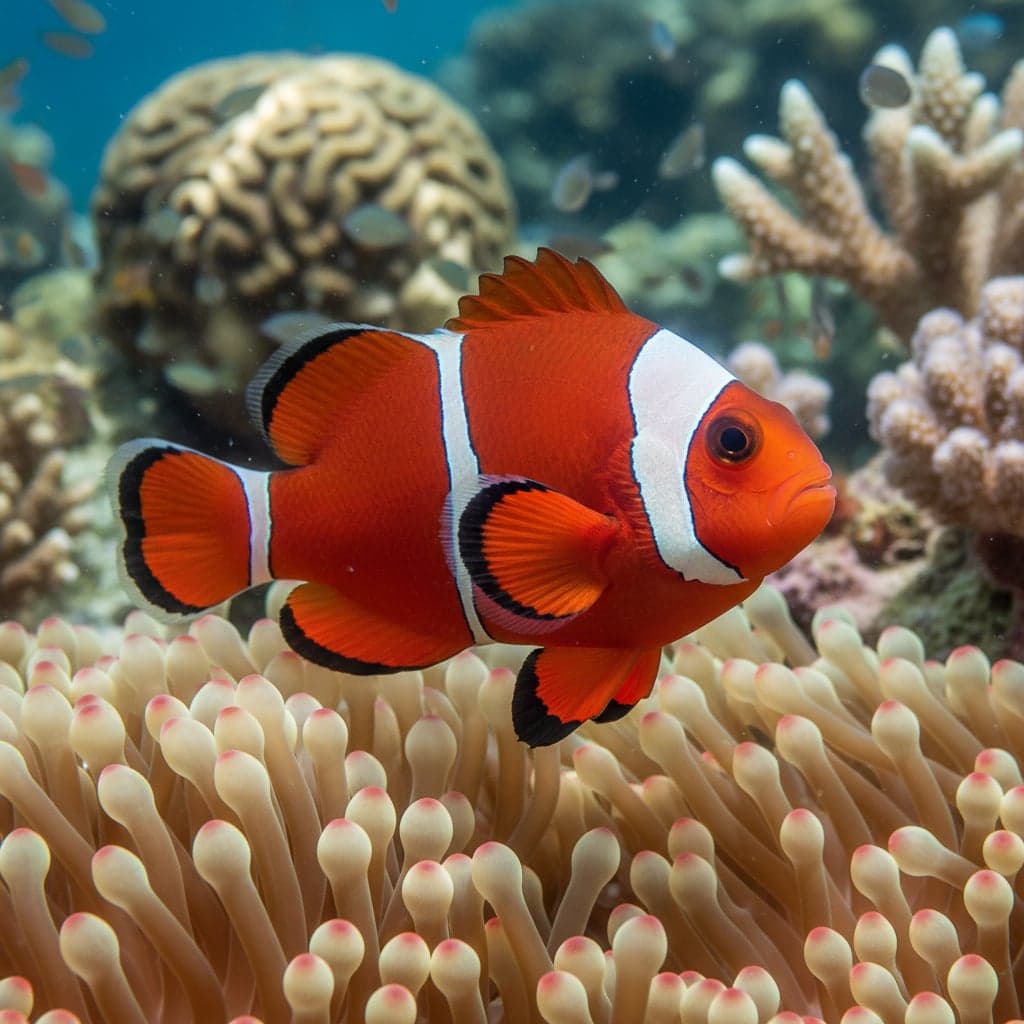
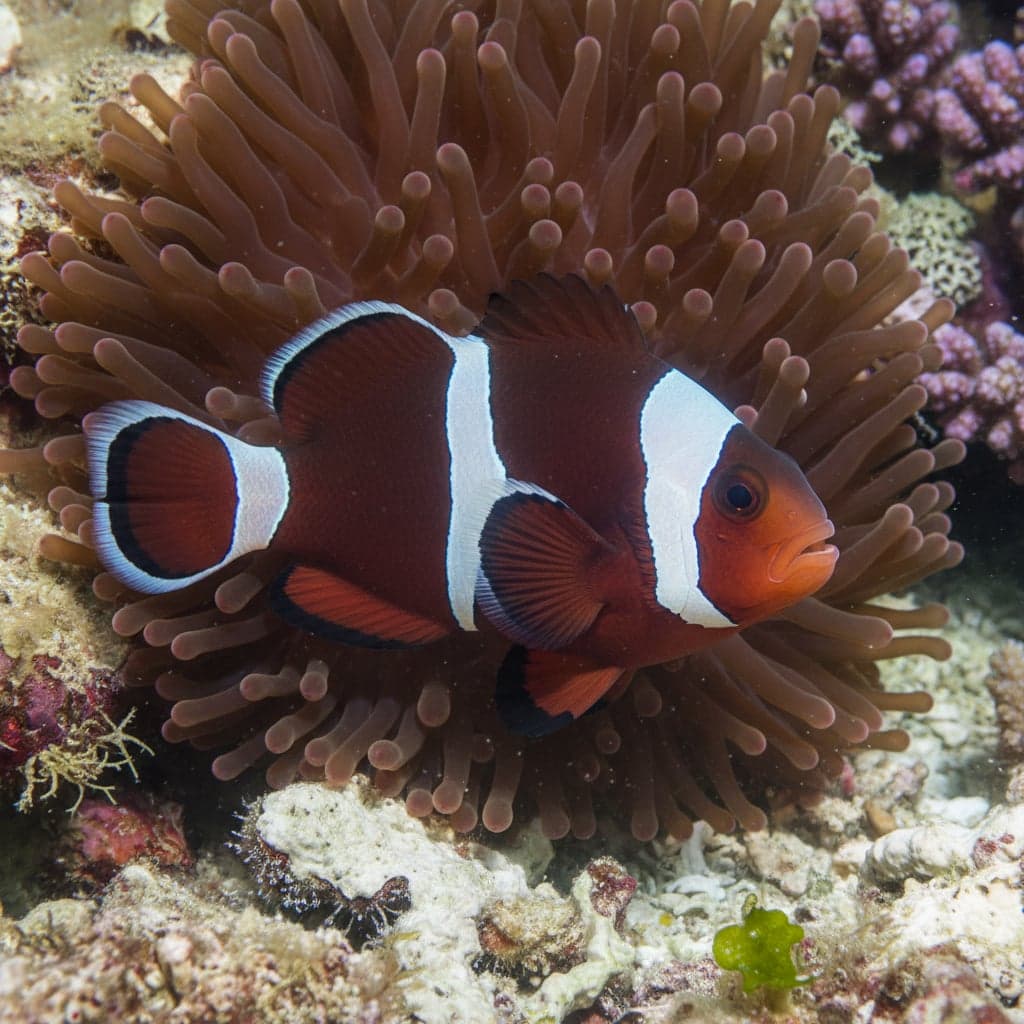
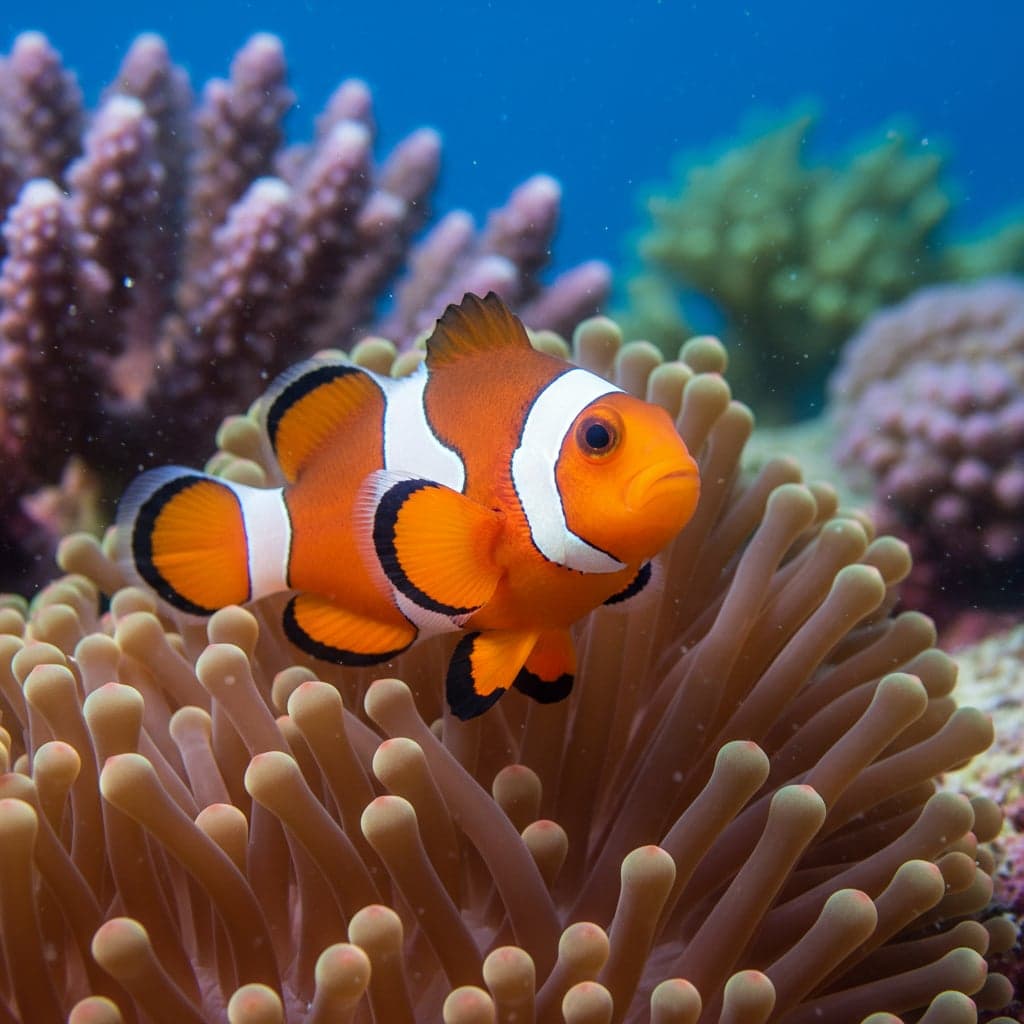
The Saddleback Clownfish (Amphiprion polymnus) is a captivating species that has piqued the interest of aquarists and marine enthusiasts alike. This striking fish is recognized for its distinctive appearance, characterized by a deep orange to reddish body adorned with three prominent white bands that are edged with black. Its vibrant coloration and engaging behavior make it a favorite in the aquarium hobby, where it brings a splash of color and activity to marine tanks. As a member of the Amphiprion genus, Saddleback Clownfish are best known for their symbiotic relationship with anemones, which provides them with safety from predators and enhances their appeal.
In addition to their visual appeal, Saddleback Clownfish hold significant ecological and aesthetic value within the aquarium community. They are renowned for their hardiness, making them suitable for both novice and experienced aquarists. Their fascinating behavior, including engaging interactions with anemones, provides insight into marine ecosystems. As a result, they are often favored for marine community tanks, where they contribute to the overall health and biodiversity of the underwater environment.
Natural Habitat & Origin
Saddleback Clownfish are native to the warm coastal waters of the Indo-Pacific region, specifically around areas such as the Great Barrier Reef and the islands of the Solomon Islands and Papua New Guinea. They inhabit shallow, protected lagoons and coral reefs, typically residing in areas with ample anemones. These fish thrive in environments that range from clear blue waters to slightly turbid conditions, where the presence of coral and anemones provides both shelter and breeding grounds.
The ecological context of their natural habitat is crucial for understanding their needs in captivity. Saddleback Clownfish are often found in association with specific species of sea anemones, such as Heteractis magnifica and Stichodactyla spp. By establishing a relationship with these anemones, the clownfish benefit from protection against predators while the anemones enjoy nutrients and increased flow generated by the clownfish's activity. This unique interaction emphasizes the importance of replicating similar conditions in the home aquarium.
Care Requirements
To foster a healthy environment for Saddleback Clownfish, it is essential to maintain specific water parameters. The ideal pH level should be between 7.8 and 8.5, with a water temperature ranging from 76°F to 82°F (24°C to 28°C). Hardness should typically be between 8 - 12 dGH to simulate their natural habitat accurately. A minimum tank size of 120 litres (32 gallons) is recommended for this 13cm Amphiprion polymnus — enough swimming room and territory for a hardy clownfish that does not need an anemone.
When setting up the tank, it’s advisable to include a sandy substrate, which provides a naturalistic appearance while offering comfort to the fish. Proper lighting—not too intense—should be established to enhance the colors of the fish while supporting any live plants or anemones introduced into the aquarium. Additionally, incorporating live rock or artificial structures can create hiding spots and promote natural behaviors.
Diet & Feeding
Saddleback Clownfish are considered omnivores, meaning their diet consists of both plant and animal matter. In the wild, they feed on zooplankton, small crustaceans, and algae. For optimal health in captivity, it is recommended to provide a varied diet, which includes high-quality flake foods, pellet foods, and a mix of frozen or live foods such as brine shrimp and mysis shrimp. This balanced approach ensures that the clownfish receive essential nutrients while keeping their colors vibrant and promoting good health.
Feeding should be conducted 2-3 times a day, with only as much food offered as can be consumed in a few minutes. This feeding schedule mimics their natural feeding habits and helps reduce waste in the aquarium. Ensuring a diverse diet is crucial in preventing nutritional deficiencies and promoting lively behavior.
Behavior & Temperament
Saddleback Clownfish exhibit fascinating social behavior, often displaying a community-oriented temperament. They are generally peaceful but can become territorial, especially when establishing their space within the aquarium. While they do not necessarily form schools like some fish species, they may be seen associating closely with similarly sized or compatible tank mates.
In terms of vertical placement, Saddleback Clownfish typically occupy the lower to mid-levels of the tank, preferring areas near their host anemones or aquatic plants. This behavior not only provides them shelter but also gives them a vantage point for observing their surroundings. Observing these fish interact with their environment is both interesting and rewarding for aquarists.
Tank Mates
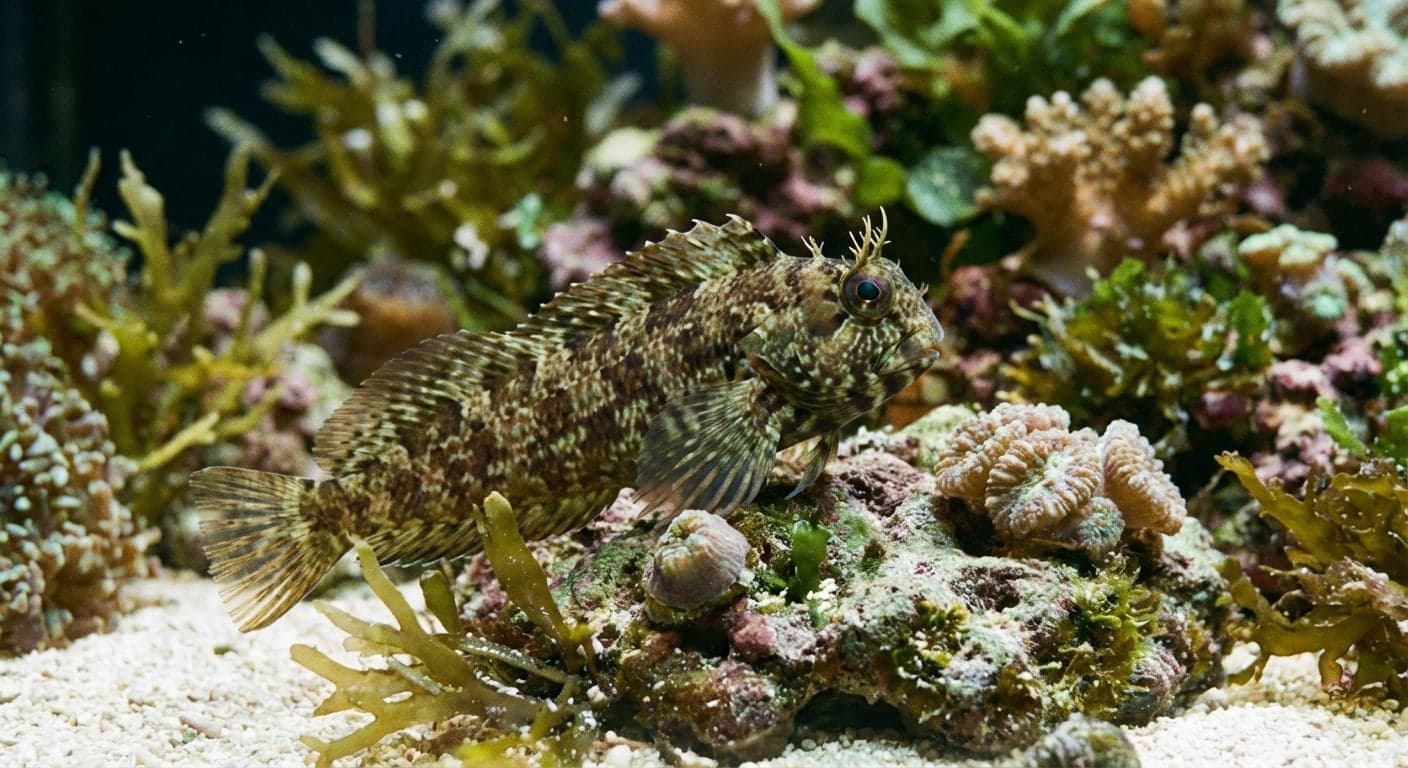
When selecting compatible tank mates for Saddleback Clownfish, it is essential to choose peaceful species that can coexist without aggressive behavior. Ideal tank mates include (but are not limited to) homed fishes like Gobies, Blennies, and small Tangs. Other suitable companions can include Damsels and certain species of wrasses.
However, certain fish species should be avoided due to their aggressive nature. Fish such as larger Wrasses, Groupers, or any species known for fin-nipping can cause stress or injury to the clownfish. Additionally, keeping other clownfish species in the same tank can lead to territorial disputes, so it's best to limit their coexistence.
Breeding
Saddleback Clownfish exhibit fascinating breeding behaviors, often forming monogamous pairs. During spawning, the female lays a clutch of eggs on a flat surface near their host anemone, while the male takes an active role in guarding and aerating the eggs. Successful breeding in captivity requires stable water conditions, a breeding pair, and a dedicated environment free from stressors that may disrupt the breeding cycle.
Creating a separate breeding tank or a designated area within the main tank is advisable to ensure successful hatching and rearing of the fry. Eggs typically hatch within 6-10 days, depending on water temperature, and the newly hatched larvae can be reared on infusoria or specially designed plankton feeds until they are large enough to consume larger foods.
Common Health Issues
Like many aquarium fish, Saddleback Clownfish can be prone to specific health issues, including but not limited to, marine ich (Cryptocaryon irritans), clownfish disease (Fugus), and bacterial infections. To prevent these common health issues, maintaining optimal water quality is paramount. Regular water changes, proper feeding, and a clean tank environment play a vital role in preventing outbreaks.
Additionally, observing the fish regularly can help in detecting early signs of illness; behaviors such as scratching against surfaces or changes in appetite can indicate health problems. Quarantine of new fish before introduction and ensuring that the clownfish are not stressed by tank mates can significantly contribute to the longevity and health of Saddleback Clownfish in your aquarium.