Six-bar Lamprologus: Neolamprologus sexfasciatus
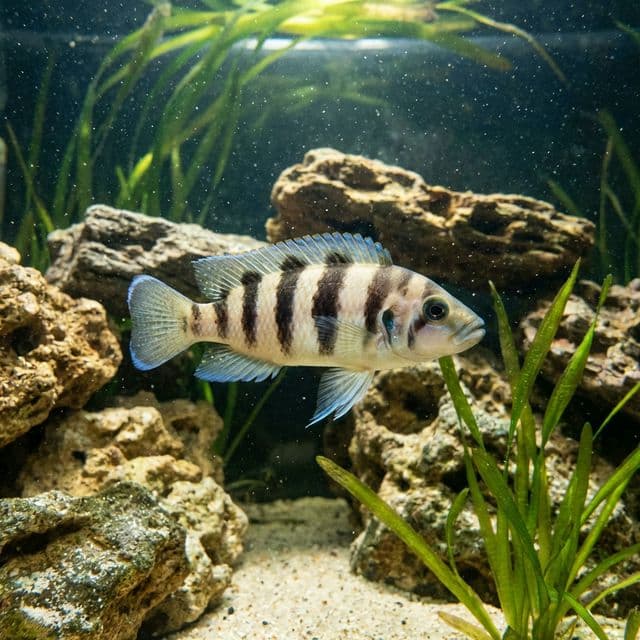
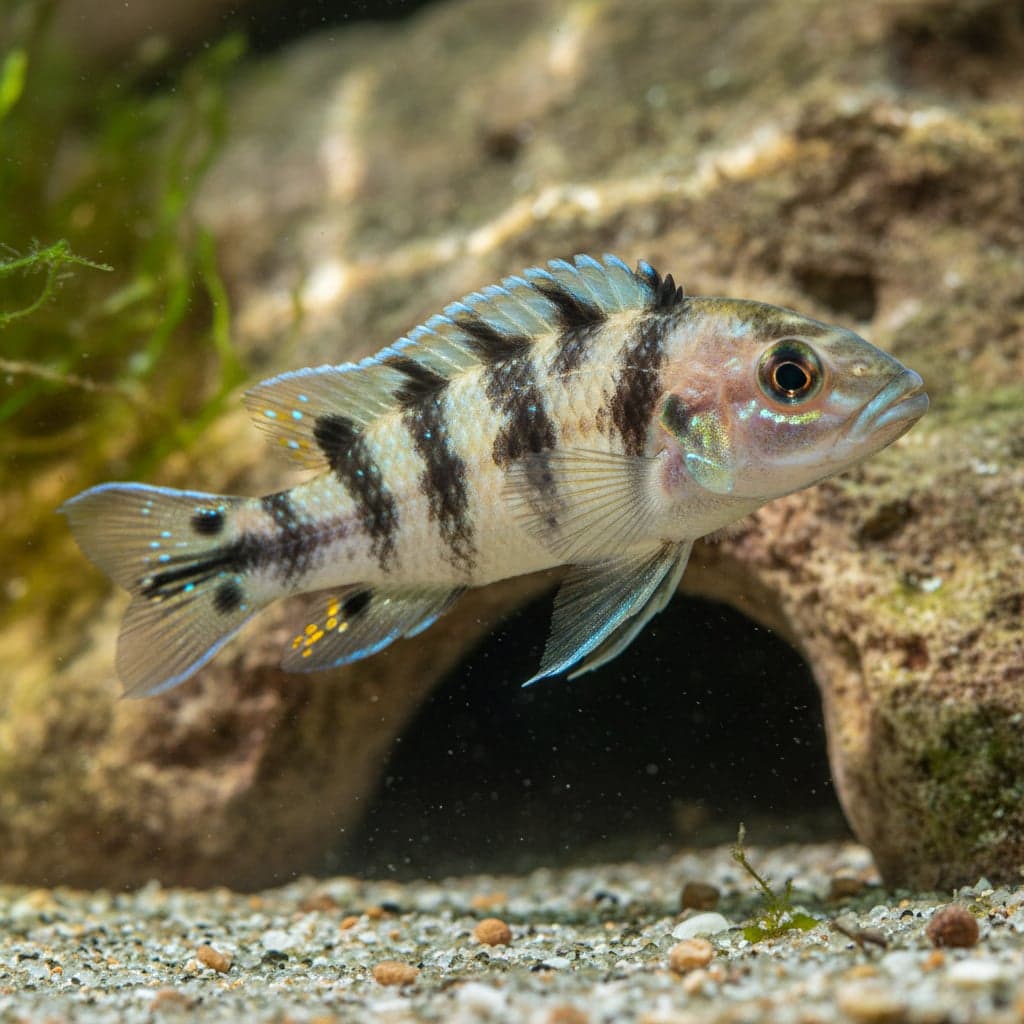
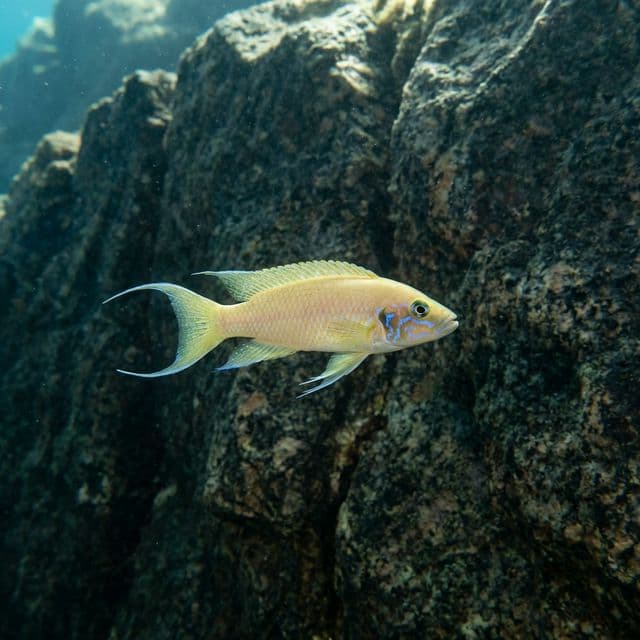
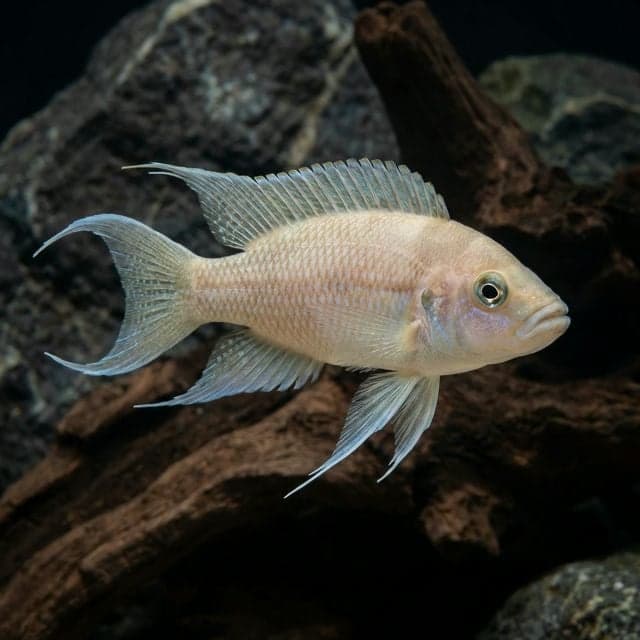
A deeply stunning, highly aggressive Tanganyikan cichlid featuring six intense black vertical bars over a stark white/yellow body.
Six-bar Lamprologus
The Six-bar Lamprologus, scientifically known as Neolamprologus sexfasciatus, is an enchanting freshwater fish that captures the hearts of aquarists worldwide. Renowned for its striking appearance, this cichlid features distinct vertical stripes that give it its name. With a blend of vibrant colors ranging from muted browns to bright yellows, the Six-bar Lamprologus stands out in both natural habitats and aquarium settings. This species is not only visually appealing but also captivates fish enthusiasts due to its engaging behaviors and unique adaptations, which make it a fascinating addition to any aquarium.
In the aquarium hobby, the Six-bar Lamprologus holds significance for more than just its aesthetic qualities. As a native of Lake Tanganyika in East Africa, it represents a piece of the rich biodiversity found in the region's ecosystem. The fish has become increasingly popular among aquarists who are looking for a species that exhibits interesting behaviors, particularly in terms of territoriality and nesting. This juxtaposition of beauty and complexity creates an enriching experience for hobbyists eager to understand and appreciate the dynamics of cichlid care.
Natural Habitat & Origin
The Six-bar Lamprologus is endemic to Lake Tanganyika, one of the African Great Lakes and the second-deepest lake in the world. Found primarily in rocky shorelines and reefs, this fish thrives in environments characterized by clear alkaline waters. The lake's diverse stone structures provide ample opportunities for shelter and breeding grounds, making it an ideal habitat for this species. The water parameters in Lake Tanganyika—well-oxygenated and varying between a pH of 7.5 to 9.0—offer insight into the conditions necessary for maintaining the health of Six-bar Lamprologus in captivity.
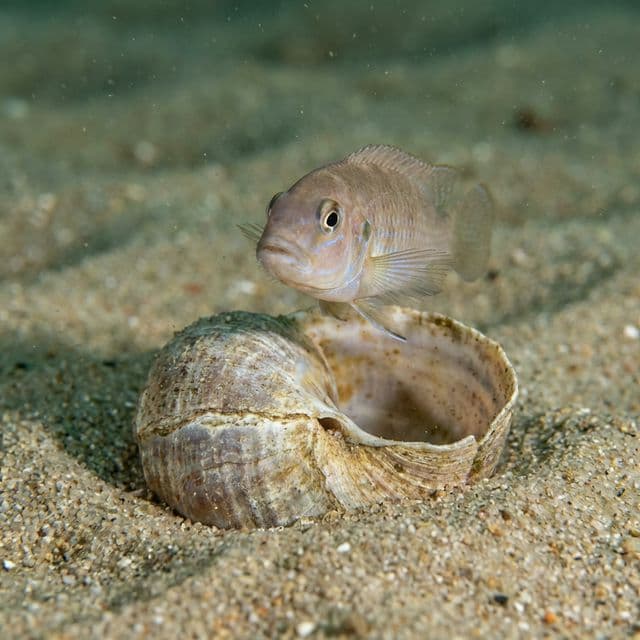
In its natural environment, the Six-bar Lamprologus exhibits behaviors that enhance its survival. It often occupies crevices and small caves within the rocky substrate, providing security while allowing for territorial defense against other species. Understanding its native habitat is crucial for aquarists seeking to replicate these conditions, simulate its natural behaviors, and ensure overall well-being.
Care Requirements
To successfully care for the Six-bar Lamprologus, specific water parameters must be maintained within the aquarium. Ideal conditions include a pH range of 7.5 to 9.0, a temperature of 76°F to 82°F (24°C to 28°C), and hardness levels between 10 to 20 dGH. Given its natural preference for alkaline, hard water, consistent monitoring and adjustments may be necessary to preserve a healthy environment.
Setting up an appropriate tank for the Six-bar Lamprologus requires thoughtful consideration of substrate, tank size, and decor. A minimum tank size of 30 gallons is recommended to give this species ample swimming space along with territorial boundaries. The substrate should consist of fine gravel or sandy material to mimic its natural environment. Incorporating rock formations, caves, and structures allows for hiding places and breeding sites, promoting a naturalistic habitat. Moderate lighting is ideal, as this creates a calming atmosphere; hardy aquatic plants can be included for aesthetic appeal without overcrowding the tank.
Diet & Feeding
The Six-bar Lamprologus is primarily carnivorous, but it also benefits from a varied diet that includes both protein-rich and plant-based foods. In captivity, it thrives on a mixed diet that consists of high-quality pellets, flakes, and live or frozen foods such as brine shrimp, daphnia, and bloodworms. It is crucial to offer a diverse array of nutrition to ensure balanced growth and vibrant coloration. Feeding should occur once or twice a day, with care taken not to overfeed, as uneaten food can degrade water quality.
Aquarists are encouraged to monitor dietary habits closely; the Six-bar Lamprologus may refuse food if stressed or in an unsuitable environment. Regular feeding schedules and consistent dietary offerings can promote overall health and enhance the fish's natural hunting behaviors.
Behavior & Temperament
The Six-bar Lamprologus is known for its intriguing social behavior. While this fish can showcase a degree of sociability with its own kind, it tends to be territorial and may display aggressive tendencies, especially during breeding seasons. This territoriality can extend to other species, making it imperative to provide a spacious environment that allows for individual territories.
It is essential to note that the Six-bar Lamprologus prefers vertical placement within the tank, thriving in areas with caves, crevices, and vertical rock formations. This behavior reflects its natural habitat, where it seeks shelter and nesting sites. To enhance community dynamics, aquarists are encouraged to provide enough hiding spots, ensuring that individuals can retreat if needed.
Tank Mates
When selecting tank mates for the Six-bar Lamprologus, it is vital to consider species that can coexist harmoniously while respecting its territorial nature. Compatible species include other Lake Tanganyika cichlids such as Julian's Cichlid (Julidochromis spp.), and smaller fish like the African tetra (Micralestes spp.) or the Lamprologus brichardi. However, larger or overly aggressive species should be avoided, as they can provoke territorial disputes or stress for the Six-bar Lamprologus.
Additionally, peaceful bottom dwellers, such as certain catfish species, can serve as beneficial companions if their habitat needs are adequately met. Successful cohabitation requires ample space, proper selection, and an understanding of each species' behaviors.
Breeding
Breeding the Six-bar Lamprologus in captivity can be a rewarding endeavor, provided the right conditions are met. This species typically creates nests in rocky crevices, where females lay eggs. The breeding process begins with courtship displays, where males showcase their colors and attract the attention of females. Once a female is ready to spawn, she may lay anywhere from 30 to 100 eggs, which the male then fertilizes.
To ensure successful breeding, the aquarium must replicate the natural conditions of Lake Tanganyika. This entails providing stable water parameters, adequate hiding spots, and a diet rich in nutrients during the breeding period. The fry will require specific care after hatching, demanding careful attention to water quality and appropriate feeding with finely crushed foods.
Common Health Issues
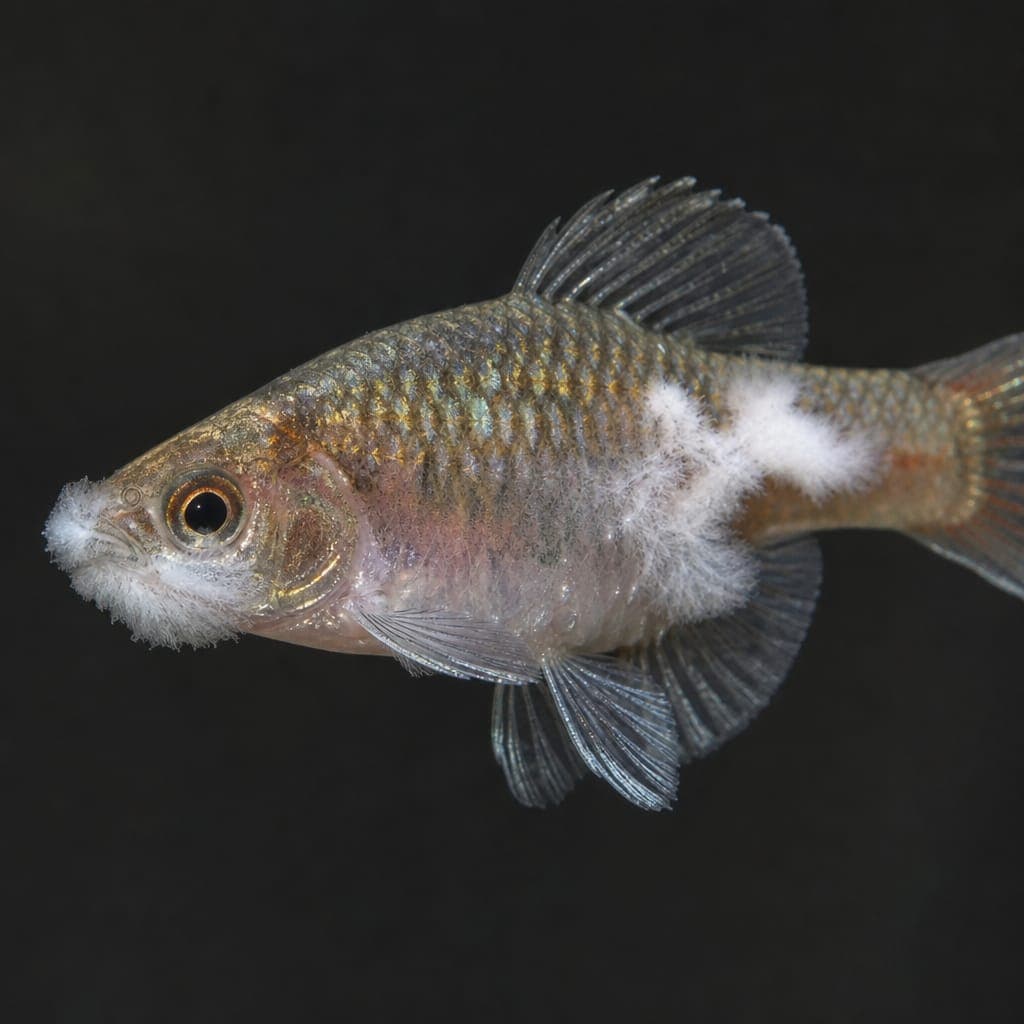
The Six-bar Lamprologus, although generally robust, can be susceptible to certain health issues, predominantly linked to water quality and stress. Common ailments include ich (whitespot disease), fin rot, and various fungal infections. To prevent such issues, maintaining pristine water quality through regular water changes, monitoring parameters, and ensuring a balanced diet is essential.
Additionally, proactive measures such as gradually introducing new tank mates and avoiding overcrowding will help maintain a stress-free environment. Regular observation of the fish will enable aquarists to detect early signs of illness and respond promptly, promoting long-term health and longevity in their Six-bar Lamprologus.