Skunk Cleaner Shrimp: Lysmata amboinensis
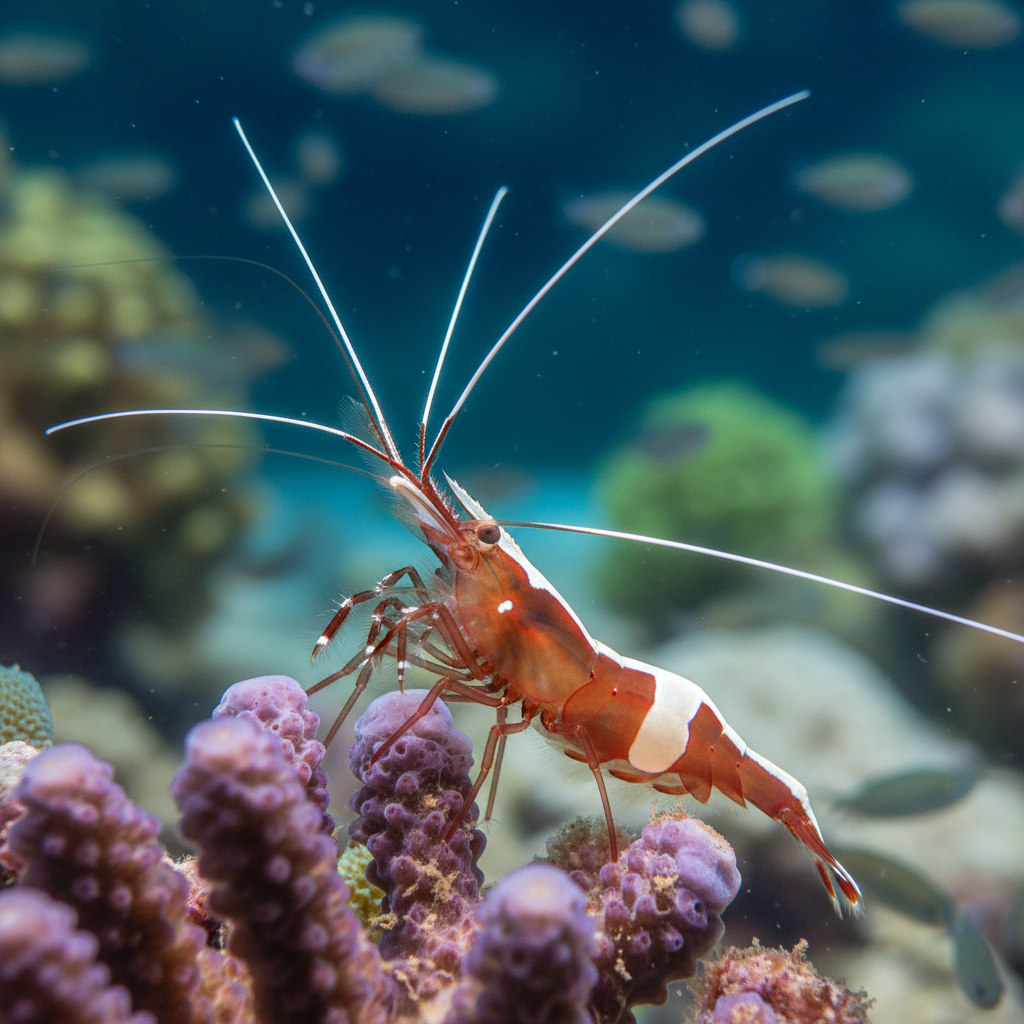
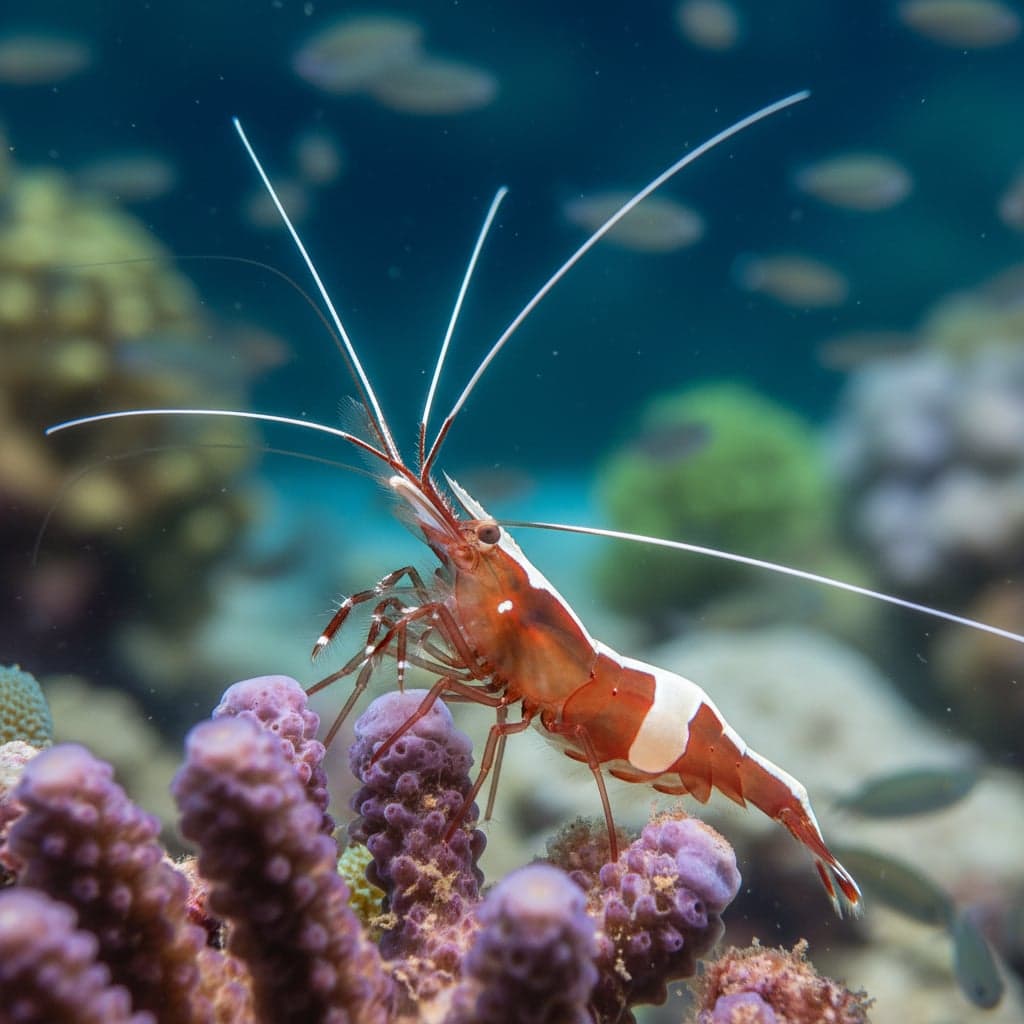
The reef tank doctor. Skunk Cleaner Shrimp set up cleaning stations where fish line up to have parasites removed from their bodies.
Skunk Cleaner Shrimp
The Skunk Cleaner Shrimp, scientifically known as Lysmata amboinensis, is a popular shrimp species in the aquarium hobby, renowned for its striking appearance and essential role in maintaining a balanced aquatic ecosystem. With its vibrant red body adorned with white stripes, this shrimp is both visually appealing and captivating to observe. Measuring about 2 to 3 inches in length, it radiates color and life, making it a valuable addition to both marine and reef tanks. Beyond its aesthetic value, the Skunk Cleaner Shrimp plays a crucial role in the health of the aquarium environment by acting as a natural cleaner. It feeds on parasites, dead tissue, and organic debris found on fish and other organisms, contributing to a cleaner and healthier tank.
In addition to its cleaning behavior, the Skunk Cleaner Shrimp also displays interesting social behaviors that enhance its desirability among aquarists. These shrimp are known for their symbiotic relationships with various fish species, where they offer cleaning services in exchange for protection and food. This mutualistic behavior not only promotes biodiversity in the tank but also provides an amazing viewing experience for aquarium enthusiasts. Their active nature and engaging behavior make them a star attraction in any aquascape.
Natural Habitat & Origin
Skunk Cleaner Shrimp are native to the Indo-Pacific region, specifically found in coral reefs, lagoons, and shallow waters ranging from the Red Sea to the Pacific Ocean. They thrive in warm, marine environments characterized by clean, clear water. The shrimp typically inhabit rocky crevices and among corals, utilizing their natural rock formations for shelter and as a vantage point to spot potential cleaning clients. In their native habitat, they prefer water depths of around 1 to 20 meters, where they can engage in their cleaning behavior on larger fish and other marine life that seek out their services.
The environmental context of their natural habitat is essential for maintaining a thriving aquarium population. The waters they inhabit feature stable temperatures, moderate salinity, and a diverse array of marine life, creating a complex and balanced ecosystem. As such, replicating these conditions is crucial for their longevity and overall well-being in captivity.
Care Requirements
To ensure the optimal health of Skunk Cleaner Shrimp, maintaining specific water parameters is essential. The recommended water pH should be between 7.8 and 8.5, with a temperature range of 74°F to 82°F (23°C to 28°C). Furthermore, the tank should have a specific gravity of around 1.020 to 1.025 and calcium levels maintained between 400 to 440 ppm. The minimum tank size for keeping these shrimp is about 20 gallons, providing ample space for swimming and establishing territories.
The tank setup should include a fine substrate, ideally sandy, complemented by plenty of live rock and caves to allow hiding and shelter. Lighting is also crucial; moderate lighting with both natural and artificial options will promote plant health and mimic their natural environment. Including various live corals and algae will not only create a more appealing display but also provide food sources and additional habitat structure.
Diet & Feeding
Skunk Cleaner Shrimp are omnivorous scavengers, primarily feeding on leftover food and microorganisms in their environment. In the aquarium, they benefit from a diet that includes a mix of high-quality marine flakes, small sinking pellets, and frozen or live foods such as brine shrimp or mysis shrimp. It is important to provide a balanced diet to ensure their health and growth. Regular feeding two to three times a week should suffice, ensuring not to overfeed, which can lead to poor water quality. Additionally, they may graze on detritus and algae, further contributing to maintaining a clean aquarium.
Behavior & Temperament
Skunk Cleaner Shrimp exhibit peaceful and sociable behavior, making them a great addition to community tanks. They are typically found in pairs or small groups, actively moving throughout the tank, performing their cleaning services on fish. These shrimp establish and maintain a social hierarchy, often finding their place among similarly sized fish. They are known for their lack of aggression and are often seen cleaning larger fish, who will approach them to receive a “clean.”
Skunk Cleaner Shrimp primarily occupy the lower to mid-levels of the tank, where they can easily access fish that need cleaning. Being active and curious, they display fascinating behaviors that keep aquarists entertained, often engaging in playful interactions with compatible tank mates.
Tank Mates
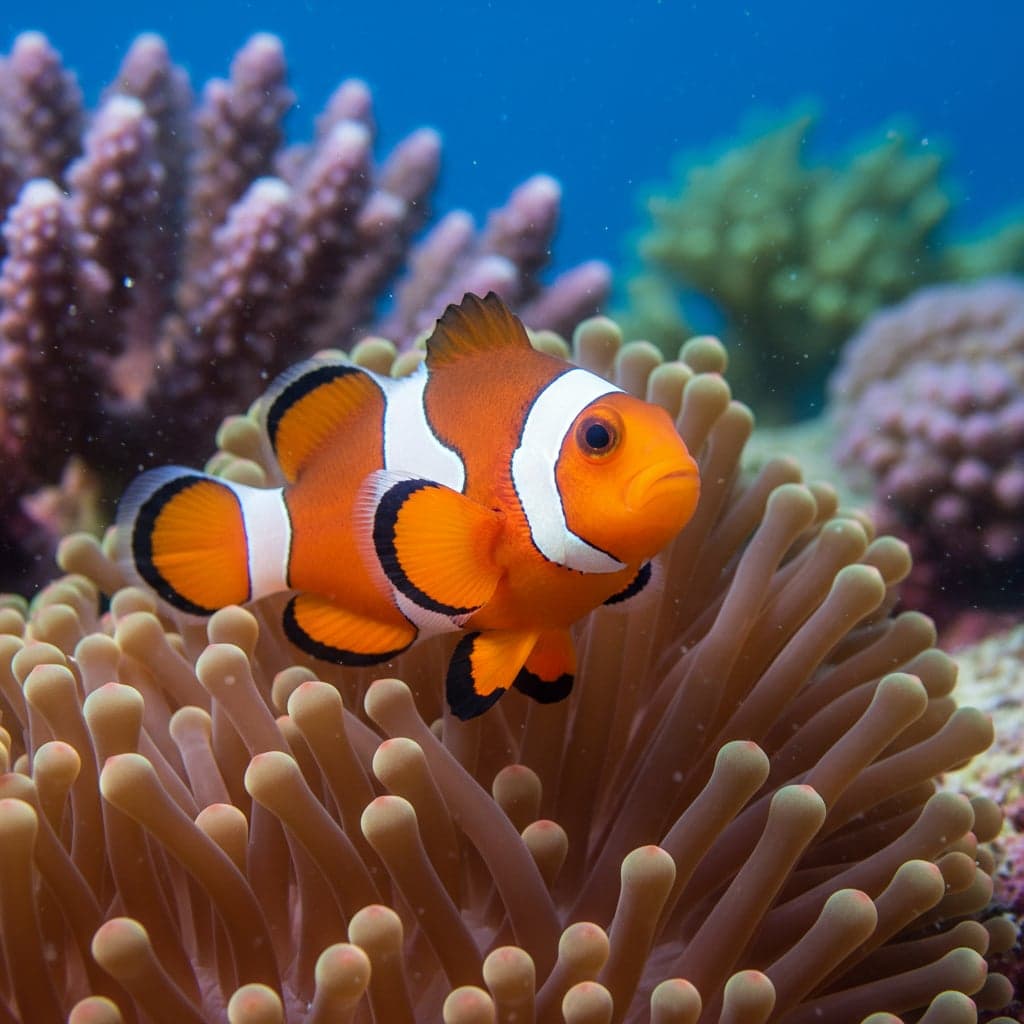
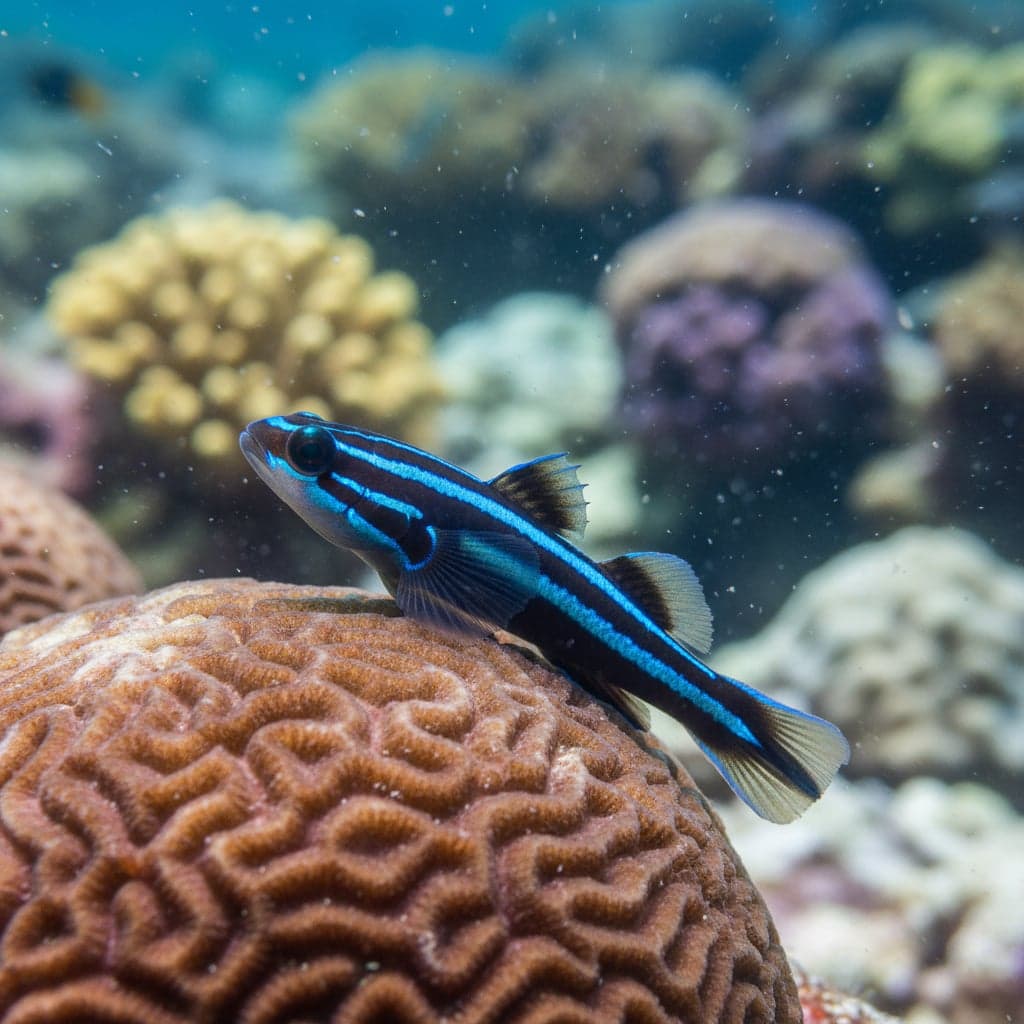
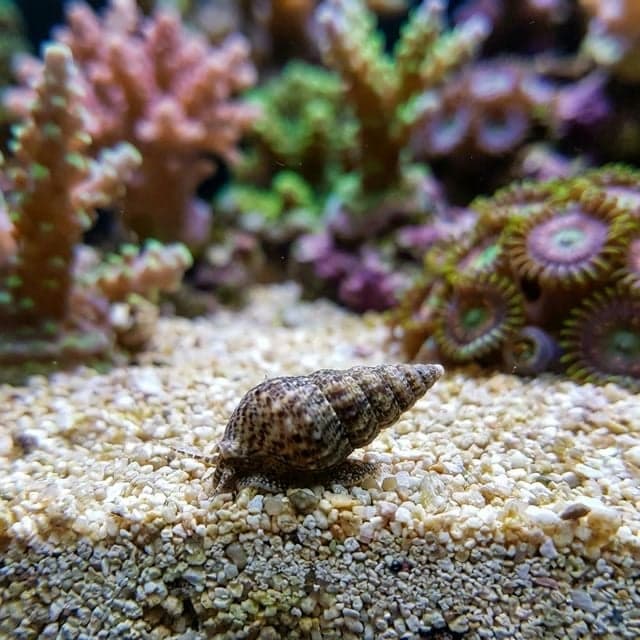
When considering tank mates for Skunk Cleaner Shrimp, compatibility is key to maintaining a harmonious aquarium environment. Suitable tank mates include small to medium-sized fish that are not overly aggressive, such as clownfish, damselfish, and gobies. Other invertebrates like snails and certain species of crabs can coexist with Skunk Cleaner Shrimp, provided they are not territorial.
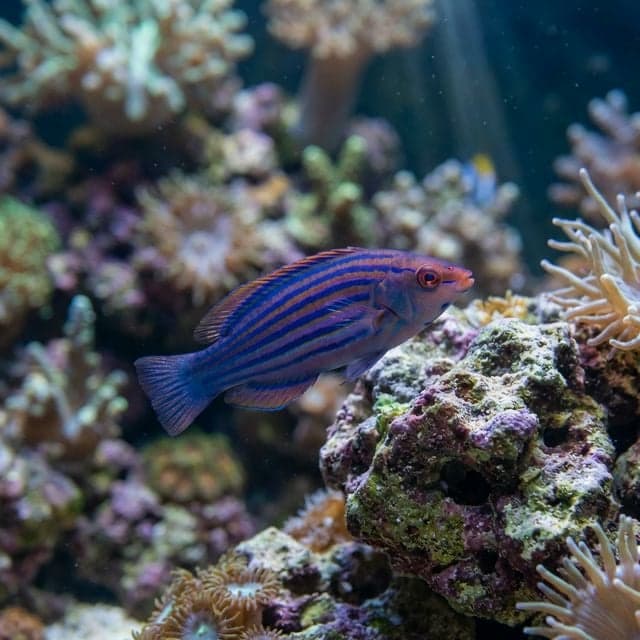
However, it is crucial to avoid keeping them with larger, predatory fish that may view the shrimp as a snack or with aggressive species that may bully or harm them. Fish such as lionfish, triggers, or large wrasses may not only pose a threat to the shrimp but can disrupt the peaceful ecosystem within the tank.
Breeding
Breeding Skunk Cleaner Shrimp in captivity can be a rewarding yet challenging endeavor. They are known to spawn readily if provided with the right conditions, which include stable water parameters, ample hiding spots, and a well-established environment. The males will display courtship behaviors, including color changes and increased cleaning activities, to attract females. Once they mate, the female can carry fertilized eggs under her abdomen for several weeks, where she will subsequently release the larvae into the water column.
For successful breeding, it's crucial to provide a refugium or separate breeding tank where the larvae can survive, as they are free-swimming and highly vulnerable. Proper filtration and gentle water movement are necessary to mimic the conditions of their natural habitat, thus improving the chances of larvae survival.
Common Health Issues
While Skunk Cleaner Shrimp are generally hardy, they are still susceptible to a few common health issues. These can include molting problems, which may lead to stress and even death if not resolved. Ensuring appropriate water conditions and providing calcium-rich foods can help facilitate successful molting. Additionally, they may encounter parasitic infections like isopods or copepods, which can be detrimental to their health.
Preventative care is essential, including maintaining pristine water conditions, providing a balanced diet, and minimizing stress through suitable tank mates and an adequately sized environment. Regular observation of their behavior and physical condition allows for early detection and intervention should any health issues arise.