Spotted Tilapia: Pelmatolapia mariae
A large, aggressive West African cichlid that needs a big tank and robust tank mates. Care, tank size, diet and temperament at 24-28°C, pH 6.5-7.5.
Spotted Tilapia
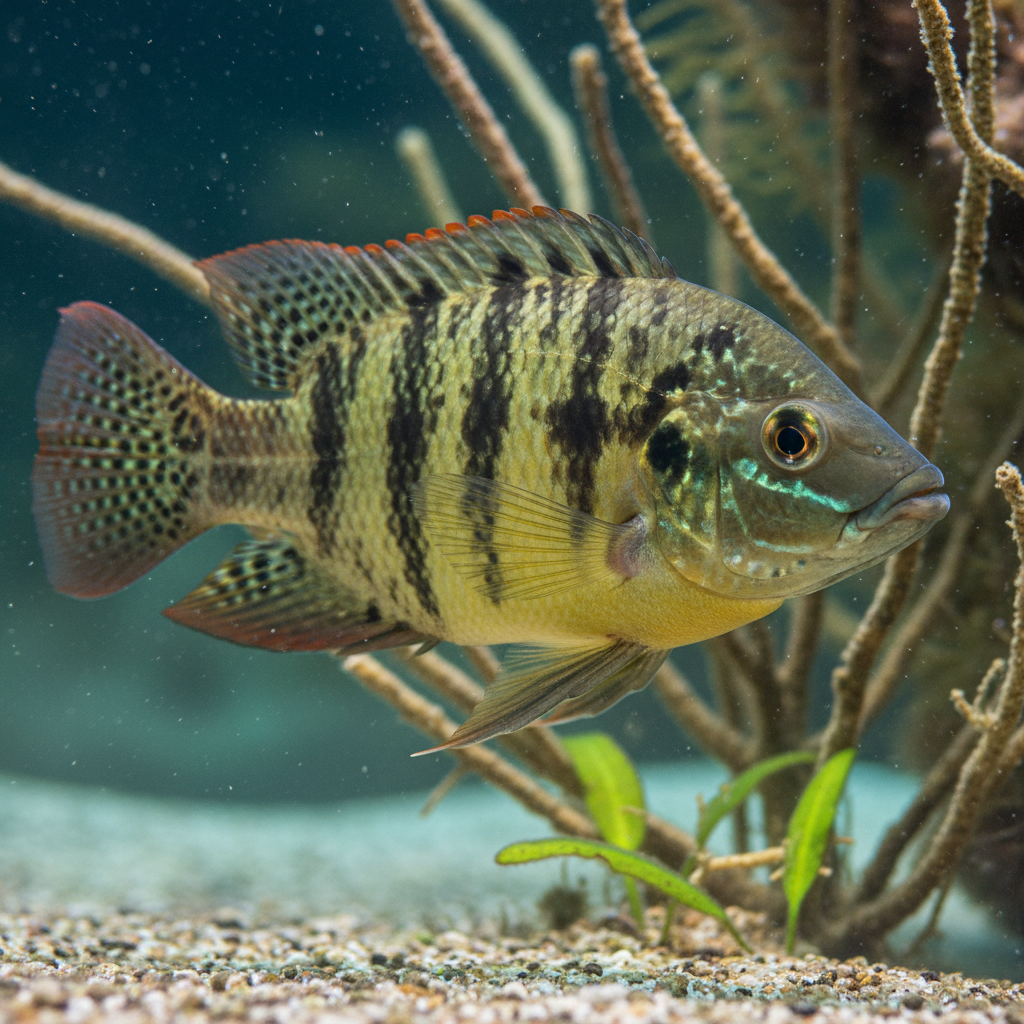
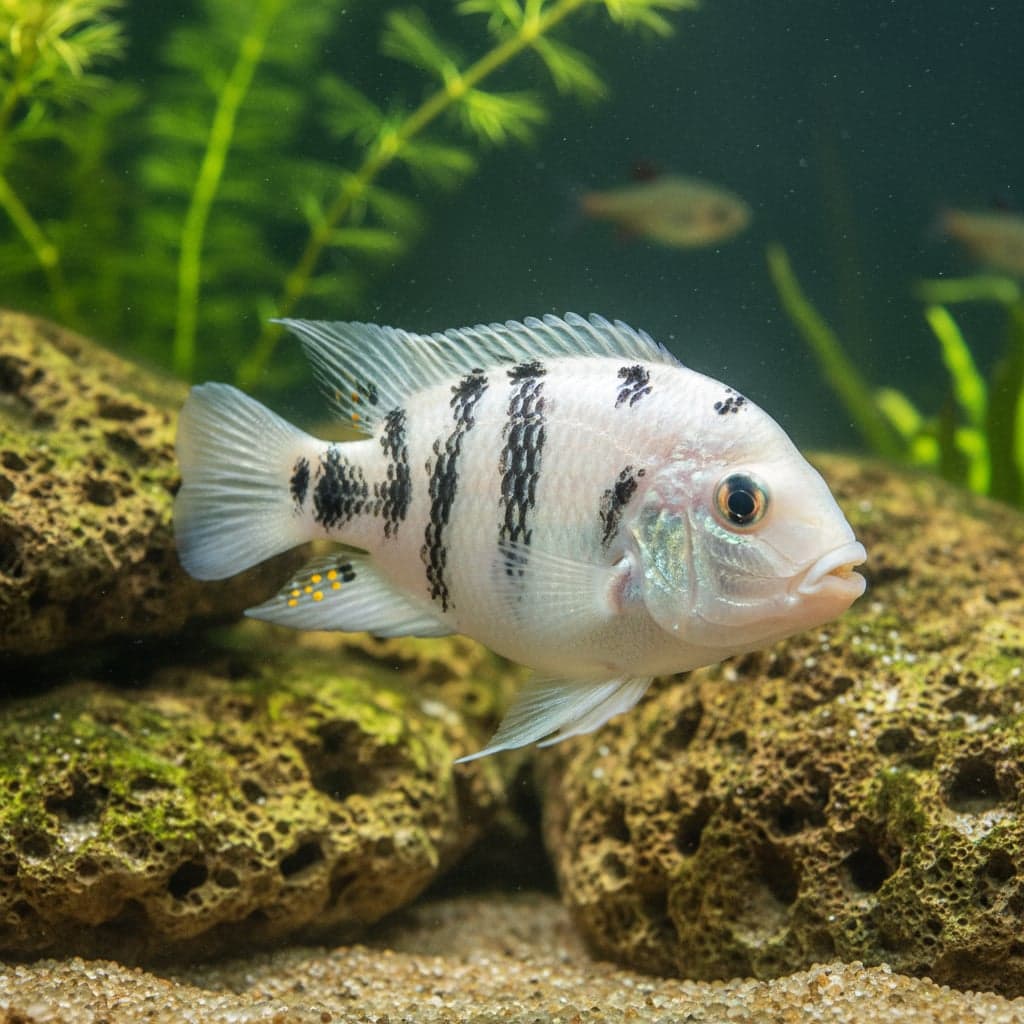
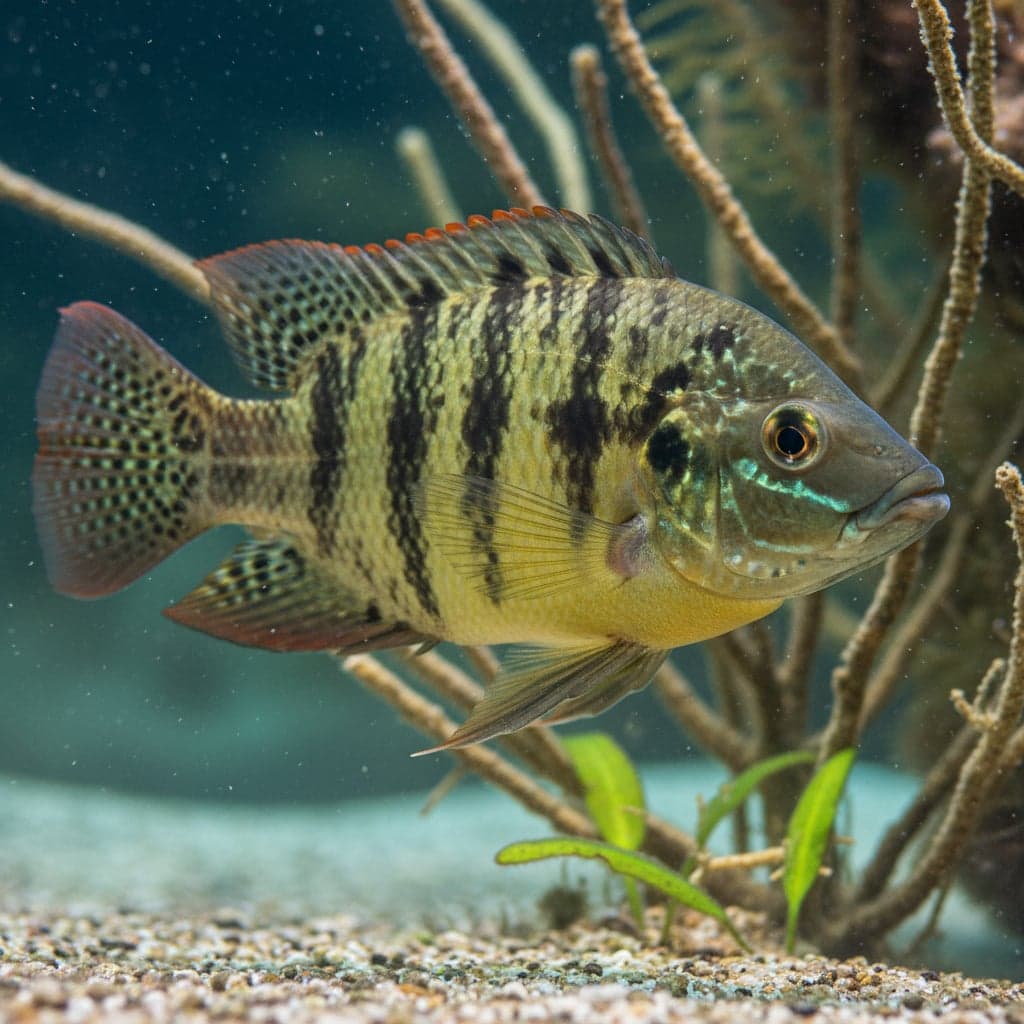
The Spotted Tilapia, scientifically known as Pelmatolapia mariae, is a captivating freshwater fish that has garnered the interest of both aquarists and researchers alike. Displaying striking coloration, it features a blend of iridescent blues and greens adorned with dark spots, which serves to beautify both home aquariums and public displays. This fish is particularly notable for its distinct body shape, featuring a deep, laterally compressed body that complements its vibrantly patterned scales. Its unique appearance and resilient nature make the Spotted Tilapia a favorite among hobbyists who appreciate both aesthetic and functional aspects in their aquariums.
Beyond its visual appeal, the Spotted Tilapia also plays an essential role in aquaculture and the aquarium trade. Recognized for its adaptability and hardiness, this species can thrive in a variety of water conditions, making it an excellent choice for both novice and experienced fishkeepers. The emergence of this freshwater fish in aquariums not only enhances the visual landscape but also contributes to ecological awareness in hobbyists, as it encourages sustainable practices and responsible breeding within the aquarium community.
Natural Habitat & Origin
The Spotted Tilapia hails from the freshwater bodies of Africa, particularly in regions such as the Congo River basin and various lakes, including Lake Tanganyika. These environments are often characterized by slow-moving rivers and shallow floodplains rich in vegetation. The water in these locations can vary from clearwater systems to slightly turbid conditions, with abundant plant life that provides both spawning grounds and hiding places for young fish. Understanding its natural habitat is crucial for recreating optimal conditions in a home aquarium.
In its native environments, the Spotted Tilapia is primarily found in a variety of water types, including blackwater and clearwater systems. These habitats are typically warm, rich in organic materials, and possess soft to moderate water hardness. Such characteristics play a significant role in shaping the fish's behavior and preferences, which should be taken into account when designing a suitable aquarium environment.
Care Requirements
To thrive, the Spotted Tilapia requires specific water parameters: an ideal pH range of 6.5 to 7.5, a temperature between 24°C to 28°C (75°F to 82°F), and hardness levels of 5 to 15 dGH. Providing stable and clean water should be a priority, as fluctuations can lead to stress and health issues. For tank setups, a minimum size of 150 liters (about 40 gallons) is recommended due to the potential size and activity level of this species.
The aquarium should be equipped with a sandy substrate to mimic its natural habitat, allowing for foraging behavior. Live plants such as Anubias, Java fern, and Vallisneria can be incorporated to provide shelter and enhance water quality through natural filtration. Lighting should be moderate to allow plant growth while simulating the natural day-night cycle. A well-circulated tank with moderate flow can improve water quality, benefiting the overall health of the Spotted Tilapia.
Diet & Feeding
The Spotted Tilapia is an omnivorous fish, feeding on a varied diet that includes both plant and animal matter. In the aquarium environment, a high-quality diet should include cichlid pellets or flakes, which are specifically formulated for omnivorous species. Additionally, incorporating frozen or live foods such as bloodworms, brine shrimp, and vegetable matter like blanched spinach or zucchini will offer essential nutrients and promote healthy growth.
To ensure optimal health, it is crucial to provide a balanced diet, catering to their natural foraging instincts. Feeding should occur 2-3 times a day in amounts that can be consumed within a few minutes. This strategy promotes healthy feeding habits while preventing overfeeding, which can lead to water quality issues.
Behavior & Temperament
The Spotted Tilapia is generally considered a mildly territorial fish, especially during breeding periods. While they can coexist with other species in a community tank, it is important to monitor interactions as they may exhibit aggressive behavior towards smaller or more passive tank mates. In general, they do best in groups of at least five or six individuals, where they can display natural social behaviors, including schooling and establishing a pecking order.
In terms of vertical placement, the Spotted Tilapia tends to occupy the middle sections of the tank but will frequently venture near the bottom to forage. Maintaining appropriate group sizes and providing ample hiding spots will help ease aggression and create a more harmonious environment in the aquarium.
Tank Mates
Selecting compatible tank mates for the Spotted Tilapia requires careful consideration due to its semi-aggressive nature. Suitable companions include other cichlids, such as African cichlids (e.g., Mbuna species), larger tetras, and barbs that can withstand the Spotted Tilapia's assertiveness while thriving in similar water conditions. Other compatible species include peaceful catfish like Corydoras and certain species of loaches.
However, tank mates to avoid include smaller fish such as neon tetras and guppies, which may become targets due to the Spotted Tilapia’s size and temperament. Additionally, aggressive fish that can escalate territorial disputes should be avoided to prevent conflicts and stress in the aquarium environment.
Breeding
Breeding the Spotted Tilapia can be a rewarding experience for aquarists who are prepared to replicate the conditions of their natural habitat. They are substrate spawners, preferring flat surfaces such as rocks or ceramic tiles as spawning sites. To encourage breeding, increase the water temperature to the higher end of their tolerance (around 28°C or 82°F) and maintain excellent water quality through regular changes.
During the breeding process, the female will lay eggs, which the male fertilizes, and both parents will typically protect the eggs until they hatch. Following hatching, the fry should be fed with finely crushed flakes or specialized fry foods. Breeding can be more successful if the parents are well-fed and provided with a stable environment, as stress can inhibit their reproductive behaviors.
Common Health Issues
Although the Spotted Tilapia is a resilient species, it is not without health risks. Common ailments include ich (Ichthyophthirius multifiliis), fin rot, and various forms of bacterial infections. Maintaining optimal water quality is crucial in preventing these diseases, as poor conditions are often the root cause of health issues.
Regular monitoring of water parameters, coupled with routine tank maintenance, can help mitigate risks. Additionally, introducing new fish should be done with caution, as quarantine practices can prevent the spread of diseases. Should health issues arise, prompt treatment with appropriate medications, combined with a reassessment of care practices, is recommended to safeguard the well-being of the Spotted Tilapia and other inhabitants of the aquarium.