Star Sapphire Hap: Placidochromis phenochilus
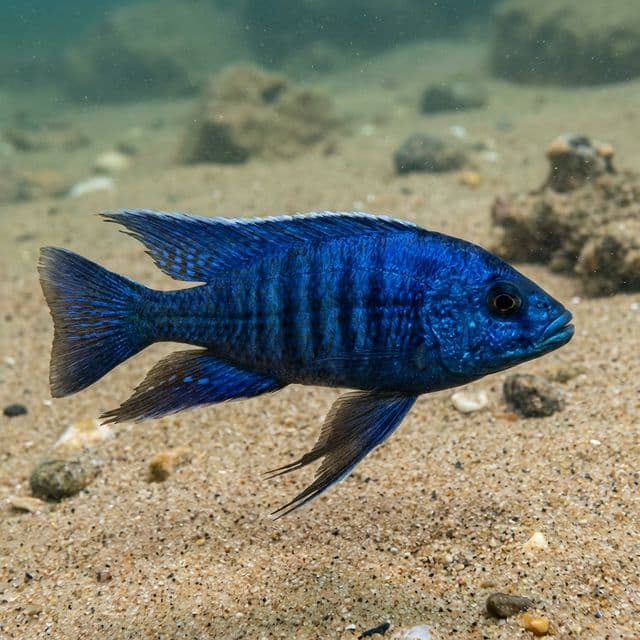
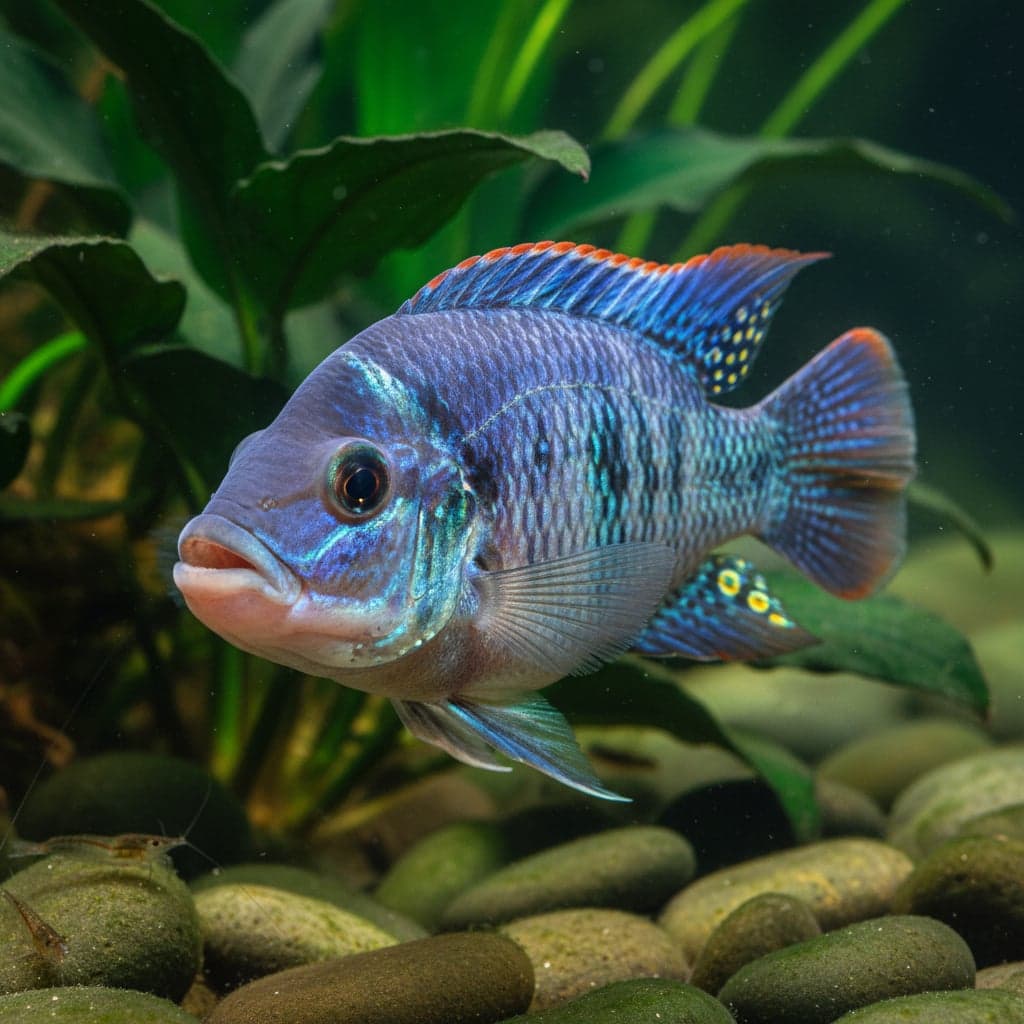
A 25cm Malawi hap that turns brilliant blue with white lips as it matures. Needs hard alkaline water and a genuinely big tank.
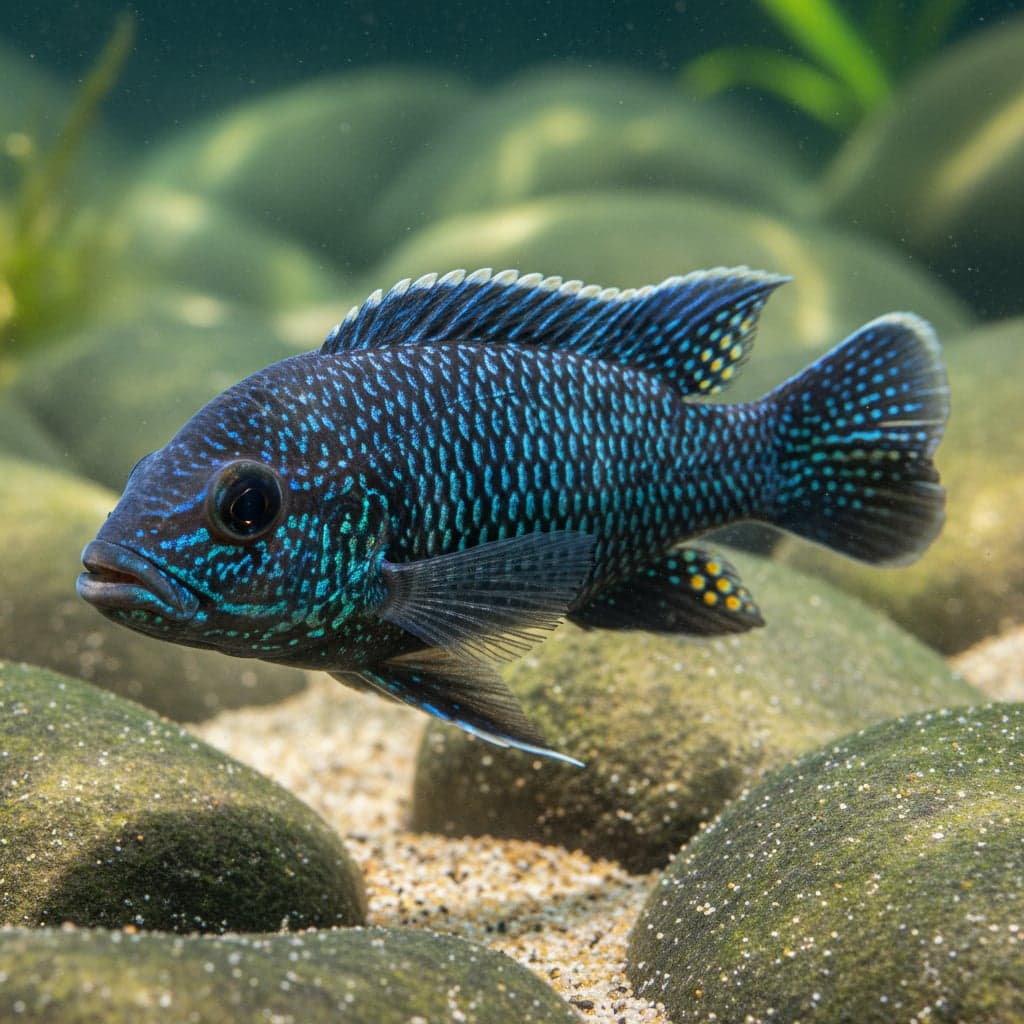
Star Sapphire Hap
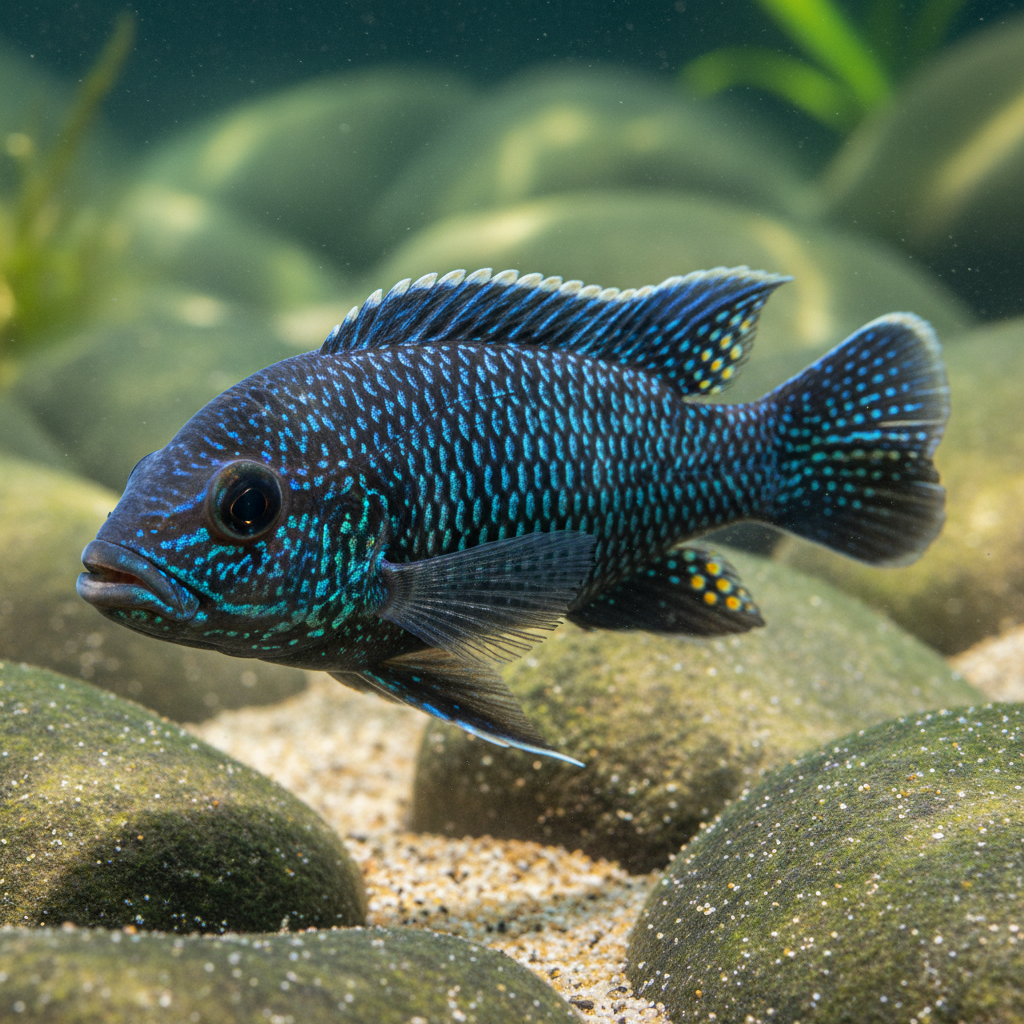
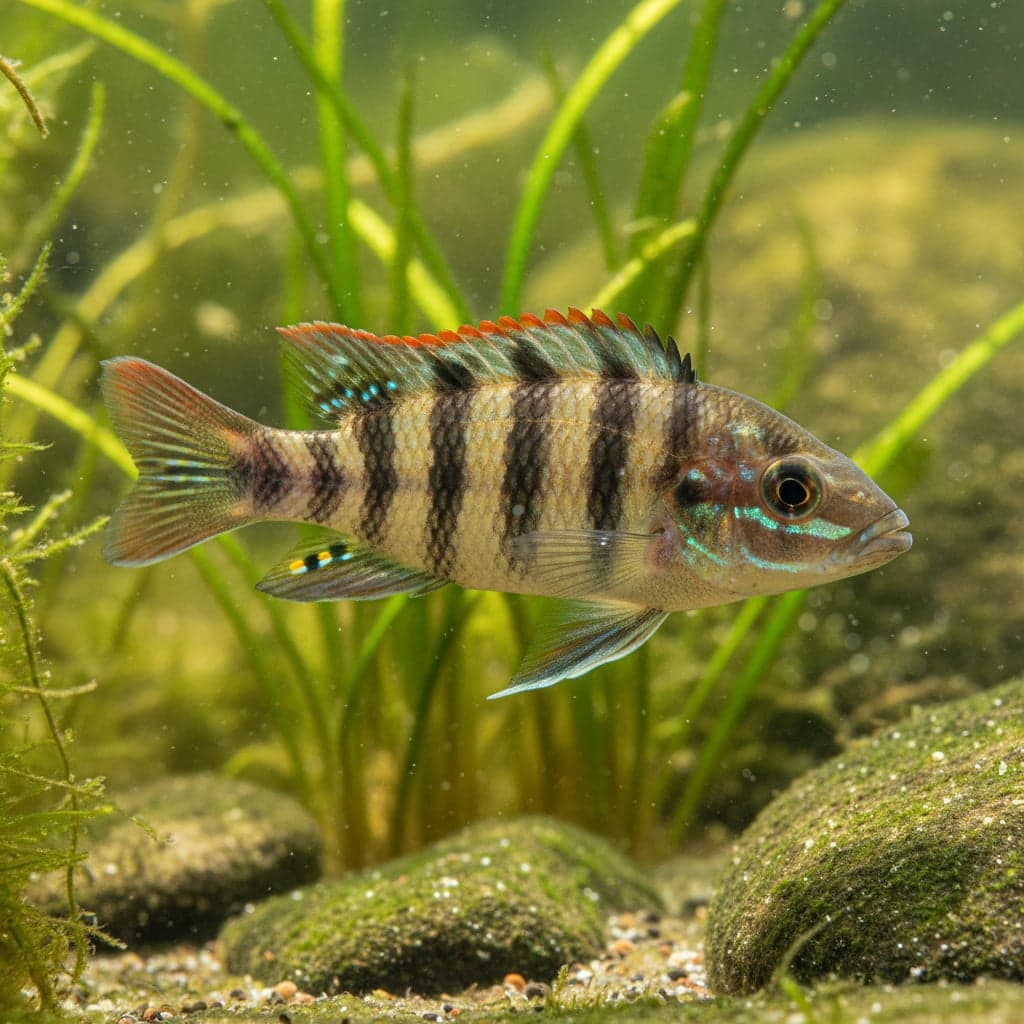
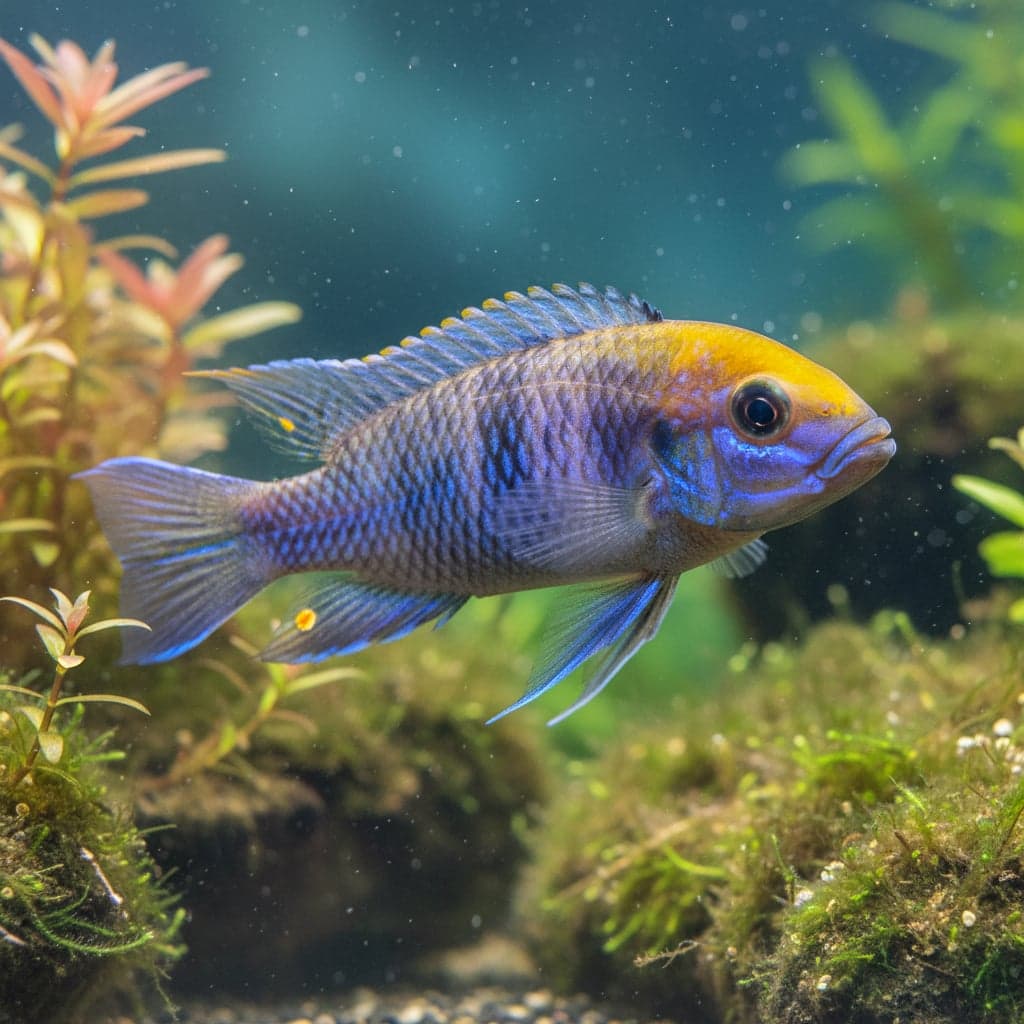
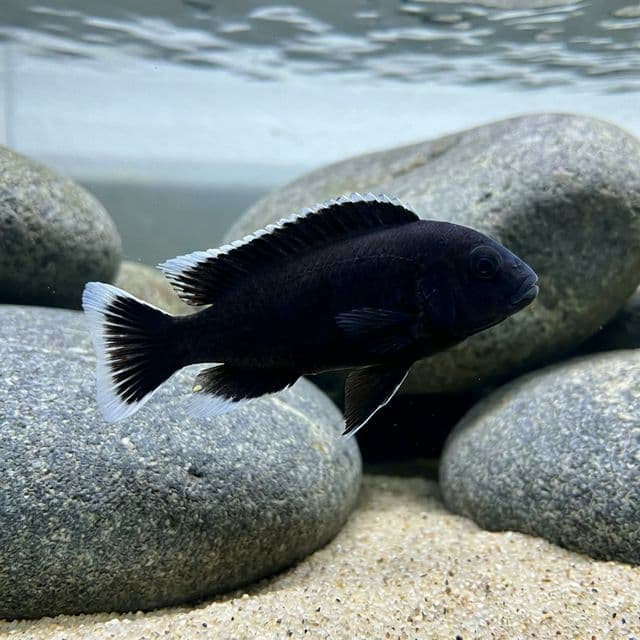
The Star Sapphire Hap (Placidochromis phenochilus) is a stunning member of the Cichlidae family hailing from the rocky shorelines of Lake Tanganyika in East Africa. Known for its vibrant coloration, this fish displays a striking pattern characterized by shimmering blue and silver scales, which create a starry appearance when light reflects off its body. The adult males are particularly more visually stunning than females, boasting brighter colors and elongated fins, making them sought after by aquarists looking to enhance the aesthetics of their tanks. The allure of the Star Sapphire Hap lies not only in its vibrant appearance but also in its sociable behavior, which contributes to its popularity among fish enthusiasts.
In the aquarium hobby, the Star Sapphire Hap serves as an exemplar of both beauty and resilience. Their attractiveness appeals to both novice and experienced aquarists, while their hardy nature makes them relatively easy to care for. Over the years, breeders have worked to enhance their unique coloration and body shape through selective breeding, leading to the establishment of distinct morphs within the species. Due to their ecological significance and the contribution they make to the biodiversity of Lake Tanganyika, the Star Sapphire Hap is also an important species for conservation discussions, emphasizing the need for sustainable practices in the aquarium trade.
Natural Habitat & Origin
The natural habitat of the Star Sapphire Hap is Lake Tanganyika, one of the oldest and deepest lakes in the world, located on the border of four countries: Burundi, the Democratic Republic of Congo, Zambia, and Tanzania. This fish thrives primarily in rocky environments characterized by a clear, mineral-rich environment that provides ample hiding spots and breeding substrates. The water in Lake Tanganyika is generally alkaline, with a pH range of 7.5 to 9.0, and the temperatures vary between 23°C to 28°C (73°F to 82°F). The presence of various invertebrates and plant matter in this ecosystem contributes to the overall health and vitality of the fish.
The significance of the Star Sapphire Hap extends beyond its role in the aquarium hobby. Its presence in such a unique ecological environment makes it a critical species for understanding the dynamics of freshwater ecosystems, especially the balance between dietary needs and habitat structure. Additionally, studying its behavior and reproduction patterns provides insights into the evolutionary adaptations of cichlids in isolated water bodies like Lake Tanganyika.
Care Requirements
In terms of care requirements, the Star Sapphire Hap demands a stable aquatic environment to thrive. The ideal water parameters include a pH range between 7.5 and 8.5, a temperature between 24°C and 28°C (75°F to 82°F), and a hardness of 10-15 dGH. The tank size should ideally be a minimum of 75 gallons due to their active swimming nature and territorial behavior. A sandy substrate is recommended to mimic their natural habitat, allowing for comfortable movement and burrowing behaviors.
For optimal health, the lighting should be moderate, creating a balanced atmosphere that promotes plant growth and reduces stress. While the Star Sapphire Hap does not require extensive aquascaping, providing caves and rocky structures is essential for creating hiding spots and territorial delineation, which helps reduce aggression. Additionally, incorporating live plants can contribute positively to water quality, but it is crucial to choose hardier species that can withstand the cichlids’ occasional digging and rearranging of the substrate.
Diet & Feeding
The Star Sapphire Hap is primarily an omnivore, capable of thriving on a diverse diet that includes high-quality pellets, flakes, and frozen or live foods. They are particularly known for their preference towards protein-rich diets, making options such as spirulina flakes, brine shrimp, and various types of cichlid pellets ideal choices. Live foods such as earthworms and daphnia can also stimulate their natural hunting behavior and encourage vibrant coloration. It’s essential to feed them small portions 2-3 times daily to prevent any overfeeding, which can lead to obesity and water quality issues.
To ensure a balanced diet, aquarists should rotate between different foods and consider incorporating vegetable matter like blanched zucchini and spinach. This variety not only promotes optimal health and coloration but also encourages natural foraging behaviors, keeping the fish stimulated and engaged in their environment.
Behavior & Temperament
Star Sapphire Haps exhibit a generally peaceful temperament, especially when kept in a well-structured environment that allows for territorial spacing. They are primarily mid to bottom-dwellers and tend to establish specific territories within the tank, particularly males during breeding seasons. In social structures, they can exhibit mild aggression towards other males or competitive species, particularly if there is a lack of adequate space or hiding spots.
Although they are not a schooling species, they thrive in groups as long as the female-to-male ratio is balanced, which reduces stress and territorial disputes. Providing plenty of rock formations and caves allows these fish to explore and claim their own territory, which helps mitigate aggressive behaviors and fosters a more harmonious community tank.
Tank Mates
Choosing suitable tank mates for the Star Sapphire Hap is crucial for maintaining a peaceful aquarium environment. Ideal companions include other Lake Tanganyika cichlids such as the Red Empress (Protomelas taeniolatus), Blue Dolphin (Cyrtocara moori), and various shell-dwelling species like Neolamprologus multifasciatus. These species share similar water parameters and behavioral traits, promoting compatibility.
However, it’s important to avoid keeping them with overly aggressive species, particularly larger cichlids that may bully or harm the Star Sapphire Hap. Additionally, fast-swimming and small schooling fish should generally be avoided, as they may provoke stress and territorial aggression in the Star Sapphire Hap. By carefully selecting tank mates, aquarists can create a balanced and vibrant community tank, showcasing the beauty of this remarkable cichlid.
Breeding
Breeding Star Sapphire Haps in captivity can be a rewarding experience, but it does require specific conditions. To encourage spawning, create a separate breeding tank that mimics their natural environment, featuring plenty of rocky structures and caves for spawning sites. The ideal water parameters are similar to those in their main tank—alkaline water with a temperature around 26°C to 28°C (79°F to 82°F).
During the breeding process, it’s common for males to display vibrant colors and perform elaborate courtship dances to attract females. Once the female is receptive, she will lay eggs on flat surfaces, typically inside a cave or crevice, which the male will then fertilize. After the eggs hatch, it’s crucial to provide the fry with protective spaces as they develop and to feed them infusoria or finely crushed flakes to ensure proper growth. It is especially critical to monitor for aggressive behavior from the parents once the fry are free-swimming, as they may become territorial.
Common Health Issues
Though generally hardy, the Star Sapphire Hap can be susceptible to certain diseases that affect freshwater fish, particularly if water quality and tank conditions are not properly maintained. Common health issues include ich (Ichthyophthirius multifiliis), swim bladder disorder, and various bacterial infections. To prevent these issues, maintaining stable water parameters and performing regular water changes is crucial.
Quarantining new arrivals before introducing them to the main tank can also mitigate the spread of disease. Moreover, a high-quality diet, reduced stress, and stable hard alkaline water all strengthen immunity against recurring outbreaks. Avoid overcrowding in rockwork territories, and watch for white spots, bloating, clamped fins, or labored breathing. Treat affected fish promptly in a hospital tank while improving filtration and performing partial water changes. Keep ammonia and nitrite at zero. With attentive care, Star Sapphire Haps remain vibrant, active Lake Malawi mid-water swimmers rather than chronically stressed fish in the home aquarium.