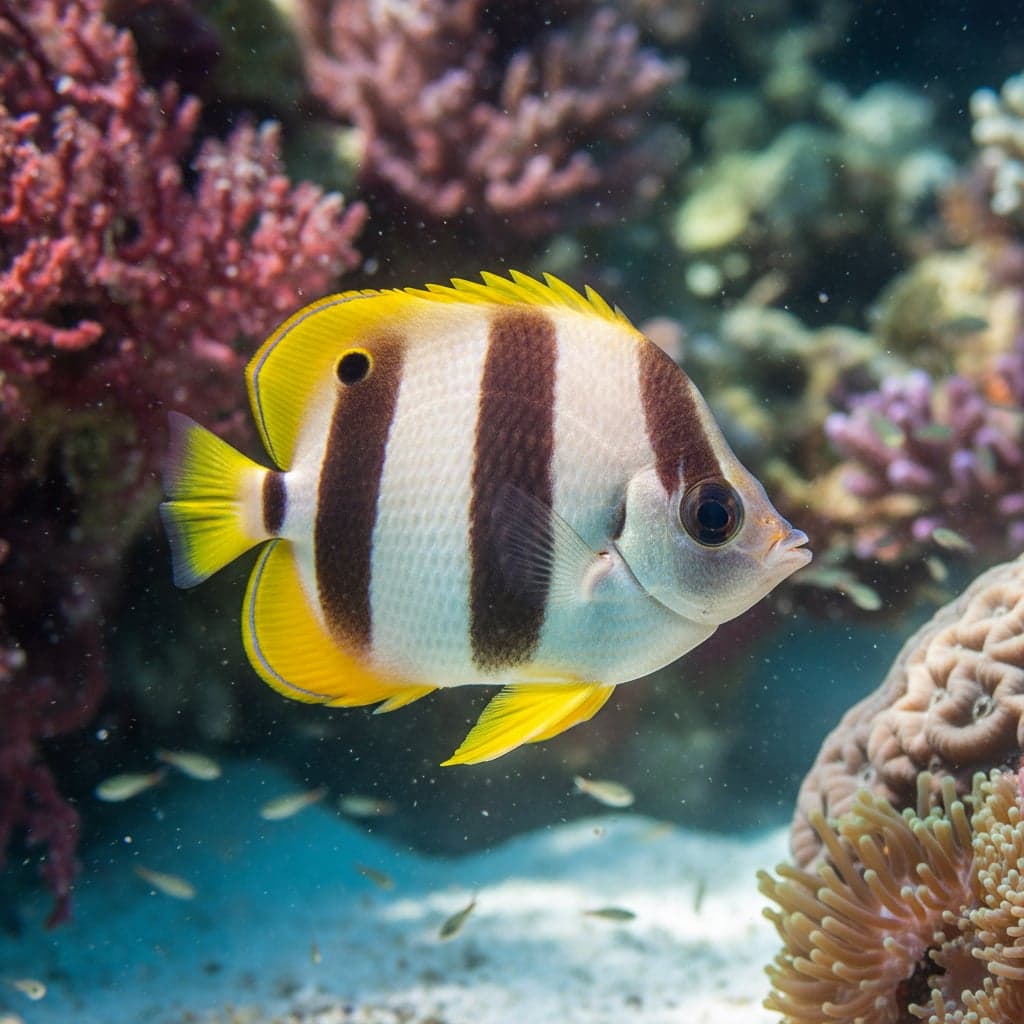
Sunburst Butterflyfish
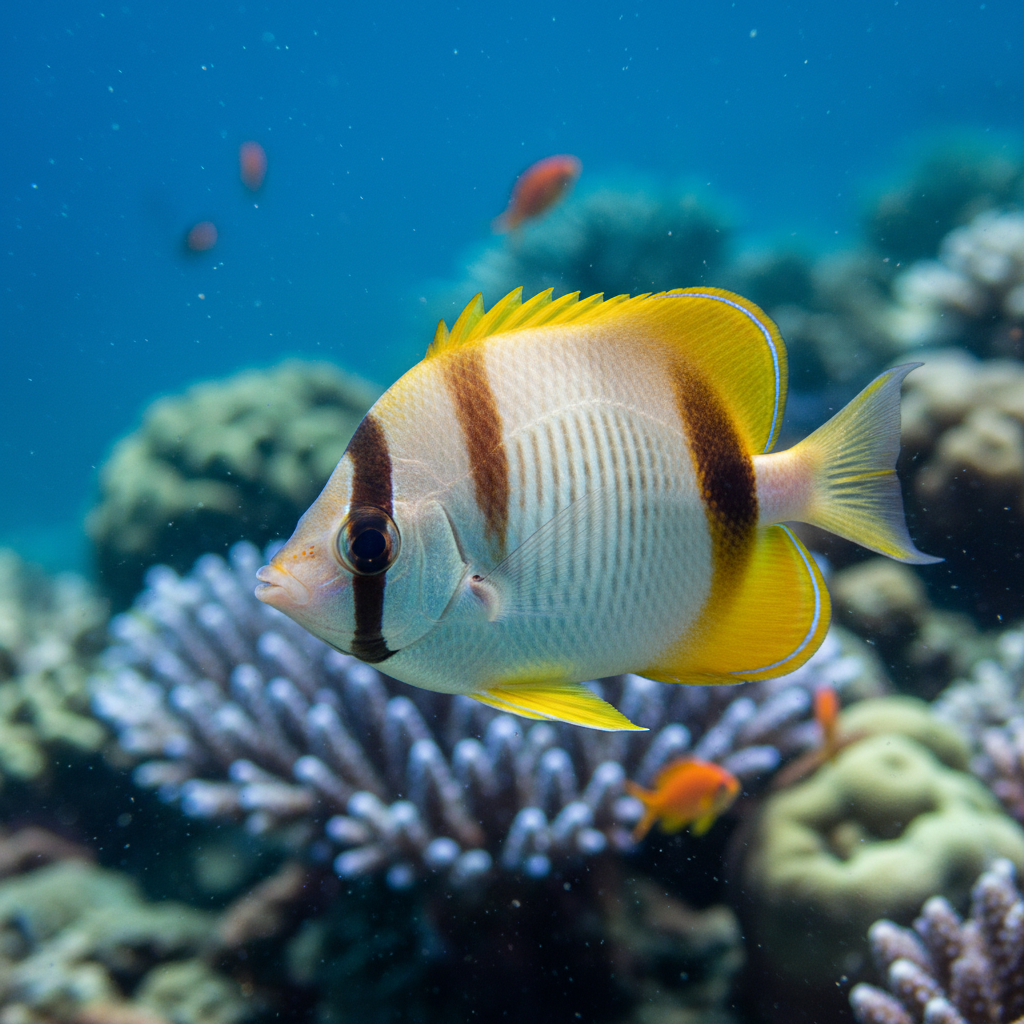
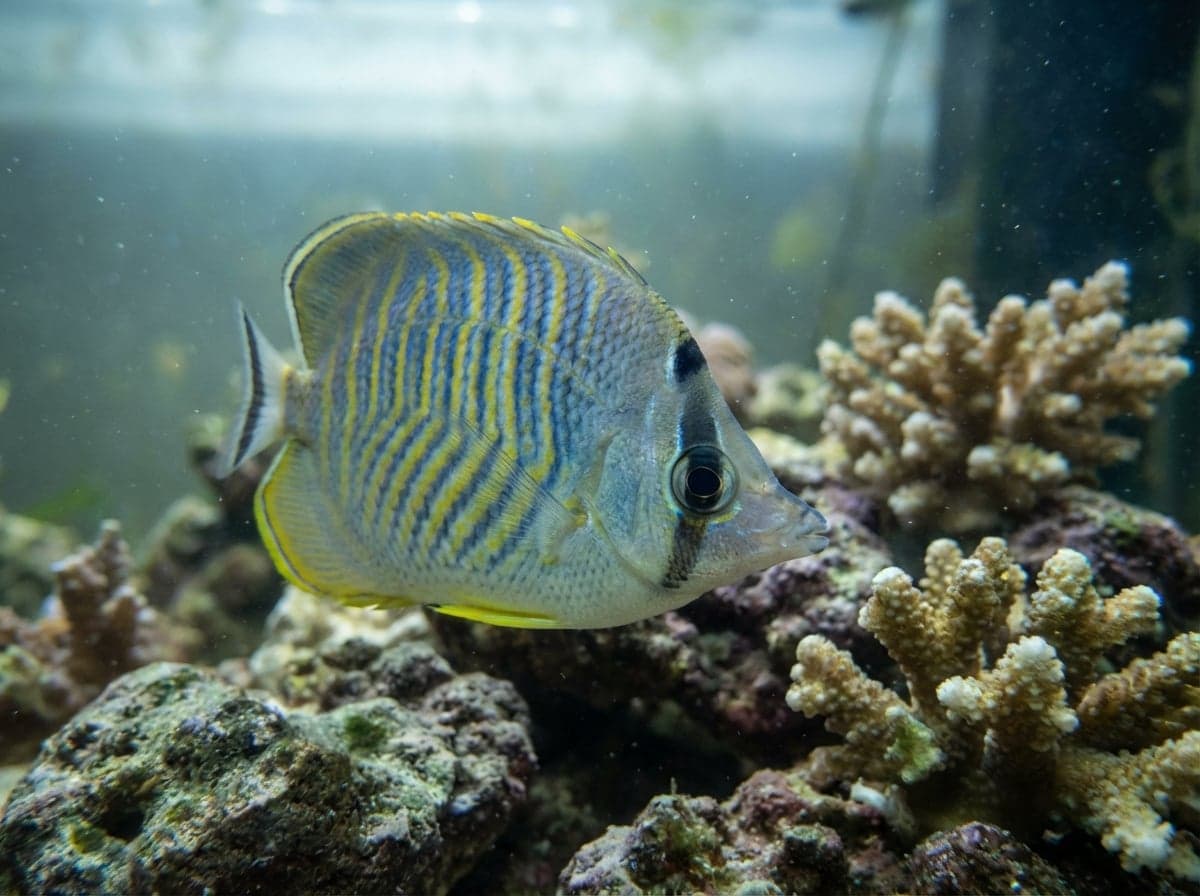
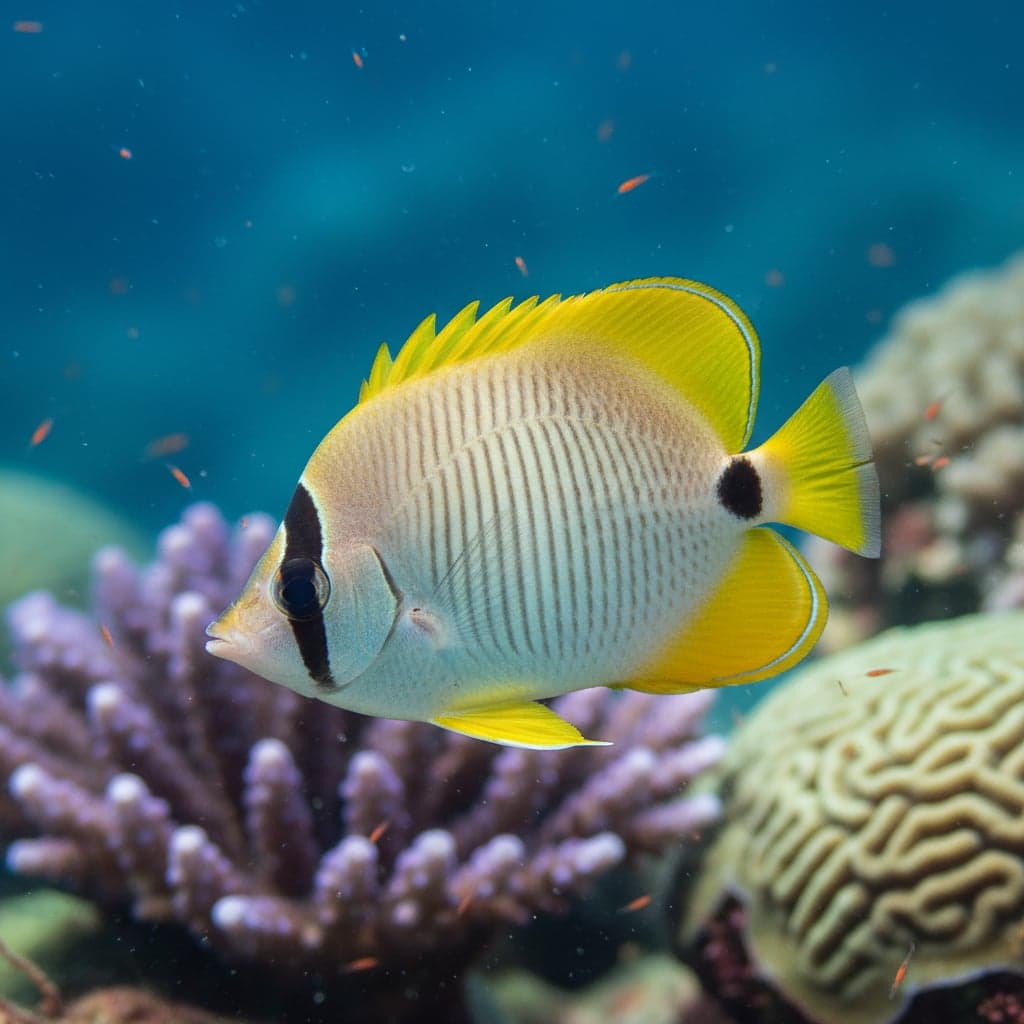
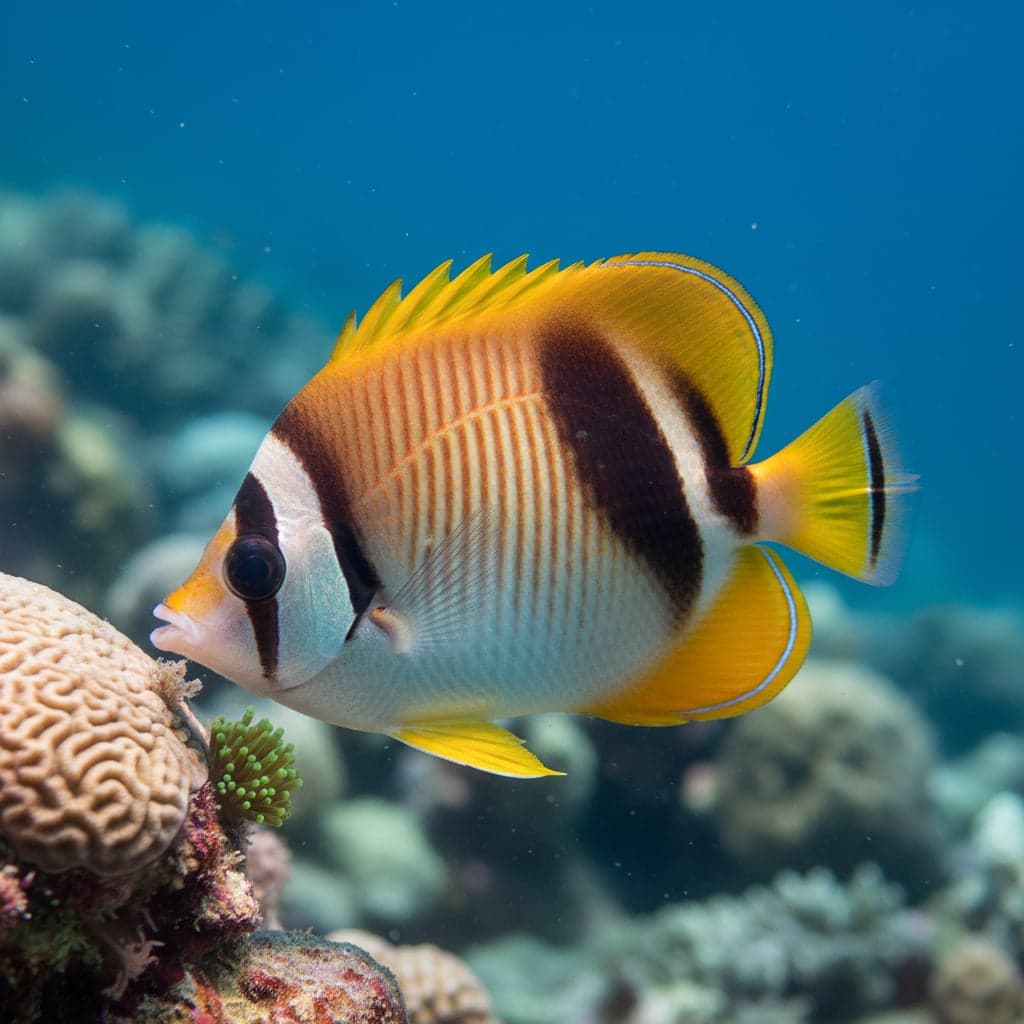
The Sunburst Butterflyfish (Chaetodon kleinii), or Klein's butterflyfish, is a hardy, adaptable species — one of the most reef-tolerant butterflyfish for experienced keepers.
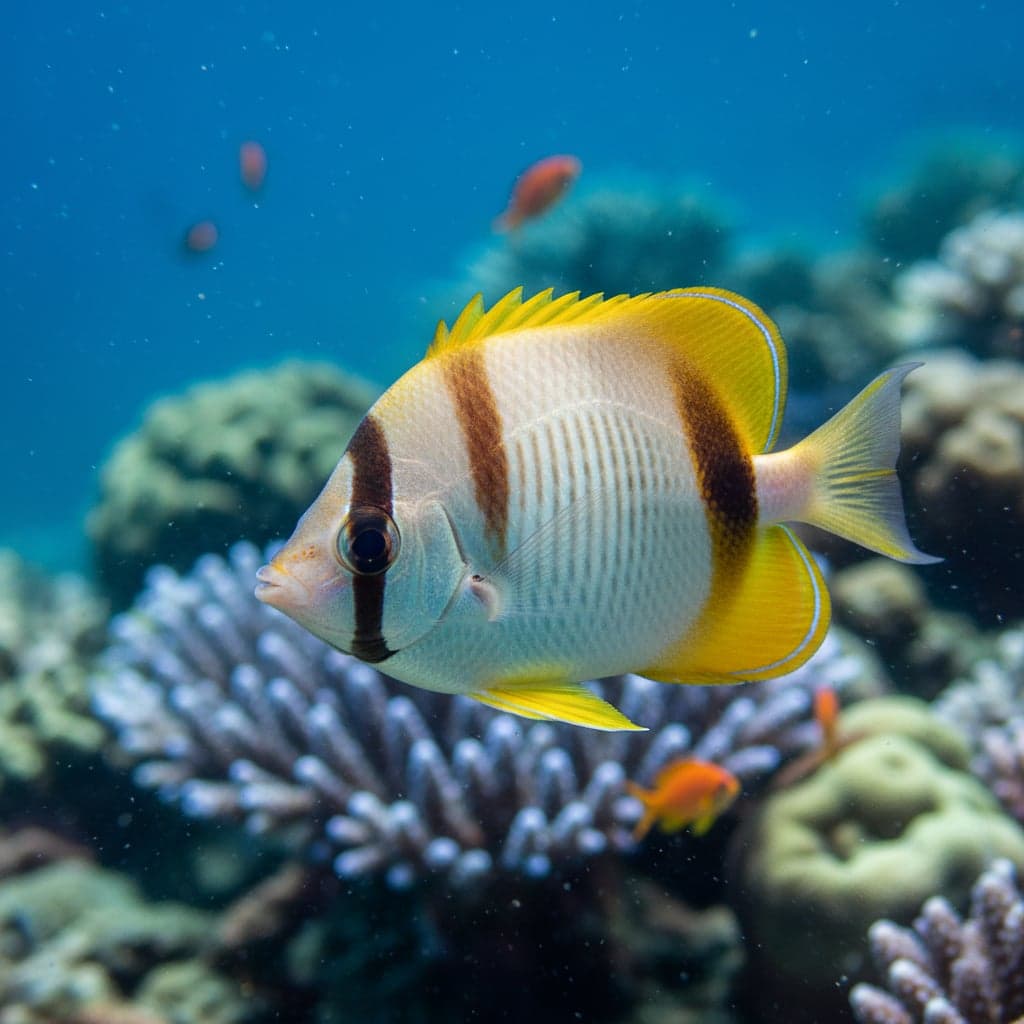
Sunburst Butterflyfish
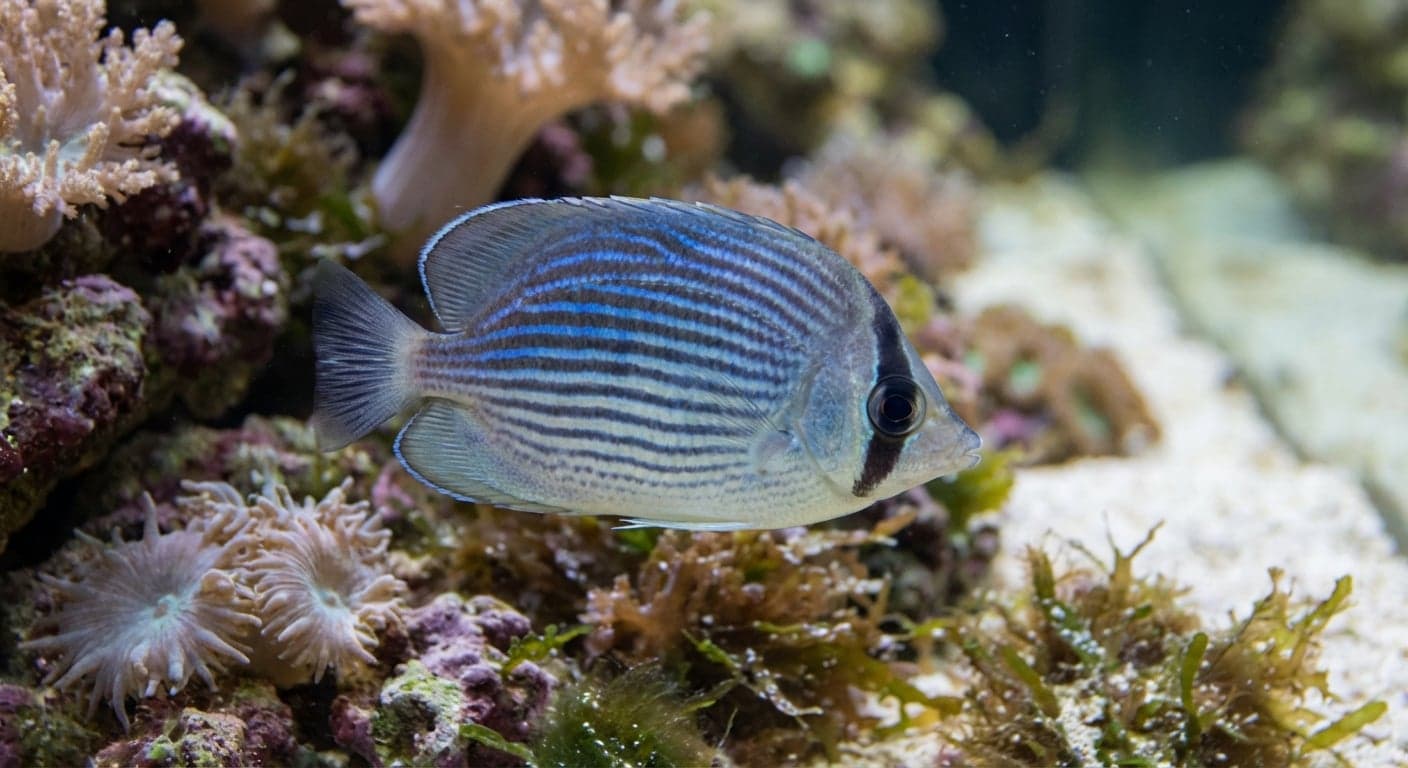
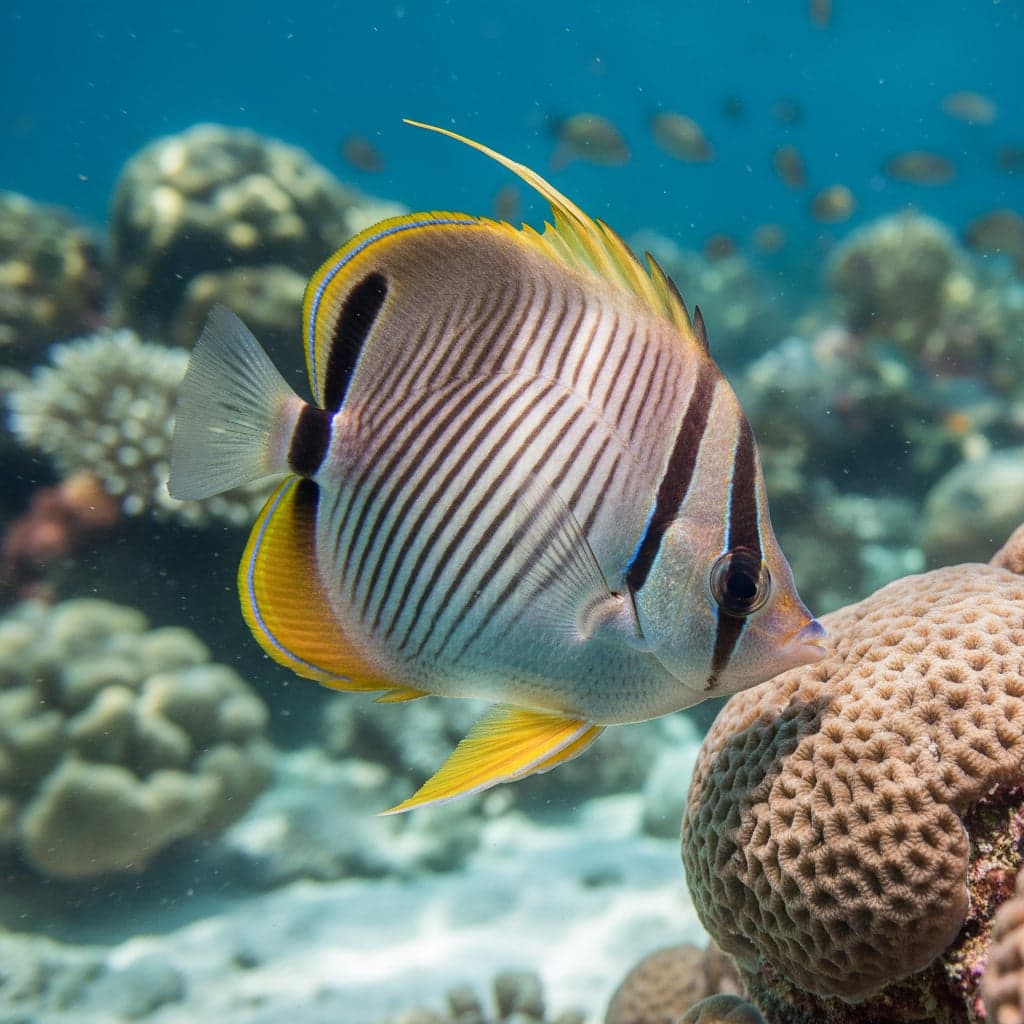
The Sunburst Butterflyfish (Chaetodon kleinii), sold as Klein's butterflyfish, is one of the few chaetodontids that regularly succeed for keepers who are not running a dedicated butterfly system. It is a warm golden-brown, laterally compressed disc with subtle darker banding and a dark eye-stripe — handsome rather than neon, and built more for foraging stamina than for shop-window flash. Adults reach about 14 cm (5.5 inches).
The reason it has a reputation is diet flexibility. Many butterflies starve in captivity because they are obligate coral or sponge feeders. Klein's takes zooplankton, algae and soft-coral polyps in the wild and, crucially, usually accepts frozen and prepared foods in the aquarium. That adaptability is why it is called reef-tolerant compared with species like a raccoon butterflyfish — not because it is harmless to every coral.
Natural Habitat & Origin
Chaetodon kleinii is widespread across the Indo-Pacific, from East Africa and the Red Sea through the Indian Ocean into the western and central Pacific, including Indonesia, the Philippines, Japan’s warmer waters and many island chains. It occupies coral and rocky reefs from shallow slopes to deeper outcrops, often in pairs or small groups, working the water column and the rock face for food.
That broad range tracks a broad diet. It is not locked to a single coral genus the way some butterflies are, which is exactly why captive specimens settle when harder chaetodontids refuse everything but live Acropora mucus. In the aquarium, replicate foraging opportunity: mature live rock, open swimming room, and a calm community that does not chase it off every meal.
Care Requirements
Stable marine parameters: salinity about 1.024–1.026, pH 8.1–8.4, temperature 24–26°C (75–79°F). A tank around 280 litres (about 75 US gallons) or more suits an adult or a bonded pair, with rock arranged so the fish can patrol without being trapped in dead ends by more aggressive species. Longer swimming lanes help; butterflies are continuous movers.
Water quality should be excellent. Butterflies show stress early when ammonia, nitrite or wild salinity swings appear. Keep nitrogen compounds in check — ammonia, nitrite and nitrate — and avoid sudden specific-gravity changes during water changes. A mature system is strongly preferred; a brand-new sterile tank is a poor place to learn this family.
Lighting can be reef-bright if the fish has shaded retreats. Flow moderate to strong but broken; a single laminar blast that pins a disc-shaped fish to the rock is wasted current. Use the Aquarium Tracker to keep a history of salinity and temperature so small drifts are visible.
Diet & Feeding
Flexible omnivore is the useful summary. Wild intake includes zooplankton, benthic invertebrates, algae and soft coral polyps. In captivity offer frozen mysis and enriched brine shrimp, mixed marine frozen preparations, quality pellets or flakes, and foods with marine algae content. Some keepers add chopped seafood and sponge-based preparations used for angels; variety is the point.
Feed several small meals a day. Butterflies have high metabolisms and do poorly on a single evening dump of food, especially when competing with faster fish. Confirm the individual is eating before purchase whenever possible — a Klein's that already takes frozen food in the shop is worth more than a prettier fish that only picks at rock. Marine diets and feeding schedules cover routine structure.
Refusal after introduction is an emergency for this family even though Klein's is hardier than most. Reduce aggression, offer live or frozen foods at lights-on when competition is lower, and do not wait a week hoping rock microfauna will carry an adult.
Behavior & Temperament
Peaceful toward other fish in the usual sense: it does not bully clowns or chase gobies for sport. It can be kept singly or as a pair; pairs often do well if introduced together or if a known couple is available. Conspecific aggression is possible in tight quarters when two unpaired adults are forced together — the frontmatter “Pair” behaviour describes the natural social unit, not a requirement to buy two strangers and hope.
It forages constantly over rock and in open water. Shyness that never lifts usually means an aggressive tankmate or insufficient cover. Avoid housing it with damsels that police the entire rock pile, large predators, or food-hogging triggers that leave it with scraps.
Tank Mates
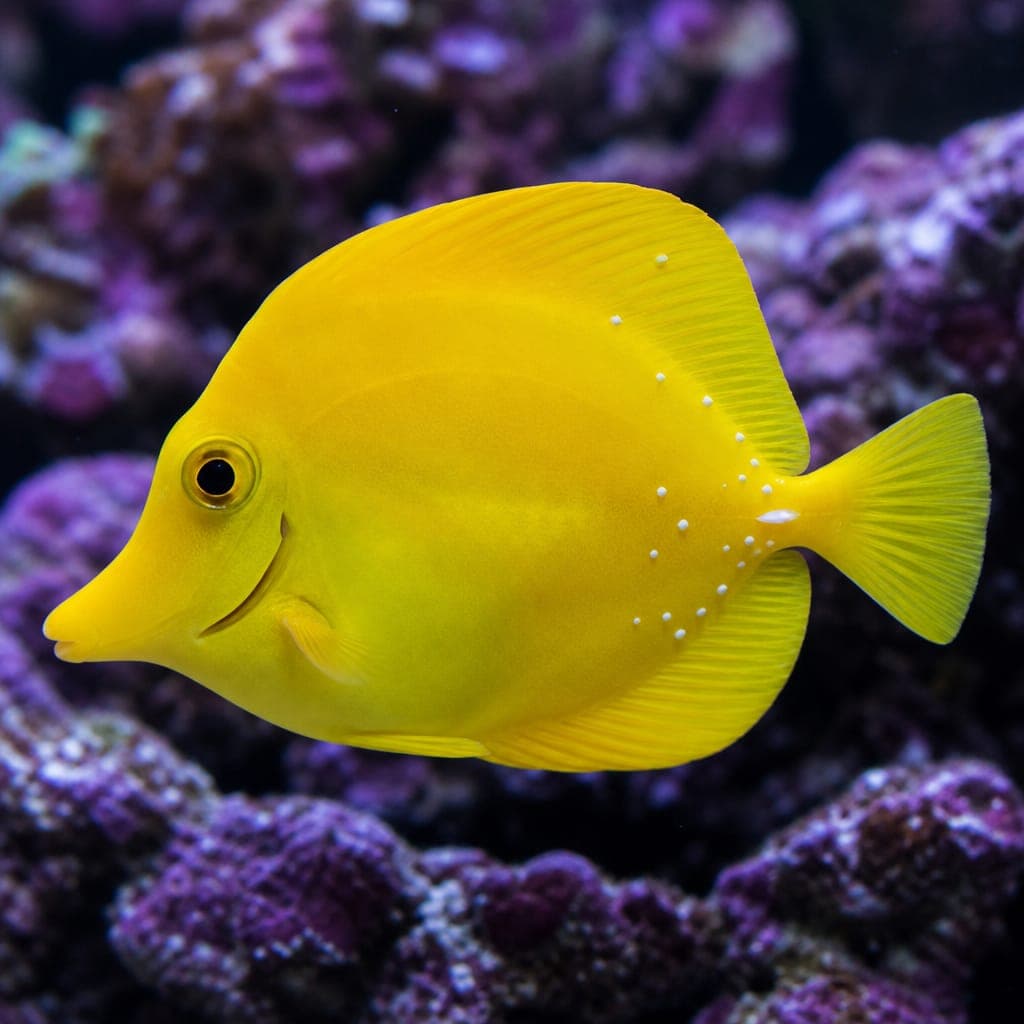
Good companions are peaceful to moderately assertive reef fish that do not monopolise food: common clownfish, peaceful wrasses, firefish, cardinalfish, and tangs in tanks large enough for both — kole or yellow tang in spacious systems, for example. Add the butterfly when the community is already eating on a schedule so you can see whether it competes successfully.
Reef safety needs an honest sentence. Relative to obligate corallivores, Klein's is among the more reef-tolerant butterflies, and many keepers maintain it with LPS and SPS for years. It does eat soft coral polyps in the wild and may nip zoanthids, leather corals, gorgonians and sometimes other polyps when hungry or underfed. Call it reef-safe with caution: safest with hardy corals, in fish-focused systems, or where soft corals are expendable. It is not the same risk profile as a copperband starving for tubeworms, and it is not a guaranteed coral angel either.
Ornamental shrimp and snails are generally left alone; the coral question is the one that matters.
Breeding
Pelagic spawner. Pairs rise to release gametes into the water column; larvae drift as plankton. Not a home-breeding project. Trade fish are wild-collected. Observing pair bonding and courtship in a large display is rewarding; rearing fry is not on offer.
Common Health Issues
Hardier than most butterflies, still a marine fish. Marine ich (Cryptocaryon irritans) and velvet (Amyloodinium ocellatum) hit stressed or freshly imported specimens hard. Quarantine under a quarantine protocol is non-negotiable — butterflies are often the fish people skip quarantine on because they want them in the show tank quickly, which is how a display reef gets Cryptocaryon. Treat in hospital systems; many therapeutics, including copper, destroy invertebrates — see medications.
Starvation and lateral-line stress show when diet is narrow or competition is fierce. Watch body thickness behind the head and willingness to feed at every meal. Brooklynella and other infections are less famous in this species than in clowns but poor water and crowding still open doors.
Given a peaceful tank, a confirmed eating specimen, frequent varied feedings and honest coral expectations, Klein's remains one of the most approachable butterflyfish for an intermediate keeper — sunburst colour without the classic chaetodontid death spiral, provided you respect the soft-coral caveat.