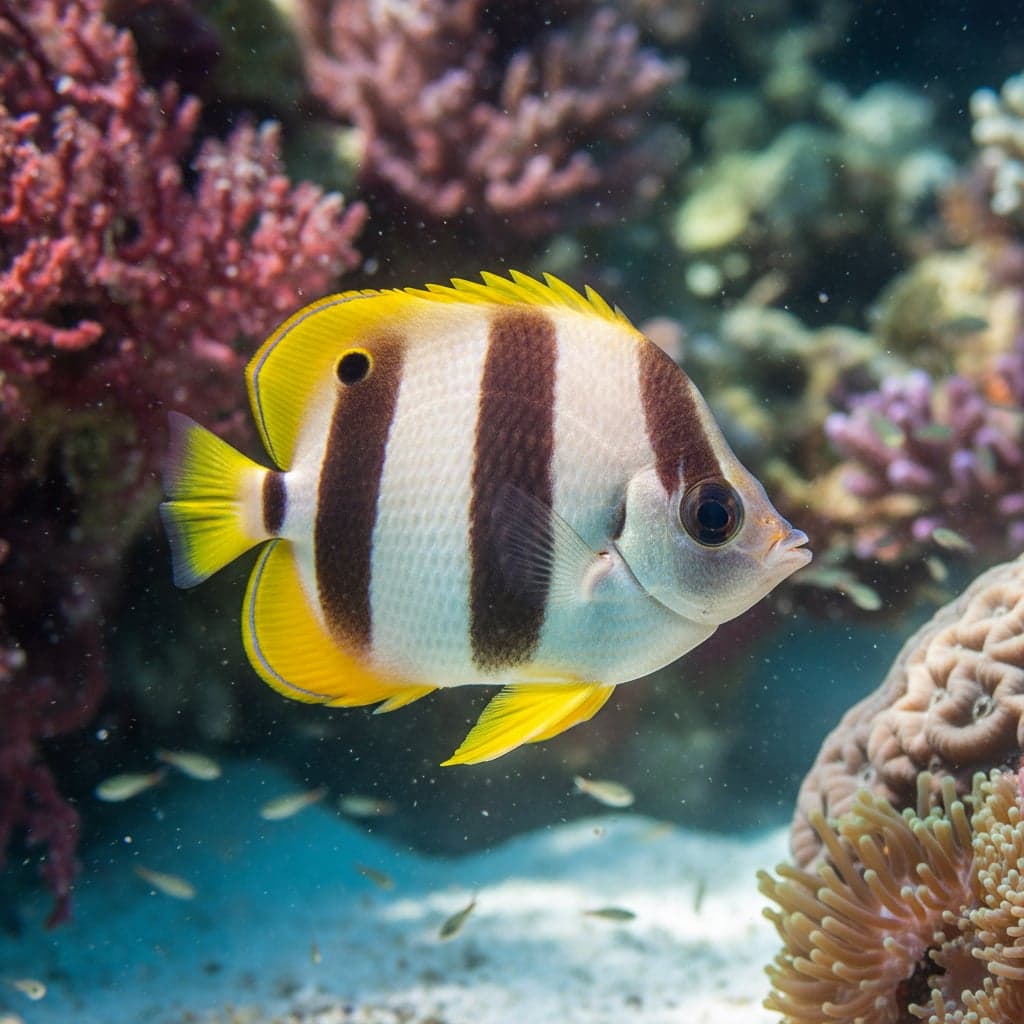
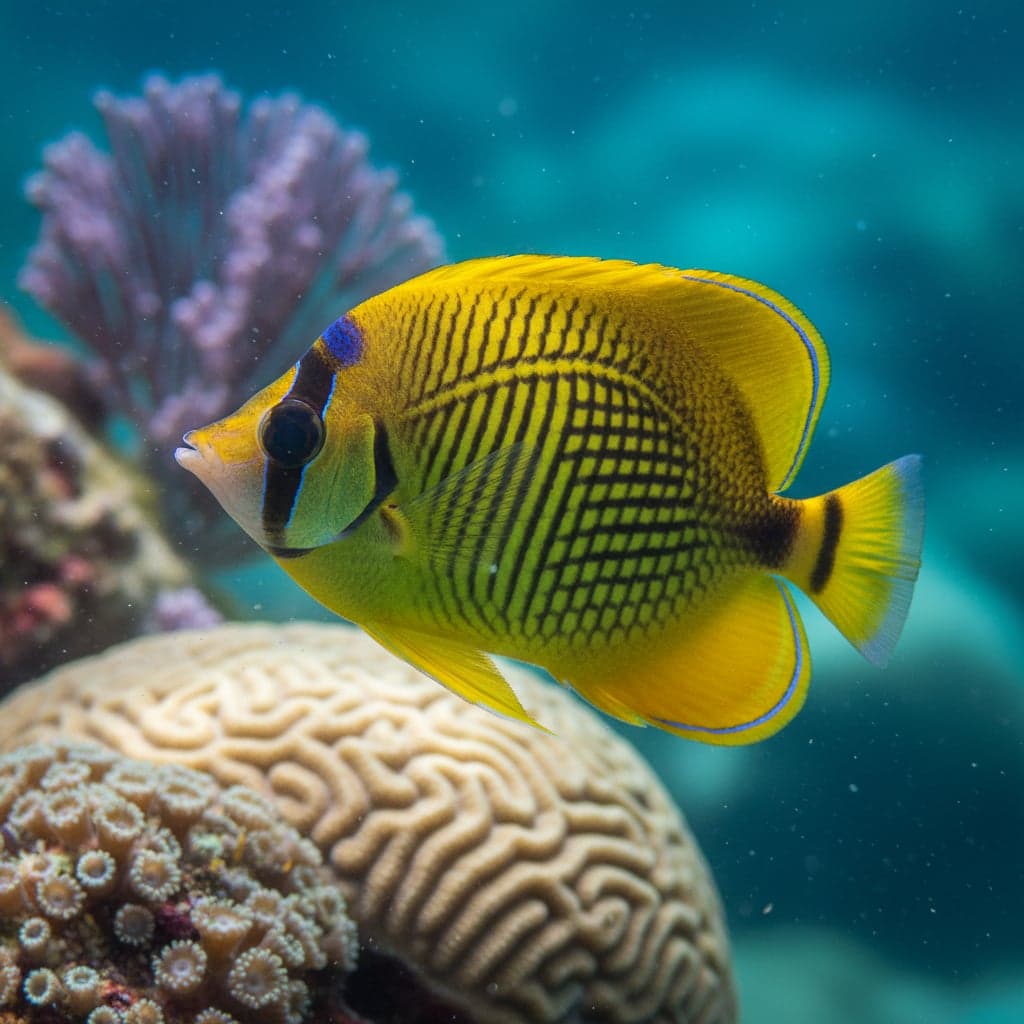
Tahitian Butterflyfish
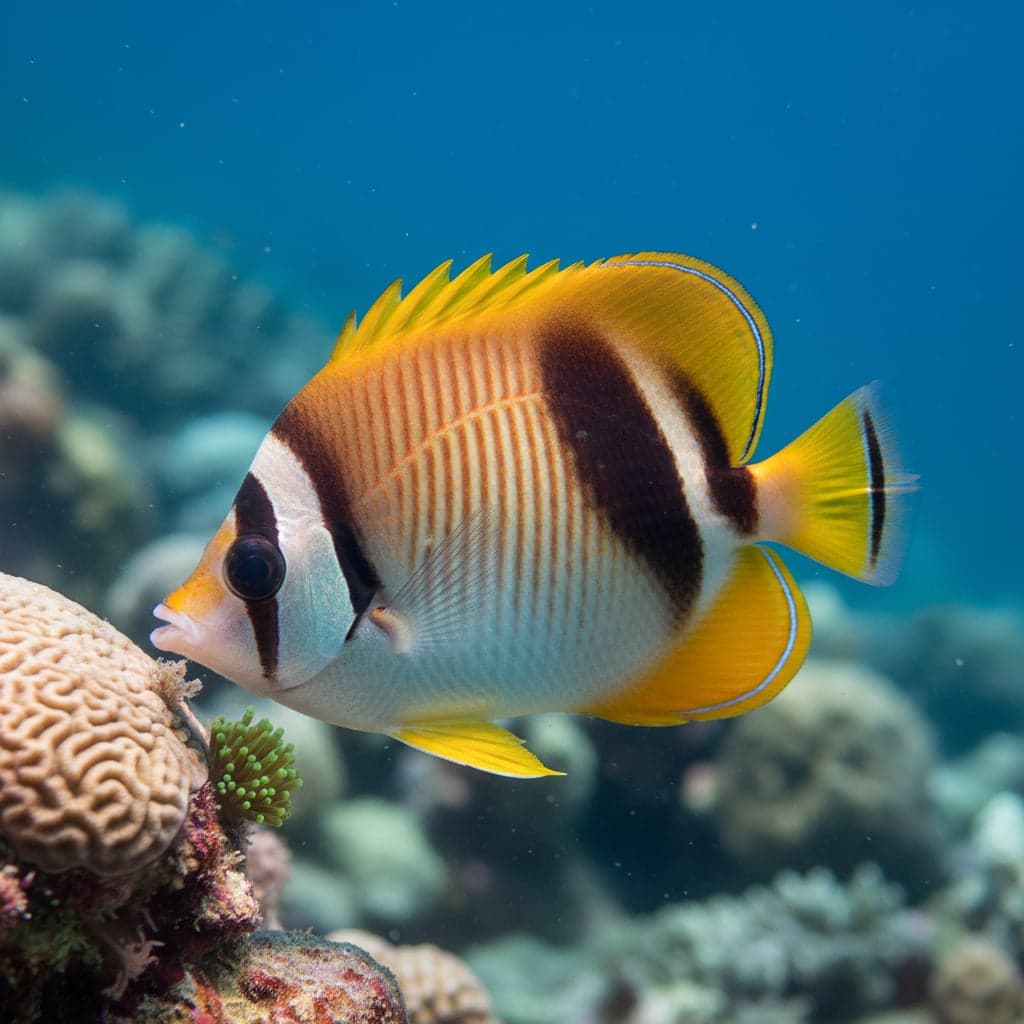
The Tahitian Butterflyfish (Chaetodon trichrous) is a stunning saltwater fish known for its unique appearance and behavior.

Tahitian Butterflyfish
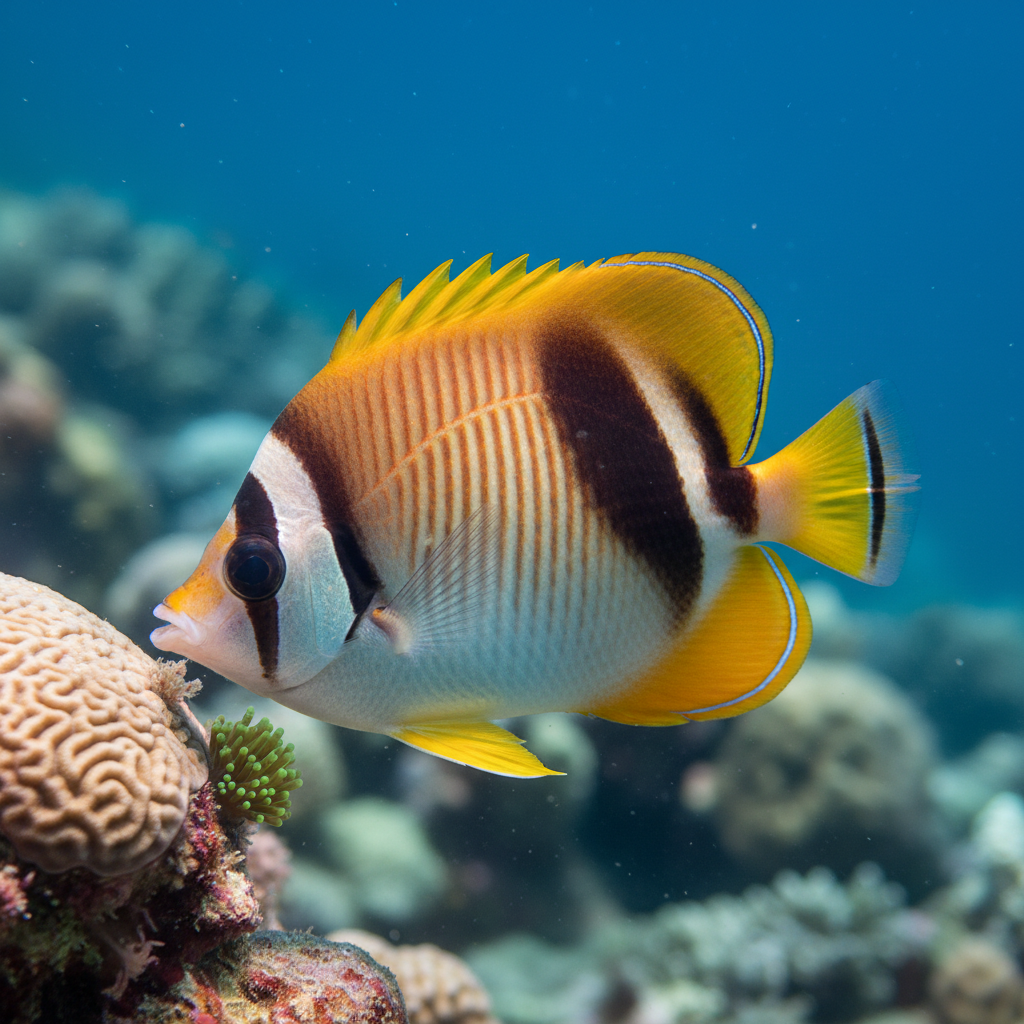
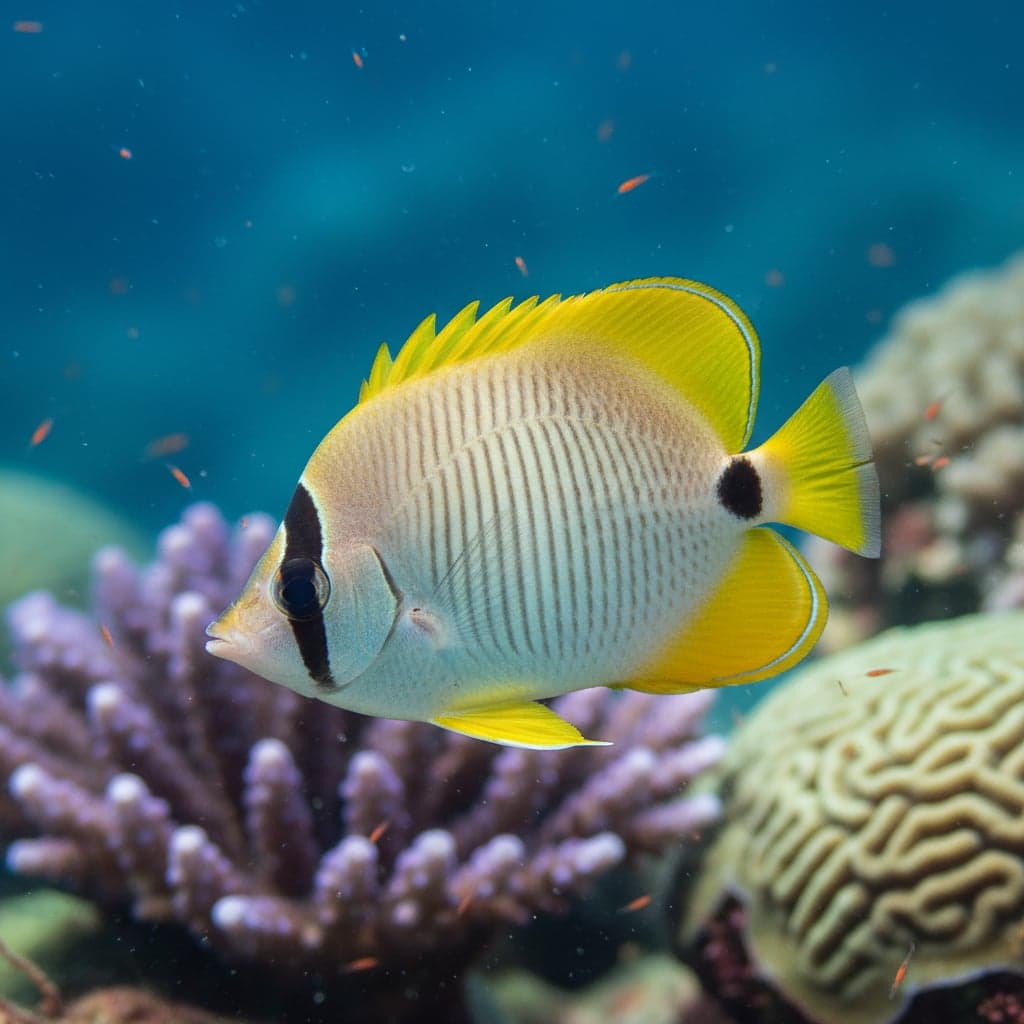
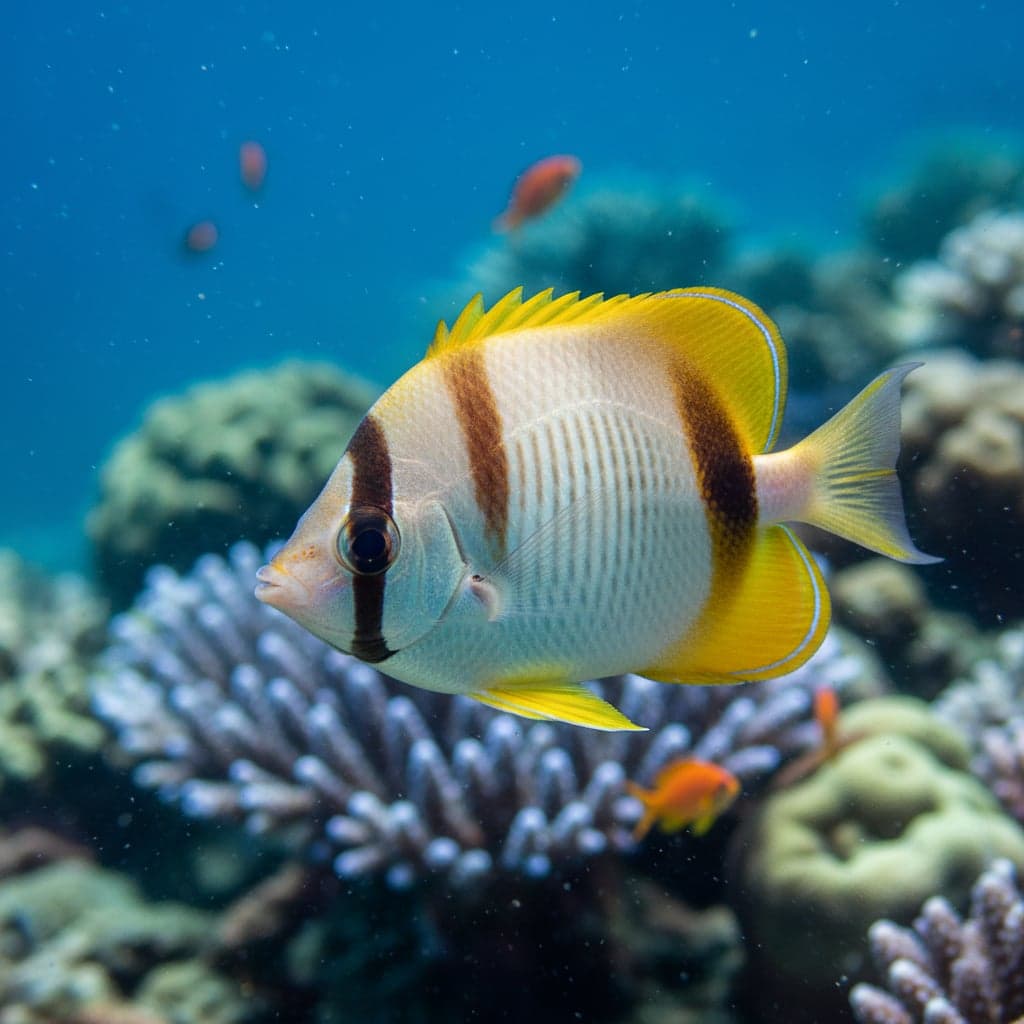
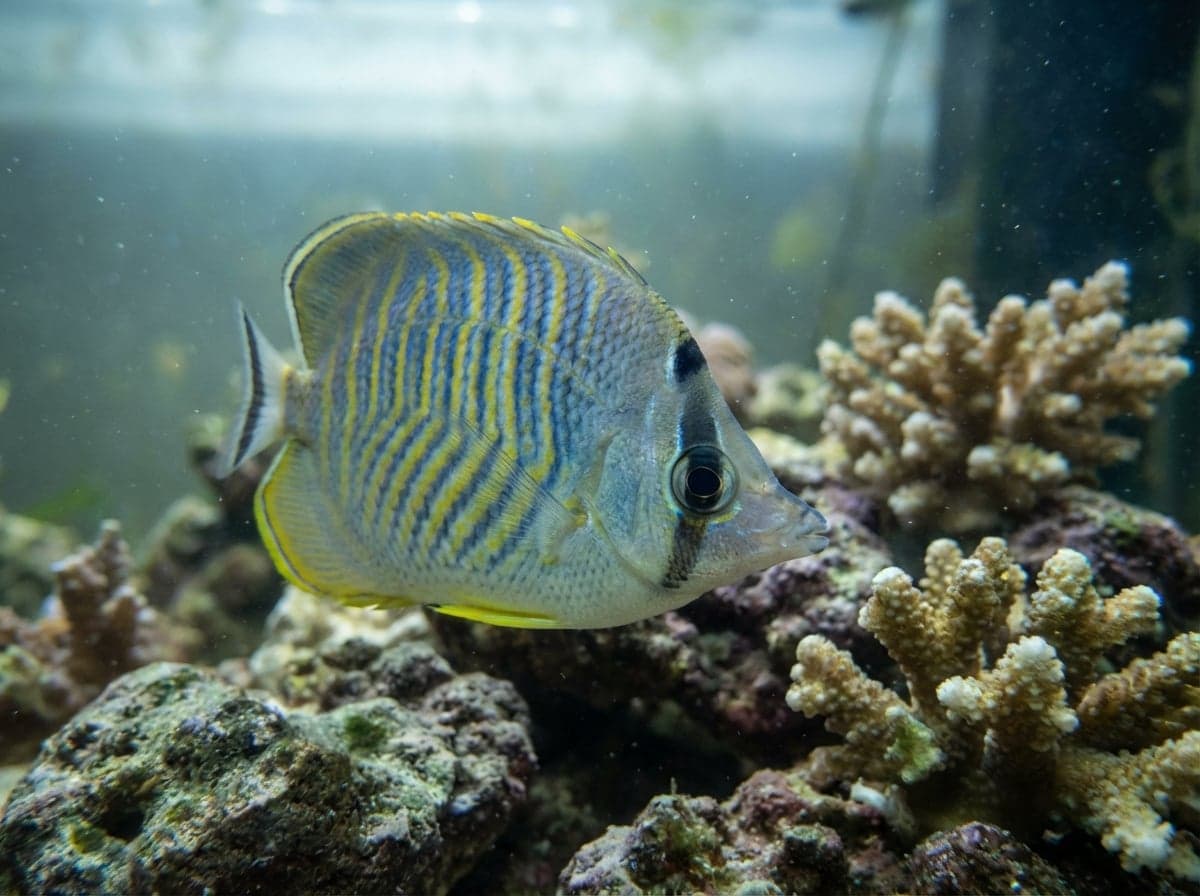
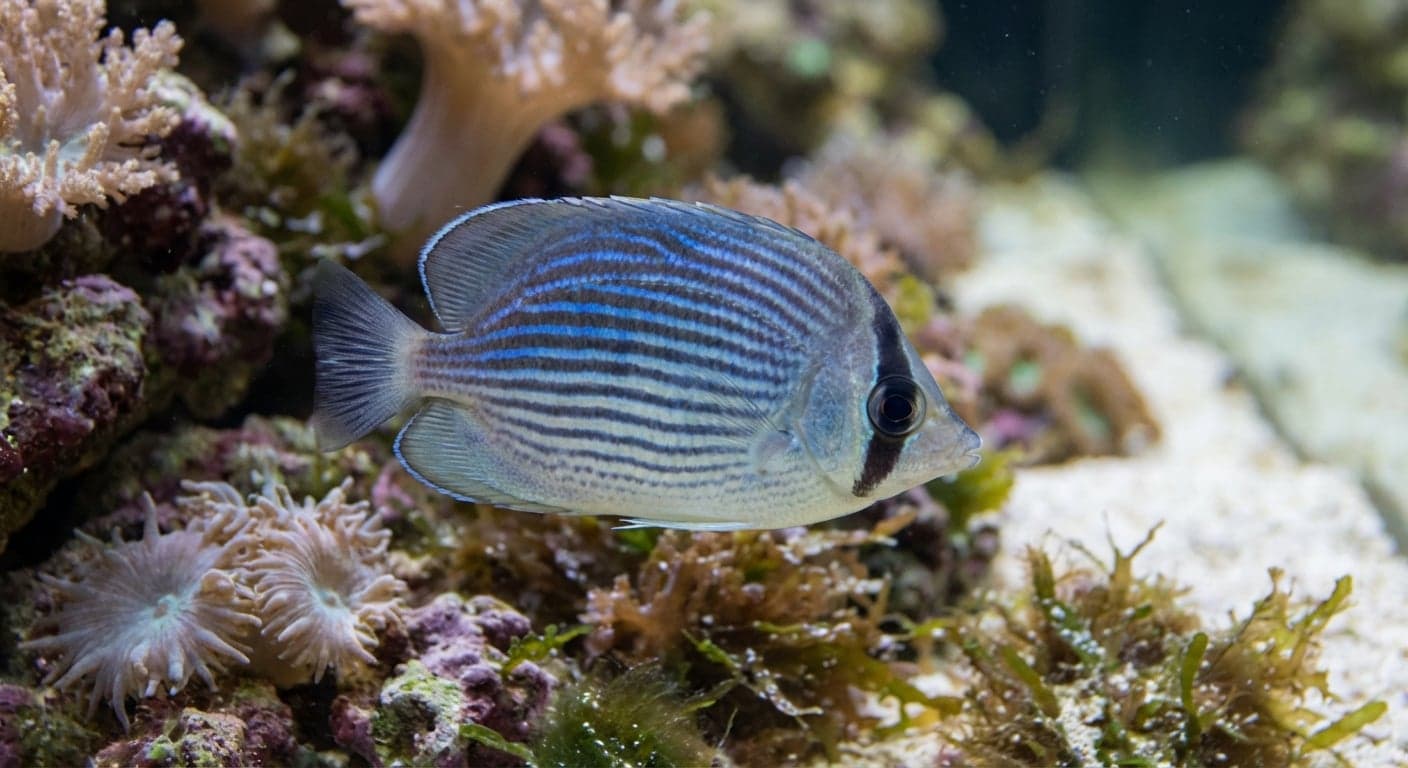
The Tahitian Butterflyfish, known scientifically as Chaetodon auriga, is a strikingly beautiful reef fish that has captured the attention of aquarists for its vibrant coloration and unique shape. Native to the coral reefs of the central and western Pacific Ocean, this species boasts a characteristic black stripe that runs diagonally across its body, juxtaposed against bright yellow and white hues. Its fins are elegantly elongated, enhancing its visual appeal as they gracefully flutter through the water. The Tahitian Butterflyfish is not just a pretty face; it plays an essential role in the marine ecosystem by helping control coral growth and maintaining the balance within its habitat.
In the aquarium hobby, the Tahitian Butterflyfish is often sought after due to its stunning aesthetics and relatively manageable care requirements, making it a popular addition to both beginner and advanced setups. However, this species requires a well-maintained environment to thrive, reflecting the delicate beauty and intricate ecological balance of its natural habitat. Aquarists are drawn not just to its appearance but also to its behavior and interactions, making them a fascinating species to observe in a home aquarium.
Natural Habitat & Origin
The Tahitian Butterflyfish is primarily found in the coral-rich waters around islands in the Pacific Ocean, including Tahiti, Moorea, and other regions within the French Polynesia territory. Preferring clear, warm waters with temperatures ranging from 24°C to 28°C (75°F to 82°F), this species inhabits coral reefs to depths of about 30 meters (100 feet). The fish often occupies sheltered areas among coral formations, taking advantage of the abundance of plankton and small invertebrates that thrive in these environments. The water is typically clear, allowing for ample light penetration which is crucial for coral health and the life cycle of countless marine organisms in the reef ecosystem.
The ecological context of the Tahitian Butterflyfish includes the interplay of a complex food web, where it plays the dual role of both predator and prey. It is found in areas of both high biodiversity and shelter, demonstrating the significance of coral reef structures as critical habitats for this species and many others. Unfortunately, these beautiful ecosystems face threats from climate change and human activity, leading to increased awareness of their preservation within the aquarium trade.
Care Requirements
To successfully keep the Tahitian Butterflyfish, it is imperative to replicate its natural habitat as closely as possible. An aquarium size of at least 200 liters (approximately 53 gallons) is recommended to provide sufficient swimming space. The water parameters are crucial for its well-being; maintain a pH range between 8.1 and 8.4, a temperature of 24°C to 28°C (75°F to 82°F), and a hardness of 8-12 dGH. Using a high-quality filtration system ensures clean, clear water, while regular water changes help maintain stable conditions.
In terms of tank setup, a sandy substrate is ideal as it mimics the coral reef environment. Live rock and various corals should be strategically placed to create hiding spots and territories, enhancing the visual appeal of the tank. A lighting system that mimics natural daylight is essential, as the Tahitian Butterflyfish enjoys well-lit environments. Including a mix of soft corals and invertebrates in the aquarium can further enrich the habitat, providing stimulation and a naturalistic atmosphere for the fish.
Diet & Feeding
The Tahitian Butterflyfish is primarily an omnivore with a diet that consists of both plant and animal matter. In the wild, it primarily feeds on coral polyps, zooplankton, and small crustaceans. Therefore, in an aquarium setting, it is essential to provide a varied diet to meet its nutritional needs. High-quality marine flakes and pellets designed for herbivorous or omnivorous fish serve as a staple food. Supplementing this with frozen or live foods, such as brine shrimp, mysis shrimp, and spirulina, can enhance its health and vibrancy.
To maintain the fish's optimal health, feed it 2-3 times per day in small amounts that can be consumed within a few minutes. Omnivorous feedings ensure that it receives both the protein necessary for growth and the plant matter critical for digestion. Note that overfeeding can lead to poor water quality and health issues, so monitoring feeding frequencies is important.
Behavior & Temperament
The Tahitian Butterflyfish is known for its peaceful temperament and can exhibit social behavior, often establishing hierarchies within a group. While they are generally not aggressive, they may display territorial behavior, particularly when housed in smaller aquariums or when introduced to new tank mates. It is best to keep these fish in pairs or small groups, as they are more comfortable when they have companions.
In terms of vertical placement within the tank, the Tahitian Butterflyfish tends to occupy the middle to upper levels, often swimming among the coral formations or near the water surface. Their inquisitive nature makes them wonderful to observe, as they interact with both their environment and other inhabitants of the aquarium.
Tank Mates
When selecting tank mates for the Tahitian Butterflyfish, it is crucial to choose species that are similarly peaceful and compatible with its diet. Suitable companions include small wrasses, gobies, and other docile reef fish that do not possess aggressive tendencies. Furthermore, consider including other species of butterflyfish, provided there is enough space to establish territories and prevent skirmishes.
Conversely, species to avoid include more aggressive fish or those known for fin-nipping, such as some cichlids or damselfish. Furthermore, large predatory species like groupers or moray eels should be omitted from the community, as they present a threat to the safety of the Tahitian Butterflyfish.
Breeding
Breeding the Tahitian Butterflyfish in captivity can be challenging but rewarding. These fish are known to form monogamous pairs during mating periods, and spawning typically occurs in the early morning hours. To encourage breeding, the tank should include ample hiding spots and suitable structures where they can feel secure. Water conditions should be pristine, with stable parameters akin to what is required for daily care.
Spawning behavior involves rhythmic swimming and circling, leading to the release of eggs and sperm into the water column. The eggs, which are adhesive, usually settle on the substrate or decor. Due to their relatively high susceptibility to predation, survival rates of fry are typically low unless provided with specialized care in a separate breeding tank with appropriate micro-foods.
Common Health Issues
The Tahitian Butterflyfish can be susceptible to several health issues, among which are marine velvet, ich, and various bacterial infections. Poor water quality, stress from aggression, or improper diet can aggravate these conditions. To prevent these problems, maintaining stable water parameters through regular testing and water changes is essential.
Additionally, keeping the aquarium clean and ensuring that tank mates are compatible can significantly reduce stress levels, fostering a healthier environment. Introducing high-quality foods fortified with vitamins can help strengthen the immune system of the Tahitian Butterflyfish, making them less prone to diseases. Regular observations for signs of stress or illness can also help in early detection and treatment of any health issues.