Tanganyikan Killifish: Lamprichthys tanganicanus
A small Lake Tanganyika killifish adapted to hard alkaline water. Needs the rift-lake chemistry other killifish would not tolerate.
Tanganyikan Killifish
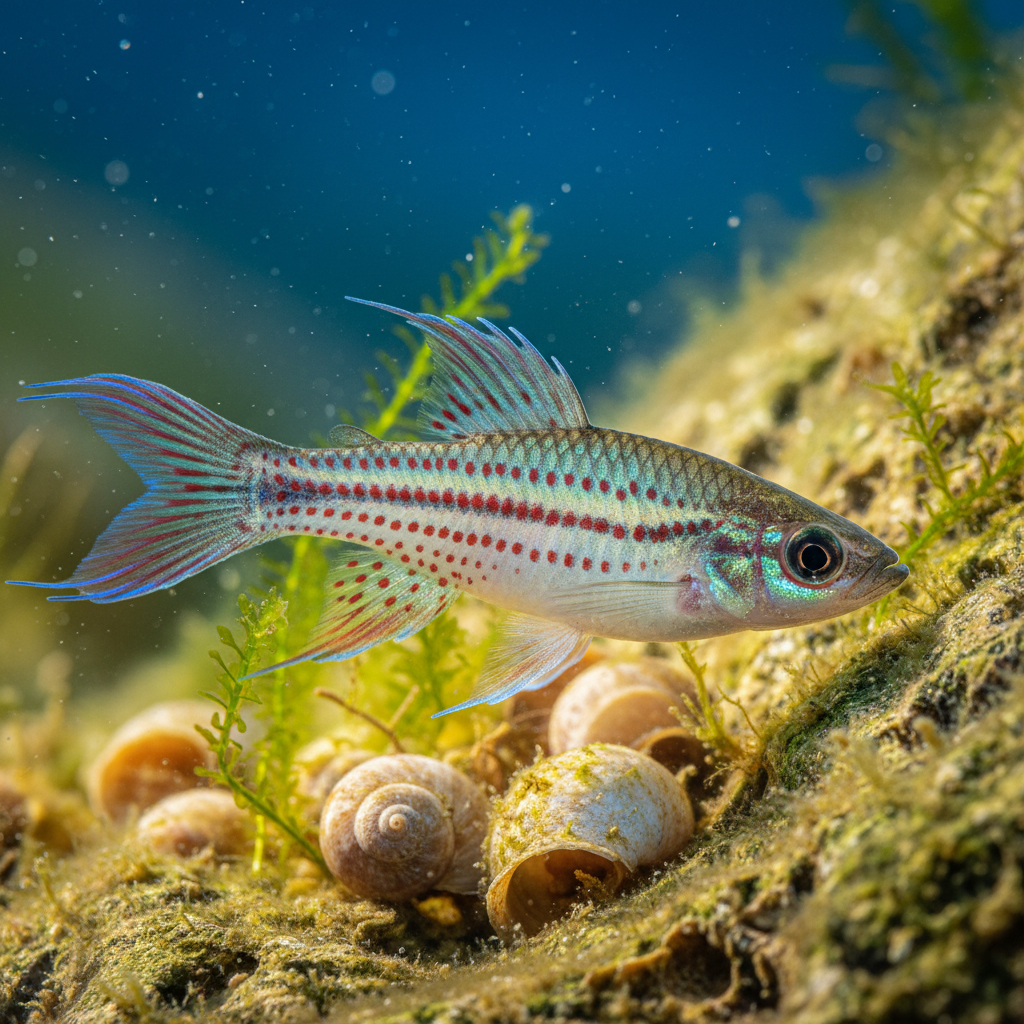
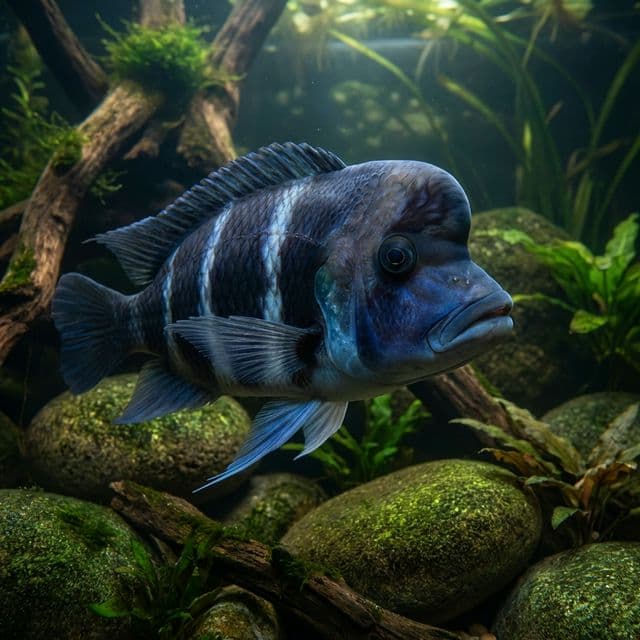
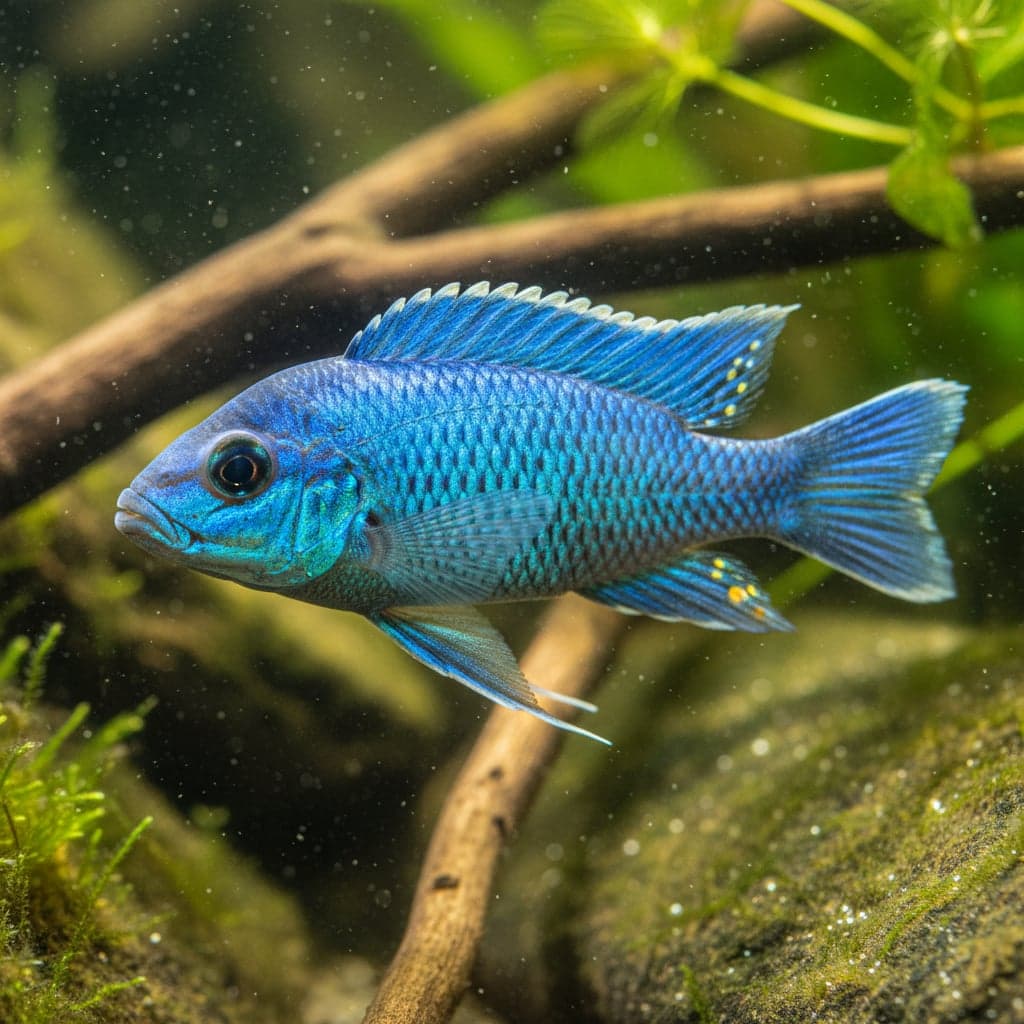
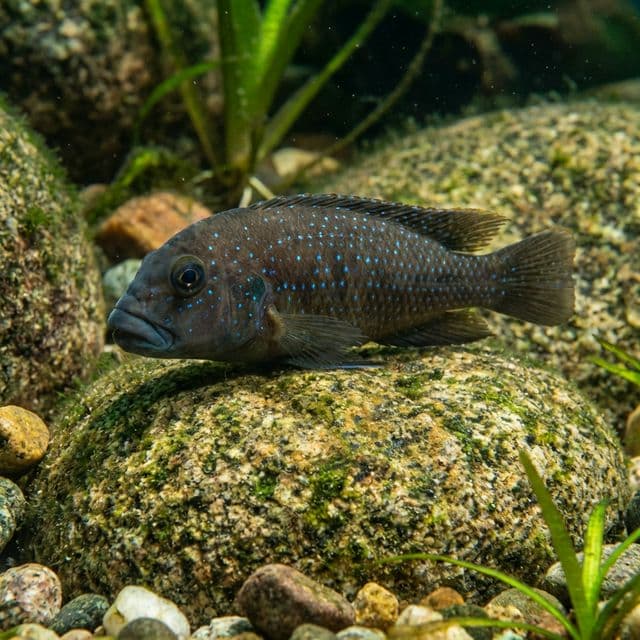
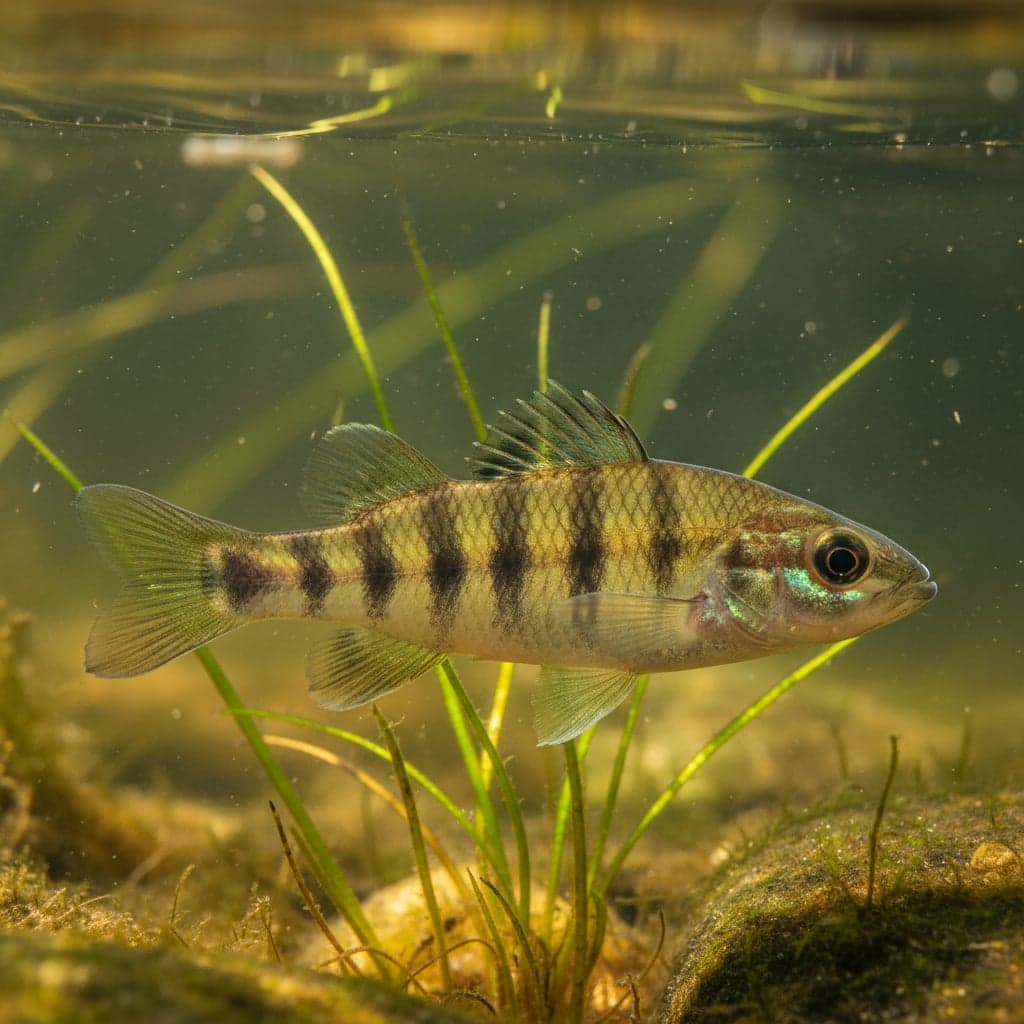
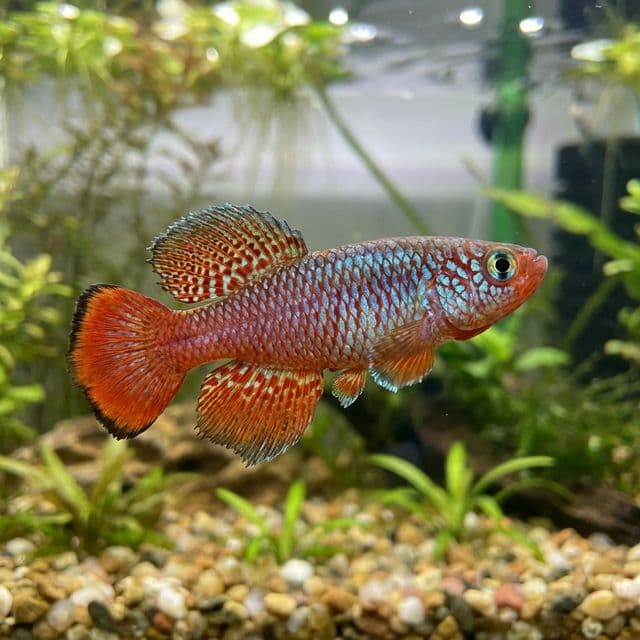
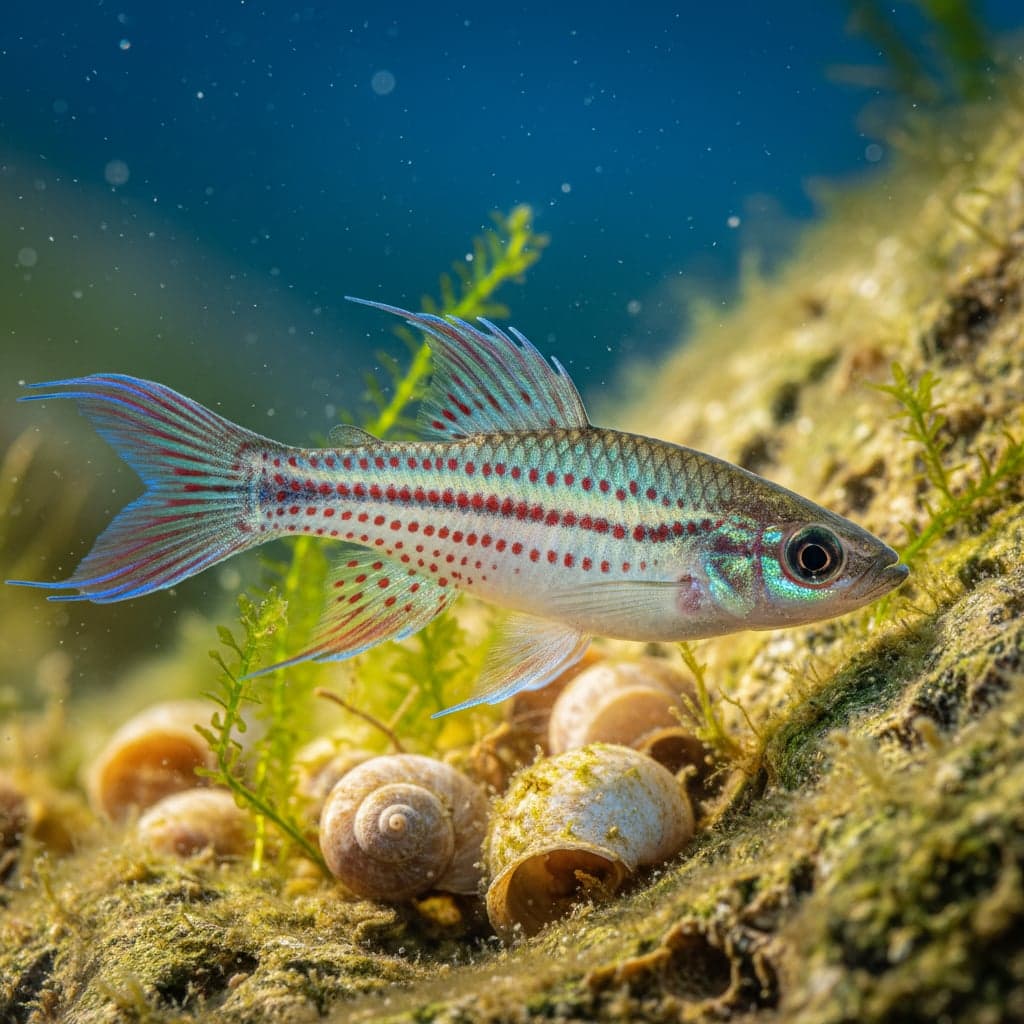
The Tanganyikan Killifish, scientifically known as Lamprichthys tanganicanus, is a strikingly beautiful freshwater fish native to Lake Tanganyika in East Africa. Renowned for its vibrant coloration, this species showcases a spectrum of iridescent blues, greens, and yellows that shimmer under aquarium lights, making it a sought-after addition for aquarists looking to enhance the visual appeal of their tanks. The males exhibit more vivid hues and larger fins compared to their female counterparts, further underscoring the aesthetic charm of this species. Their striking appearance, combined with engaging behaviors, ensures that they remain a favorite among hobbyists.
In addition to their beauty, Tanganyikan Killifish hold significant ecological importance within their natural habitat. As part of a complex ecosystem, they contribute to the biodiversity of Lake Tanganyika, adding unique behavioral traits and interactions that enhance the overall ecological tapestry of the area. For aquarists, keeping Tanganyikan Killifish not only provides enjoyment but also offers an opportunity to celebrate and promote awareness of African freshwater biodiversity.
Natural Habitat & Origin
Tanganyikan Killifish are endemic to Lake Tanganyika, one of the oldest and deepest lakes in the world, situated between four African countries: Burundi, the Democratic Republic of the Congo, Zambia, and Tanzania. The fish typically inhabit shallow areas where they can find ample vegetation or rocky substrates, thriving in slightly acidic to neutral water conditions. The lake's waters are a mix of clear and alkaline environments, which creates a unique ecological niche that favors the growth of diverse aquatic plants and microorganisms, essential for the fish’s diet and overall health.
The water environment of Lake Tanganyika consists of soft, alkaline waters with low nutrient levels. The pH levels typically range from 7.0 to 9.0, and the temperature is relatively stable, between 23°C to 28°C (73°F to 82°F). This specific habitat provides the ideal conditions for the Tanganyikan Killifish, allowing it to flourish while also facing the challenges of natural predators and competition. Understanding these parameters is crucial for aquarists seeking to replicate the fish's natural environment in captivity.
Care Requirements
To maintain the health and vitality of Tanganyikan Killifish, specific water parameters must be established. The ideal pH range for their aquarium should be between 7.0 and 8.5, with a temperature maintained at 24°C to 28°C (75°F to 82°F). Hardness levels should be kept moderate, preferably around 5-15 dGH, to mimic the natural conditions of Lake Tanganyika.
The tank setup for Tanganyikan Killifish requires a minimum size of 20 gallons to allow for their active swimming behavior. A sandy substrate is recommended, reflecting their natural habitat, where they naturally forage for food. Incorporating ample hiding spots using rocks and hardy aquatic plants is essential, as these fish are more comfortable in well-structured environments. Moderate to bright lighting can be used; however, hiding spots should be plentiful so that the fish can retreat if they feel threatened.
Diet & Feeding
Tanganyikan Killifish are primarily omnivorous, feeding on a mix of plant material, small invertebrates, and microorganisms found in their natural habitat. In captivity, it is essential to provide a varied diet to ensure their health and coloration remains vibrant. High-quality flakes or pellets formulated for tropical fish can be supplemented with live or frozen foods such as brine shrimp, daphnia, and bloodworms, which will help mimic their natural eating habits. Offering a diverse diet will not only enhance their nutritional intake but also stimulate their natural hunting instincts.
Given their small size, it’s important to avoid overfeeding, which can lead to poor water quality and health issues. A feeding schedule of two to three small meals daily is ideal. It's also beneficial to include some vegetable matter, such as spirulina flakes or blanched greens, to fulfill their dietary needs, ensuring overall well-being and vibrant health.
Behavior & Temperament
The behavior of Tanganyikan Killifish is largely characterized by their peaceful and inquisitive nature. These fish are often found in small groups, exhibiting a fascinating social structure that allows them to thrive in community settings. They prefer to occupy the middle to upper levels of the tank but are known to use the entire water column as they explore their environment.
Although generally peaceful, males can exhibit territorial behaviors during breeding or the establishment of dominance. Providing enough space and hiding places can help mitigate aggression, particularly in smaller tank setups. To fully appreciate their dynamic behavior, it’s advantageous to keep them in a well-planted tank with enough room for exploration and interaction.
Tank Mates
When selecting tank mates for Tanganyikan Killifish, it's essential to choose compatible species that can coexist peacefully. Ideal companions include other peaceful fish such as small cichlids (like Julidochromis), rasboras, and even certain types of tetras. They can also thrive alongside invertebrates, such as shrimp or snails, as long as their size prevents predation.
However, it's crucial to avoid aggressive species or larger predators that may view the Tanganyikan Killifish as prey. Fish such as large cichlids or aggressive barbs can create stress and territorial disputes, potentially endangering the killifish population. Careful selection and monitoring of tank dynamics will ensure a harmonious community aquarium.
Breeding
Breeding Tanganyikan Killifish in captivity is a rewarding endeavor as these fish exhibit fascinating spawning behaviors. They are substrate spawners, often laying their eggs on flat surfaces, including rocks or broad leaves. To encourage breeding, it’s essential to provide a well-maintained environment with the appropriate water parameters, as outlined previously.
Creating a separate breeding tank can be beneficial, as it allows for monitoring and protecting the eggs from other tank inhabitants. Spawning typically occurs when the female lays eggs which the male then fertilizes. After laying, the females tend to become protective, so providing a secluded area for them to breed is ideal. After a few days, fry will hatch and should be fed infusoria or powdered fry food until they are large enough to handle small live foods.
Common Health Issues
While Tanganyikan Killifish are relatively resilient, they can be susceptible to specific health issues, including ich (ichthyophthirius multifiliis), fin rot, and intestinal parasites. Maintaining good water quality is fundamental in preventing these diseases, as poor conditions can lead to stress, making fish more vulnerable to illness.
Regular water changes, proper filtration, and a balanced diet are key prevention strategies. Observing fish behavior can also be an excellent indicator of health; isolation or abnormal swimming patterns often signal underlying problems. Implementing quarantine procedures for new fish can help prevent the introduction of diseases and promote long-term health in your aquarium.