Thayer's Dwarf Acara: Laetacara thayeri
A 7cm South American dwarf cichlid. Peaceful for a cichlid, wants soft acidic water, leaf litter and a cave to spawn in.
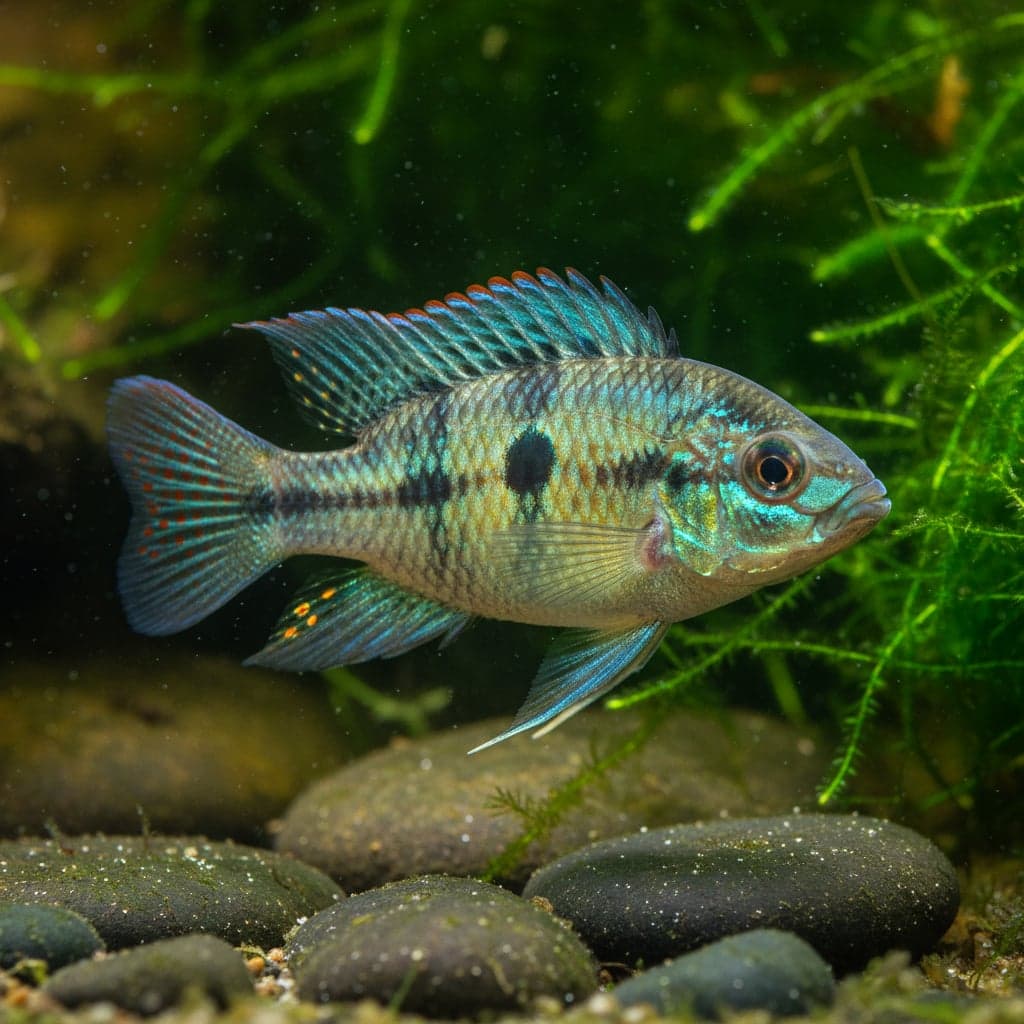
Thayer's Dwarf Acara
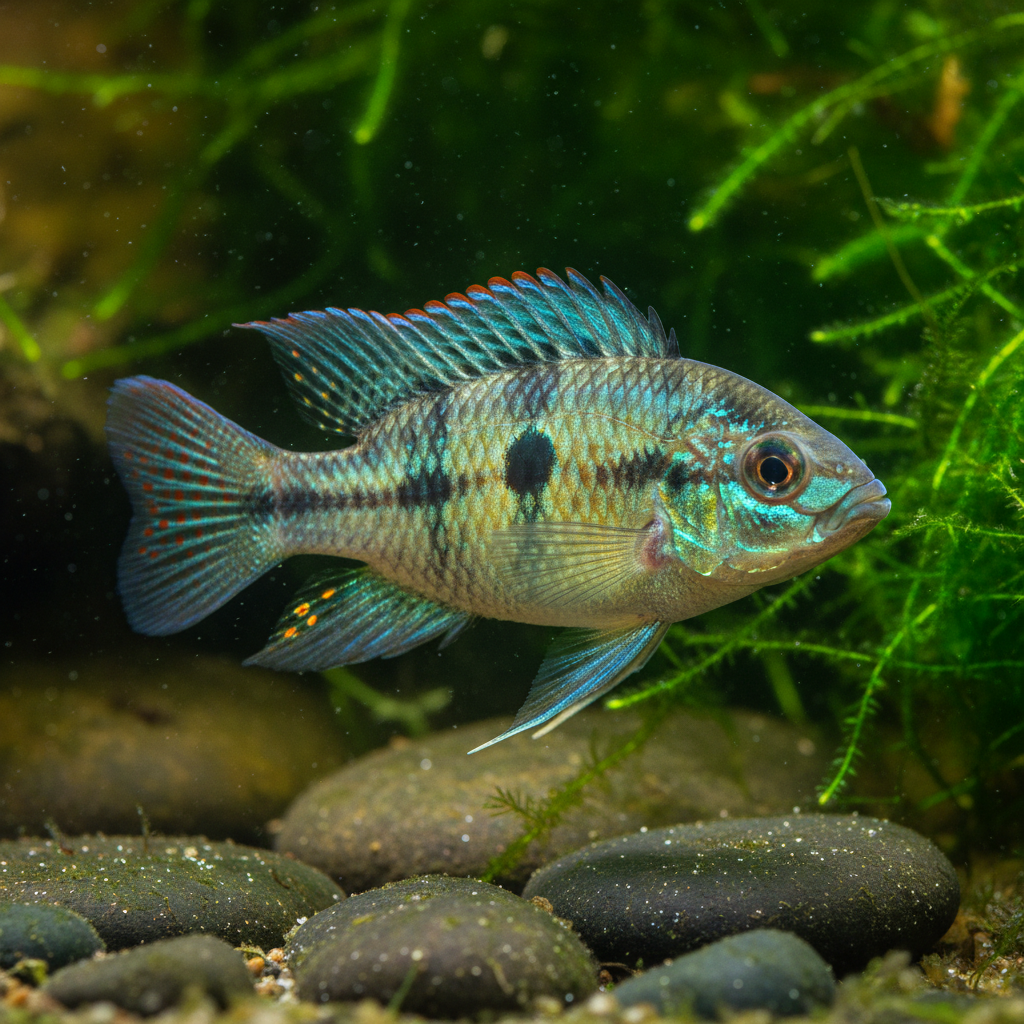
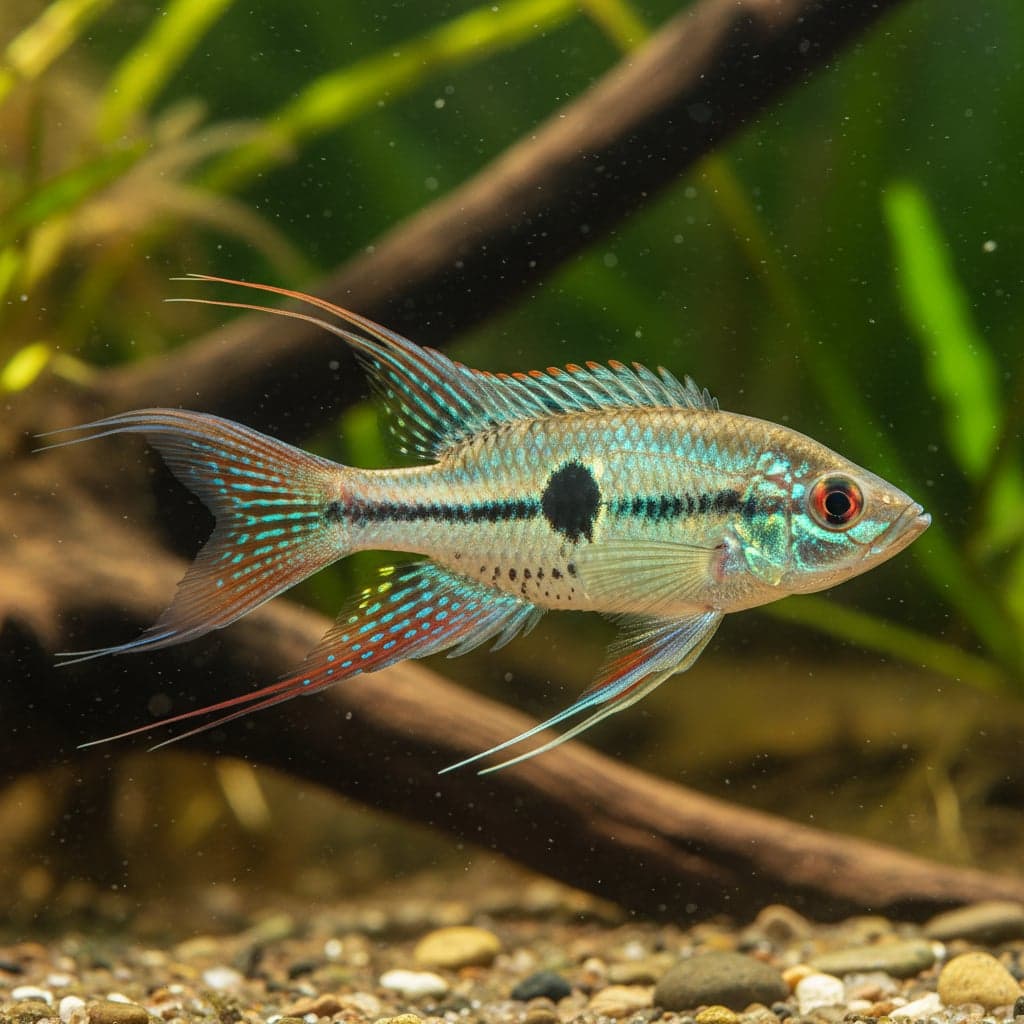
Thayer's Dwarf Acara, known scientifically as Laetacara thayeri, is a remarkable small cichlid that enchants aquarists with its striking coloring and unique behaviors. Native to freshwater rivers and streams, this species exhibits a tapestry-like pattern of vibrant blues, greens, and subtle yellows, making it an attractive addition to community aquariums. One of the standout features of Thayer's Dwarf Acara is its peaceful demeanor, which distinguishes it from many other cichlid species notorious for their territoriality. As a result, this fish has earned a reputable place in the aquarium hobby, appealing to both novice and advanced aquarists alike.
The significance of Thayer's Dwarf Acara extends beyond its aesthetic appeal; it serves as an excellent ambassador for the aquarist's understanding of South American cichlid behavior and ecosystem dynamics. This species exemplifies the delicate balance of nature that requires a keen eye for detail in terms of water quality, tank mates, and suitable habitats. Its presence in reliable aquarium setups can lead to inspiring educational opportunities about the complexities of aquatic life and conservation efforts, thereby enhancing the hobbyist's experience.
Natural Habitat & Origin
Thayer's Dwarf Acara is originally found in the fast-flowing rivers and tributaries of the Amazon Basin, particularly in regions of Peru. These waters are typically soft and slightly acidic, ranging from pH 6.0 to 7.0. The fish thrives in freshwater environments enriched with plenty of aquatic vegetation and submerged structures, which provide both shelter and breeding grounds. The natural habitat consists of blackwater and clearwater systems where the water is stained brown due to decomposing leaves and organic matter, creating a unique ecosystem that supports various forms of aquatic life.
In their natural environment, Thayer's Dwarf Acara gathers among roots, rocks, and plants, forming small schools that contribute to their social structure. These characteristics emphasize the importance of recreating a similar setup within an aquarium, ensuring the fish feel safe and secure while allowing them to exhibit their natural behaviors.
Care Requirements
To successfully care for Thayer's Dwarf Acara, it is crucial to replicate the conditions of their native habitat as closely as possible. The recommended tank size is a minimum of 30 gallons, allowing enough space for swimming and territorial displays. The ideal water parameters for this species are a temperature range of 75°F to 82°F (24°C to 28°C), a pH level between 6.0 and 7.0, and a hardness of 2-15 dGH.
For tank setup, dark sandy substrate is preferred to mimic the natural riverbeds where these fish are found. Adding floating plants or dense vegetation not only enhances the visual aesthetics of the tank but also provides essential hiding spots and breeding areas. Moderate lighting is advisable, as it promotes plant growth without stressing the fish. Importantly, clean filtration is vital, considering their sensitive nature to water quality, so regular water changes should be part of any maintenance routine.
Diet & Feeding
Thayer's Dwarf Acara is an omnivorous species with a diverse diet in the wild, which should be reflected in captivity to ensure optimal health and coloration. They thrive on high-quality flakes or pellets specifically designed for cichlids as the staple food. In addition, live foods such as brine shrimp, daphnia, and earthworms can be offered as treats to enhance their diet and encourage natural hunting behavior.
Frozen foods, like bloodworms or mysis shrimp, can also be integrated into their feeding regimen for added variety. Careful attention should be paid to portion sizes to prevent overfeeding, which can lead to health issues. A well-rounded diet will significantly contribute to the vibrancy and well-being of Thayer's Dwarf Acara.
Behavior & Temperament
Socially, Thayer's Dwarf Acara is known for its peaceful and docile temperament, making it suitable for various community tanks. They are naturally curious fish, often exploring their environments and occasionally displaying territorial behavior, particularly during breeding seasons or when they feel threatened. Typically, they prefer to inhabit the lower to middle levels of the tank, using structures and plants for cover.
While they do enjoy forming small groups, it's advisable to ensure adequate space to mitigate potential aggression. Pairing them with similarly sized, non-aggressive fish will enhance their living environment, allowing for interactions without undue stress.
Tank Mates
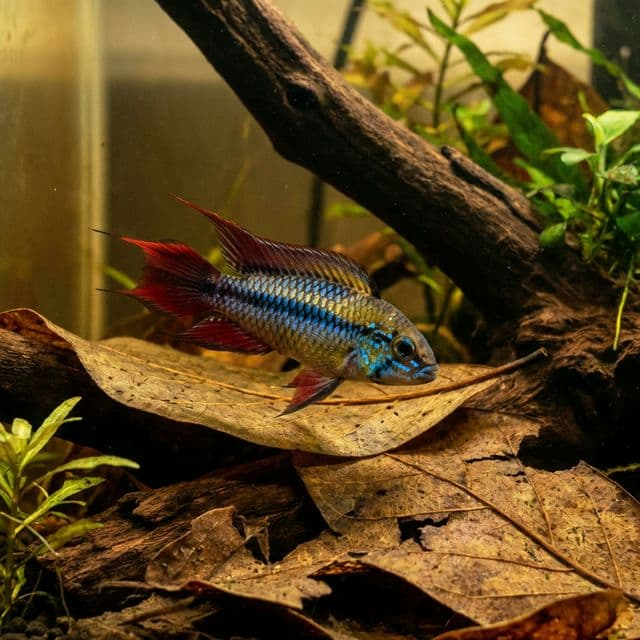
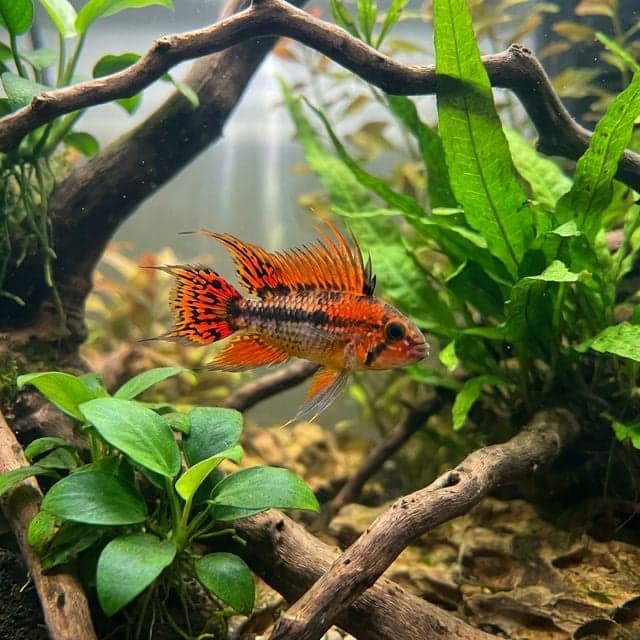
When selecting tank mates for Thayer's Dwarf Acara, opt for peaceful species that share comparable size and environmental needs. Suitable tank mates include tetras (like Neon Tetras and Rummynose Tetras), rasboras, as well as smaller catfish (such as Corydoras and Otocinclus). Additionally, they can be safely housed with peaceful species of dwarf cichlids like Apistogramma and other non-aggressive community fishes.
It is crucial to avoid aggressive or overly territorial species such as larger cichlids (e.g., Oscars or Jaguar Cichlids) and fin-nipping species (like some barbs), which can cause stress and jeopardize the well-being of Thayer's Dwarf Acara.
Breeding
Breeding Thayer's Dwarf Acara in captivity is a rewarding endeavor but requires specific conditions to succeed. They are substrate spawners, which means they prefer to lay eggs on flat rocks or on leaves. To trigger breeding behaviors, it’s helpful to maintain slightly elevated temperatures of about 80°F (27°C) and ensure pristine water quality.
Before spawning, the pair will engage in courtship rituals that involve displays of color and swimming patterns. Once the eggs are laid, the parents typically take great care of the fertilized eggs, guarding them from potential threats. Fry will hatch within 48 to 72 hours, and after a few days, they will become free-swimming. It’s advisable to provide infusoria or specialized fry food to nourish the young as they grow.
Common Health Issues
Thayer's Dwarf Acara, while generally hardy, can still be susceptible to several common health issues. These may include ich (a parasitic infection), fin rot, and various forms of stress-related ailments. Maintaining excellent water quality and a stable environment is paramount for prevention.
Regular tank maintenance, including water changes and monitoring water parameters, will significantly reduce the chances of disease outbreak. Additionally, quarantining new fish before introducing them into the main tank can minimize the risk of introducing pathogens. Should any health issues arise, prompt diagnosis and treatment are essential for recovering affected individuals.