Thick-lipped Gourami: Trichogaster labiosa
A 10cm labyrinth fish, hardier and calmer than a dwarf gourami and far less prone to iridovirus. A genuinely good community centrepiece.
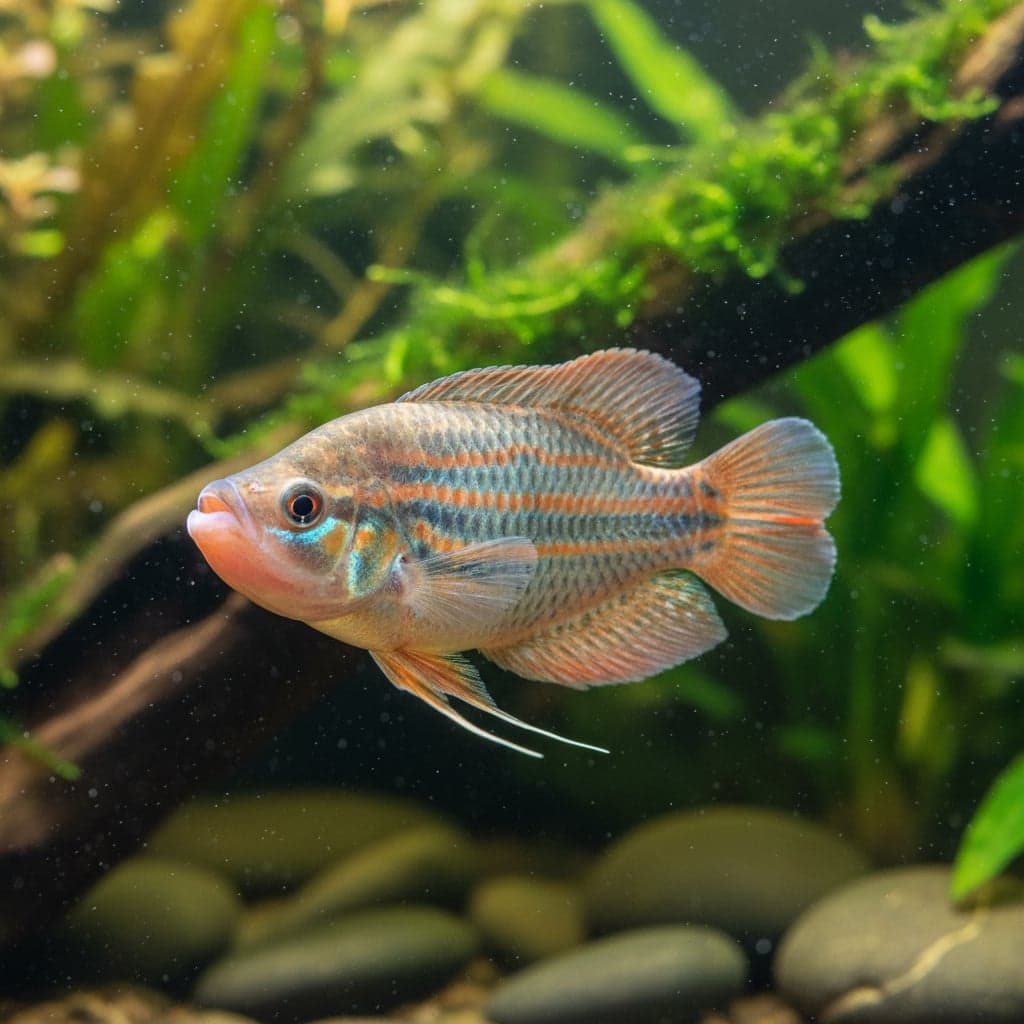
Thick-lipped Gourami
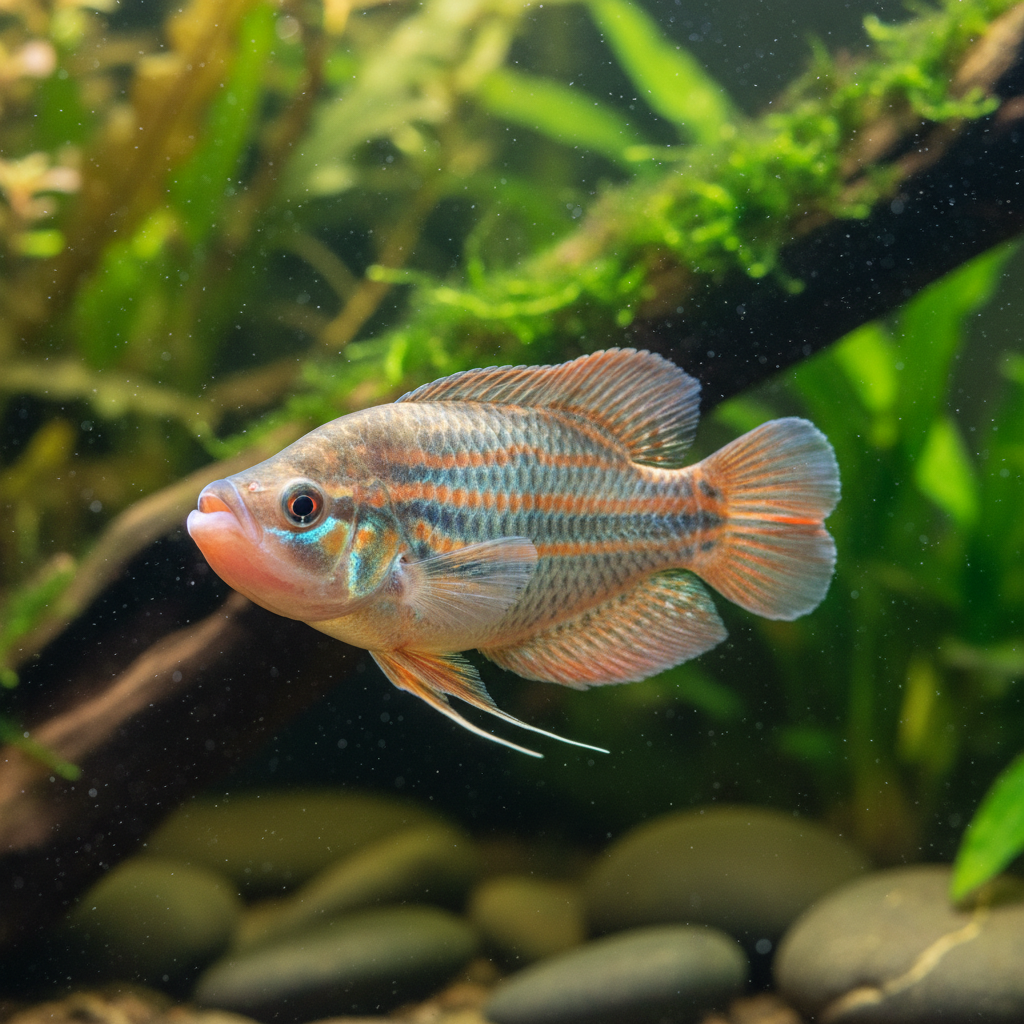
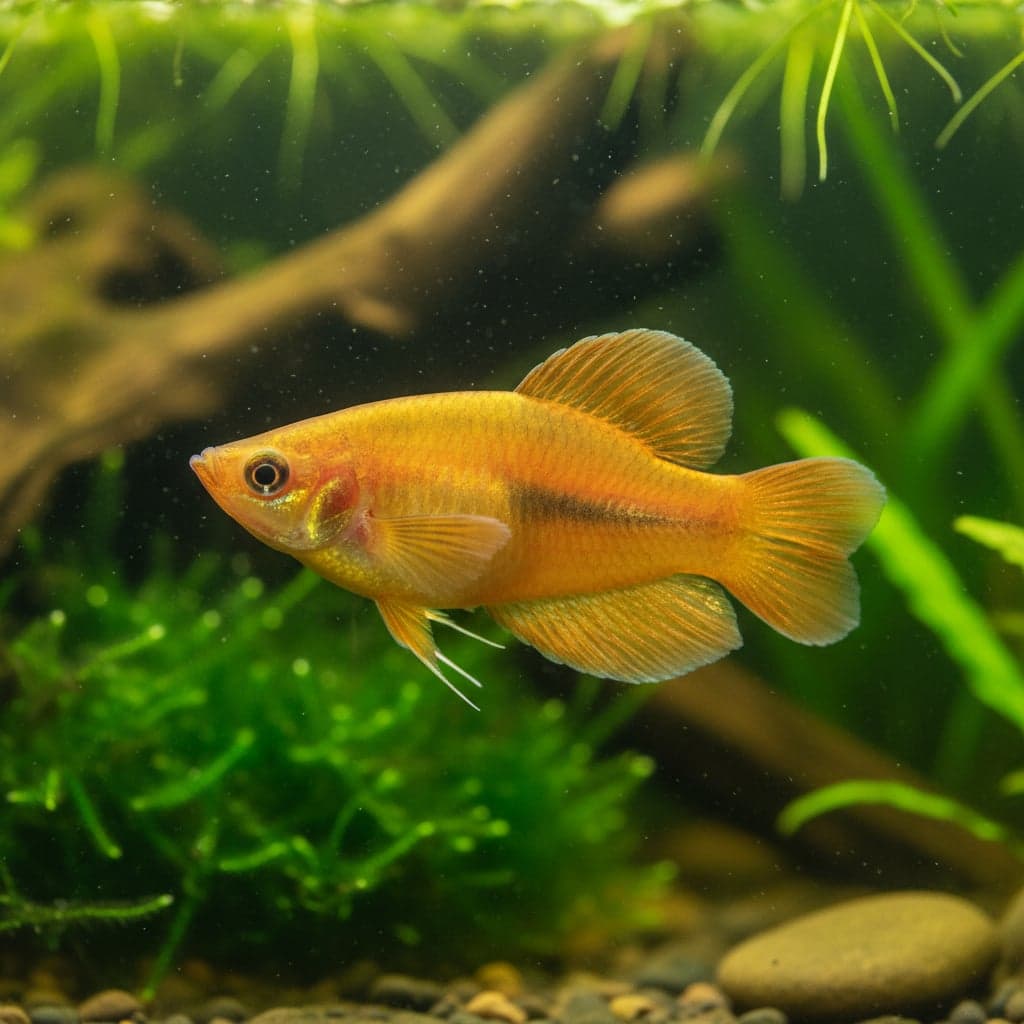
The Thick-lipped Gourami, scientifically known as Trichogaster labiosa, is a captivating freshwater fish renowned for its distinctively full, prominent lips and vibrant coloration. This species often showcases shades of pastel blue and green, accented with iridescent hues that can shimmer in the light, making them a visual centerpiece in any aquarium setting. Their beauty, along with their curious personalities, makes them a favored choice among aquarists. Thick-lipped Gouramis are particularly notable for their labyrinth organ, allowing them to breathe atmospheric air, which adds to their robustness in varying water conditions—a trait that piques the interest of both beginners and experienced fish keepers alike.
In the world of aquarium fisheries, the Thick-lipped Gourami holds significance not only as a subject of admiration due to its striking appearance but also as a charming presence in community tanks. This fish is relatively hardy and adaptable, making it suitable for a range of aquaristic disciplines. Their serene disposition and gentle nature endear them to enthusiasts who appreciate tranquility in their aquascapes, fostering a peaceful environment where both fish and plants can thrive harmoniously.
Natural Habitat & Origin
The Thick-lipped Gourami is indigenous to the freshwater ecosystems of Southeast Asia, primarily found in countries such as Thailand, Laos, and Cambodia. They inhabit a variety of water bodies, including slow-moving rivers, lakes, and swamps, often characterized by dense vegetation. The waters they occupy are typically soft and acidic, often classified as dark water due to the high levels of humic acids and tannins released from decomposing plant matter. This natural habitat provides a rich environment that influences their behavior, diet, and overall health, underscoring the importance of mimicking these conditions in the home aquarium.
In their native environment, Thick-lipped Gouramis are found amidst a plethora of submerged plants, floating vegetation, and shaded waters, allowing them to retreat and seek cover when necessary. These environmental factors play a crucial role in their survival, and replicating such conditions in captivity—complete with ample hiding spots—will promote their well-being and reflect their natural behaviors in the aquarium.
Care Requirements
When providing care for Thick-lipped Gourami, it is vital to maintain the appropriate water parameters to ensure their health and longevity. The ideal pH level should be in the range of 6.0 to 7.5, accompanied by a water temperature between 24°C to 28°C (75°F to 82°F). Furthermore, the water hardness should be kept between 5 to 15 dGH to mimic their natural habitat effectively. As for tank setup, a minimum tank size of 75 liters (20 gallons) is recommended to give them ample swimming space.
In terms of substrate, a soft, sandy bed will be beneficial as it allows for easy digging, which is a common behavior among these fish. The aquarium should also feature dim lighting as they thrive in shaded environments; accentuating the lighting with floating plants can create a more natural setting. Incorporating various aquatic plants, such as Java ferns and Anubias, will not only enhance the aesthetic appeal but also provide additional hiding places, which help reduce stress and promote comfort.
Diet & Feeding
Thick-lipped Gouramis are classified as omnivores, exhibiting a diverse diet in both wild and captive settings. They thrive on a balanced diet that includes high-quality flake foods, sinking pellets, and frozen or live foods such as brine shrimp, bloodworms, and daphnia. It is essential to provide a varied diet that meets their nutritional needs, as this not only enhances their coloration but also supports their overall health. It is advisable to feed them small portions two to three times a day, allowing only what they can consume within a few minutes to prevent overfeeding and maintain water quality.
Integrating a mix of plant matter into their diet, such as blanched vegetables like spinach or zucchini, can also be beneficial. This addition not only satisfies their natural foraging instincts but also complements their omnivorous diet, ensuring they receive adequate fiber and essential nutrients, contributing to a well-rounded feeding regimen.
Behavior & Temperament
Thick-lipped Gourami are generally known for their peaceful demeanor and can exhibit sociable behavior, making them suitable for community aquariums. They prefer to be in small groups, so it is advisable to keep them in pairs or small schools to ensure they feel secure and less stressed. While they are not highly aggressive, males can display territorial behavior, particularly during breeding seasons, which can lead to minor skirmishes with other males, though this is typically manageable.
Positioning in the tank is integral to their behavior; Thick-lipped Gouramis are primarily mid to bottom dwellers and often utilize vertical space as well. Providing ample shelter, such as caves and plants, allows them to establish territories and reduces potential stressors. They are also known to exhibit intriguing surface behavior due to their labyrinth organ, often seen gulping for air at the water’s surface.
Tank Mates
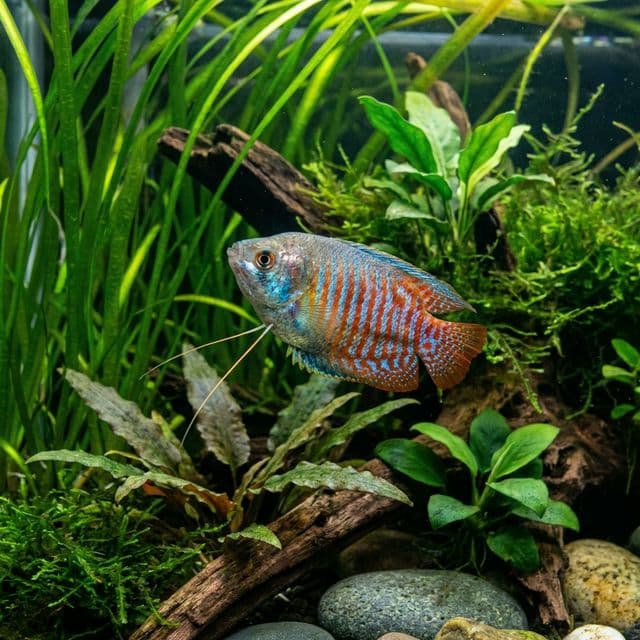
When selecting tank mates for Thick-lipped Gourami, it is crucial to choose species that share similar care requirements and temperaments. Ideal companions include peaceful freshwater fish such as Tetras (e.g., Neon Tetras, Cardinal Tetras), Rasboras, Corydoras catfish, and other species of Gourami like the Dwarf Gourami. These species coexist harmoniously, providing a lively community while minimizing stress and aggression within the tank.
However, there are certain species to avoid when curating tank mates for Thick-lipped Gourami. Aggressive or overly territorial fish, such as Cichlids or larger, boisterous species like Tiger Barbs, can create undue stress and lead to confrontations. Additionally, fin-nipping species should be avoided, as this can compromise the Thick-lipped Gourami's health, leading to injuries or chronic stress.
Breeding
Breeding Thick-lipped Gourami can be a rewarding experience for aquarists, though it necessitates specific conditions for successful reproduction. These fish exhibit a bubbling nesting behavior wherein the male constructs a bubble nest at the water's surface, utilizing fine plant matter and air. To facilitate breeding, it is essential to maintain slightly acidic water conditions and provide plenty of floating vegetation for the male to anchor the nest, which serves as a protective environment for the eggs.
During the spawning process, the male will entice the female into the nest, leading to the release of eggs that the male will then fertilize and gather into the nest. Following spawning, the female should be removed from the tank to prevent her from eating the eggs. Incubation typically lasts around 24 to 36 hours after which the fry will be free-swimming and can be fed infusoria or finely crushed flakes. Successful breeding requires patience and careful monitoring to cultivate the fry in a nurturing environment.
Common Health Issues
Thick-lipped Gourami can be prone to a few common health issues common among freshwater fish. One prevalent concern is Ichthyophthirius multifiliis (Ich), a parasitic infection often resulting from stress or sudden changes in water conditions. Regular water quality checks and maintaining stable parameters can help prevent outbreaks. Additionally, they may also suffer from fin rot, which typically arises from poor water quality or injuries. Maintaining clean water and providing suitable tank conditions are vital for preventing bacterial outbreaks. Thick-lipped Gouramis are also labyrinth fish, meaning they breathe atmospheric air at the surface; exposure to cold, drafty ambient air above an unlidded aquarium can lead to respiratory inflammation and chill-related illness. Unlike dwarf gouramis (Trichogaster lalius), which are frequently plagued by Dwarf Gourami Iridovirus (DGIV), Thick-lipped Gouramis are considerably hardier and generally immune to DGIV. Keeping the tank covered, maintaining warm, stable water temperatures, and offering a nutritious diet will keep your gouramis thriving and displaying their richest pastel colors.