Threadfin Butterflyfish
A 23cm butterflyfish, among the hardier of its family and often reef-kept until it starts sampling polyps. Needs 400L+ and varied frozen food.
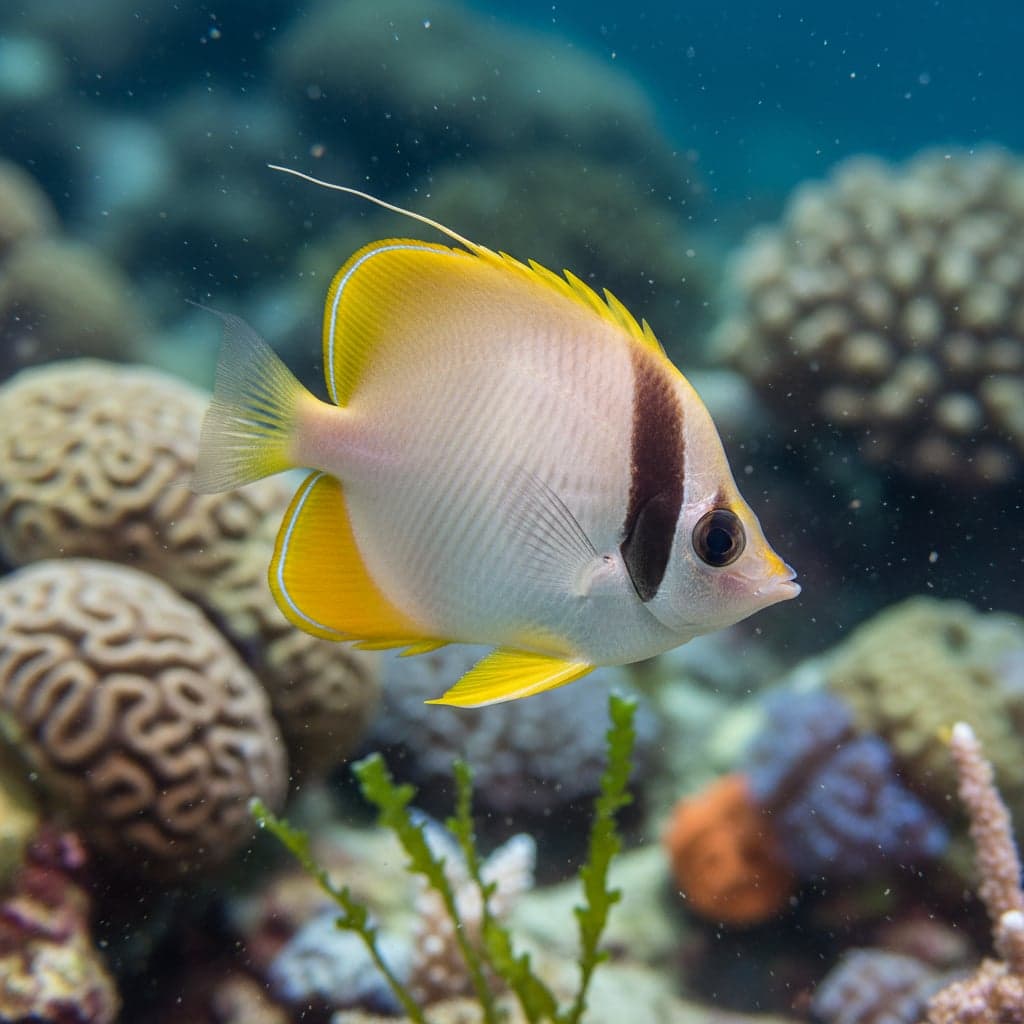
Threadfin Butterflyfish
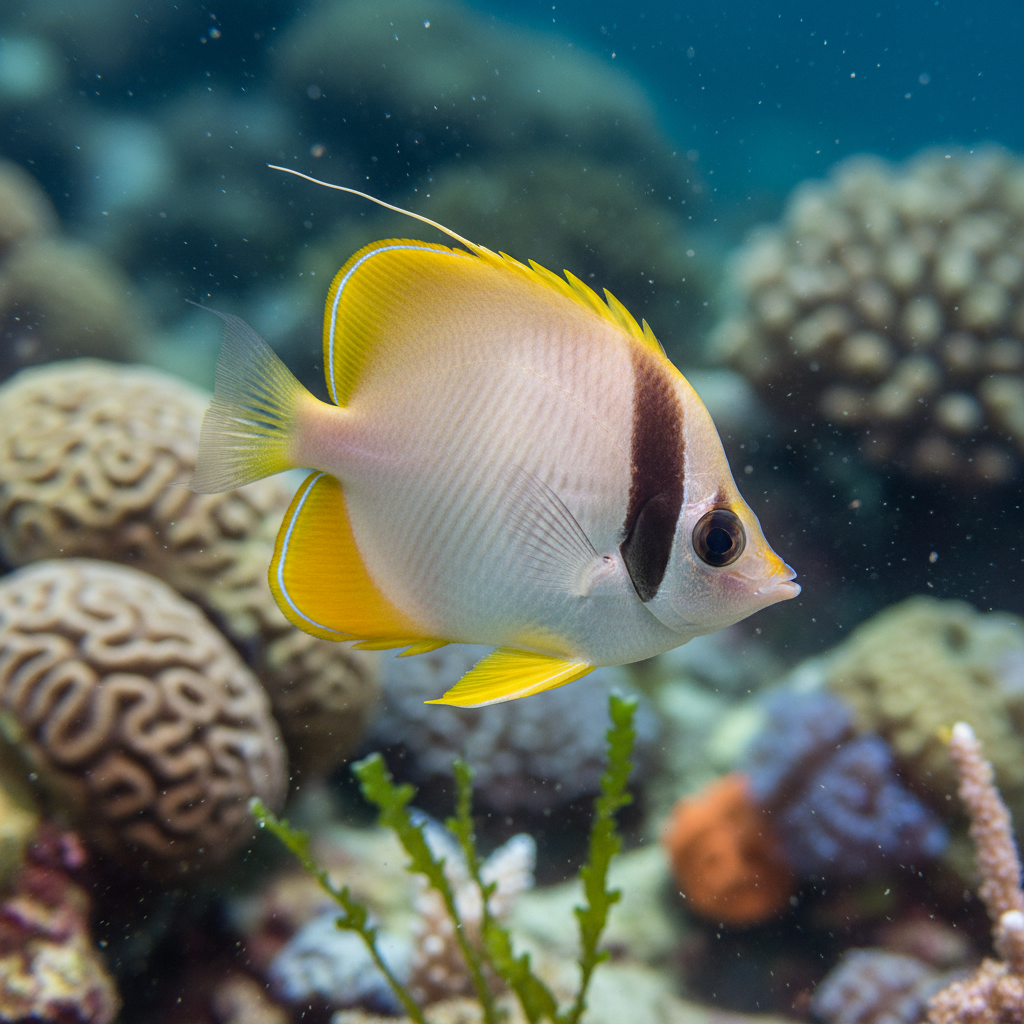
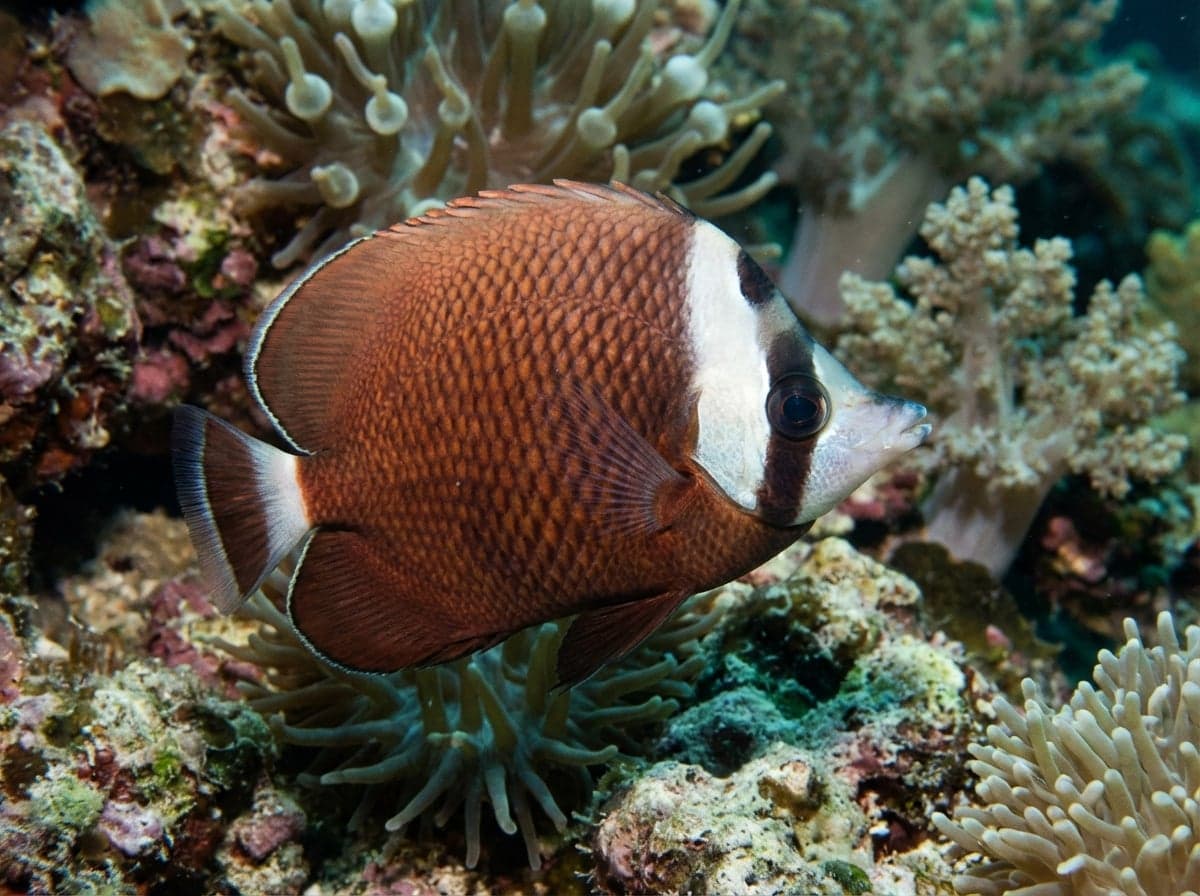
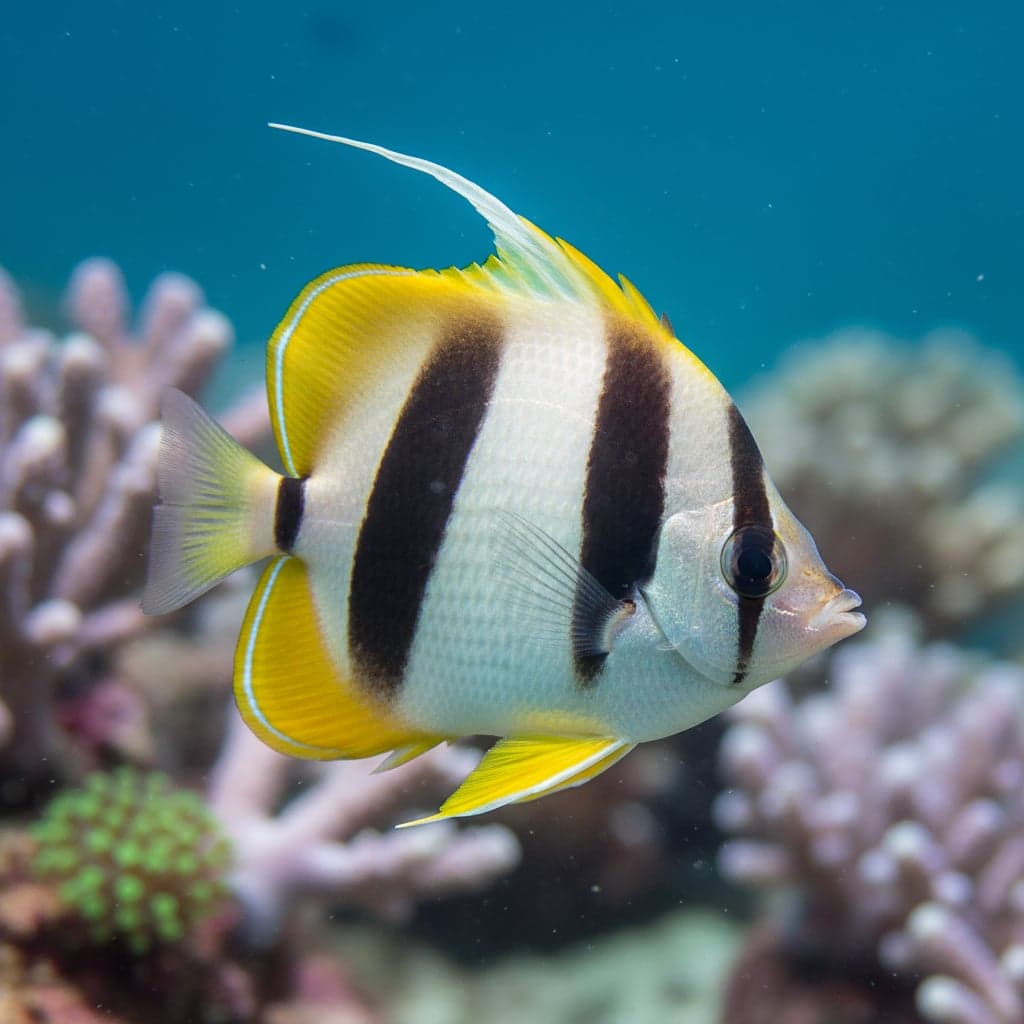
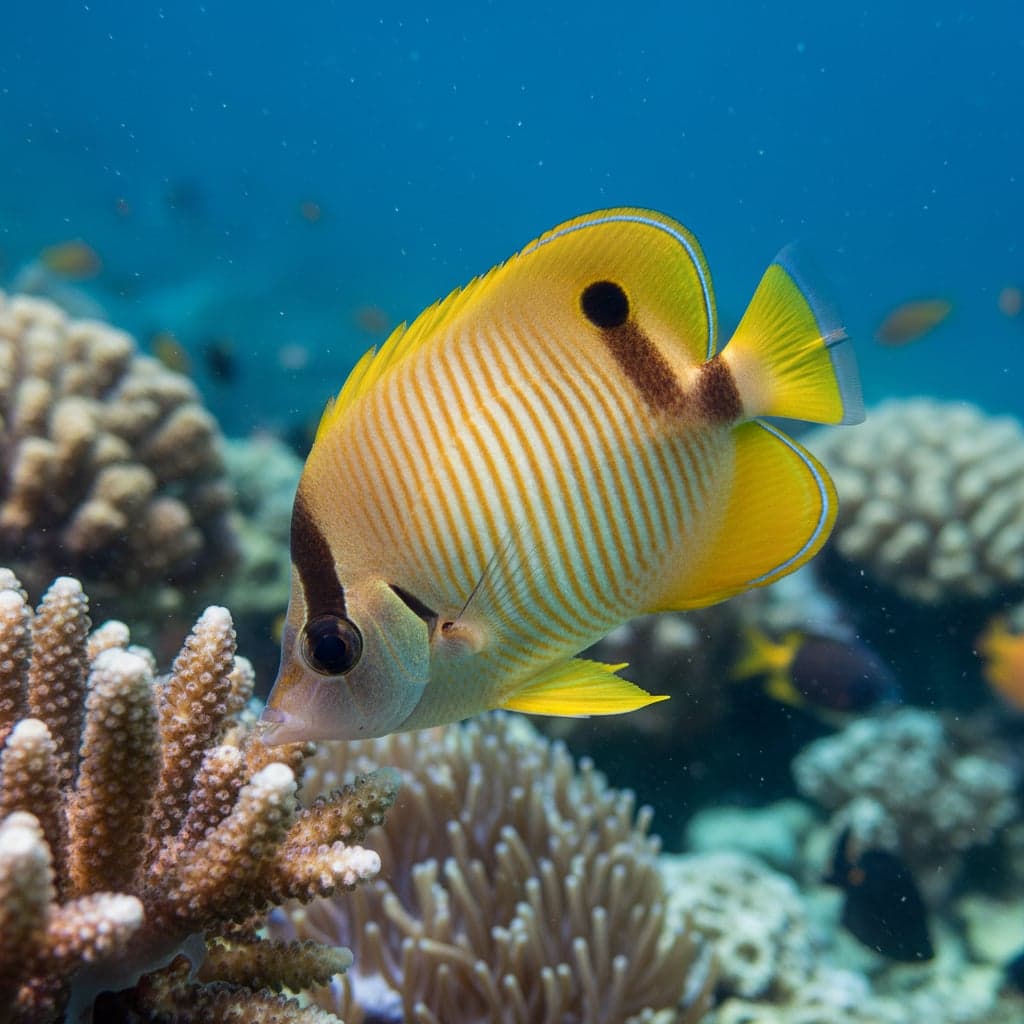
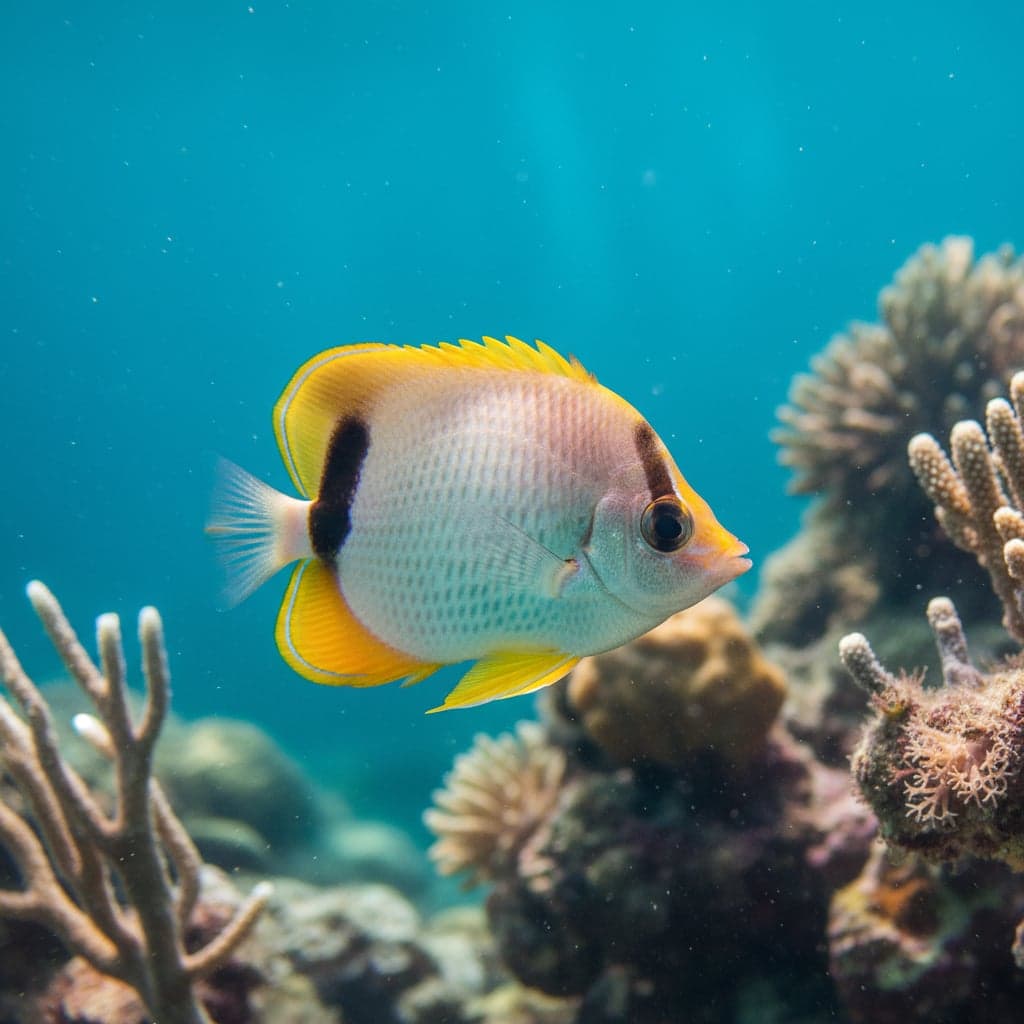
The Threadfin Butterflyfish (Chaetodon auriga), known for its striking beauty and vibrant colors, is considered one of the jewels of marine aquariums. With a unique physique that features elongated fins resembling threads and an intricate pattern of yellow, black, and white hues, this species captures the admiration of both novice aquarists and seasoned experts alike. Its distinct appearance, coupled with graceful swimming behavior, adds an element of elegance to any tank environment.
In the aquarium hobby, the Threadfin Butterflyfish is significant not only for its aesthetic appeal but also as a representative of the diverse marine ecosystems. Often found in coral reefs, it plays an essential role in maintaining ecological balance. Unfortunately, due to its specific habitat requirements and overfishing pressures in its native waters, this fish can be vulnerable in the wild, making its conservation in captive breeding programs and responsible aquarium keeping increasingly important.
Natural Habitat & Origin
The Threadfin Butterflyfish is native to the warm, tropical waters of the Indo-Pacific region, ranging from the Red Sea to the Panamic region of Central America, and including popular locations like the Great Barrier Reef and the Marquesas Islands. Typically inhabiting coral reefs, this species thrives in clear, warm waters with a depth range of 1 to 50 meters. The coral ecosystems that these fish inhabit serve as both a feeding ground and shelter, providing essential nutrients and protection from predators.
These fish prefer habitats characterized by abundant coral structures and lagoons where the water is stable in terms of quality. They can often be found in areas with abundant algae and small invertebrates, which play a critical role in their diet and overall health.
Care Requirements
To provide optimal care for the Threadfin Butterflyfish, it is crucial to maintain specific water parameters. The ideal temperature range is between 72°F to 82°F (22°C to 28°C) with a pH level between 8.1 and 8.4. Hardness should be maintained at around 8 to 12 dGH. For tank setup, a minimum aquarium size of 400 litres (105 gallons) is recommended — this 23cm butterflyfish needs swimming room and space to settle its territorial habits. A sandy or fine substrate is preferable, along with live rock and coral structures to mimic their natural habitat and offer hiding spots.
Lighting should be moderate to high, as this fish thrives in well-lit environments that promote algae growth for grazing. Additionally, incorporating plenty of live plants, such as macroalgae, can help maintain water quality while providing natural cover.
Diet & Feeding
The Threadfin Butterflyfish is primarily an omnivore, relying on a varied diet that includes zooplankton, small invertebrates, and algae. In captivity, it is crucial to replicate this diet using quality food sources. Recommended options include high-quality marine flakes, pellets formulated for reef fish, as well as frozen or live foods like brine shrimp, mysis shrimp, and other small seafood. Regularly feeding this fish a balanced diet will ensure its health and promote vibrant coloration.
Feeding should be done multiple times a day in small amounts to mimic its natural foraging behavior, allowing the fish to pick at foods throughout the tank. Remember that some individuals can be picky eaters, so it's important to provide a variety of options to encourage normal feeding behaviors.
Behavior & Temperament
The Threadfin Butterflyfish exhibits typical butterflyfish behavior, characterized by a shy yet curious nature. These fish are generally social and often form pairs or small groups, but they can exhibit territorial behavior towards conspecifics, especially in smaller tanks. It is best to keep them in a species-specific setup or with compatible tank mates to minimize aggression.
In terms of vertical placement, the Threadfin Butterflyfish prefers the upper and mid-levels of the tank, often swimming around the coral formations and rocks. Providing plenty of hiding spots will help alleviate any potential stress from aggressive tank mates or disturbances.
Tank Mates
When selecting tank mates for the Threadfin Butterflyfish, consider species that share similar water quality preferences and temperament. Compatible species include small wrasses, certain clownfish, and peaceful gobies, all of which promote a harmonious environment. However, it's vital to avoid aggressive species, especially those within the same family (Chaetodontidae), as they may provoke stress or territorial disputes. Other species to avoid include larger predatory fish or overly aggressive reef fish that may bully the Threadfin Butterflyfish.
Breeding
Breeding the Threadfin Butterflyfish in captivity can be challenging but not impossible. The fish are known to spawn in pairs, with males performing elaborate courtship dances to attract females. Optimal conditions for breeding include stable water parameters and an established tank with plenty of hiding spots and open space for swimming.
To encourage spawning, providing a well-established, mature tank along with specific dietary enhancements may increase the likelihood of successful breeding. It's important to note that the larvae are pelagic and will require specific care post-hatching to survive, likely necessitating specialized systems for rearing young fish.
Common Health Issues
Despite their resilience, Threadfin Butterflyfish can be prone to various health issues. Common diseases include marine ich, velvet disease, and other parasitic infections typically associated with stressed or improperly cared-for fish. Regular tank maintenance, including water changes and parameter checks, can help prevent these issues. Additionally, ensuring a varied and nutritious diet helps strengthen the immune system, making the fish less susceptible to illness.
Preventative measures such as quarantining new arrivals and providing a stress-free environment can significantly reduce health risks, ensuring that the Threadfin Butterflyfish remains a beautiful and vibrant addition to your marine aquarium.