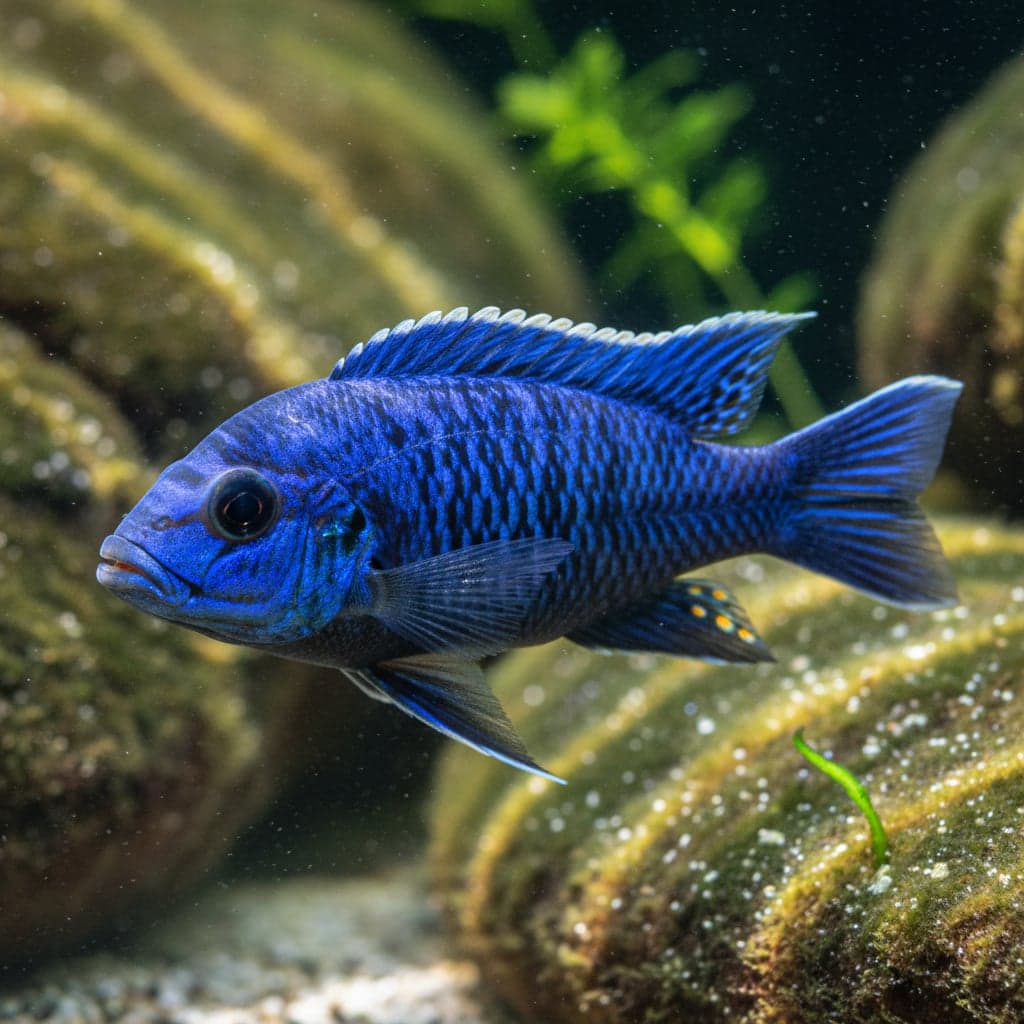
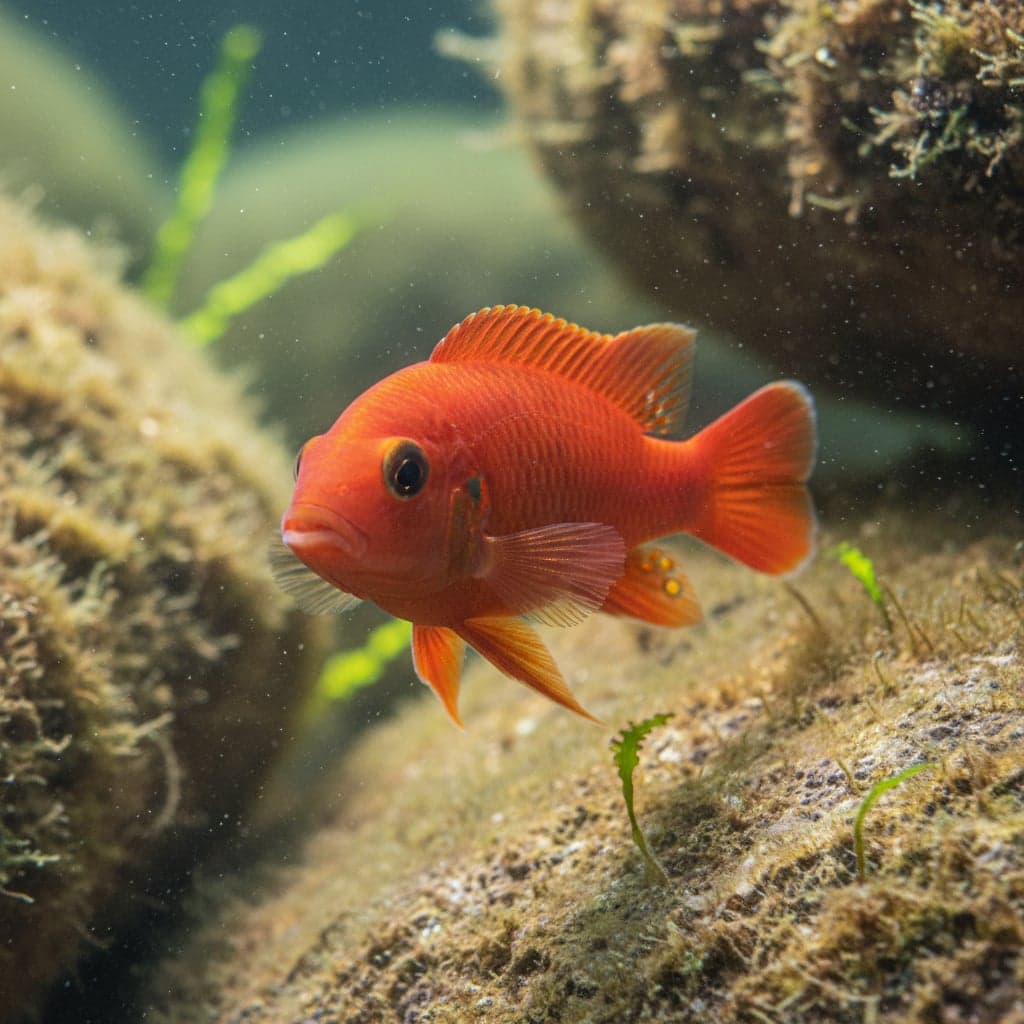
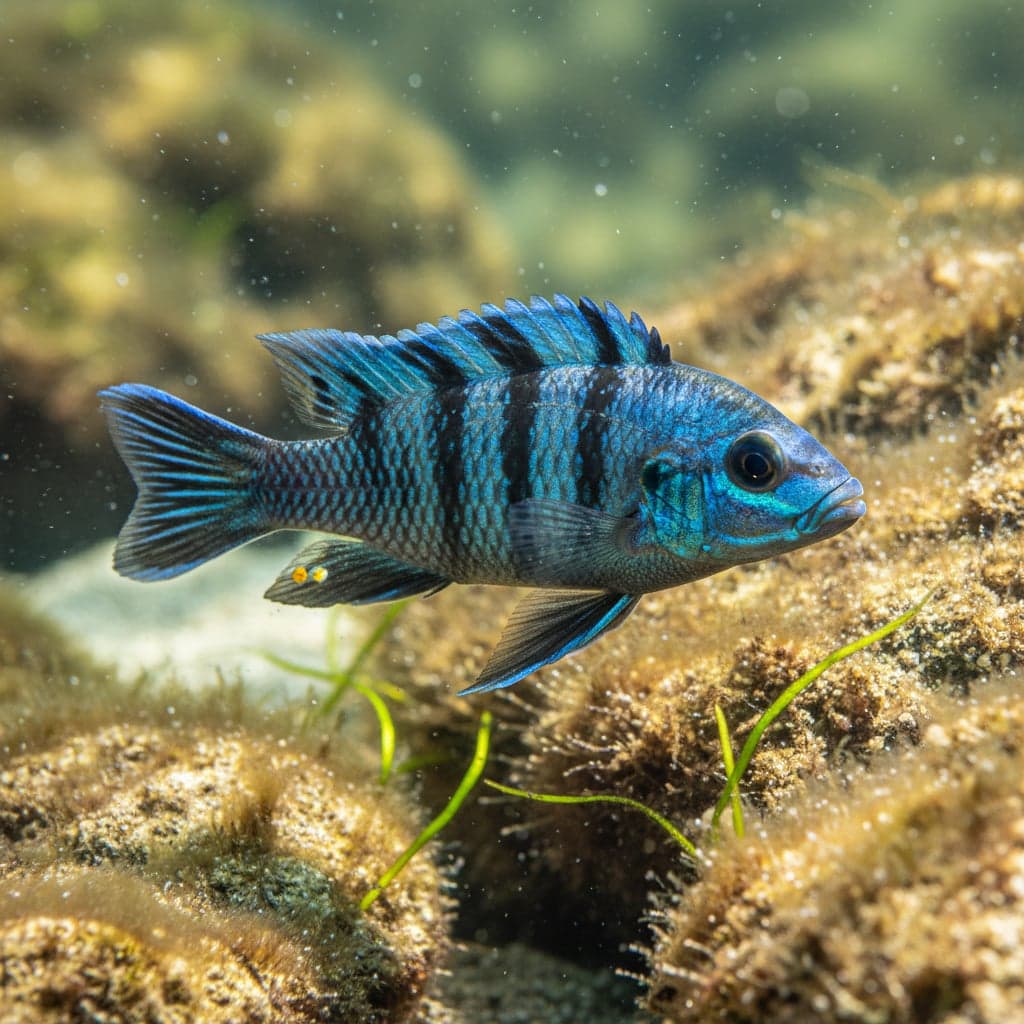
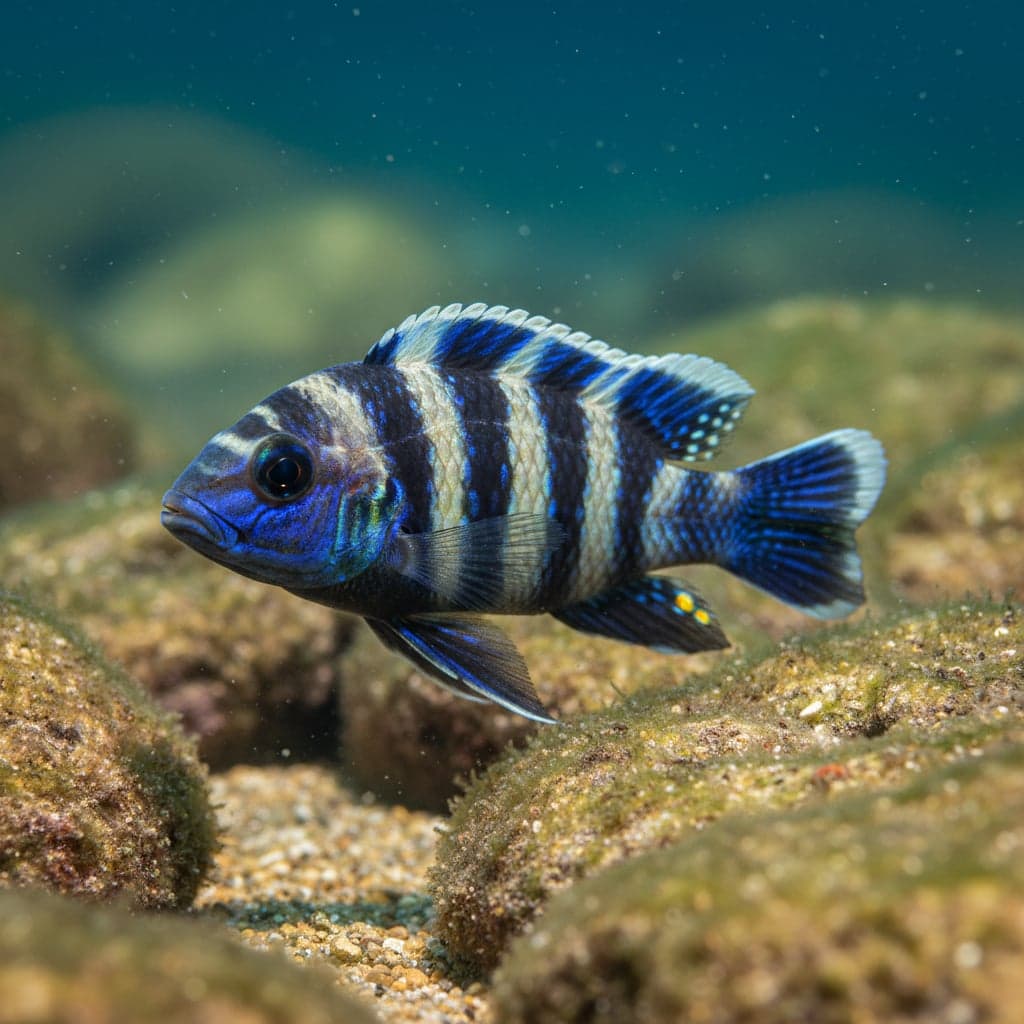
Trewavasae: Labeotropheus trewavasae
A Malawi mbuna that grazes algae with an overhung snout. Aggressive, and it needs hard alkaline water and heavy rockwork.

Trewavasae
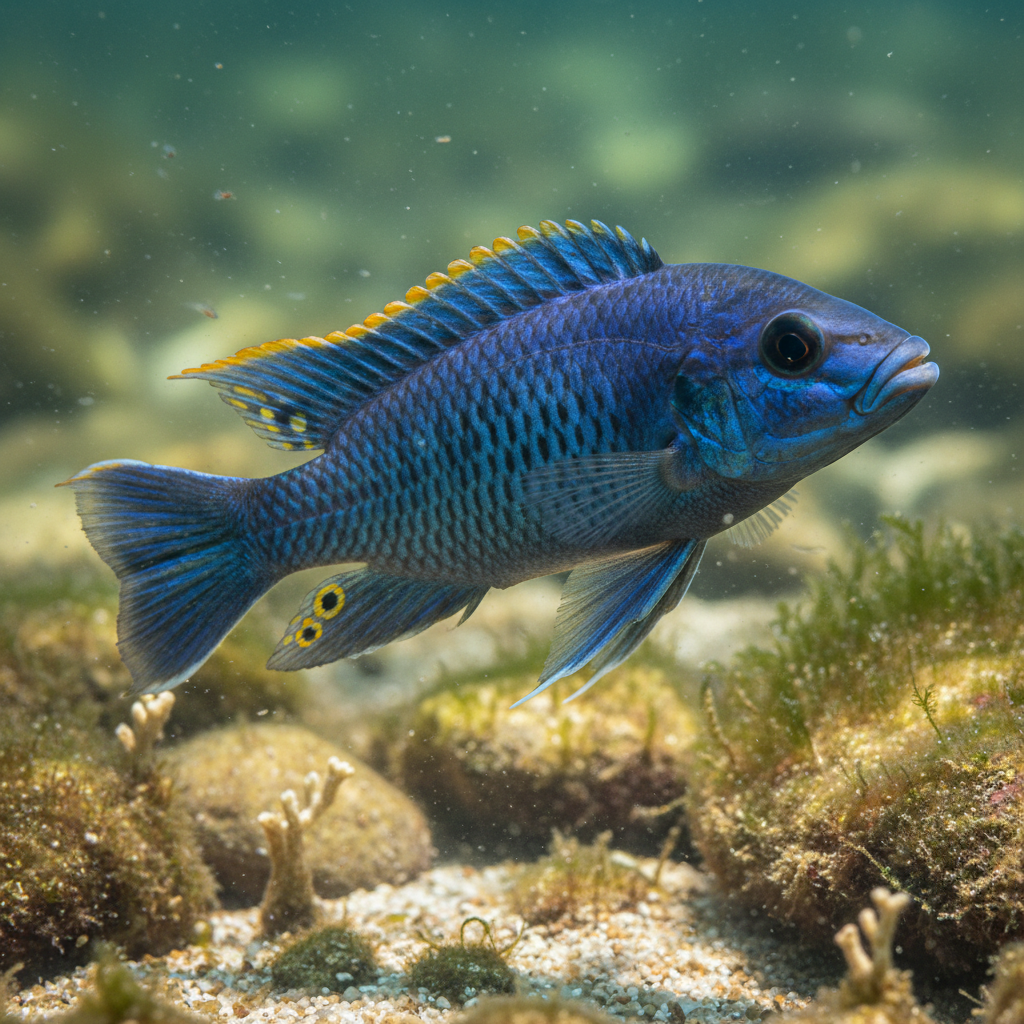
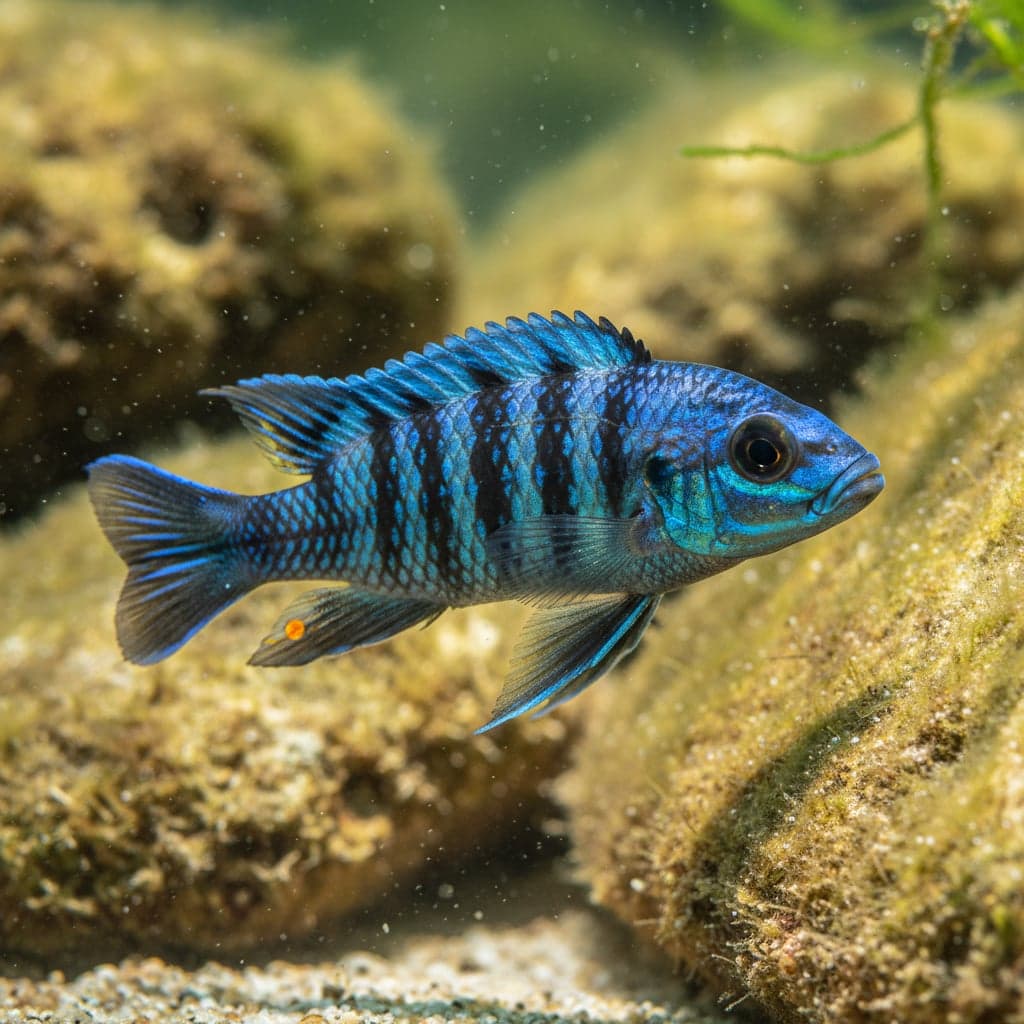
The Trewavasae, scientifically known as Labeotropheus trewavasae, is a stunning cichlid native to Lake Tanganyika in East Africa. This fish is known for its vibrant coloration, often showcasing blues, yellows, and blacks which make it a favorite among aquarium enthusiasts. The Trewavasae can grow to a length of up to 5 inches, and its unique body shape, combined with striking color patterns, promotes a visually appealing display in both home and public aquariums. As a cichlid, it embodies a fascinating interplay of behavior and beauty, making it highly sought after for malawi and African cichlid biotopes.
Significantly, the Trewavasae is celebrated for its roles in scientific studies and aquarium hobbies, particularly regarding its territorial nature and social hierarchy. This species exhibits a great deal of personality, often engaging in complex social interactions, making them interesting to observe. Their presence not only enhances the aesthetic appeal of an aquarium but also educates hobbyists about the natural behaviors of fish in their native habitats.
Natural Habitat & Origin
The Trewavasae is endemic to Lake Tanganyika, which is renowned for its deep waters and rich biodiversity. This freshwater lake is characterized by its clear waters, with pH levels typically ranging between 7.5 and 9.0, and water temperatures around 23 to 28 degrees Celsius (73 to 82 degrees Fahrenheit). The unique geology and chemical composition of Lake Tanganyika result in alkaline water that supports various cichlid species, including the Trewavasae. The regions where these fish thrive are often rocky with plenty of crevices and caves, providing essential shelter and breeding sites.
In its natural habitat, the Trewavasae primarily resides in rocky substrates where it can forage for food amongst the rocks. The dynamic environment of Lake Tanganyika, combined with factors like light penetration and varying depths, influences the behaviors and adaptations of the Trewavasae, making it a prominent species in this unique ecosystem.
Care Requirements
When keeping Trewavasae in captivity, specific care requirements must be adhered to for optimal health and well-being. A minimum tank size of 50 gallons is recommended, as these fish can be territorial and benefit from ample swimming space. The water parameters should be maintained at a temperature between 24 to 28 degrees Celsius (75 to 82 degrees Fahrenheit) with a pH level ranging from 7.8 to 8.5. Additionally, a hardness level of 10 to 15 dGH is suitable for their ideal environment.
For tank setup, a rocky substrate is advantageous, mimicking their natural habitats. Flat stones and caves should be strategically placed to provide hiding spots and territory markers. Lighting should replicate natural daylight conditions, and while live plants can be used, they must be robust to withstand the occasional digging behavior of cichlids. Artificial plants and decorations can also enhance the visual appeal while offering safety and comfort for the Trewavasae.
Diet & Feeding
The dietary preferences of Trewavasae lean towards omnivorous, although they primarily exhibit carnivorous tendencies. In captivity, they thrive on a varied diet that includes high-quality cichlid pellets, flake foods, and supplementary frozen or live foods such as brine shrimp, daphnia, and bloodworms. It’s essential to ensure that their diet is rich in protein to support their growth and coloration.
Feeding should occur 1-2 times daily, with smaller portions that can be fully consumed within a few minutes. This feeding regimen will not only maintain good water quality but also simulate their natural foraging behavior. Regular dietary variation will keep the Trewavasae healthy and active, decreasing the likelihood of nutritional deficiencies.
Behavior & Temperament
The Trewavasae exhibits unique behavioral traits that are typical of cichlids. They are primarily territorial fish, particularly males, and will often establish dominion over rock caves and crevices in the aquarium. While they are not schooling fish, they can be kept in pairs or small groups if space permits. It is advisable to maintain a ratio of one male to several females to mitigate aggressive behavior.
In the tank, Trewavasae prefer the mid- to bottom-level areas, where they can interact with their territories. They tend to show some aggression, particularly during breeding or when establishing their territories; hence it’s crucial to provide sufficient hiding places to minimize conflict. Regular observation will help assess any aggressive interactions and manage their social dynamics accordingly.
Tank Mates
Choosing the right tank mates for Trewavasae can enhance both their well-being and the overall aesthetic of the aquarium. Compatible species include other Lake Tanganyika cichlids, such as Neolamprologus and Julidochromis species, which can coexist peacefully when housed with similar-sized fish. Additionally, bottom-dwelling species like synodontis catfish can be good companions, as they occupy different niches within the tank.
However, it’s important to avoid keeping the Trewavasae with overly aggressive or larger fish that may outcompete them for territory or food. Some species to avoid include larger African cichlids like the Oscar and aggressive semi-aggressive species, which may outcompete or intimidate the Trewavasae. Selecting peaceful community fish or smaller cichlids will help ensure a harmonious tank environment.
Breeding
Breeding the Trewavasae in captivity can be a rewarding endeavor for aquarists. This species is a maternal mouthbrooder, with females laying eggs in rocky crevices and subsequently picking them up to incubate in their mouths. To successfully breed Trewavasae, it is essential to provide a breeding environment with ample hiding places and flat surfaces for egg-laying.
Conditions favorable for breeding include a slightly elevated water temperature of 26 to 28 degrees Celsius (79 to 82 degrees Fahrenheit) and stable water parameters. A breeding pair can be encouraged by feeding high-quality protein-rich foods, which help in conditioning the female for spawning. Once the eggs are laid and fertilized by the male, the female will carry the eggs for 2 to 3 weeks until they hatch, at which point the fry can be introduced to a nursery tank with appropriate care to ensure their growth and survival.
Common Health Issues
Like many freshwater fish, the Trewavasae can be prone to several health issues. Common diseases include ich (ichthyophthirius multifiliis), which is often triggered by stress or sudden changes in water temperature, and other parasitic infections that can affect cichlids. To prevent these ailments, maintain good water quality through regular testing and water changes, ensuring that the aquarium runs smoothly.
Moreover, provide a varied diet and observe fish behaviors closely to catch any early signs of illness. Quarantine new arrivals before introducing them to the main tank to minimize disease transmission. Regular observation and proactive care are critical in maintaining the health of Trewavasae and ensuring a thriving aquarium environment.