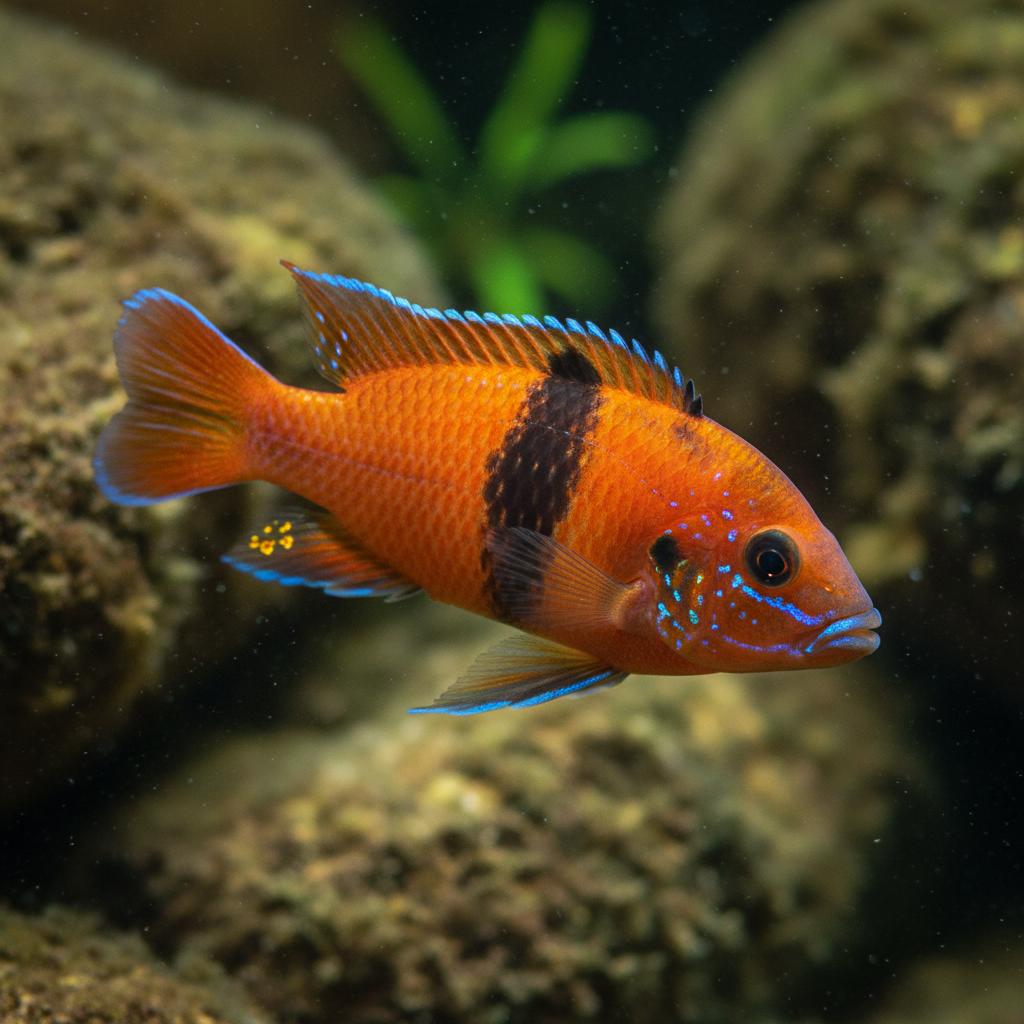
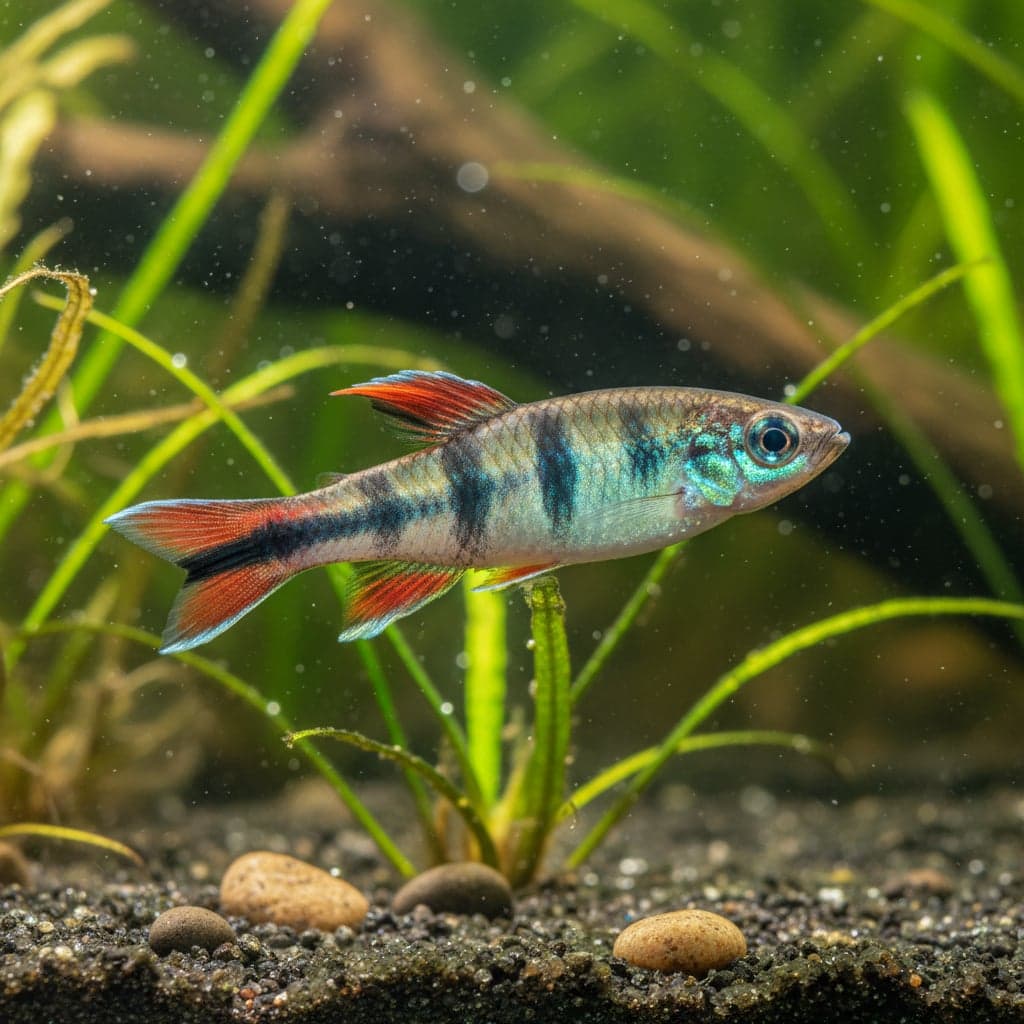
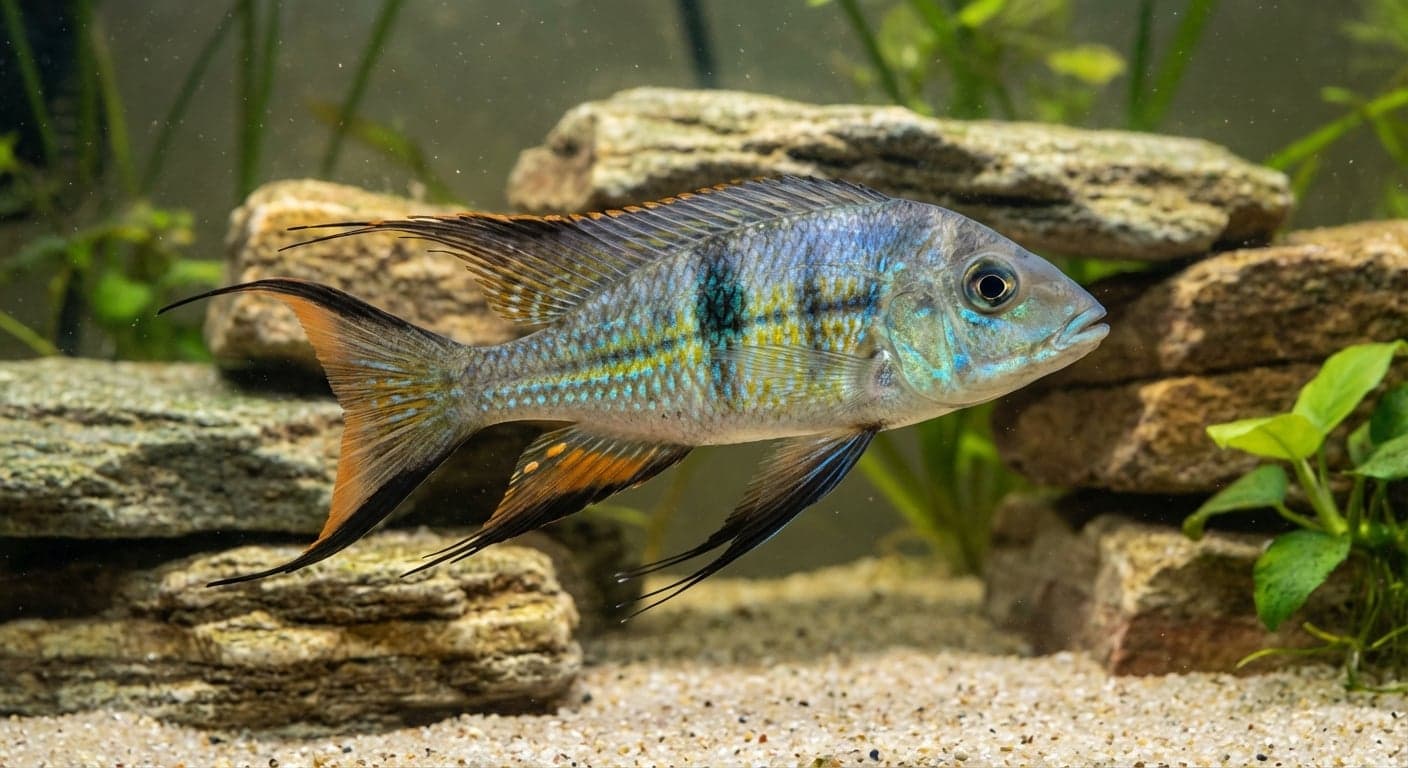
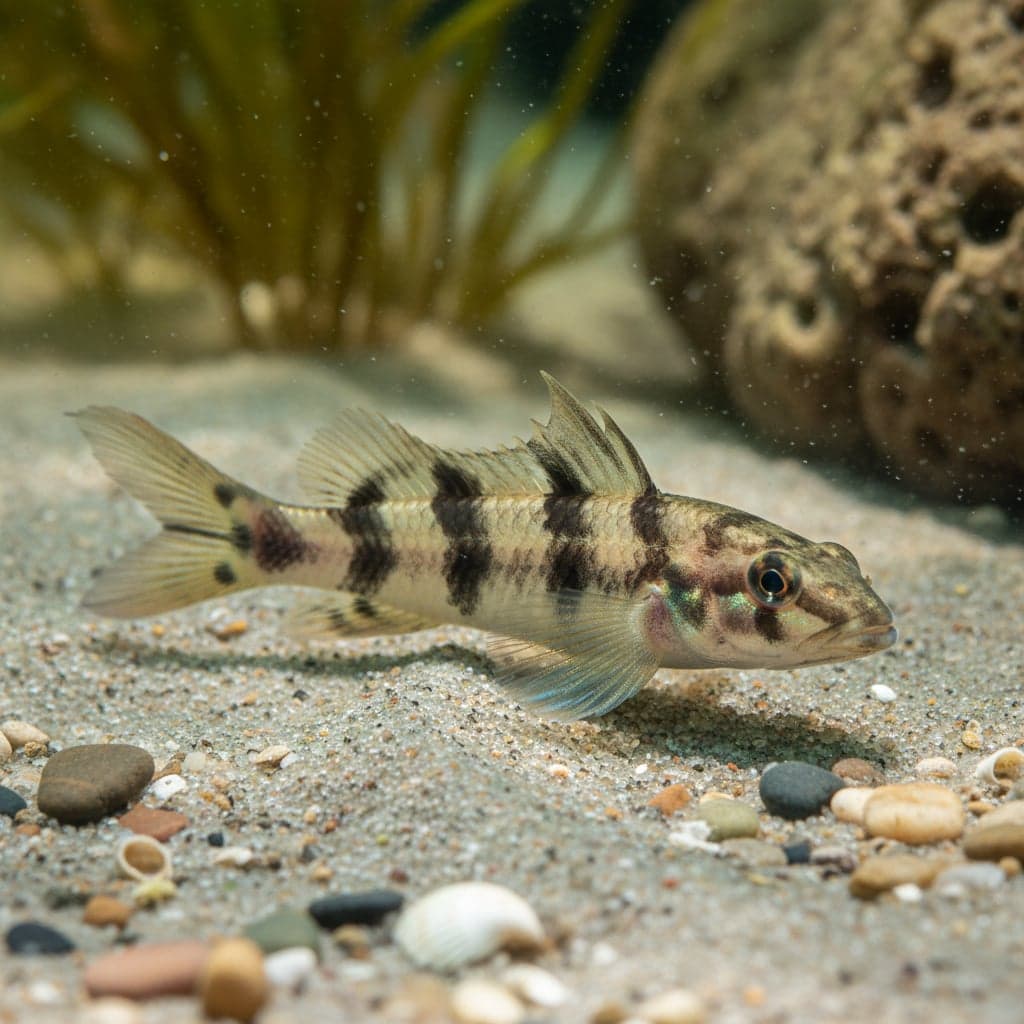
Tropheus Bemba Orange: Tropheus sp. Black 'Pemba'
A 14cm Tanganyikan mbuna kept in large colonies to spread aggression. Needs hard alkaline water and a strictly vegetable diet — bloat kills otherwise.

Tropheus sp. Black 'Pemba'
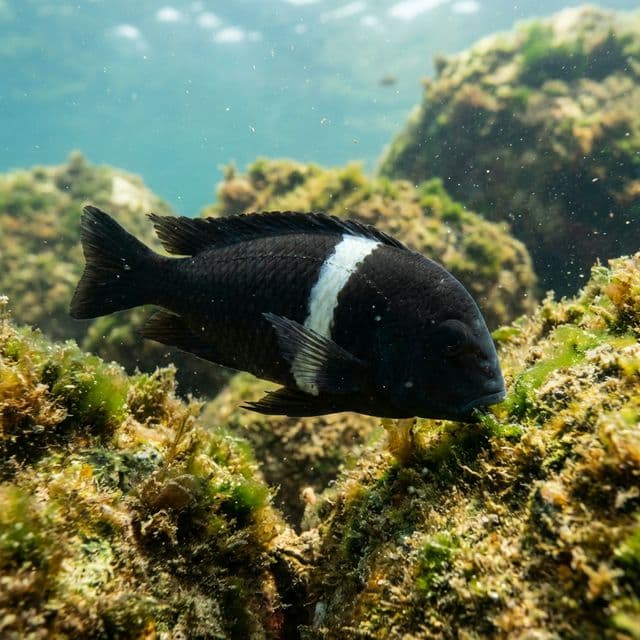
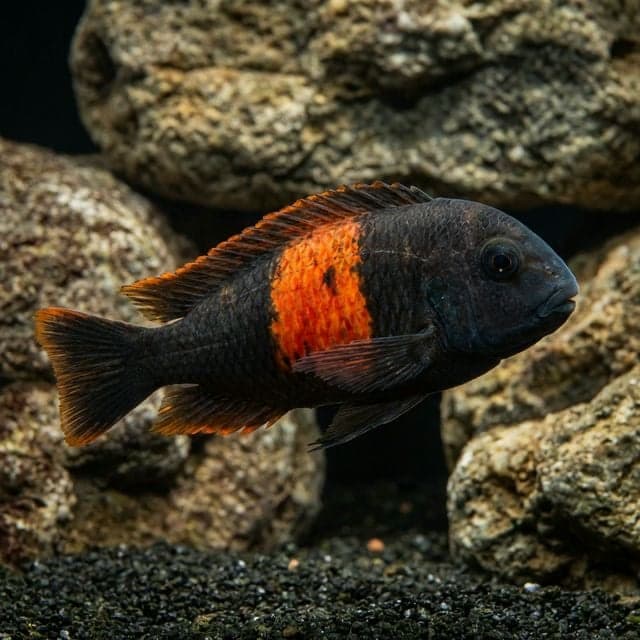
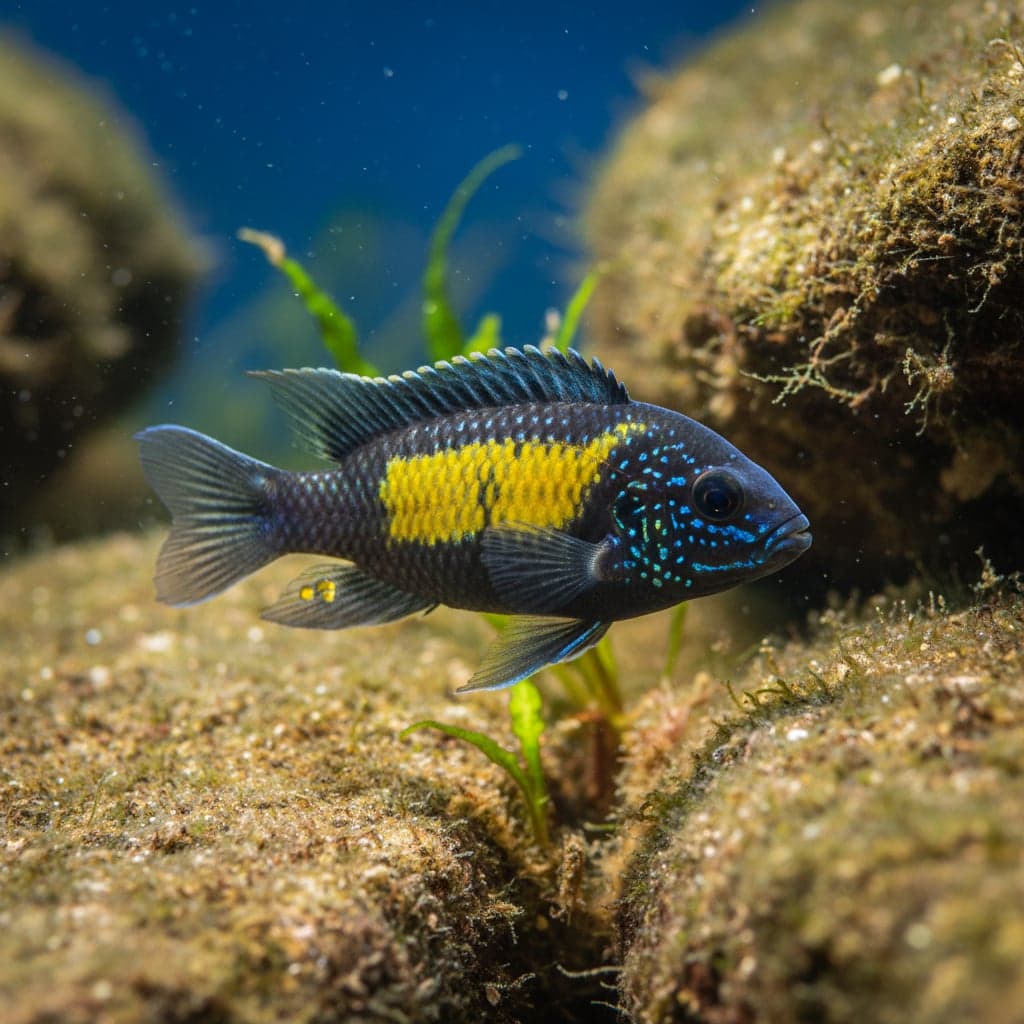
Tropheus sp. Black 'Pemba', commonly referred to as the Pemba Cichlid, is a visually striking freshwater fish native to the African Great Lakes. With its deep, dark body accentuated by vibrant markings that can range from bright orange to rich yellow, this species is particularly valued in the aquarium hobby for its stunning appearance and unique coloration. The Black 'Pemba' is an excellent representation of the cichlid family, showcasing both beauty and temperament. Its vivid coloration and intricate patterns attract aquarists looking to create dynamic and visually stimulating tank environments.
Beyond its aesthetic appeal, the Tropheus sp. Black 'Pemba' holds significant relevance in the aquarium trade. Its hardy nature, relatively easy care requirements, and fascinating behavioral traits make it a preferred choice for both novice and experienced aquarists alike. This species is not just visually captivating; it also plays a vital role in the natural ecosystem of its native habitat, contributing to the biodiversity and health of the aquatic environment. Understanding the complexities of Tropheus sp. Black 'Pemba' helps reinforce the importance of responsible fishkeeping and the preservation of its natural soil.
Natural Habitat & Origin
Tropheus sp. Black 'Pemba' hails from the rocky shorelines of Lake Tanganyika, situated within the central African region. This lake, known for its unique biodiversity, offers a rich environment for various cichlid species. The Tropheus sp. Black 'Pemba' is typically found in deeper waters characterized by rocky substrates where it can hide and forage. The water composition in this habitat is usually alkaline, with pH values ranging from 7.8 to 9.0, and the temperature typically hovers between 24°C and 28°C (75°F to 82°F).
The clear waters of Lake Tanganyika are often high in minerals, particularly calcium and magnesium, which help support the growth of the diverse aquatic flora that these fish feed on. The environment reflects a typical African Great Lake ecosystem, with myriad rocky crevices, vegetation, and submerged structures that provide shelter and breeding grounds for various cichlid species, including the Tropheus sp. Black 'Pemba'.
Care Requirements
Caring for the Tropheus sp. Black 'Pemba' involves maintaining specific water parameters that closely resemble its natural habitat. Ideal water conditions include a pH range of 7.8 to 9.0, a temperature of 24°C to 28°C (75°F to 82°F), and a hardness ranging from 10 to 20 dGH. A minimum tank size of 75 gallons is recommended to provide ample swimming space and territories for each fish, as they can become territorial as they mature.
For substrate, fine to medium gravel is preferable as it mimics the rocky bottom of their native lake. A well-structured tank with plenty of hiding spots, such as rocks and caves, allows these fish to feel secure and exhibit natural behaviors. While lighting should be moderate to bright to promote plant growth, live plants aren't strictly necessary; instead, incorporating artificial decorations can also offer shelter. It is essential to ensure good filtration to maintain water quality, as these fish can be sensitive to changes in their environment.
Diet & Feeding
Tropheus sp. Black 'Pemba' is primarily herbivorous, thriving on a diet rich in vegetable matter. However, they can also benefit from high-quality proteins found in various feeding options. In captivity, it's recommended to provide a mix of spirulina-based flakes or pellets, which deliver the necessary nutrients for their vibrant coloration and overall health. Additionally, feeding them blanched vegetables such as spinach, zucchini, and peas can offer variety in their diet.
Incorporating occasional protein sources, such as frozen or live foods like brine shrimp or daphnia, can help ensure a balanced diet, particularly during their breeding season. It’s crucial not to overfeed, as these fish tend to voraciously consume food, which can lead to health issues like bloat or obesity. Typically, feeding them small amounts multiple times a day ensures proper digestion and nutrient absorption.
Behavior & Temperament
The Tropheus sp. Black 'Pemba' exhibits fascinating social behaviors along with unique territorial instincts. This species is known to be somewhat aggressive, particularly during breeding times or when establishing dominance within the tank. They often establish hierarchies and prefer to be kept in groups to reduce stress and minimize aggression. Maintaining a ratio of more females to males can mitigate aggressive tendencies and territorial disputes.
In terms of vertical placement, these fish are often found in the middle to upper levels of the aquarium, exhibiting active swimming and foraging behavior. It’s essential to provide enough space and visual barriers, such as rocks and plants, to allow each fish to claim its territory while preventing constant confrontations.
Tank Mates
When selecting tank mates for Tropheus sp. Black 'Pemba', it is vital to consider species that can coexist peacefully without conflicting territorial traits. Compatible tank mates include other Lake Tanganyika cichlids like Neolamprologus species, certain species of Julidochromis, and peaceful community fish such as Synodontis catfish.
However, it is crucial to avoid more aggressive cichlid species or those that prefer a completely different water chemistry, as conflicts can lead to stress or injury. Other fish with similar behavioral patterns that require more space and territorial setups are better choices to prevent aggression. Species like smaller tetras or livebearers are generally unsuitable due to their size, which may provoke hunting behavior in the Tropheus sp. Black 'Pemba'.
Breeding
Breeding Tropheus sp. Black 'Pemba' can be challenging but rewarding, provided the right conditions are met. This species is a mouthbrooder, where females carry and incubate the eggs in their mouths until they hatch. To encourage breeding, ensure optimal water parameters are maintained, namely a stable pH, good hardness, and slightly elevated water temperatures. Providing plenty of hiding spots and caves encourages natural spawning behaviors.
During courtship, males will typically display to entice females, often resulting in brief bouts of chasing. Once a female selects a mate, she will lay her eggs on a flat rock or surface, where the male fertilizes them. Following this, the female will collect the eggs in her mouth for incubation, separating her from the male for a period ranging from three to four weeks until the fry are ready to be released. Frequent feedings and housing in larger groups can improve breeding success.
Common Health Issues
Tropheus sp. Black 'Pemba' can be susceptible to several common health issues, particularly if not appropriately cared for. These issues include bloat, which can occur due to overfeeding or stress, and malawi bloat, a severe condition linked to an unsuitable diet. Additionally, they are prone to ich and other parasitic infections if water quality is compromised.
To prevent these diseases, it's essential to maintain high water quality and conduct regular water changes. A robust feeding regimen that emphasizes high-quality food tailored for herbivorous cichlids helps strengthen the immune system. Observing the fish regularly can aid in early detection of any health concerns, ensuring prompt treatment if necessary. By providing an optimal environment and nutritious diet, aquarists can significantly reduce the occurrence of health issues within their Tropheus sp.