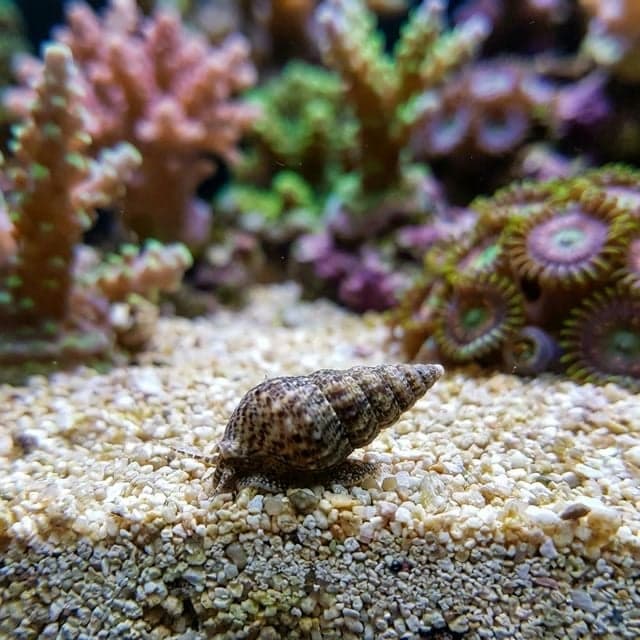
Mexican Turbo Snail: Turbo fluctuosa
The bulldozer of the reef tank. Mexican Turbo Snails have an enormous appetite for hair algae but can knock over unsecured corals.
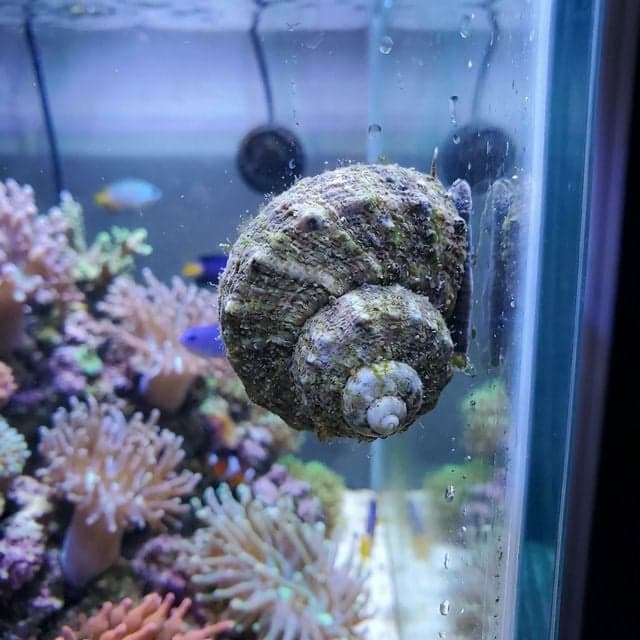
Mexican Turbo Snail
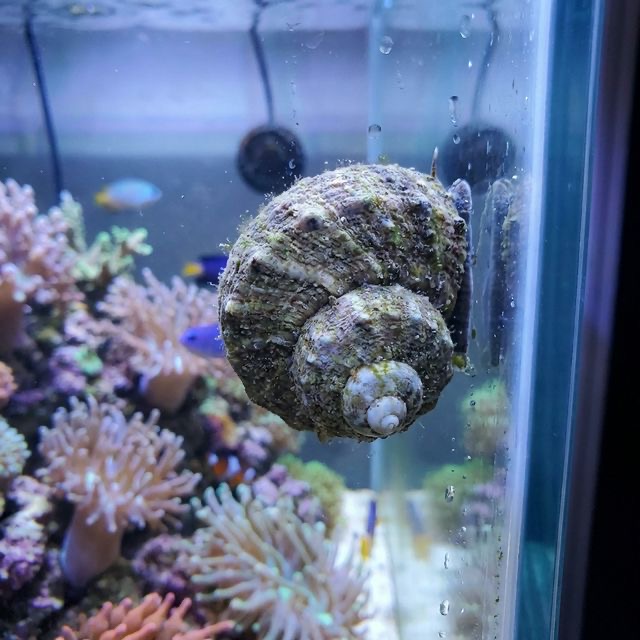
The Mexican Turbo Snail, scientifically known as Turbo fluctuosa, is a fascinating marine gastropod that is highly regarded in the aquarium hobby due to its striking visual appeal and ecological benefits. Characterized by its sturdy, spiraled shell that ranges in color from earthy browns and greens to vibrant yellows and blues, the snail's patterns often resemble mosaic tiles. This decorative appearance not only captivates aquarists and casual observers alike but also serves a practical purpose, as the varied coloration can help the snails blend into their natural environments, providing protection from predators.
In addition to its aesthetic charm, the Mexican Turbo Snail plays a crucial role in maintaining a healthy aquarium ecosystem. Renowned for its algae-grazing abilities, this snail effectively manages algae growth on rocks, substrates, and aquarium glass, promoting an aesthetically pleasing and balanced aquatic environment. As such, these snails are often seen as essential custodians within reef tanks and marine setups, where they can thrive while contributing to overall water quality and clarity.
Natural Habitat & Origin
The Mexican Turbo Snail is indigenous to the warm waters of the eastern Pacific Ocean, primarily found along the coasts of Mexico and Central America. This marine species typically inhabits rocky substrates in shallow waters, often in areas characterized by strong wave action and bright sunlight. In its natural environment, it thrives in clear, shallow waters that are rich in nutrients, favoring habitats with plenty of algae growth. Understanding this natural habitat provides essential insights into recreating optimal living conditions in captivity.
These snails prefer environments resembling coral reefs and tidal pools, where they can graze on algae and detritus while also finding sheltered areas to avoid direct currents. The brackish or clean, well-oxygenated waters of these habitats are fundamental for the snails’ health and nutrition, making it crucial for aquarists to emulate these aspects in a captive setting to ensure the well-being of the Mexican Turbo Snail.
Care Requirements
To successfully care for Mexican Turbo Snails, it is essential to maintain appropriate water parameters. Ideal conditions include a pH range of 8.1 to 8.4, a temperature between 72°F and 78°F (22°C to 26°C), and a salinity level of approximately 1.020 to 1.025 specific gravity. The snail thrives best in well-maintained reef aquariums featuring stable water chemistry, as fluctuations can lead to stress and health issues.
For tank setup, a minimum tank size of 20 gallons is recommended, as this allows space for the snails to roam freely and graze on algae. A sandy substrate is ideal, enabling the snails to burrow and feel secure. Additionally, incorporating live rocks, corals, and various marine plants provides essential hiding spots and grazing surfaces, while moderate lighting helps support the growth of algae that the snails depend on for dietary purposes.
Diet & Feeding
Mexican Turbo Snails are primarily herbivores, with a diet consisting mainly of algae and detritus. They are well-known for their exceptional algae-grazing capabilities, making them integral for controlling algal growth in the aquarium. In terms of diet diversity, they thrive on a mix of natural algae and algae-based foods, including spirulina flakes, pellets, and other herbivore-specific aquarium products.
While detritus forms a significant part of their diet, it is also advisable to supplement their nutrition with occasional offerings of blanched vegetables, such as zucchini, spinach, or nori sheets. This ensures that their dietary needs are met and promotes their overall health and vitality, particularly in a closed aquarium system where natural grazing may be limited.
Behavior & Temperament
The Mexican Turbo Snail is known for its mostly peaceful nature, making it an excellent addition to community tanks. These snails exhibit solitary behavior and do not require schooling; however, they can often be seen grazing independently across the substrate or rockwork. Generally, they are non-aggressive and do not pose a threat to other tank inhabitants, although they may occasionally cross paths with other scavengers.
In terms of vertical placement in the tank, they prefer to stay closer to the substrate where they can easily access algae and detritus. The agile nature of these snails allows them to navigate various surfaces effectively, showcasing a fluid motion as they graze, which can be a delightful visual experience for aquarists.
Tank Mates
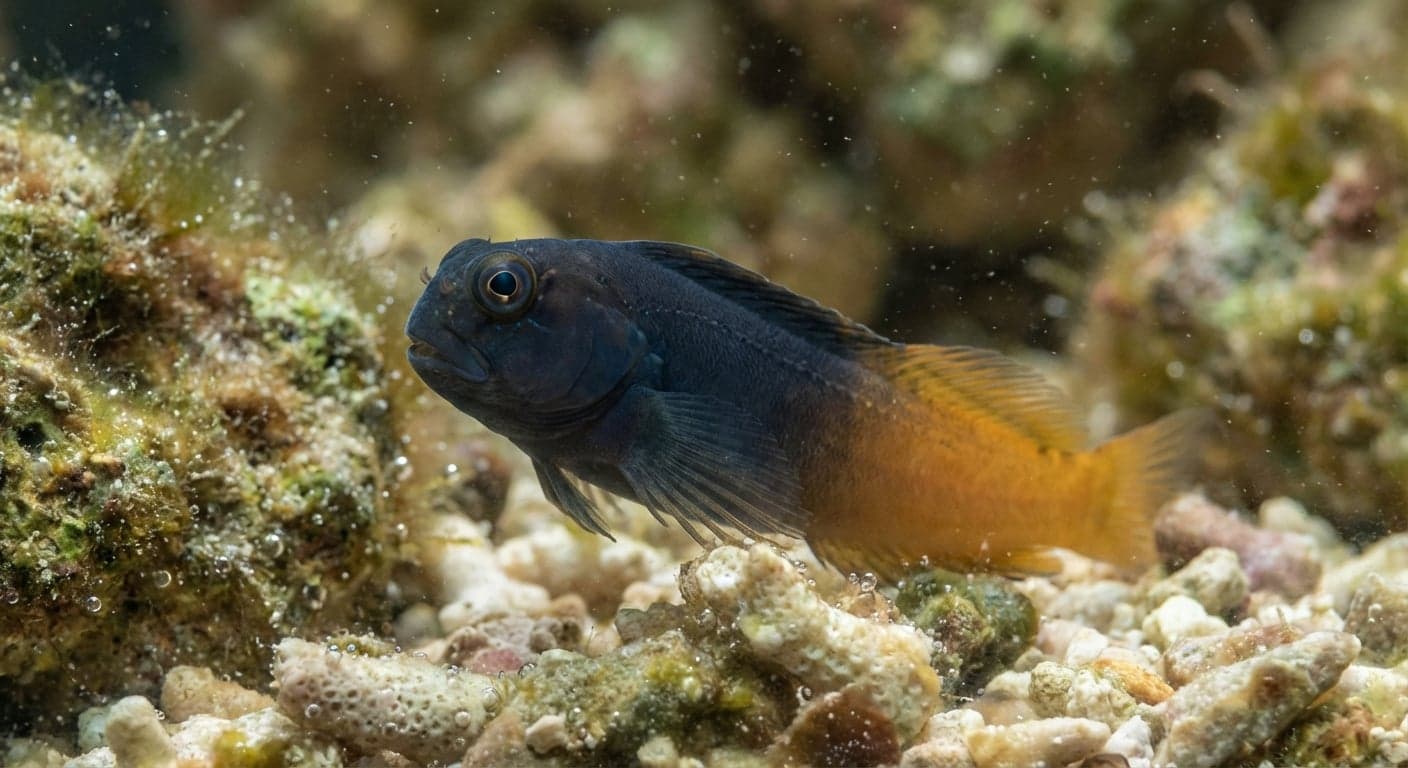
The Mexican Turbo Snail is compatible with a variety of tank mates, making it suitable for reef and community aquariums. Friendly species to include alongside these snails consist of small clownfish, gobies, blennies, and peaceful damselfish. Additionally, other herbivorous fish like tangs and certain wrasses can coexist well, as they often prefer similar dietary sources.
However, tank mates should be chosen carefully. Species known for aggressive behavior, such as lionfish or triggerfish, should be avoided, as they may see the snails as a meal or threaten their well-being. Avoiding large, boisterous fish is crucial to maintaining harmony within the tank.
Breeding
Breeding Mexican Turbo Snails in captivity can be a challenging endeavor, primarily due to their specific spawning requirements. In their natural habitat, these snails are known to be broadcast spawners, releasing eggs into the water column to be fertilized by males. This external fertilization method complicates breeding efforts in home aquariums since it necessitates precise water conditions and a significant number of individuals to increase the likelihood of successful reproduction.
For successful breeding, it's essential to provide a large, well-established tank with stable water chemistry and ample food supply. The ideal environment should include a varied substrate and vegetation that mimics their natural spawning grounds. While attempting to breed them, aquarists will need to ensure they have several males and females to enhance the chances of appropriate mating opportunities.
Common Health Issues
Mexican Turbo Snails are generally resilient creatures, but they can be prone to certain health issues if not properly cared for or if kept in unsuitable environments. One common concern is shell rot, often caused by poor water quality or physical damage to the shell. Regular maintenance of water parameters is crucial in preventing such issues, along with ensuring that snails are provided with calcium-rich foods to help strengthen their shells.
Another potential issue is parasitic infestations, particularly in younger individuals. These snails can be affected by marine parasites such as worms or flukes, which may lead to lethargy or visible distress. Prevention involves maintaining good tank hygiene, performing regular water changes, and providing a balanced diet to promote overall health. If signs of illness are observed, isolation and treatment may be necessary to prevent the spread within the aquarium.