Twospot Hogfish
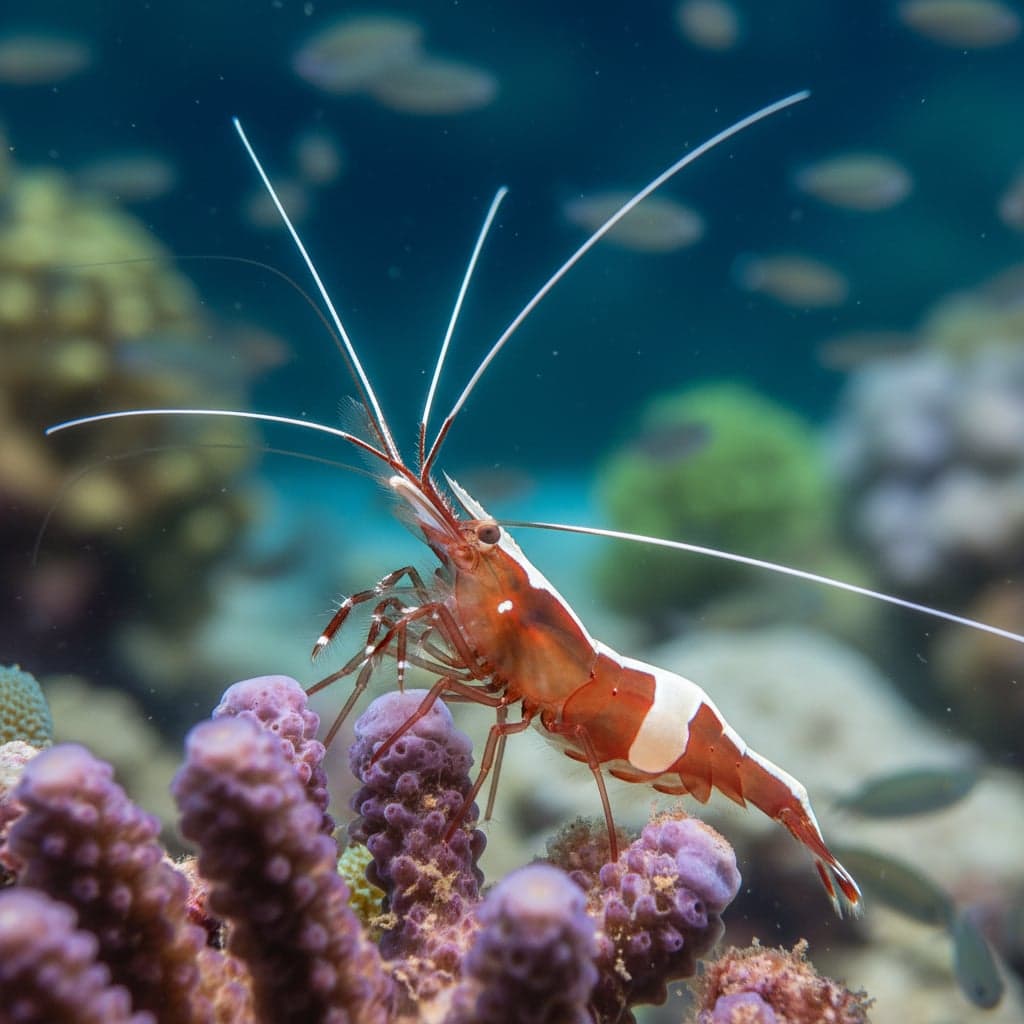
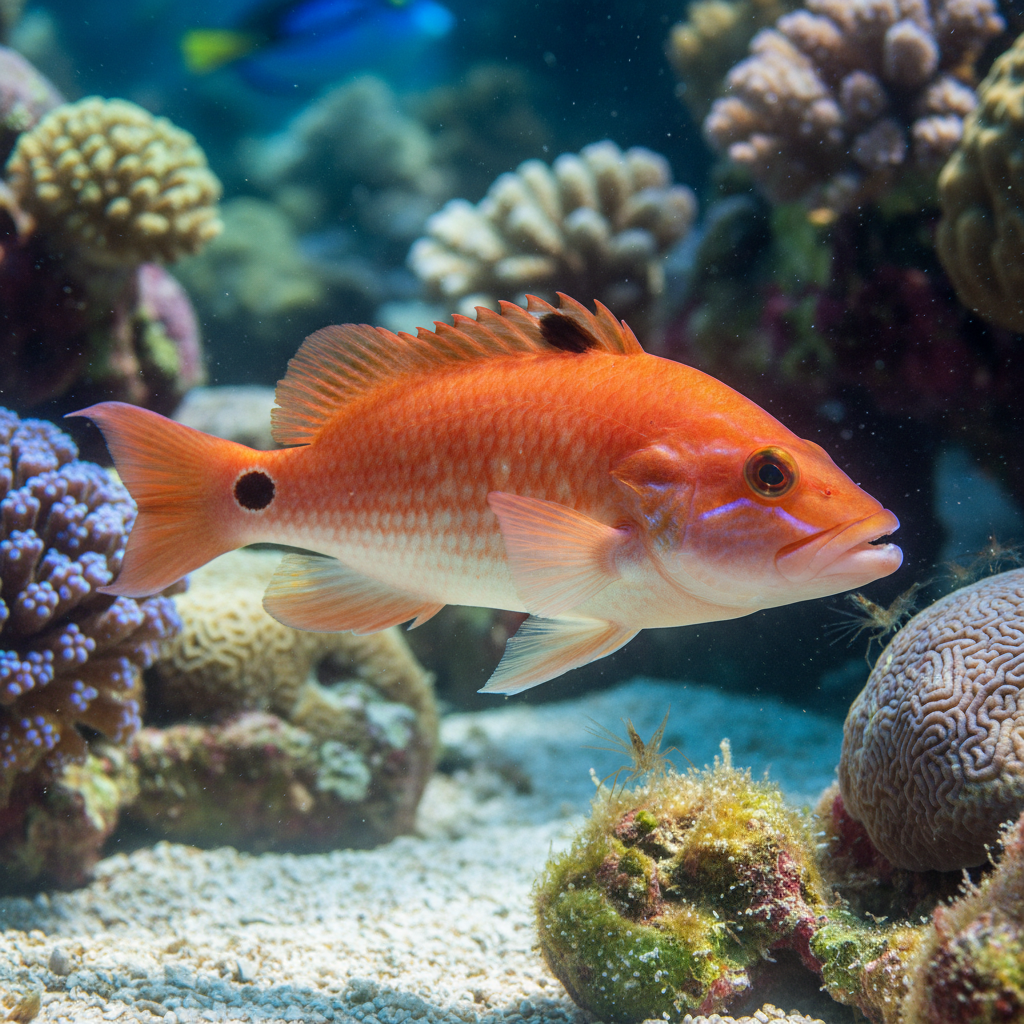
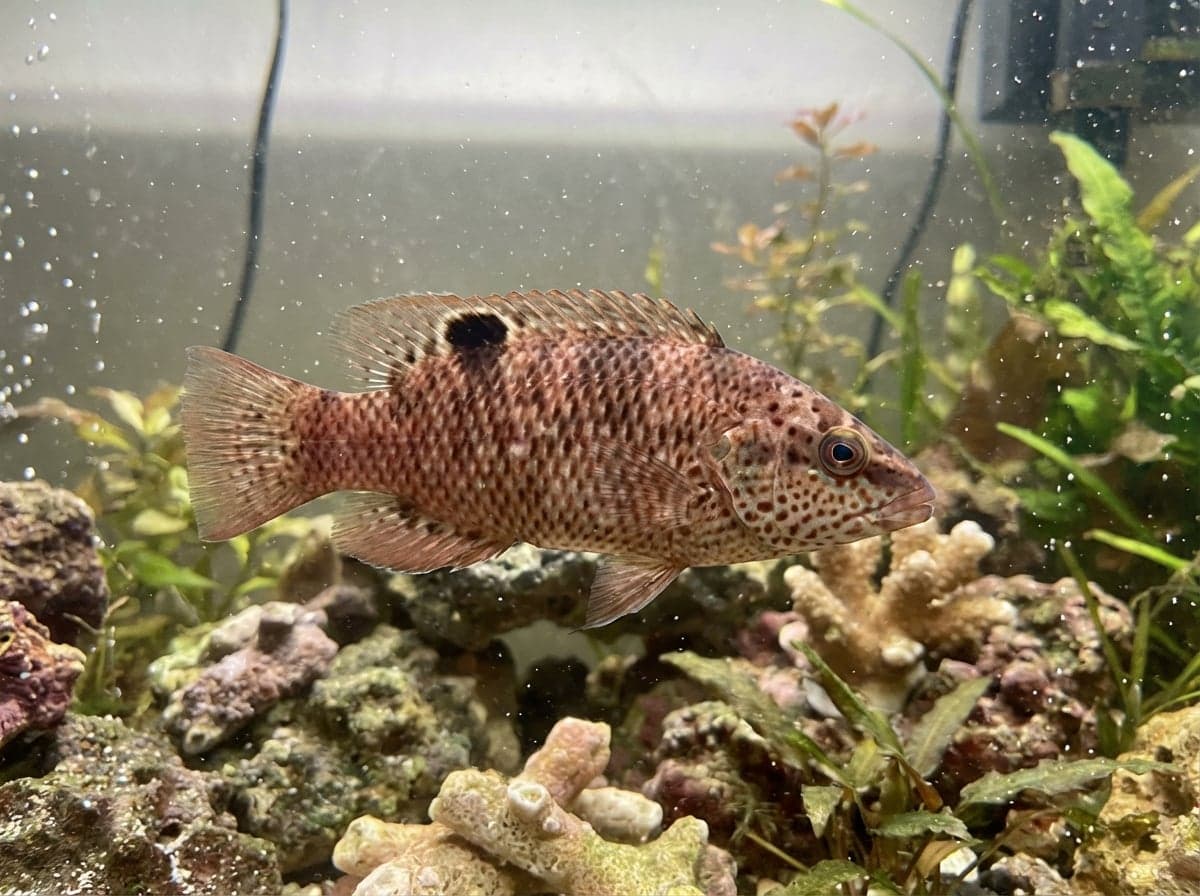
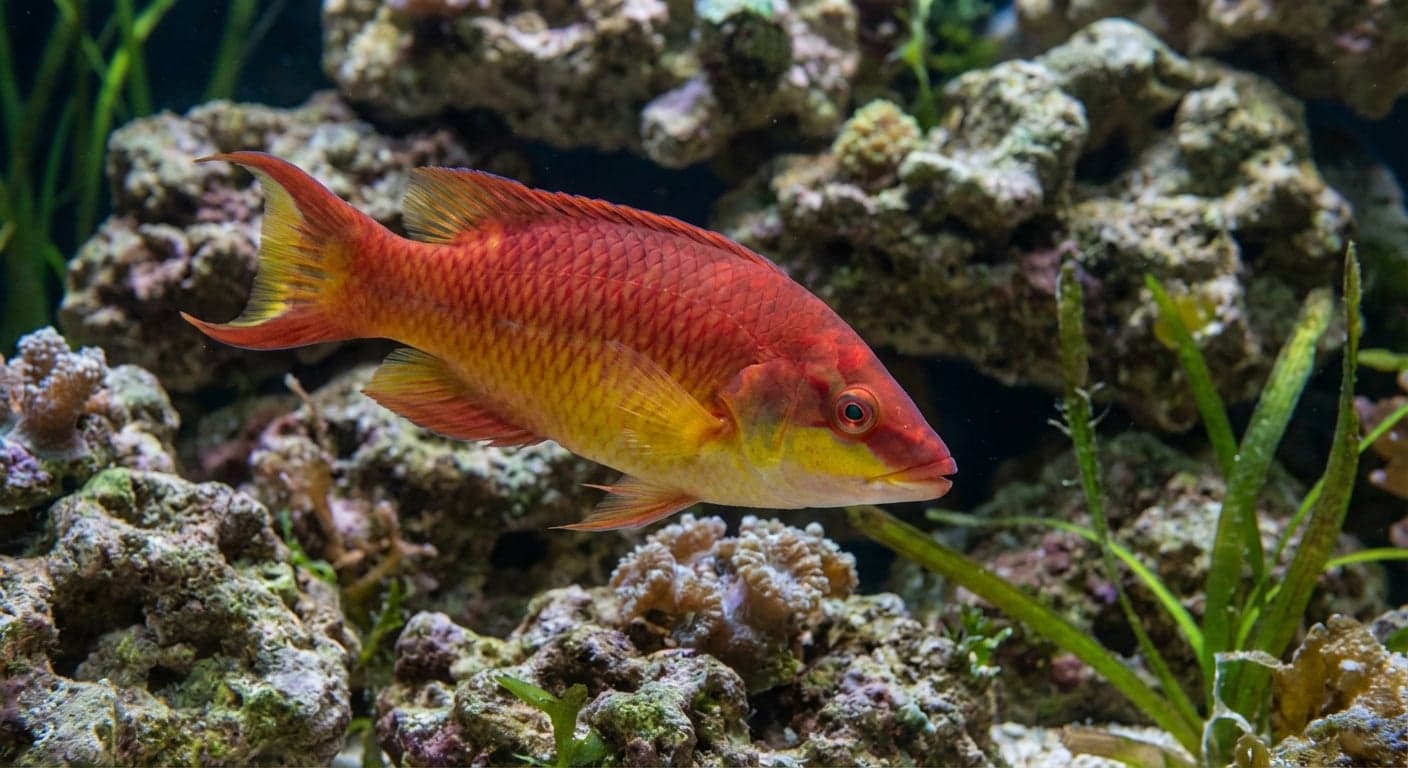
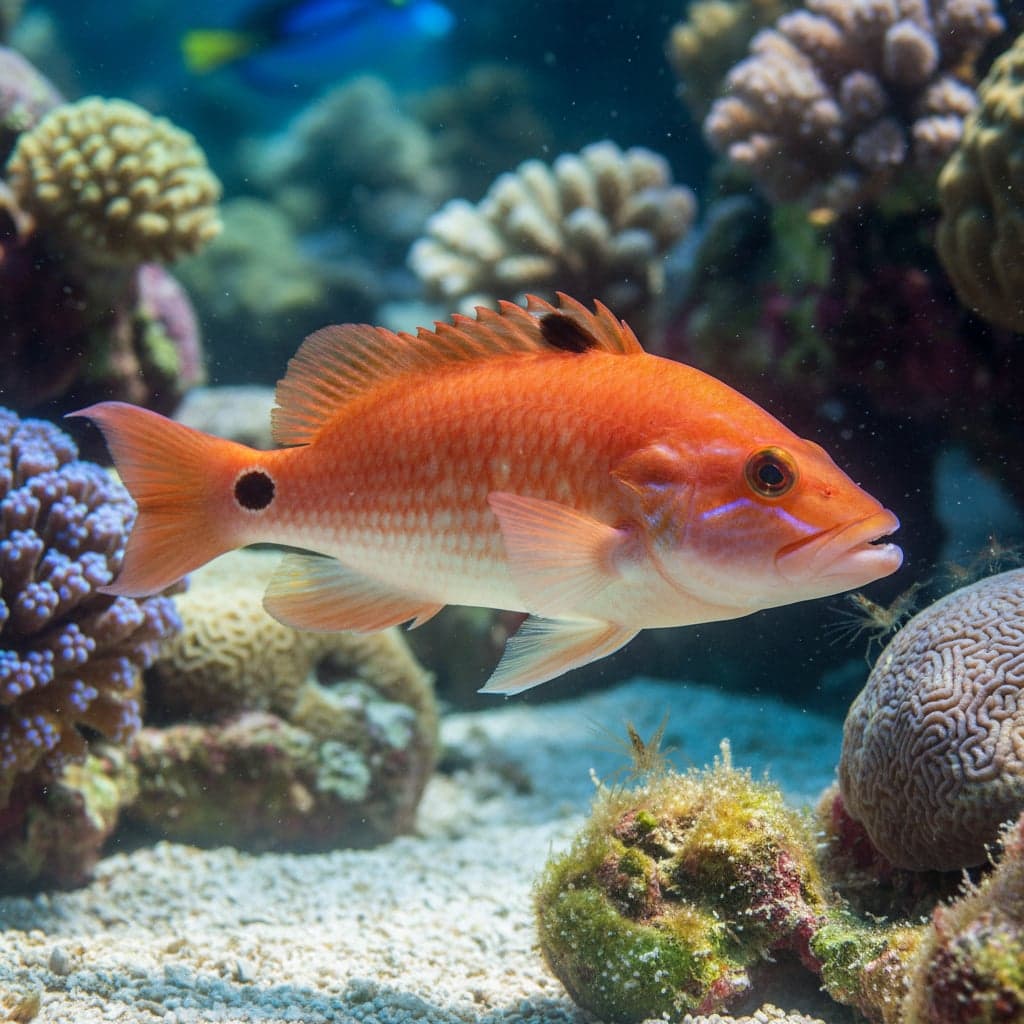
A 10cm deepwater hogfish, one of the few small enough for a home reef. Peaceful, hardy, but it will eat ornamental shrimp.
Twospot Hogfish
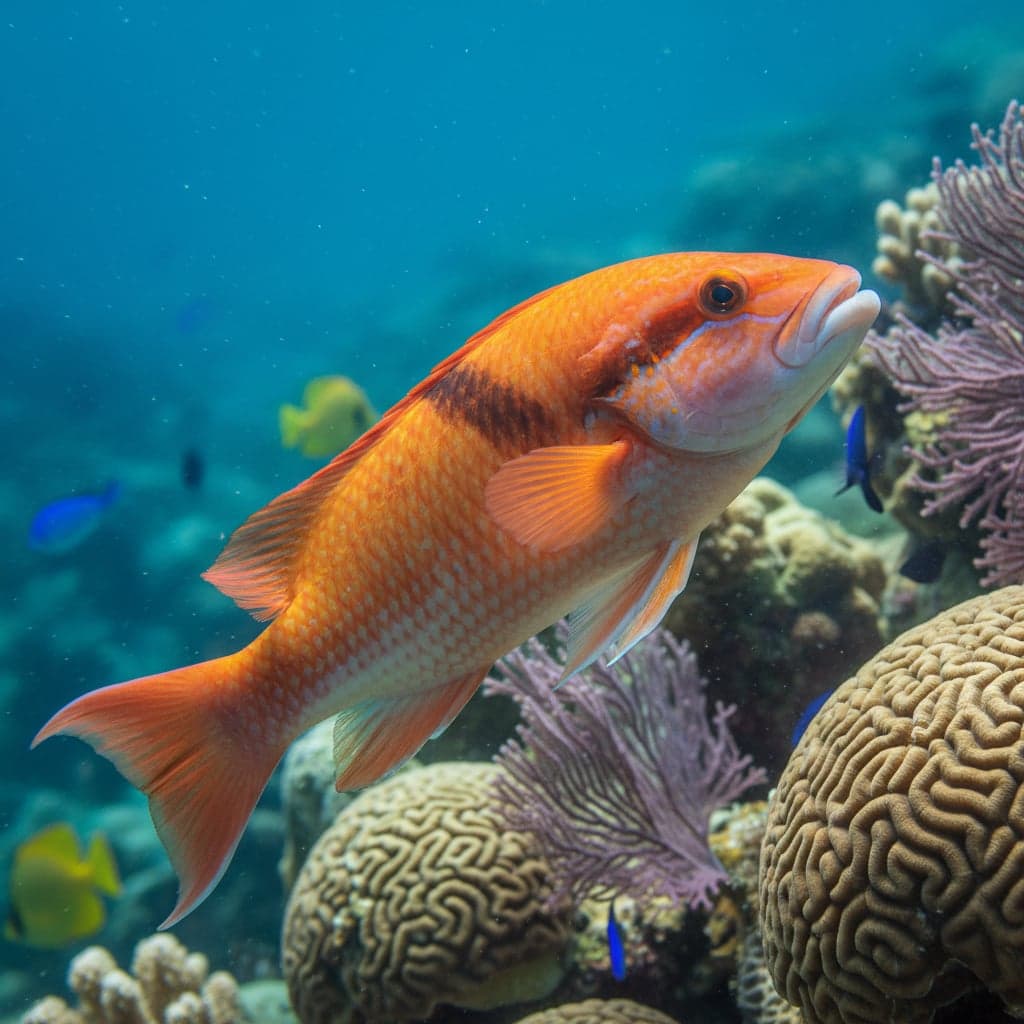
The Twospot Hogfish (Bodianus bimaculatus) is a striking marine species that captivates aquarium enthusiasts with its vibrant colors and remarkable adaptability. Typically exhibiting a bright red or pink body adorned with distinctive black spots near the tail and dorsal regions, this species combines visual appeal with a unique personality that makes it an excellent addition to both novice and experienced marine aquariums. Its lively behaviors and dynamic swimming patterns contribute to the aesthetic charm of community tanks, drawing attention and admiration from observers.
In the aquarium hobby, the Twospot Hogfish holds significant value beyond its appearance. As a member of the wrasse family, this fish contributes to the ecological balance in aquariums by controlling pest populations, such as nuisance invertebrates. Hobbyists appreciate the Twospot Hogfish for its hardy nature; it is generally resistant to many common diseases and can adjust to varying water conditions, making it suitable for a wide range of aquarists. The combination of its visual allure, lively temperament, and ecological benefits solidifies the Twospot Hogfish's status as a prized specimen in marine aquariums.
Natural Habitat & Origin
The Twospot Hogfish is indigenous to the coral reefs of the Indo-Pacific region, specifically found around the coastlines of the Red Sea and in the waters of the Western Pacific. It inhabits environments characterized by sloping reef areas and rocky substrates, where it can find shelter among crevices and reef structures. These habitats are typically clear, warm waters with a stable salinity, providing the optimal conditions for the Twospot Hogfish to thrive. With its strong association with reef ecosystems, this fish contributes to the biodiversity of its natural environment and plays a role in maintaining the overall health of these complex aquatic systems.
Typically found in depths ranging from 5 to 50 meters, the Twospot Hogfish can adapt to varying light conditions, which can influence its behavioral patterns. The clear waters of its native regions allow for high visibility and diverse marine life, which fosters a stable ecosystem where the Twospot Hogfish can find ample food sources and breeding opportunities. This adaptation to its native habitat is crucial for aquarists to understand, as recreating similar environmental conditions in captivity is vital for the well-being of this species.
Care Requirements
When caring for the Twospot Hogfish, it's essential to maintain specific water parameters to ensure its health and longevity. The ideal pH range for this species is between 8.1 and 8.4, with a temperature range of 75°F to 82°F (24°C to 28°C) and moderate hardness of around 8–12 dGH. Maintaining stable water conditions is crucial, as fluctuations can lead to stress and health issues for the fish. It's also important to invest in good filtration systems to keep the water clean and oxygenated.
In terms of tank setup, a minimum aquarium size of 50 gallons is recommended to provide adequate swimming space and territory for the Twospot Hogfish. The tank should be structured with rocks and ledges to simulate its natural habitat and offer places to hide. A sandy substrate is preferred, as it mimics the ocean floor while allowing the fish to exhibit natural foraging behavior. Moderate to strong lighting is suitable, as it can promote plant growth and enhance the aesthetic appeal of the aquarium. While live plants can be included, it's essential to provide ample space for the Hogfish to navigate and explore.
Diet & Feeding
The Twospot Hogfish is primarily a carnivorous species, thriving on a varied diet that includes a mix of meaty foods. In the wild, they primarily feed on crustaceans, smaller fish, and polychaetes, so replicating this diet in captivity is important for their health. A balanced diet for the Twospot Hogfish should include high-quality marine pellets, frozen foods such as mysis shrimp, and occasional live food options like brine shrimp to provide adequate nutrition.
Hobbyists should aim to feed their Twospot Hogfish multiple times a day, offering small portions to ensure they consume everything efficiently. Flake foods can also be included, but they should not be the sole component of their diet. Ensuring that the fish receives a wide range of nutrients will support prolonged health and vibrant coloration. Regular feeding schedules and a diverse diet will enhance the fish's well-being and help maintain its captivating appearance.
Behavior & Temperament
The Twospot Hogfish is known for its inquisitive and active nature, making it a delightful addition to a marine aquarium. Typically displaying a semi-aggressive temperament, it may exhibit territorial behaviors, especially towards similar-looking species or any fish that invades its space. While they can be territorial, they are not known to be overly aggressive towards larger or diverse tank mates. Due to their curious and bold nature, they often explore all areas of the tank, from the substrate to the upper water column.
In terms of social behavior, the Twospot Hogfish is best kept in pairs or groups, provided there is enough space to establish individual territories. They are not strict schoolers and generally prefer to roam and exhibit solitary behaviors when necessary. Their vertical placement in the tank varies, but they often thrive in the mid-level to upper areas, leveraging their agility and swimming prowess. Observing their dynamic interactions can add a layer of excitement to the aquarium experience.
Tank Mates
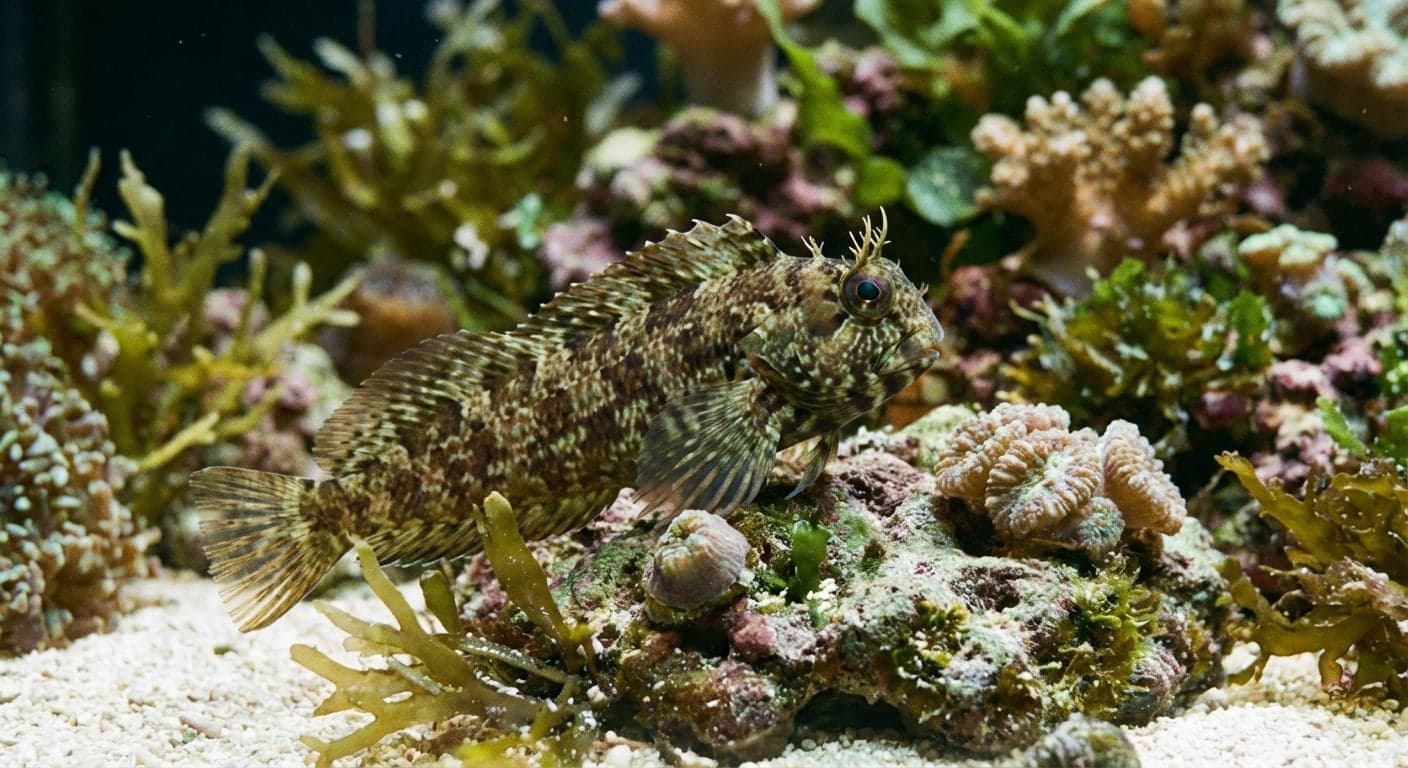
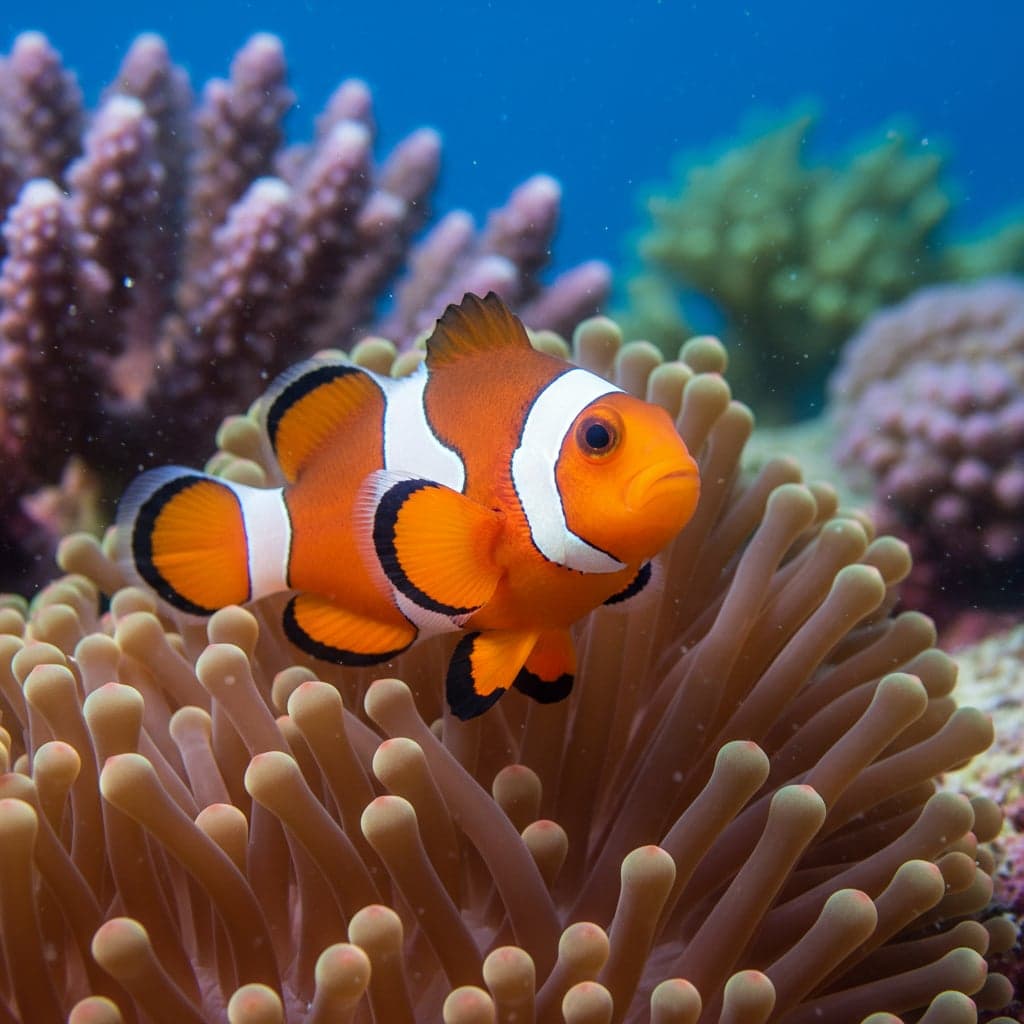
Choosing compatible tank mates for the Twospot Hogfish requires careful consideration, as they can exhibit territorial behaviors. Suitable companions include larger, non-aggressive species such as clowns, angelfish, and other wrasses that can coexist without competing for territory. Additionally, peaceful bottom dwellers, such as gobies and blennies, make good tank mates due to their different swimming levels and behaviors.
Conversely, it is advisable to avoid housing the Twospot Hogfish with smaller fish or species that exhibit similar coloration and shapes, as they may be seen as rivals or potential prey. Aggressive fish, such as damselfish and certain basslets, should also be excluded to prevent conflicts. By carefully selecting tank mates, aquarists can create a harmonious and vibrant community that enhances the overall aquarium experience.
Breeding
Breeding the Twospot Hogfish in captivity presents unique challenges, primarily due to their reproductive habits. In the wild, these fish are protandrous hermaphrodites, beginning life as males and transitioning to females as they mature. For successful breeding, aquarists need to provide a stable and stress-free environment with ample hiding spots and water parameters that closely mimic their natural habitat. A breeding pair is preferably established, with individuals reaching sexual maturity around 5 to 6 inches in length.
To encourage spawning, it’s beneficial to maintain a separate breeding tank with frequent water changes and elevated nutritional offerings. During the spawning process, the female will lay eggs in a suitable location, which the male will then fertilize. After eggs are laid, parental care is generally minimal, and the eggs should be monitored closely, usually hatching within a day or two. Hobbyists can raise the fry in specialized fry systems, venturing towards marine foods as they grow.
Common Health Issues
While the Twospot Hogfish is generally hardy, like all aquarium species, they can be susceptible to certain health issues. One of the most common concerns is ich (white spot disease), along with fin rot and bacterial infections linked to poor water quality or stress. Maintain stable marine parameters, strong filtration, and regular water changes. Quarantine new arrivals and offer a varied diet to bolster immunity. Watch for white spots, frayed fins, clamped fins, or lethargy, and treat promptly with reef-safe medications. With attentive husbandry and stable salinity, Twospot Hogfish remain hardy, colourful additions that reward careful marine aquarium keepers.