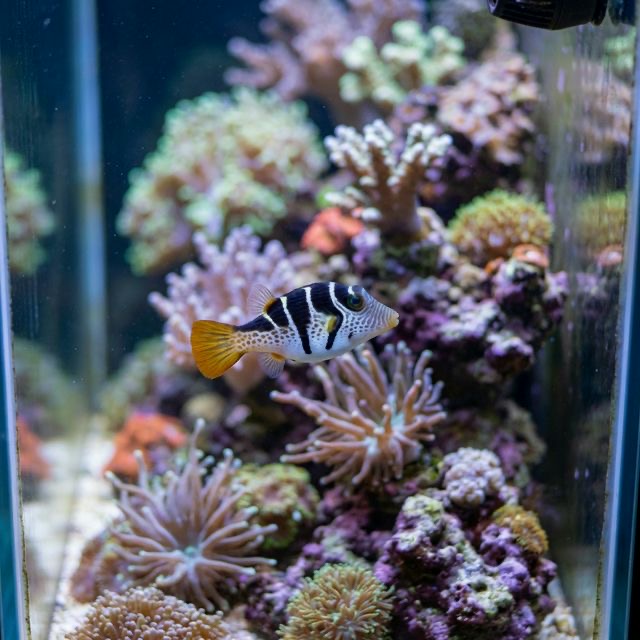
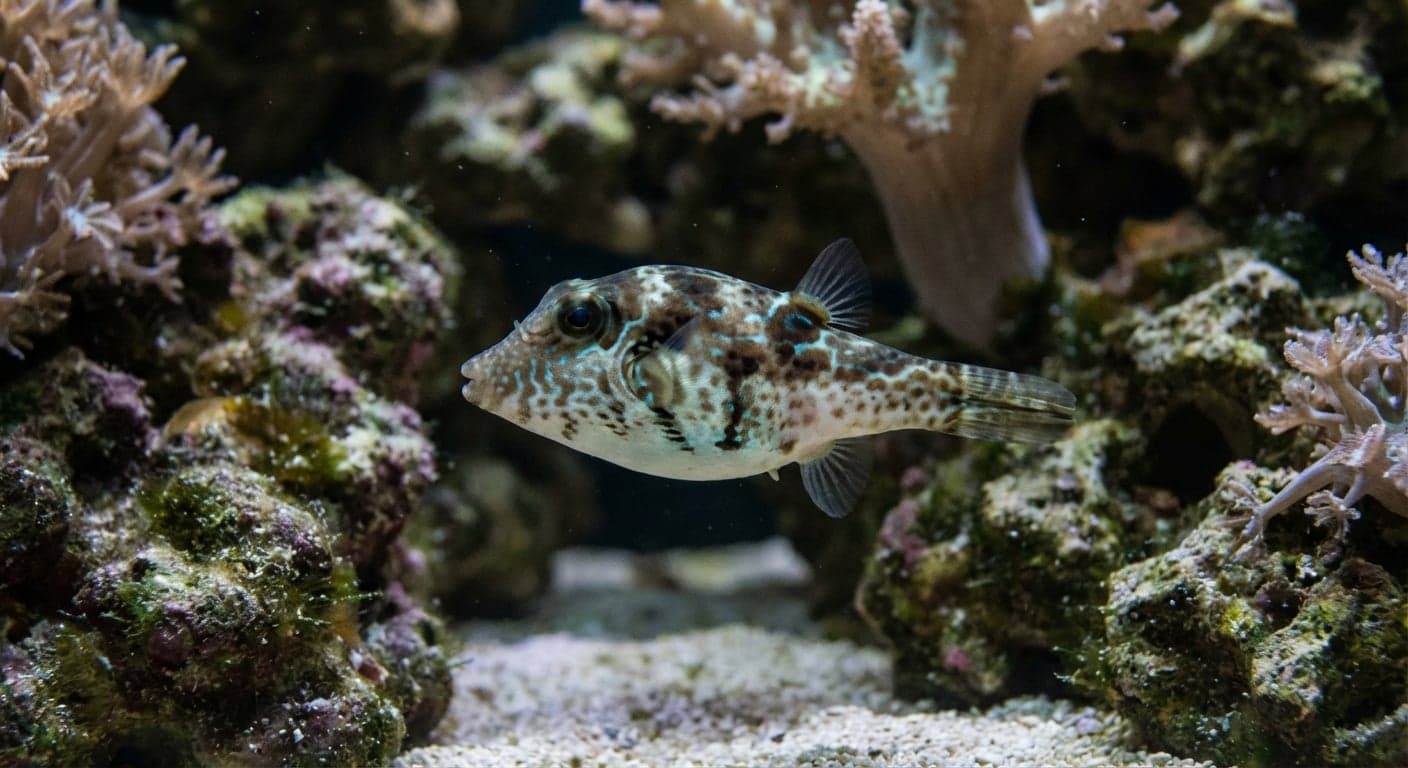
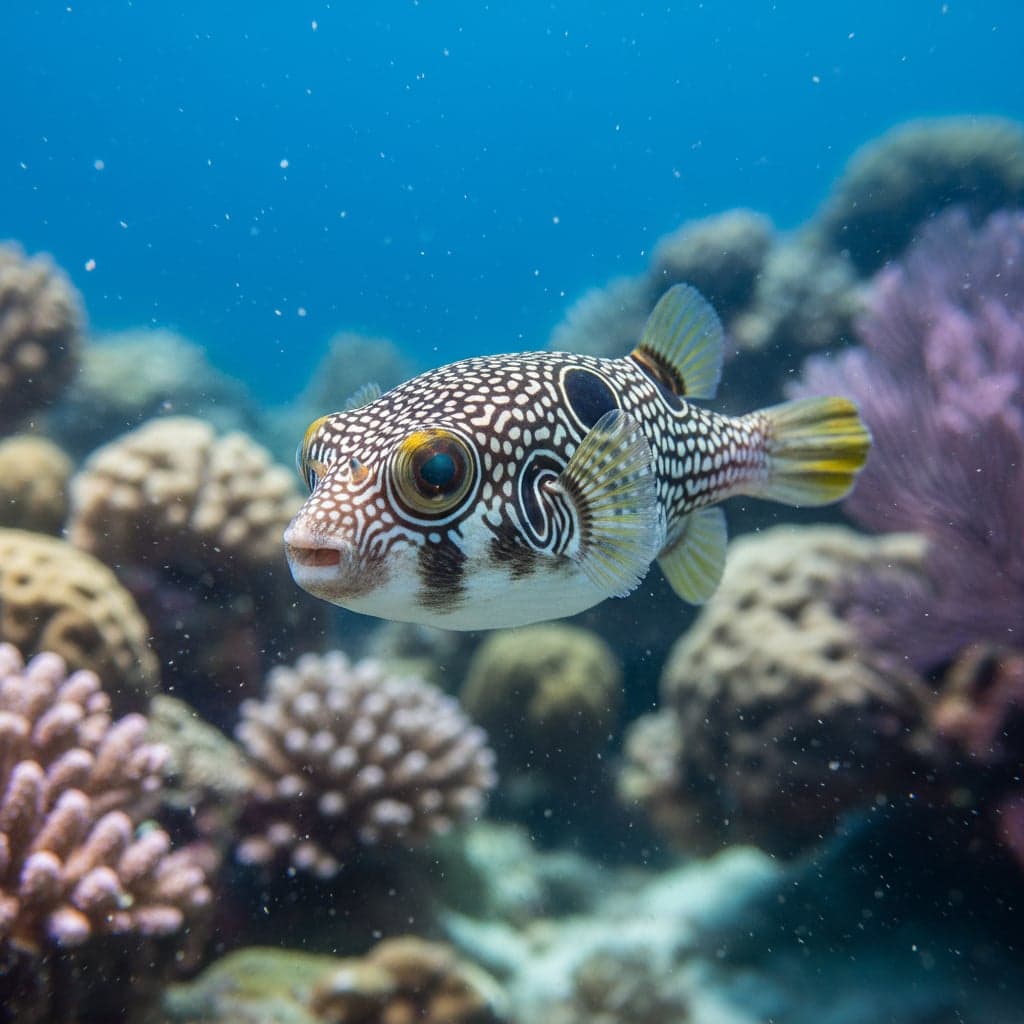
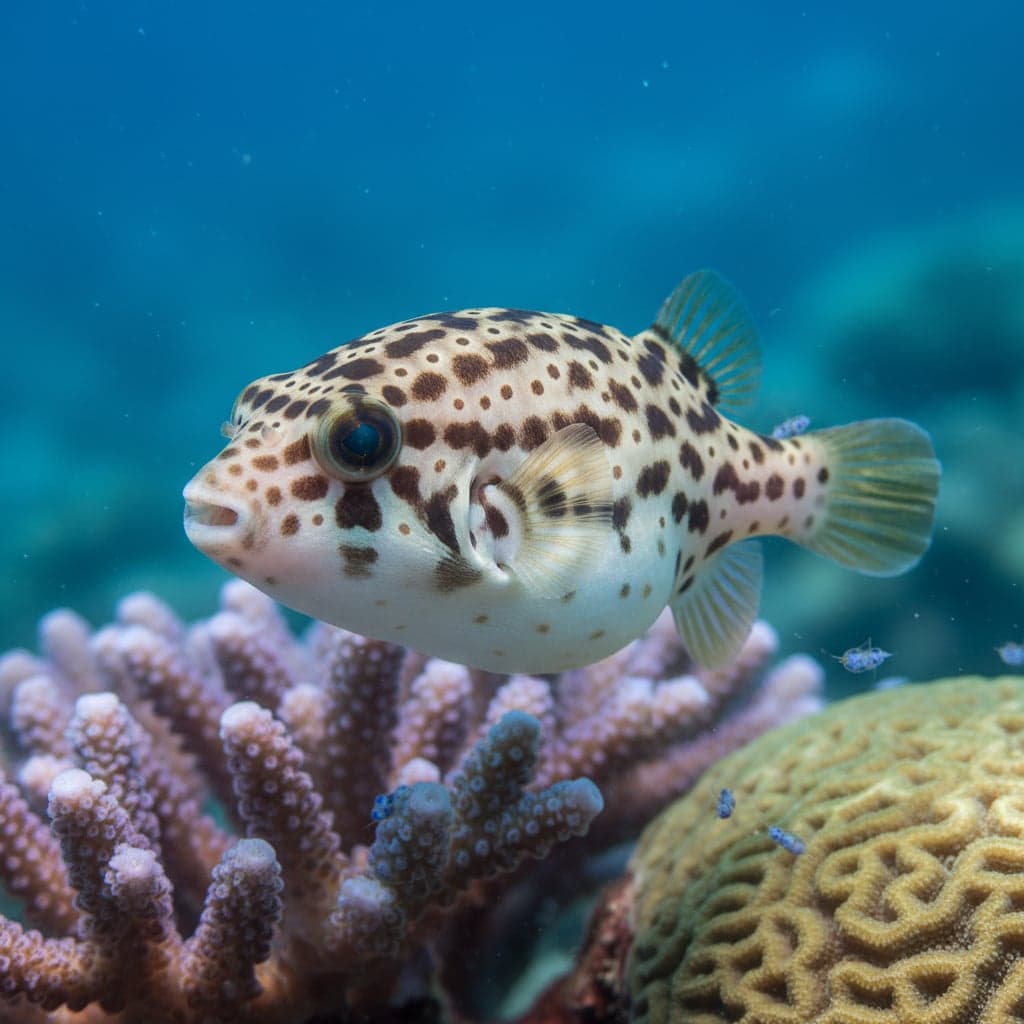
Valentini Puffer (Saddled Toby): Canthigaster valentini
A small, charismatic "Toby" puffer with bold black-and-white saddle markings. Adorable but armed with a sharp beak and a mischievous personality.
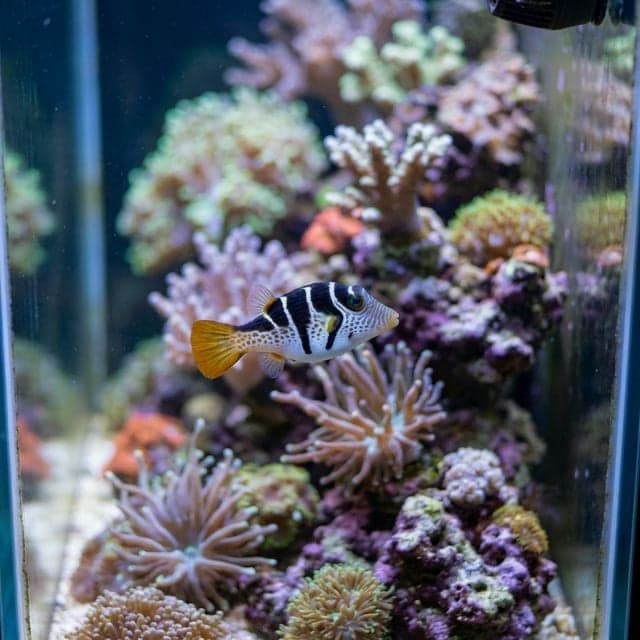
Valentini Puffer
The Valentini Puffer, scientifically known as Canthigaster valentini, is a captivating species that has garnered immense popularity among aquarium enthusiasts due to its distinctive appearance and unique behaviors. This small-sized pufferfish typically grows only up to 4 inches, making it a suitable choice for home aquariums. Its vibrant, brightly colored body features a stunning pattern of blue and yellow spots, set against a more muted background, creating an eye-catching visual that adds flair to any aquascape. In addition to its striking colors, the Valentini Puffer possesses a charming personality that captures the hearts of many aquarists, often displaying inquisitive behavior and a willingness to explore its environment.
Significantly, the Valentini Puffer is regarded as a relatively hardy fish for hobbyists, making it an excellent choice for both beginners and experienced aquarists. Its unique adaptation of regulating its buoyancy by filling its body with water or air enables it to navigate through reef structures effortlessly, enhancing its appeal as a centerpiece species. Moreover, its intriguing feeding habits, which involve nibbling on algae and small invertebrates, contribute to the overall health and balance of aquarium ecosystems. With proper care, this lively and charismatic fish can thrive in a well-maintained freshwater or marine setup, making it a beloved addition to the aquarium hobby.
Natural Habitat & Origin
The Valentini Puffer is primarily found in the warm waters of the Pacific and Indian Oceans, particularly in regions such as the Coral Triangle, which encompasses the waters of Indonesia, the Philippines, and Papua New Guinea. It prefers shallow coastal areas, often inhabiting coral reefs, lagoons, and rocky outcrops where it can find ample food sources and shelter. The ecological balance of these habitats supports a range of biodiversity, with the Valentini Puffer occupying a crucial role in the reef ecosystem by helping control the population of algae and small invertebrates.
This species thrives in clear, warm waters with an average temperature range of 75°F to 82°F. The Valentini Puffer is known to prefer environments that not only offer physical structure but also exhibit a healthy nutrient balance. While they can adapt to various water conditions, maintaining optimal water parameters can enhance their coloration and longevity in captivity.
Care Requirements
To ensure the well-being of the Valentini Puffer, specific water parameters must be maintained. The ideal pH range for this species is between 8.1 and 8.4, with a temperature of 75°F to 82°F. Hardness should be kept around 8-12 dGH, which provides a suitable backdrop for their health and behavior. When setting up a tank for the Valentini Puffer, a minimum size of 30 gallons is recommended to provide them enough space to swim freely and explore their environment. Additionally, a sandy or fine gravel substrate is ideal for reducing stress while allowing them to burrow gently, imitating their natural habitat.
In terms of tank setup, providing plenty of hiding spots is essential, so incorporating rock formations, caves, and ceramic decorations will create a secure and stimulating environment for the Valentini Puffer. Although they do appreciate some lighting, including dimmed options will help mimic their natural habitat. It’s advisable to include some live plants if possible, as they not only enhance aesthetics but also contribute to water quality.
Diet & Feeding
The Valentini Puffer is considered an omnivore, with a diet that primarily consists of algae, small invertebrates, and occasionally meat-based foods. To promote optimal health and coloration, it’s essential to provide a varied diet that includes high-quality pellets, flakes formulated for carnivorous fish, and a selection of frozen or live foods like brine shrimp and mysis shrimp. It’s important to note that while they enjoy a range of food types, moderation is key, as overfeeding can lead to health issues commonly associated with puffers.
When introducing food, it’s beneficial to feed small amounts multiple times a day rather than one large meal. This feeding approach keeps the Valentini Puffer active and engaged and helps reduce aggressive behaviors as they actively hunt and forage for their meals.
Behavior & Temperament
Valentini Puffers are known for their curious and interactive nature, often displaying bold behaviors as they explore their tank. They tend to exhibit a semi-aggressive temperament, especially towards other fish with similar body shapes or behaviors. While they can be solo or in pairs, they do best as single inhabitants in a community aquarium to prevent territorial disputes. Due to their preference for the mid to bottom levels of the tank, it’s essential to select tank mates that occupy different vertical spaces and avoid direct competition for resources.
Despite their aggressive tendencies, many owners report that their individual Valentini Puffers can develop unique personalities and become quite sociable, engaging with their caregivers, and even recognizing feeding times. Their interesting habits and behavior patterns provide both entertainment and educational opportunities for aquarists.
Tank Mates
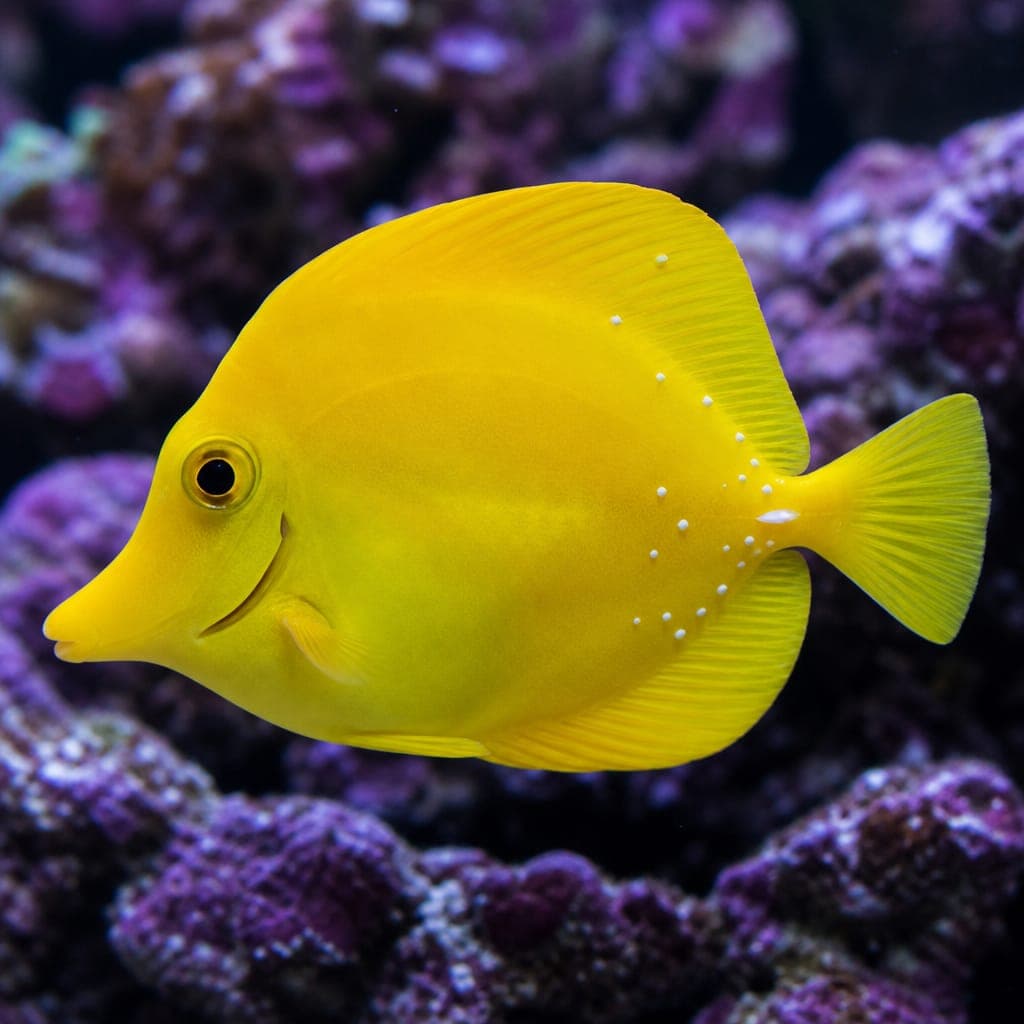
When considering compatible tank mates for the Valentini Puffer, it’s crucial to choose species that are not overly aggressive and do not possess a similar body shape, as this can provoke territoriality. Ideal tank mates include peaceful fish such as Clownfish, Gobies, Blennies, and certain Tangs. Additionally, hardy invertebrates like shrimp and snails can cohabitate but do so at their risk, as Valentini Puffers may occasionally nip at them.
However, it’s essential to avoid keeping the Valentini Puffer with small fish or those known for being highly active, as this may result in frustration or predation. Similarly, other puffers or larger, aggressive fish should not be housed together, as they can lead to aggressive confrontations that may end in injury or stress.
Breeding
Breeding the Valentini Puffer in captivity poses certain challenges, as little is known about their specific spawning behaviors. However, it is generally accepted that they need a breeding pair and an environment that replicates their natural habitat. To encourage spawning, a well-maintained tank with stable water conditions, ample hiding spots, and a balanced diet is essential.
During the breeding process, the female will lay eggs on a flat surface, and the male will then fertilize them. It’s crucial to ensure privacy and minimize stress during this time. Should successful breeding occur, it’s recommended to remove the adult pairs after spawning to prevent them from consuming the eggs or fry. Raising the fry typically requires specific care and a diet rich in microscopic zooplankton or specialized fry food to promote healthy growth.
Common Health Issues
Valentini Puffers can be susceptible to several common aquatic diseases, including ich, marine velvet, and bacterial infections, often prompted by stress or poor water quality. Regular water changes and careful monitoring of tank conditions can significantly reduce the likelihood of these health issues. Additionally, ensuring that the tank provides adequate hiding spots reduces stress levels, promoting overall well-being.
Aquarists should observe their Valentini Puffer for any signs of illness, such as loss of appetite, abnormal swimming patterns, or visible lesions. Quarantining new fish before adding them to the main tank can also help prevent the introduction of disease. Regularly offering a varied and nutritious diet can further bolster their immune system, keeping these lovely fish in optimal condition.