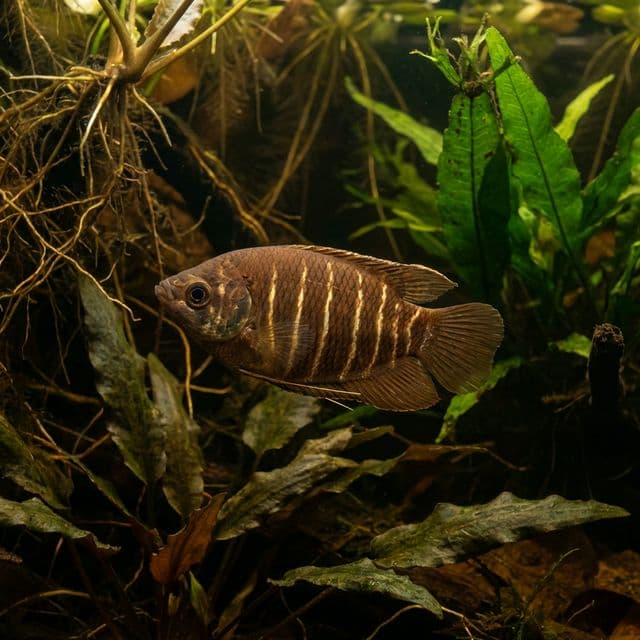
White-seam Betta: Betta albimarginata
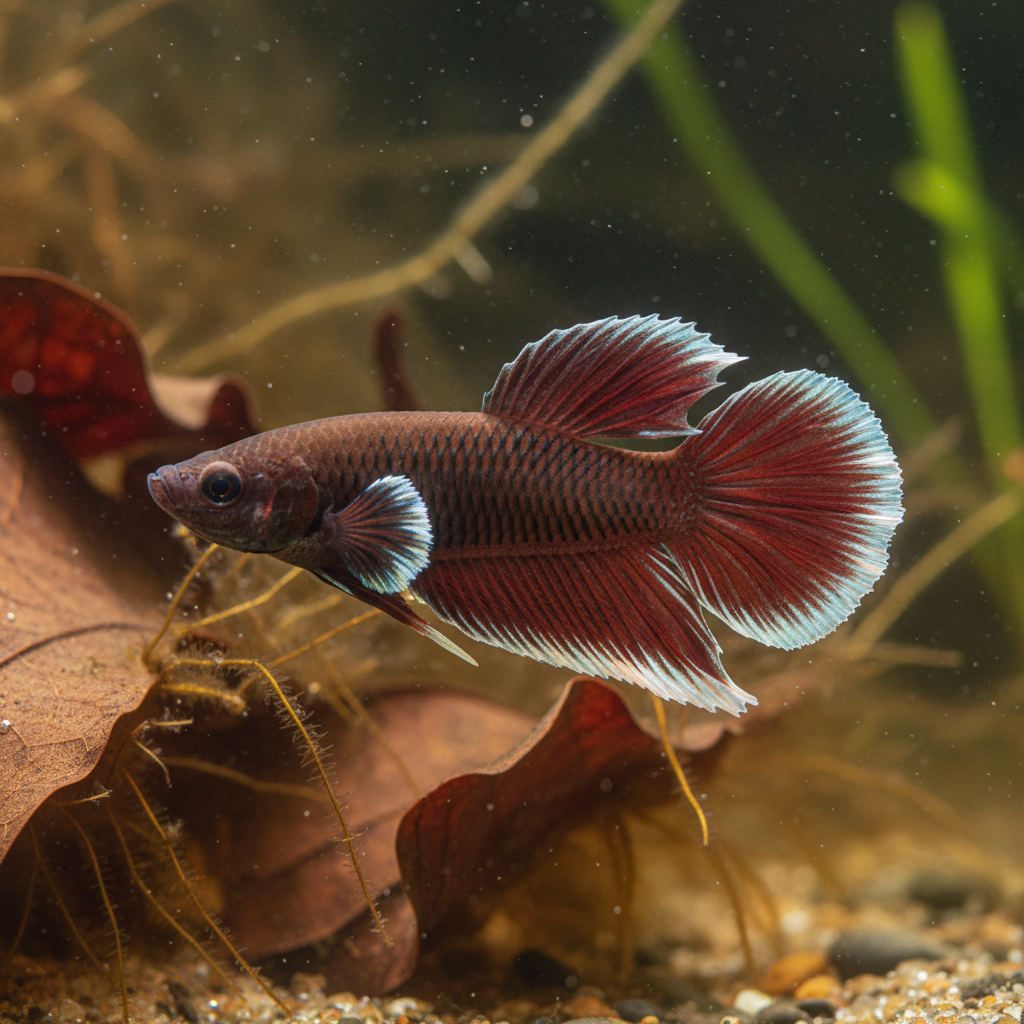
A 5cm wild betta with white-edged fins. A mouthbrooder needing soft acidic blackwater, and pairs are kept together rather than apart.
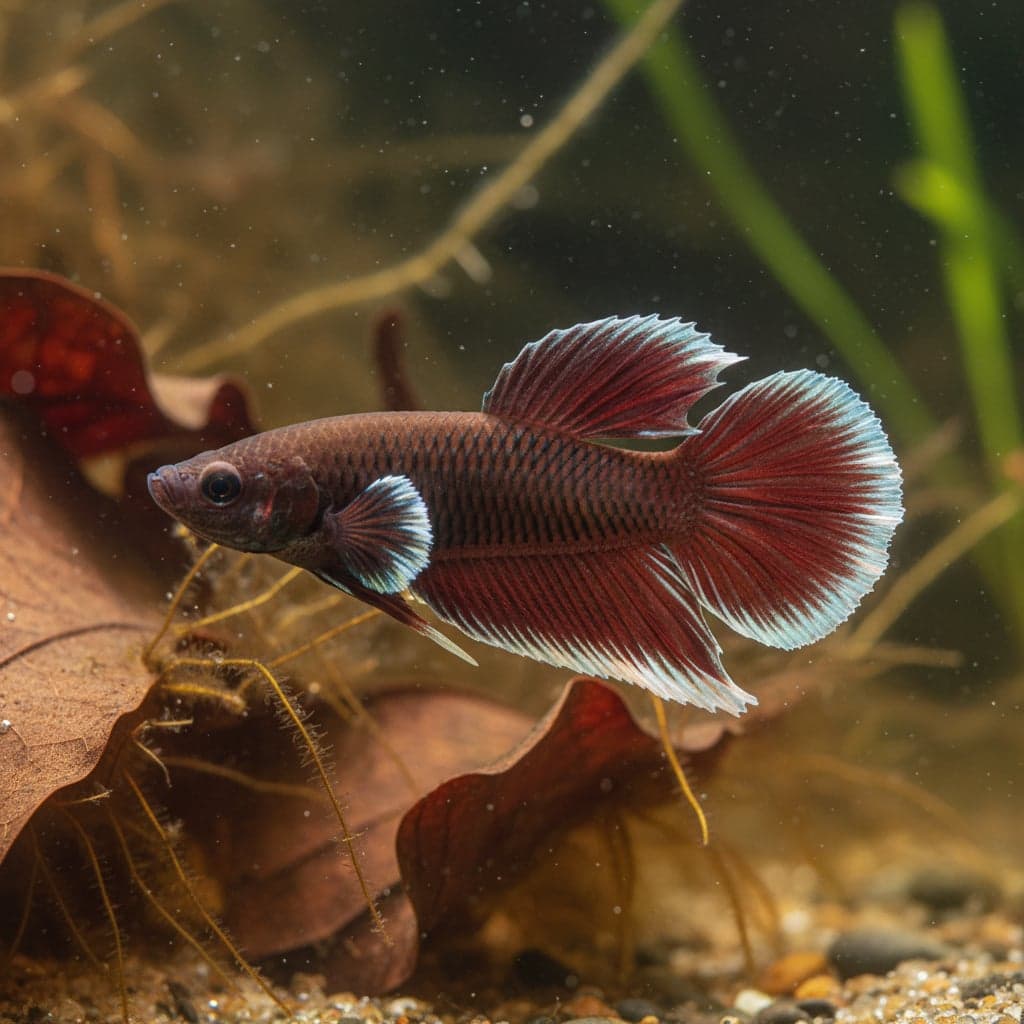
White-seam Betta
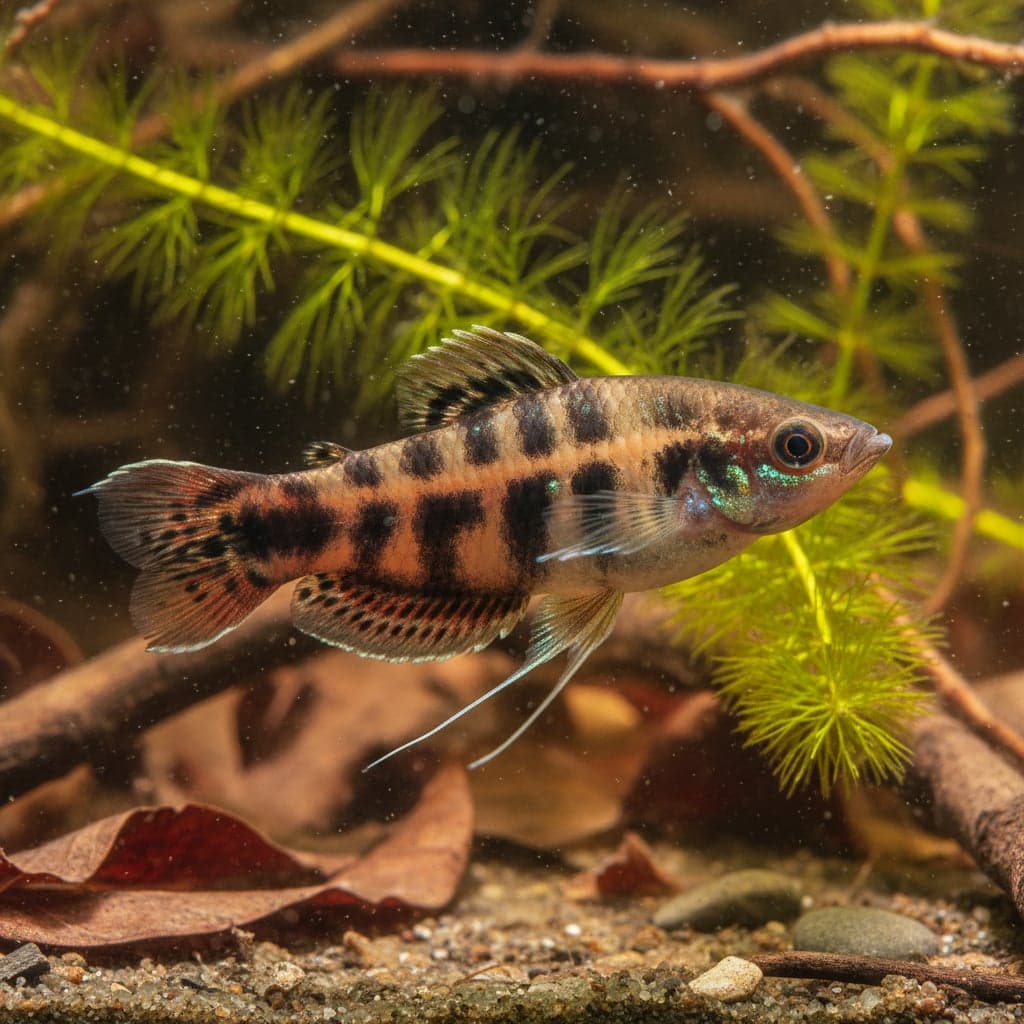
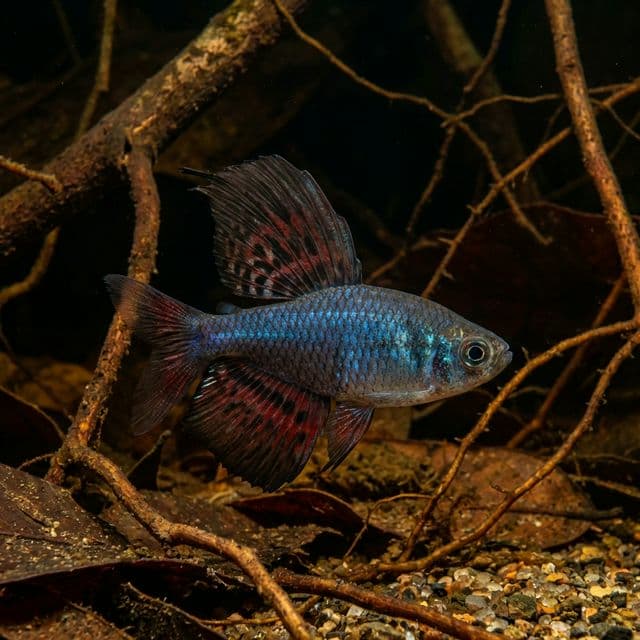
The White-seam Betta, scientifically known as Betta albimarginata, is a stunning freshwater fish that has captured the hearts of aquarists worldwide. This species is renowned for its mesmerizing appearance, featuring a vibrant mix of colors accentuated by its distinctive white margins along its fins and tail. The combination of rich iridescent hues and the striking contrast of the white seams creates a visually appealing spectacle in any aquarium setting. This aesthetic allure, along with its unique characteristics, has made the White-seam Betta a sought-after species among aquarium enthusiasts and breeders.
In addition to its visual appeal, the White-seam Betta holds significant cultural and ecological importance. It is often seen as a symbol of resilience and beauty, thriving in challenging environments. Its popularity among hobbyists has led to various breeding programs that highlight its genetic diversity and the creation of new color morphs. With an increasing focus on conservation and sustainability in the aquarium trade, the White-seam Betta serves as a perfect example of how responsible breeding can contribute to the overall health of aquarium biodiversity.
Natural Habitat & Origin
The White-seam Betta is indigenous to the freshwater rivers and streams of Southeast Asia, particularly in regions such as parts of Indonesia and Malaysia. These bodies of water typically exhibit slow-moving currents and are often characterized by blackwater conditions, meaning the water is stained dark by decomposing plant matter like leaves and wood. Such habitats are relatively soft and acidic, creating a unique ecosystem where the White-seam Betta thrives, along with other specialized aquatic life. The natural environment has shaped both the physical and behavioral traits of this species, making its understanding crucial for successful aquarium care.
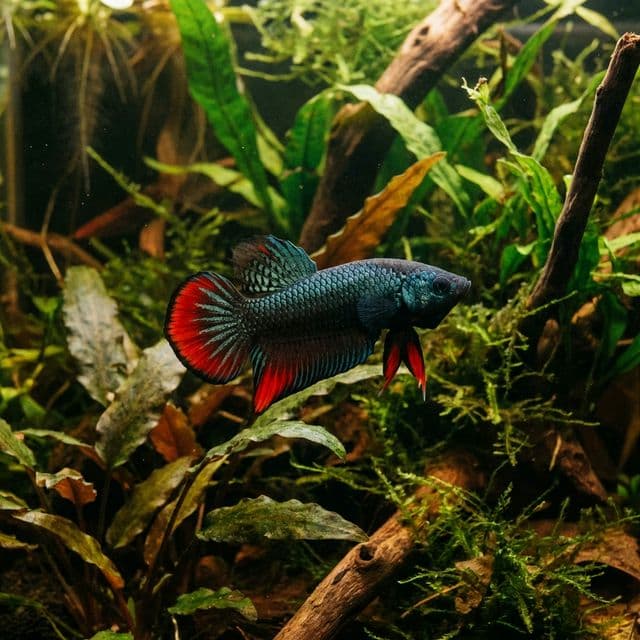
The waters where White-seam Bettas are found usually contain plenty of submerged vegetation, providing ample hiding spots and breeding grounds. Such an environment not only supports the fish's natural behaviors but also enhances its vibrancy by promoting the growth of food sources. Mimicking these specific natural conditions in a home aquarium is essential for keeping White-seam Bettas healthy and stress-free.
Care Requirements
To ensure the well-being of your White-seam Betta, specific water parameters must be adhered to: the ideal pH range should be between 6.0 and 7.5, with a temperature maintained between 75°F and 82°F (24°C to 28°C). Hardness should be kept low, ideally between 2 to 10 dGH, to replicate their natural blackwater habitat. It is crucial to perform regular water changes to maintain water quality; this species is particularly sensitive to poor water conditions, which can lead to stress and health issues.
When it comes to tank setup, a minimum tank size of 5 gallons is recommended for a single White-seam Betta, though larger tanks can provide a more stable environment and additional space for planting. A sandy or soft substrate works best, as sharp substrates can injure their delicate fins. The lighting should be moderate; too much brightness can cause stress and encourage algae growth. To replicate their natural habitat, a variety of live plants—such as Java ferns, anubias, and hornwort—should be included. Floating plants can also be beneficial, providing shade and reducing light intensity.
Diet & Feeding
The White-seam Betta is an omnivorous fish that thrives on a well-balanced diet. In the wild, they primarily consume small insects, larvae, and plant matter. In the aquarium, it is essential to provide a varied diet that includes high-quality betta pellets, frozen foods like brine shrimp and bloodworms, and the occasional live food to ensure nutritional diversity. High-quality flakes can also be introduced, but the focus should remain on pellets and frozen options to meet their dietary needs effectively.
Feeding should be done once or twice a day, with small portions that can be consumed within a few minutes to prevent overfeeding and maintain water quality. Offering a mix of foods will not only keep the fish healthy but also help enhance its coloration and overall vitality.
Behavior & Temperament
The White-seam Betta exhibits unique social behavior and personality traits that can make them both captivating and challenging to keep. These fish are known for their territorial nature, especially the males, who can become aggressive towards one another. However, they can display a calmer temperament when housed alone or in a female-dominant environment. The White-seam Betta does not exhibit schooling behavior typical in many other fish species; rather, they are best appreciated as solitary swimmers who occupy the mid to upper levels of the tank.
The vertical placement in the tank is essential as they tend to occupy various levels of the water column. It is not uncommon to see them near the surface, where they occasionally gulp air, a behavior that is natural for bettas. Providing adequate swimming space and territories within the tank layout can help reduce stress and aggression, ultimately leading to a more pleasant aquarium experience for both the fish and the keeper.
Tank Mates
When selecting tank mates for your White-seam Betta, careful consideration must be taken due to their territorial nature. Compatible species include peaceful community fish such as rasboras, tetras, small gouramis, and certain types of catfish that do not nip fins. It is essential to avoid keeping them with other bettas—especially males—or more aggressive fish that may provoke and stress them.
Species to avoid include fin-nippers like barbs and specific cichlids, which could harm the White-seam Betta or cause undue stress. Providing ample hiding spots and territories will further ensure that your betta coexists peacefully with compatible tank mates.
Breeding
Breeding White-seam Bettas in captivity can be a rewarding experience, but it requires specific conditions to be successful. The ideal breeding setup includes a separate breeding tank that mimics their natural habitat, featuring slightly acidic water (pH around 6.0 to 6.5) and a temperature of about 78°F to 82°F (25°C to 28°C). Providing plenty of floating plants or spawning mops can help in capturing the eggs, as these fish are bubble-nesters.
During the breeding ritual, the male will create a bubble nest at the water's surface while displaying elaborate courtship behaviors to attract the female. Once spawning occurs, the female will lay eggs, which the male will promptly gather and place in the nest. After spawning, it is best to remove the female to prevent aggression. The male will care for the eggs until they hatch, and proper monitoring is crucial during this period to ensure the fry's safety and health once they swim freely.
Common Health Issues
Although the White-seam Betta is relatively hardy, they can be prone to specific health issues, such as fin rot, velvet disease, and ich (white spot disease). Preventative measures are vital; maintaining good water quality and a proper diet will significantly reduce the risk of illness. Regularly inspecting the fish for any signs of distress or abnormalities—like frayed fins or changes in behavior—can aid in early detection and treatment.
Quarantine new arrivals before introducing them to existing tanks to avoid the spread of disease. Additionally, ensuring that the aquarium is appropriately cycled and that tank mates are compatible can help create a stable environment that will reduce stress and enhance overall health. Keeping their habitat clean and well-maintained is crucial for promoting a long and healthy life for your White Seam Betta. Keep temperatures stable, cover the tank, and avoid sharp décor that tears long fins. Quarantine new tank mates and change water regularly without large parameter swings. Watch for fin rot, velvet, white spots, lethargy, or clamped fins, and treat early in a hospital container when needed. A varied diet of quality pellets and frozen foods plus calm surroundings keeps White Seam Bettas colourful and resilient for years.