Yellow-eyed Tang
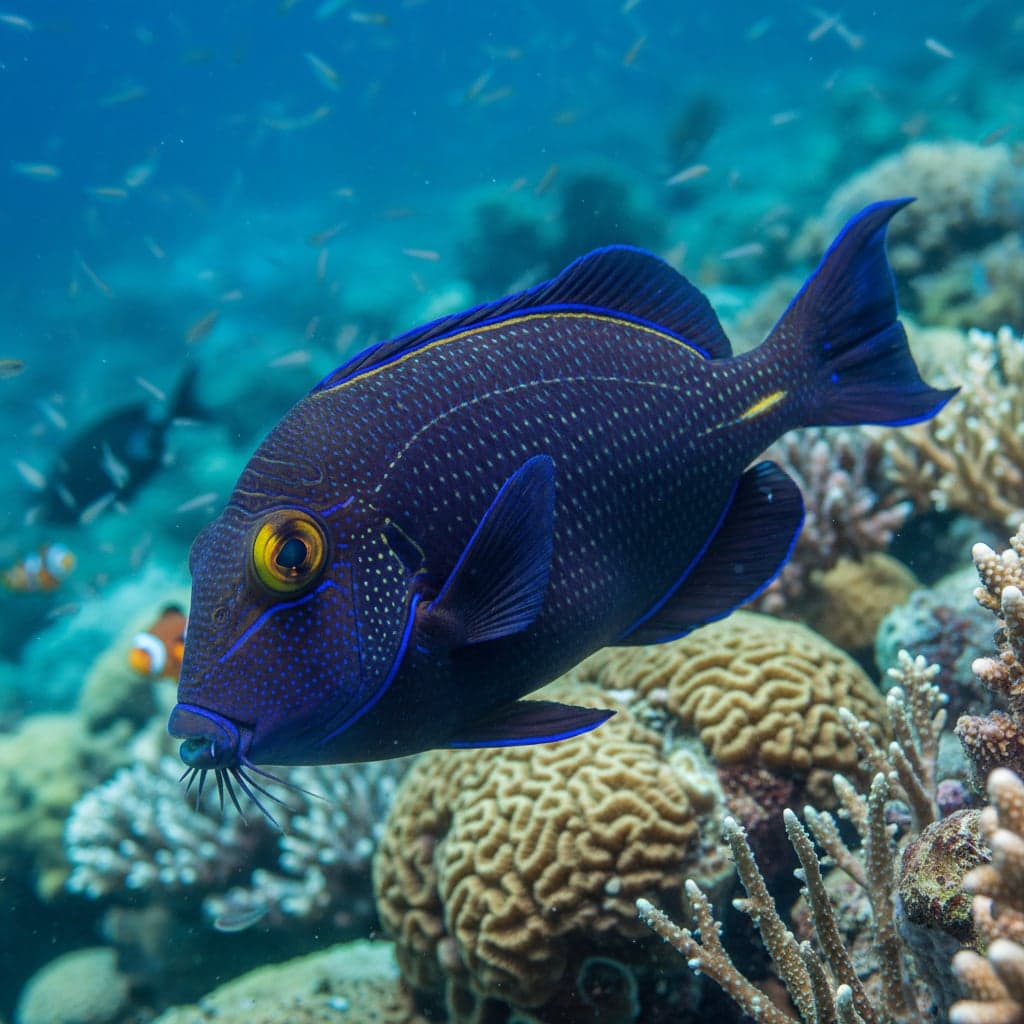
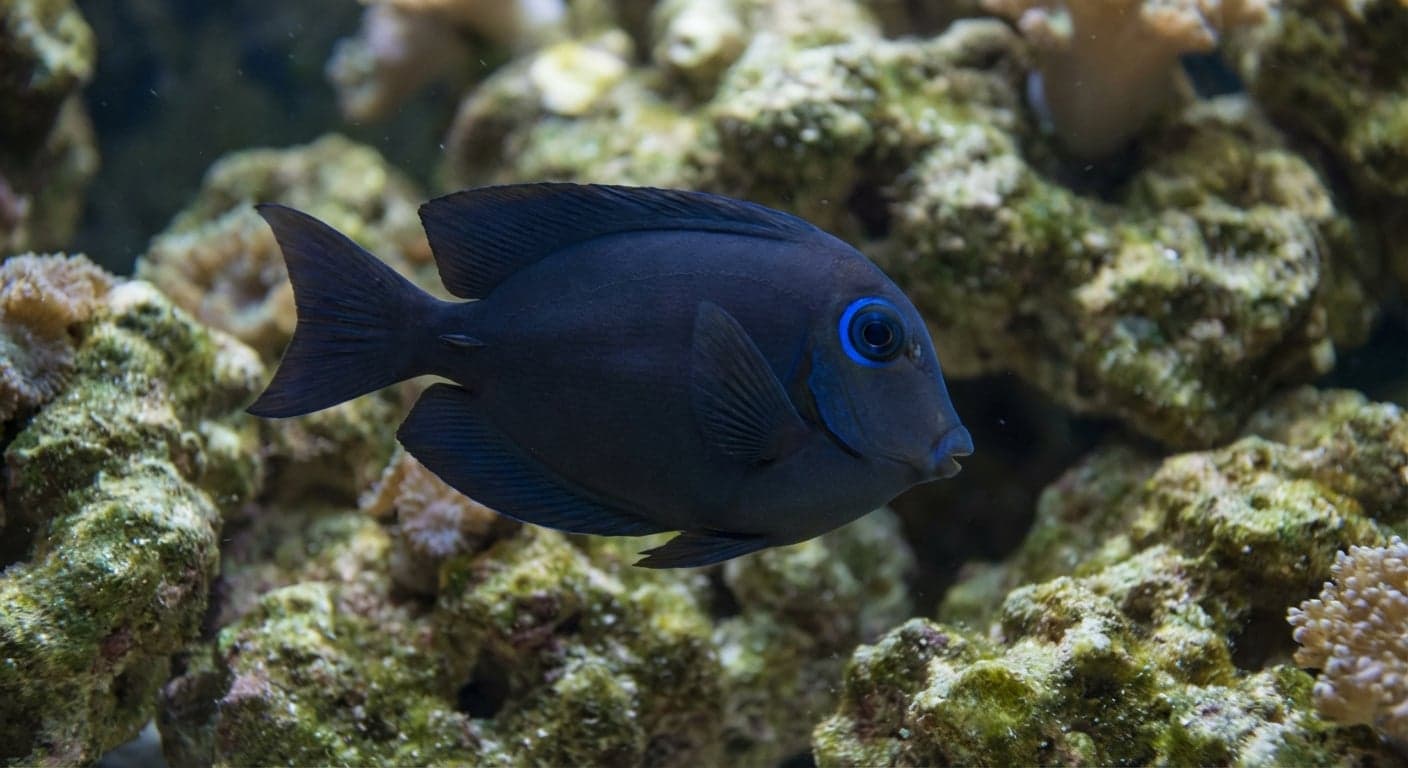
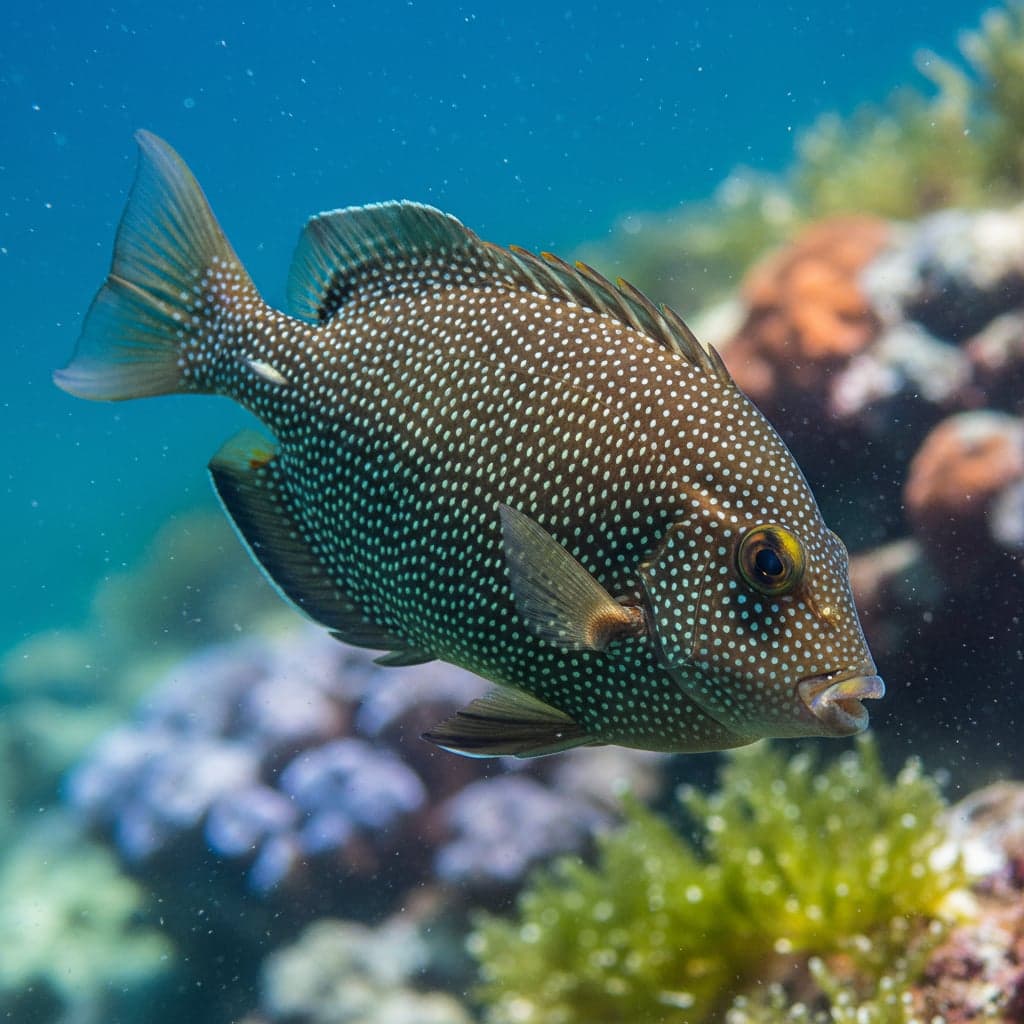
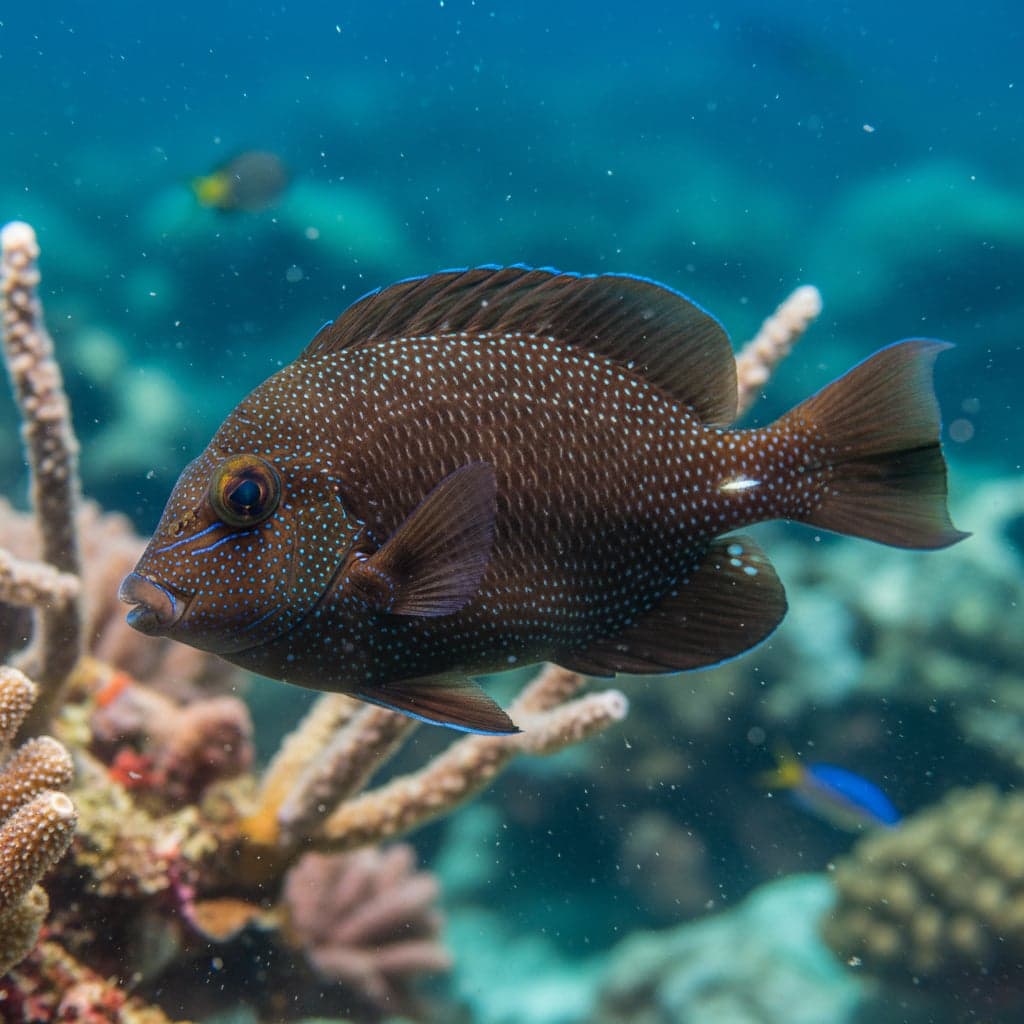
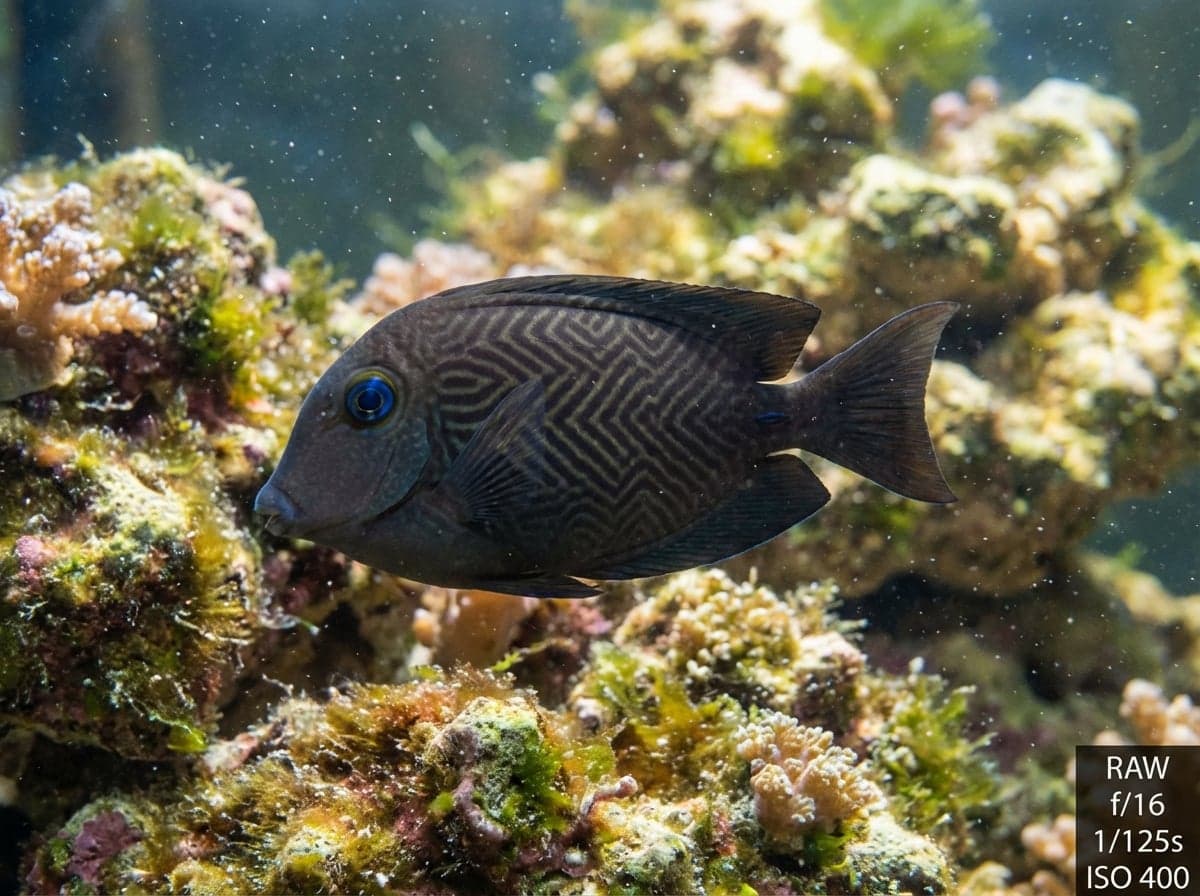
The Yellow-eyed Tang (Ctenochaetus strigosus) is a stunning saltwater fish known for its unique appearance and behavior.

Yellow-eyed Tang
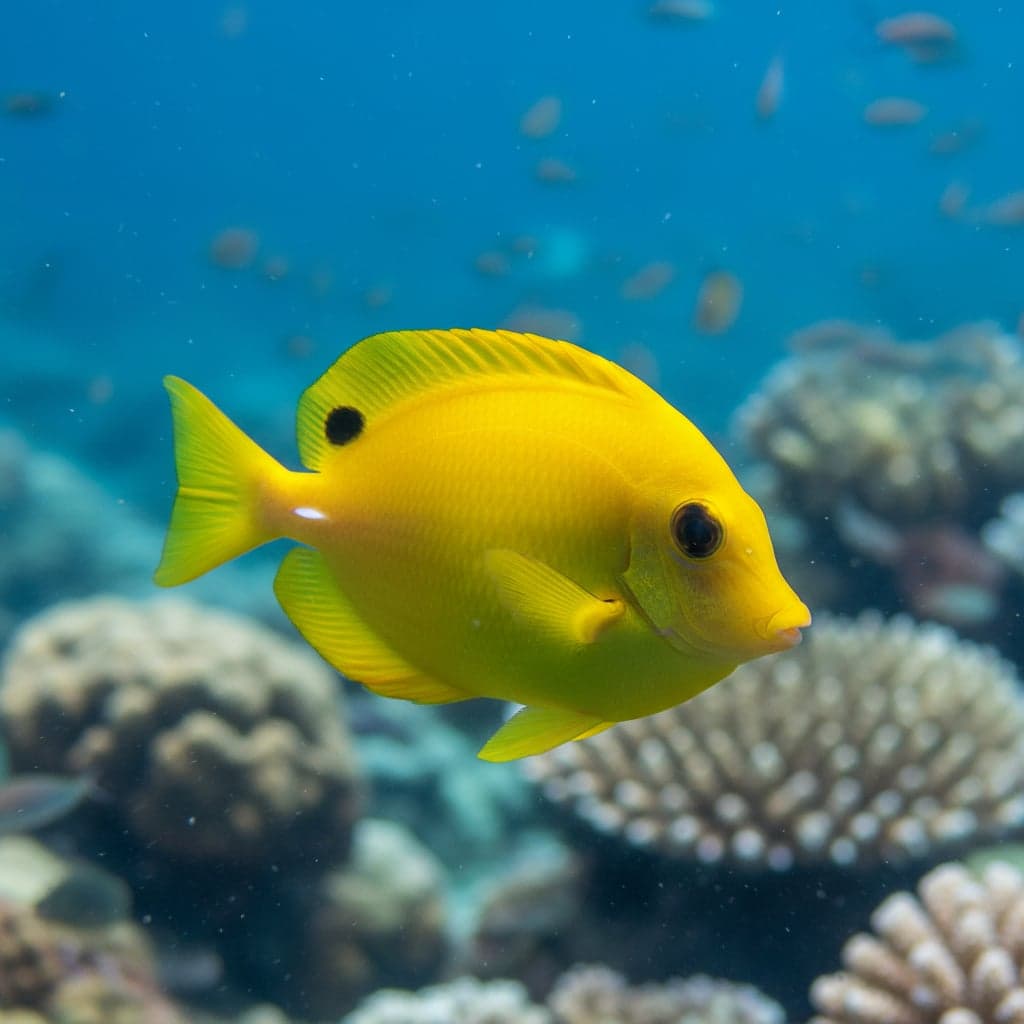
The Yellow-eyed Tang (Zebrasoma flavescens), also known as the Yellowtail Surgeonfish, is a vibrant and captivating species that has gained immense popularity within the aquarium hobby. This striking fish is easily recognizable by its bright yellow body, which is accented by a distinctive blue ring around its eye. This visual appeal not only makes it a stunning centerpiece for any marine aquarium but also highlights the diverse colors found in the ocean's inhabitants. The Yellow-eyed Tang is known for its energetic behavior and dynamic swimming patterns, adding life and movement to aquarium displays.
In addition to its aesthetic charm, the Yellow-eyed Tang holds ecological significance. As a herbivore, it plays a vital role in controlling algae growth on coral reefs. This ecological function contributes to the health and sustainability of coral ecosystems, making its presence in aquariums not just a decorative choice but also a reflection of responsible marine husbandry. Their resilience and adaptability in captivity have made them a preferred choice for both novice and experienced aquarists, further solidifying their place in the marine aquarium industry.
Natural Habitat & Origin
The Yellow-eyed Tang is native to the warm, tropical waters of the Indo-Pacific region, primarily found around the islands of Hawaii, the Philippines, and various parts of Micronesia. They inhabit shallow coral reefs, which provide abundant food resources and shelter. As a reef-dwelling species, the Yellow-eyed Tang thrives in clear waters, where sunlight penetrates, supporting the growth of algae and other food sources critical to its diet. The stability of their natural environment, characterized by moderate water flow and lush coral structures, provides insight into the specific aquarium conditions required for their successful keeping.
In their natural habitat, the Yellow-eyed Tang often forms small schools, but they also display territorial behavior, particularly among males. Understanding their ecological niche helps aquarists create a suitable environment that mimics the tang's original home, enhancing their well-being and longevity in captivity.
Care Requirements
To ensure the well-being of the Yellow-eyed Tang, particular attention must be paid to water parameters. Ideal conditions include a pH range of 8.1 to 8.4, a temperature between 72°F to 78°F (22°C to 26°C), and a water hardness (dGH) of about 8 to 12 dGH. These parameters replicate the stable conditions of their native environment, promoting optimal health and growth.
In terms of tank setup, a minimum tank size of 75 gallons is recommended to provide ample swimming space, as Yellow-eyed Tangs are active swimmers. The substrate should be a sandy or fine gravel type, as this mimics their natural foraging grounds. Adequate lighting is essential, not only for the growth of live plants—if included—but also to create a vibrant display that highlights the tang's colors. Providing rock formations and hiding spots within the tank supports their territorial behavior, allowing for a balanced environment where they can exhibit natural behaviors.
Diet & Feeding
Yellow-eyed Tangs are primarily herbivores, thriving on a diet rich in marine algae and plant matter. In captivity, they should be offered a diverse diet that includes high-quality vegetable-based flakes, spirulina, and seaweed sheets. While they can adapt to pellets, it's crucial to ensure those include algae as a significant component. Additionally, incorporating frozen foods like brine shrimp or mysis shrimp on occasion can provide variety and balance to their diet, promoting overall health. Regular feeding with a variety of foods will keep the Yellow-eyed Tang vibrant and energetic, mimicking their natural feeding habits in the wild.
Aquarists should aim to feed the Yellow-eyed Tang once or twice daily, ensuring that excess food does not pollute the tank. Monitoring their eating habits will also help in preventing any potential health issues related to malnutrition or poor water quality.
Behavior & Temperament
The Yellow-eyed Tang displays an active and inquisitive nature, often swimming throughout the water column while exploring its environment. Typically, they are social fish, especially when introduced to a well-established aquarium, where they may engage in cooperative schooling behavior. However, it's important to note that they can exhibit territorial tendencies, particularly among males. Providing sufficient space within the tank can alleviate some of these aggressive interactions and help them coexist peacefully.
In terms of vertical placement, the Yellow-eyed Tang enjoys swimming at various levels, often found mid-column or near the substrate when foraging. This behavior necessitates a tank layout that offers open swimming space as well as hiding spots, catering to their need for both activity and refuge.
Tank Mates
When selecting tank mates for the Yellow-eyed Tang, compatibility is critical to ensure a harmonious aquarium environment. Ideal companions include other peaceful reef fish such as clownfish, gobies, blennies, and wrasses. These species tend to have similar care requirements and behavioral traits, promoting a balanced community. Additionally, larger tanks can accommodate multiple Yellow-eyed Tangs if introduced at the same time or if ample space is provided.
Species to avoid include highly aggressive fish like certain types of angelfish and triggerfish, as well as other surgeonfish, which may provoke territorial disputes. Furthermore, smaller or timid species might become stressed in the presence of the energetic Yellow-eyed Tang.
Breeding
Breeding Yellow-eyed Tangs in captivity can be a challenging endeavor, as they are not easily bred outside their natural habitat. In their spawning behavior, they exhibit a distinctive reproductive display, where males and females swim together in the water column. Successful breeding typically requires pristine water conditions and a spacious tank setup mimicking their natural environment, including ample surface area for spawning.
To encourage breeding, aquarists must ensure a high-quality diet rich in vegetable matter, which supports the health and vigor of the breeding pair. Providing hiding places and structures in a large, well-maintained aquarium also aids in creating an environment conducive to successful spawning. Monitoring water quality and maintaining stable conditions will enhance the chances of breeding success for hobbyists interested in propagating this beautiful species.
Common Health Issues
In captivity, the Yellow-eyed Tang can be prone to several common health issues, primarily due to stress or poor water quality. These include ich (Ichthyophthirius multifiliis), which manifests as white spots on the body and fins, and velvet disease, characterized by a dusty coating over the skin. To prevent these conditions, it is vital to maintain optimal water parameters and ensure a stable, low-stress environment.
Additionally, swim bladder disease can occur if overfeeding leads to constipation. Regular monitoring of their eating habits and maintaining a balanced diet can mitigate such risks. Routine water changes and maintaining high-quality filtration are also critical preventive measures to ensure the overall health and longevity of the Yellow-eyed Tang in the aquarium setting.