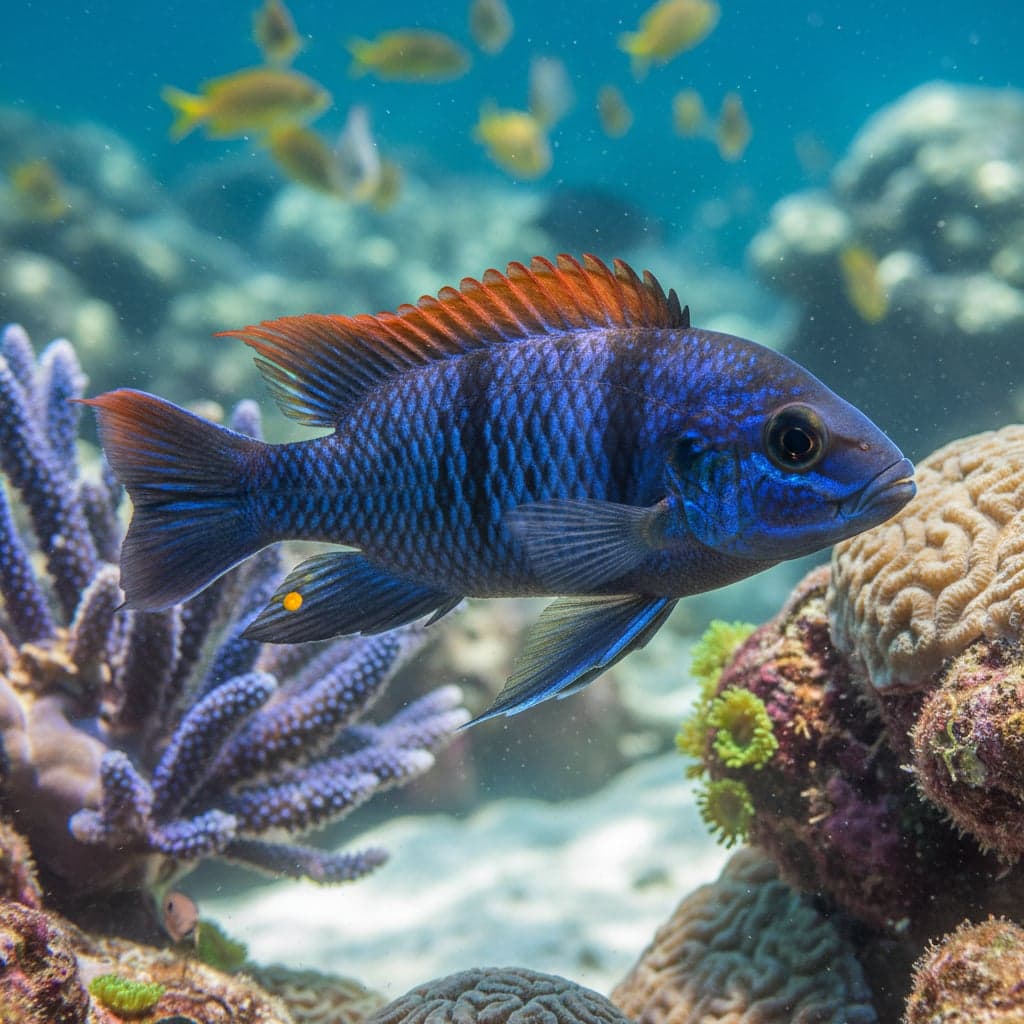
The Yellow Lab Cichlid: Labidochromis caeruleus
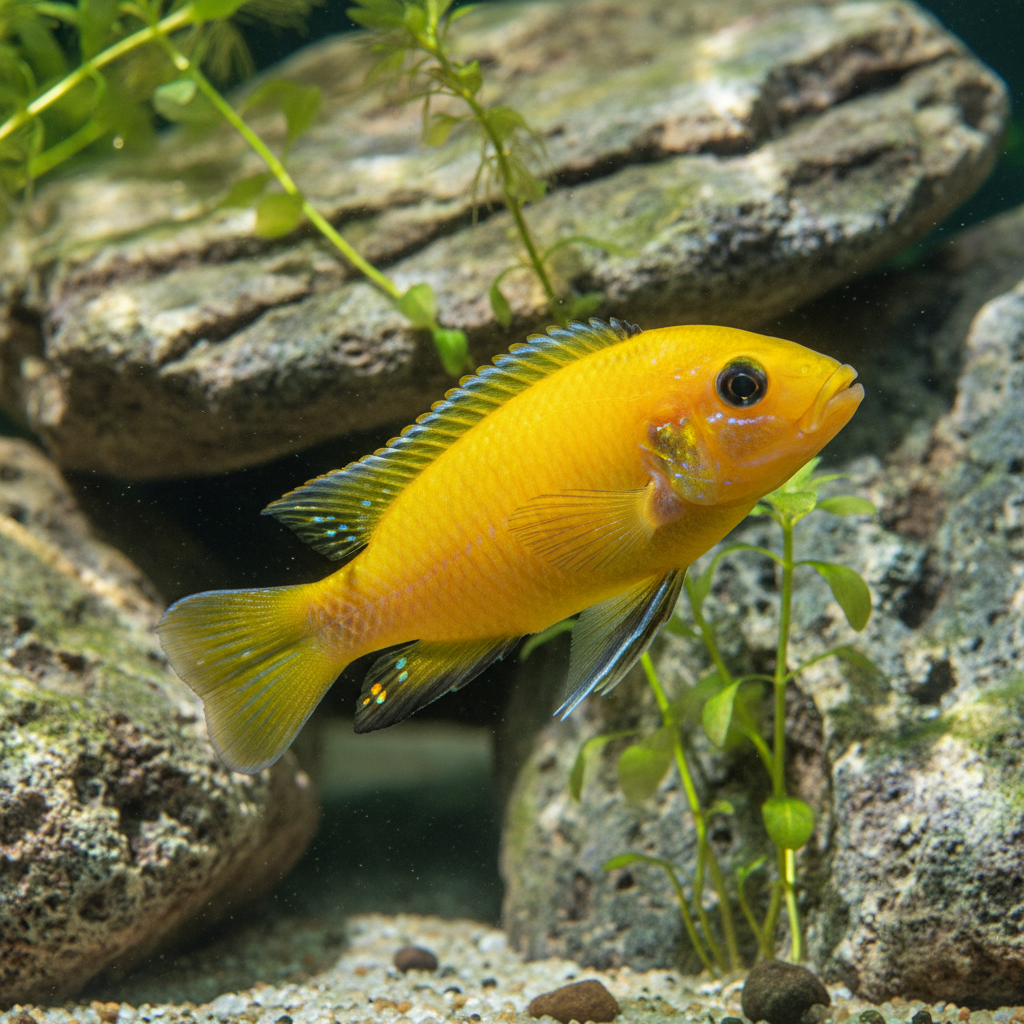
The Electric Yellow Cichlid. One of the most popular African cichlids due to its intense yellow coloration and relatively peaceful nature for an Mbuna.
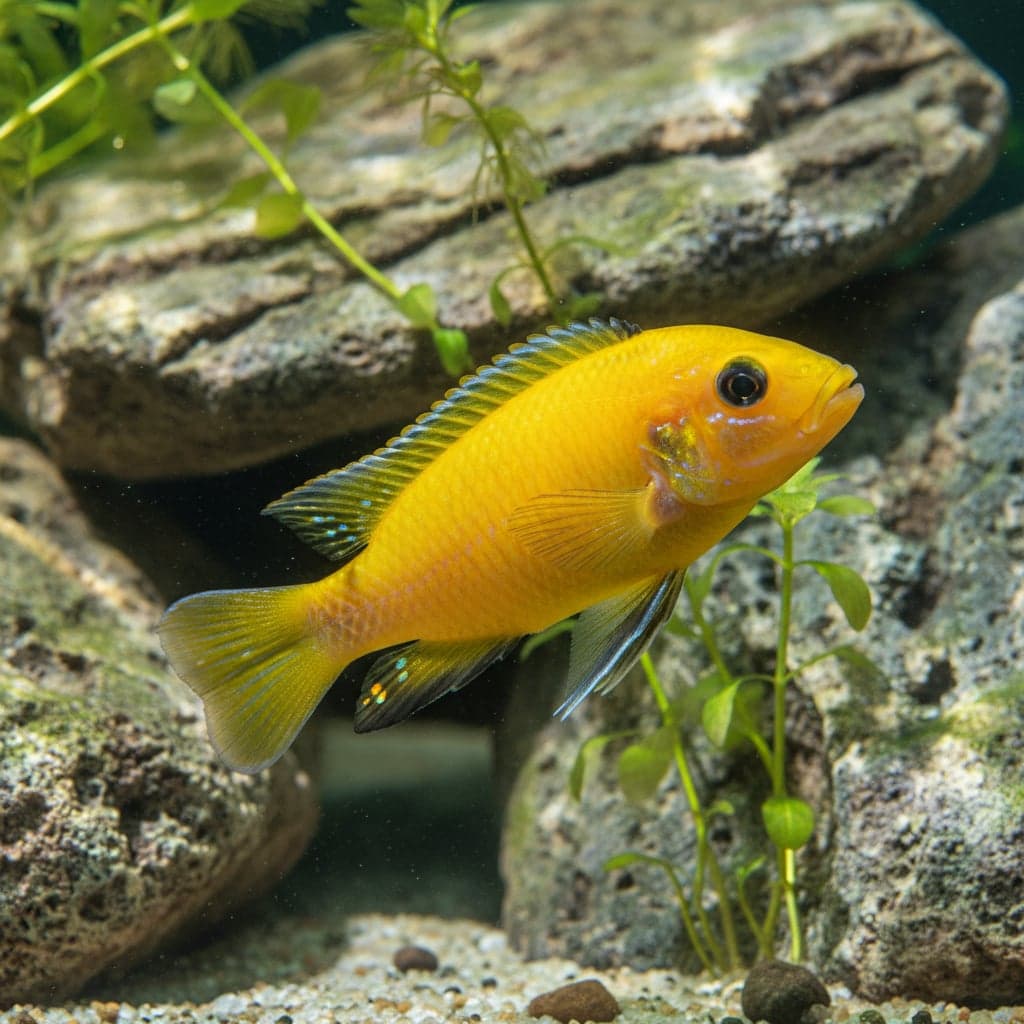
Yellow Lab Cichlid
The Yellow Lab Cichlid, scientifically known as Labidochromis caeruleus, is one of the most popular freshwater fish among aquarists and cichlid enthusiasts. Its vibrant bright yellow coloration makes it a striking addition to any aquarium, often capturing the attention of both novice and experienced fishkeepers. This small, African cichlid typically grows to about 4-5 inches, making it a manageable size for community tanks. The stunning yellow hue is accentuated by subtle darker stripes that may appear along its body, adding to its visual appeal. Beyond its beauty, the Yellow Lab holds significant importance in the aquarium hobby due to its relatively hardy nature and compatibility with various tank setups, making it an ideal choice for beginners.
In addition to its aesthetic allure, the Yellow Lab Cichlid is well-regarded for its lively and engaging behavior. This species is known to exhibit inquisitive and dynamic movements in the water, exploring every nook and cranny of its environment. As a mouthbrooder, the females take on the extraordinary role of carrying and nurturing their young, bringing an added layer of interest to their breeding behavior. Many aquarists appreciate observing this nurturing instinct and the vibrant characteristics of the Yellow Lab, contributing to its lasting popularity in aquariums around the world.
Natural Habitat & Origin
The Yellow Lab Cichlid is endemic to the rocky shorelines of Lake Malawi in East Africa. This freshwater lake is renowned for its high biodiversity and unique ecosystem, which provides a conducive environment for various cichlid species. The waters of Lake Malawi are characterized by high clarity, often classified as clearwater, with a stable pH and a rich mineral content that supports the health and growth of its diverse fish population. The Yellow Lab prefers the rocky substrate and structure provided by the lake's geological formations, adapting well to the underwater caves and crevices in which they seek refuge and breeding grounds.
In its natural habitat, the Yellow Lab thrives in water temperatures ranging from 24°C to 28°C (75°F to 82°F) and typically requires a pH level between 7.5 to 8.5. The fish exhibits remarkable adaptability to varying water hardness, as Lake Malawi is known for its mineral-rich waters, contributing to the unique characteristics of this beautiful cichlid. Understanding these environmental contexts is crucial for providing the ideal conditions in aquariums, ensuring the well-being of these vibrant fish.
Care Requirements
To maintain the optimal health of Yellow Lab Cichlids in captivity, attention to water parameters and tank setup is essential. Ideal water conditions include a pH range of 7.5 to 8.5, water temperatures ranging from 24°C to 28°C (75°F to 82°F), and moderate hardness levels between 10 and 20 dGH. Regular water changes and high-quality filtration are necessary to keep the water clean and stable.
The tank setup for Yellow Lab Cichlids should be a minimum of 30 gallons, providing ample swimming space along with hiding spots and territories. A sandy substrate is recommended as it mimics their natural environment and allows space for burrowing or digging behavior. Incorporating rocks and cave-like structures can facilitate exploration and serve as breeding sites. While lighting can be moderate to bright, the presence of plants is generally minimized as Yellow Labs may uproot them, preferring a more open swimming area. Overall, creating an appropriate environment replicating their natural habitat will contribute to their health and well-being in captivity.
Diet & Feeding
In the wild, Yellow Lab Cichlids are omnivorous, and their diet consists of a mix of algae, small invertebrates, and organic matter. In captivity, it is essential to replicate this varied diet to ensure optimal growth and health. High-quality cichlid pellets or flakes designed for omnivorous species should form the staple of their diet. Additionally, the inclusion of frozen or live foods such as brine shrimp, daphnia, and bloodworms can provide essential nutrients and enhance color vibrancy.
Feeding should be done multiple times a day but in small quantities to prevent overfeeding and maintain water quality. Monitoring their eating habits is essential; healthy Yellow Labs will have a voracious appetite and will eagerly consume their food. A well-balanced diet is vital for their overall health, boosting their immune system and promoting vibrant coloration.
Behavior & Temperament
The Yellow Lab Cichlid is known for its active and sociable nature, making it an engaging species to observe in the aquarium. These fish are generally peaceful but can exhibit territorial behavior, especially during breeding periods or when they feel their space is encroached upon. Although they are not highly aggressive, caution is advised when introducing new tank mates; it’s best to maintain a male-to-female ratio of 1:3 to minimize stress and aggression.
In terms of vertical placement, Yellow Lab Cichlids occupy the middle to bottom levels of the tank, spending time swimming freely but also retreating to caves or substrates to establish territory. It is this dynamic swimming and exploration that enhances their appeal in community aquariums, where they can often be seen interacting with both their environment and other species.
Tank Mates
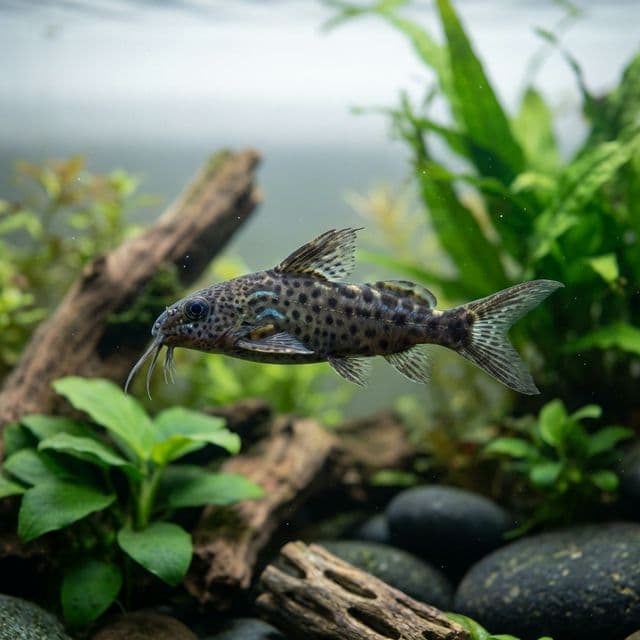
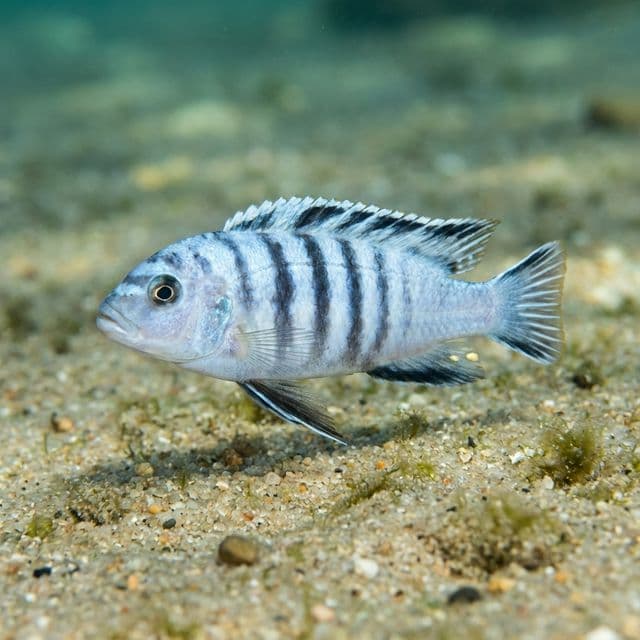
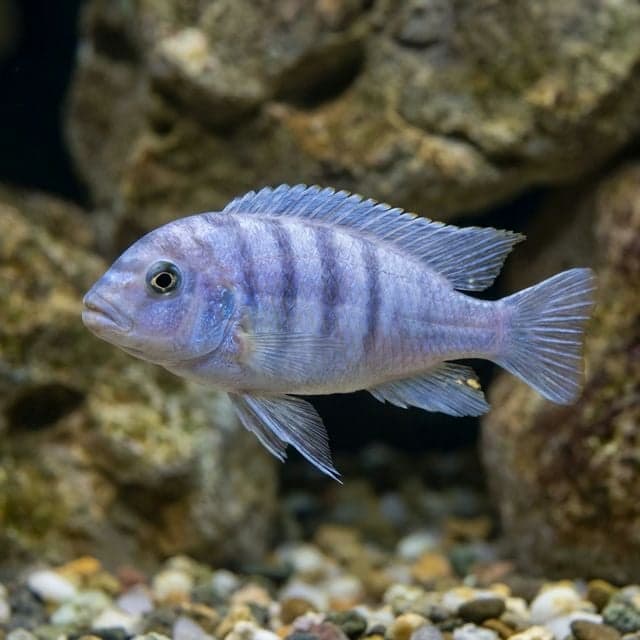
Choosing compatible tank mates for the Yellow Lab Cichlid is crucial to ensure a harmonious aquarium environment. Suitable tank mates include other African cichlids like the Rusty Cichlid (Iodotropheus sprengerae), the Zebra Cichlid (Metriaclima spp.), and various species of tetras and barbs that can thrive in similar water conditions. Additionally, Peaceful bottom-dwellers such as Corydoras catfish can cohabitate well, as they occupy different levels of the tank and maintain a peaceful coexistence.
Species to avoid include more aggressive cichlids and larger predatory fish, such as the Oscar (Astronotus ocellatus) or Jack Dempsey (Rhamphochromis octofasciatum), which may intimidate or threaten the Yellow Lab. It’s also best to avoid keeping them with smaller, more timid fish that may become targets for stress. Overall, creating a well-balanced community with appropriate tank mates will foster a thriving aquarium ecosystem.
Breeding
Breeding the Yellow Lab Cichlid in captivity can be a rewarding experience, as these fish display fascinating spawning behaviors. To encourage breeding, ensure that the water parameters are optimal—temperature should be around 26°C to 28°C (79°F to 82°F), and the pH should remain between 7.5 to 8.5. Providing ample hiding spots and flat surfaces, such as smooth rocks or slate, can facilitate the breeding process, as females prefer to lay their eggs in sheltered areas.
When ready to spawn, the female will lay about 15-30 eggs in a chosen spot, which she will then incubate in her mouth for several days until they hatch. After hatching, the fry remain in the mother's mouth for protection for an additional week before being released to explore the tank. Post-breeding, ensure a stable environment and maintain high water quality to promote the health of the fry as they develop.
Common Health Issues
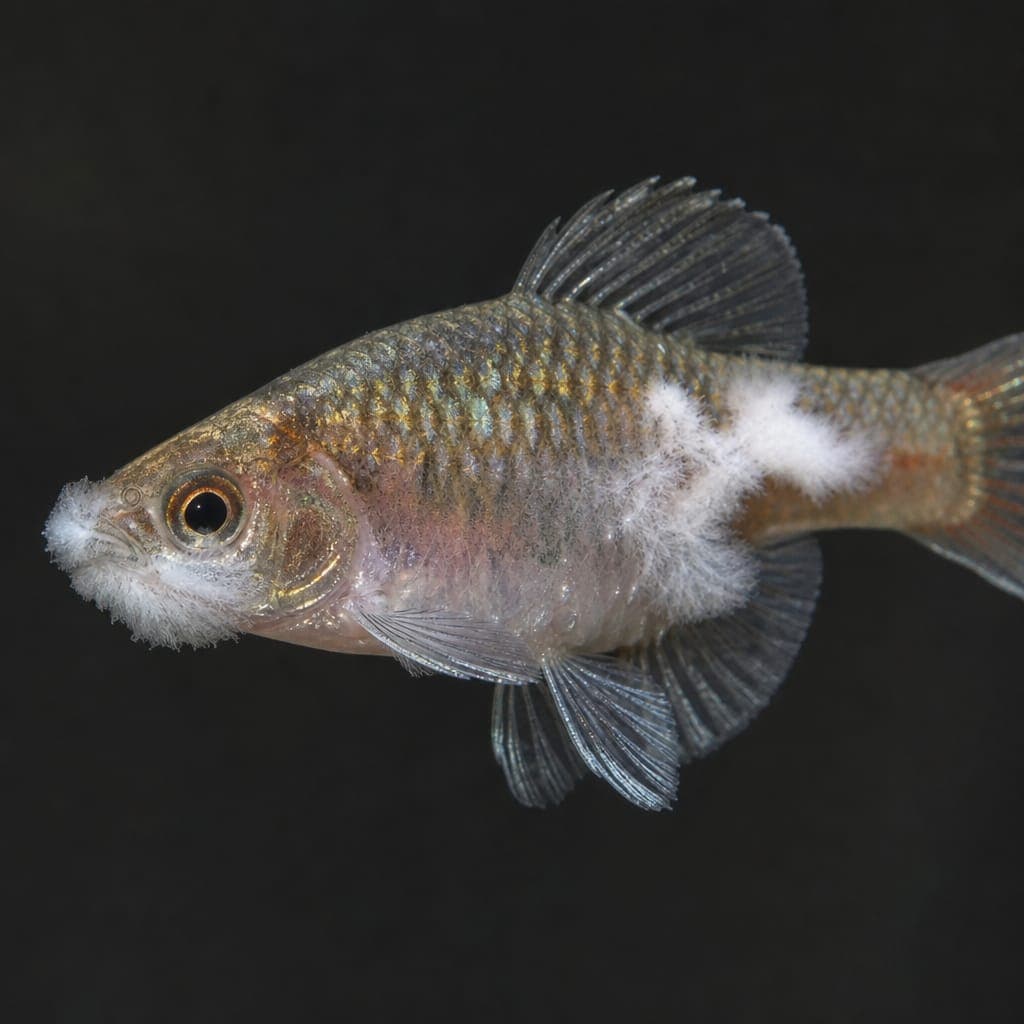
While the Yellow Lab Cichlid is generally hardy, it can be prone to specific health issues typical of cichlid species. Some common diseases include Ich (Ichthyophthirius multifiliis), Malawi bloat, and swim bladder disorders. Malawi bloat is a serious digestive disorder often caused by excessive animal protein in the diet or chronic stress; preventing it requires high-fiber foods, spirulina, and avoiding mammal-based fats or heavy bloodworm feedings.
Water quality issues like elevated nitrate or fluctuating pH can trigger fungal infections and bacterial fin rot. Maintaining consistent water parameters (pH 7.5–8.5, temperature 23–28°C) with rigorous biological filtration and regular 20–30% weekly water changes ensures their immune system remains strong. Providing ample rock caves and keeping a proper gender ratio also minimizes aggressive territorial stress, keeping Yellow Labs active, healthy, and vibrantly colored.