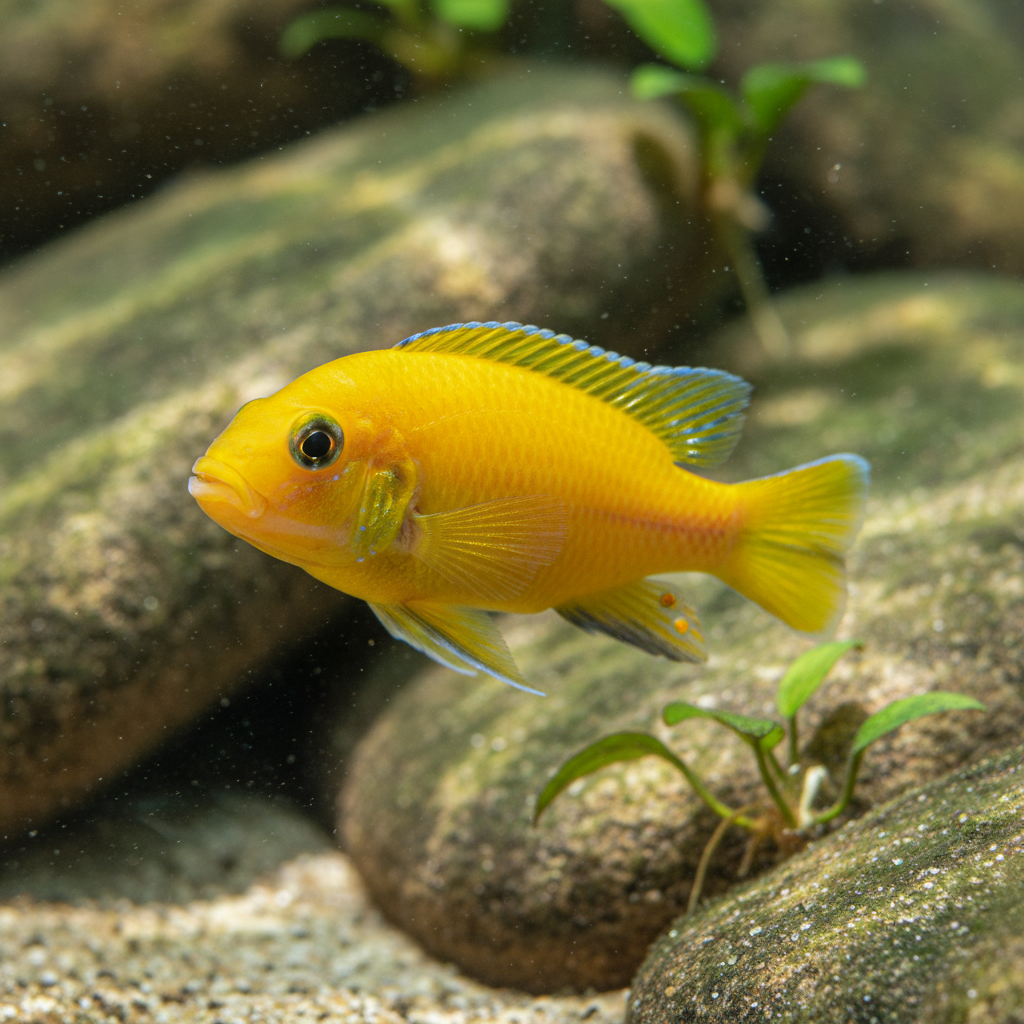
Yellow Labidochromis: Labidochromis caeruleus
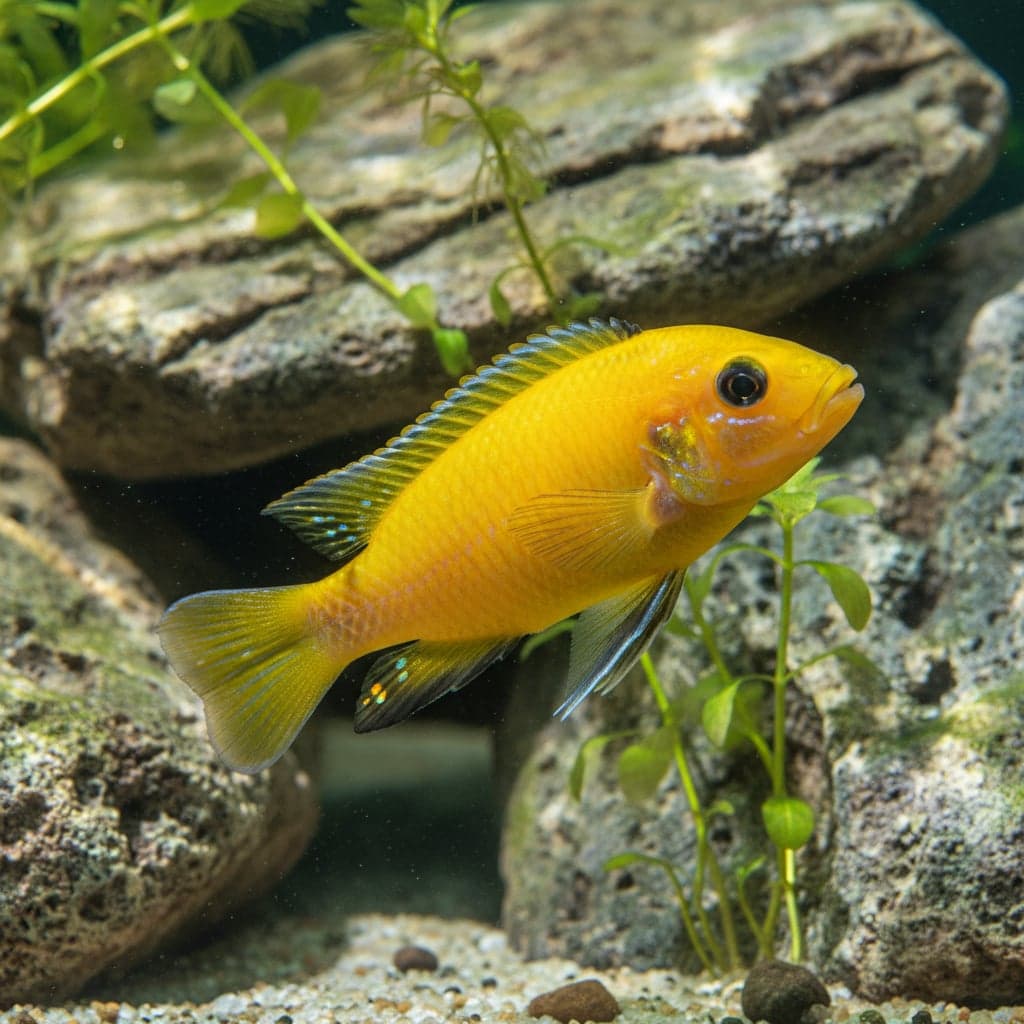
Perhaps the most popular of all African cichlids, the Yellow Lab is famous for its brilliant lemon-yellow color and relatively peaceful temperament.

Yellow Labidochromis
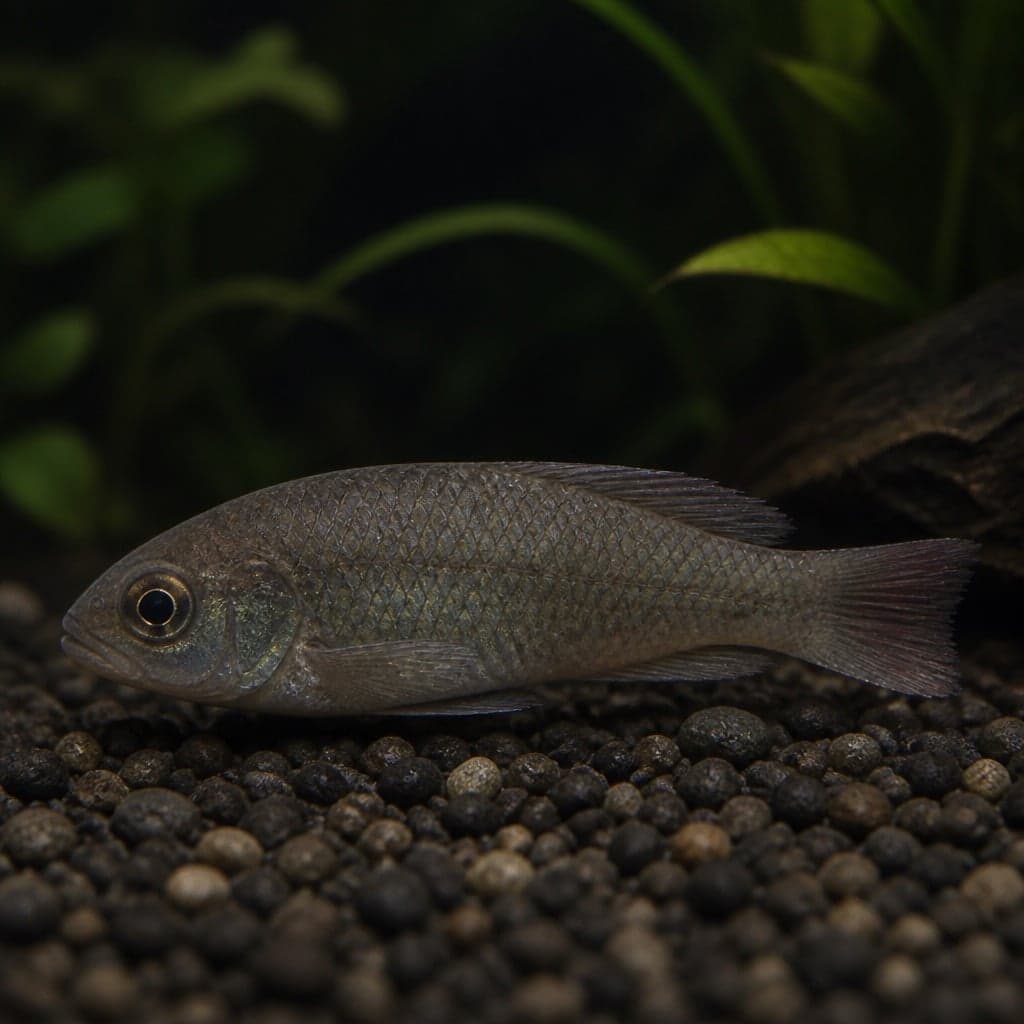
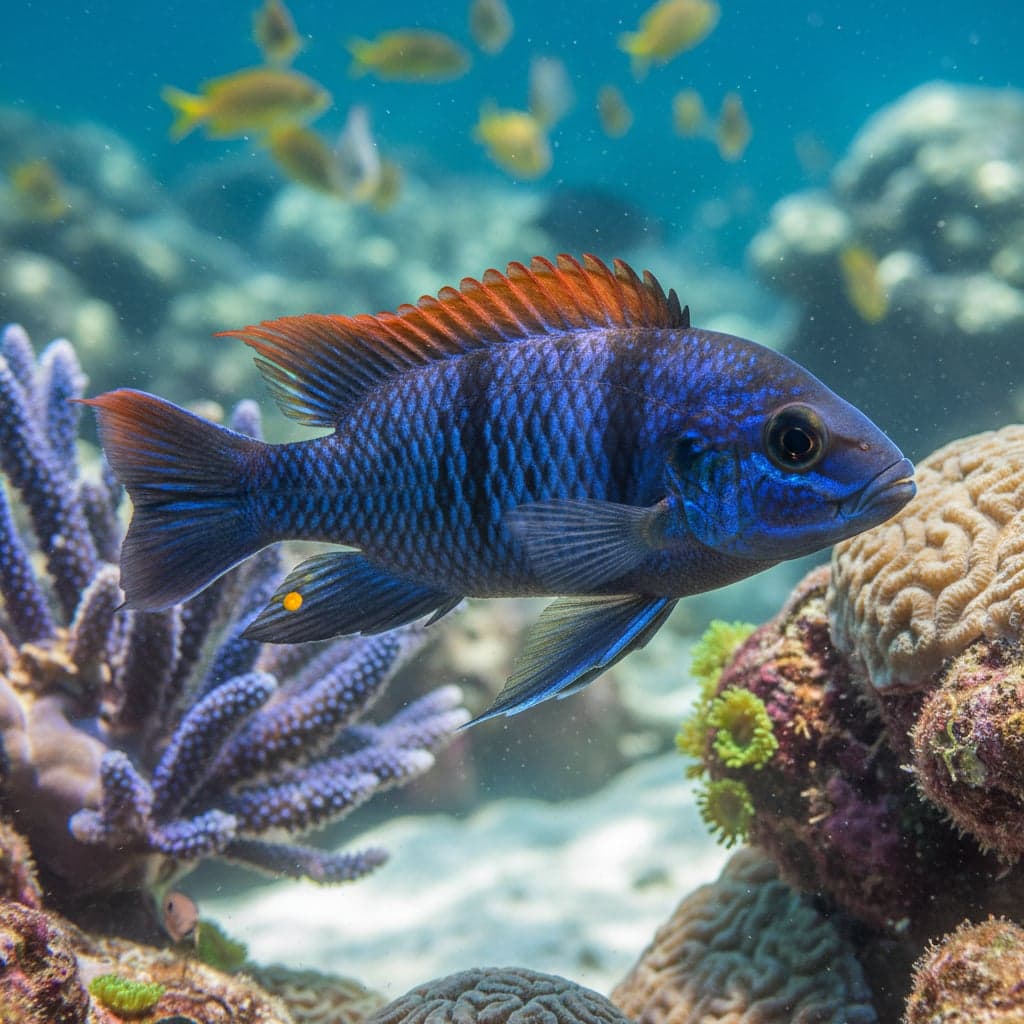
The Yellow Labidochromis, scientifically known as Labidochromis caeruleus, is a captivating species endemic to Lake Malawi in East Africa. This dazzling cichlid is renowned for its striking coloration, featuring a vibrant yellow body that can be accentuated with various shades of blue during certain developmental stages. The visual appeal of the Yellow Labidochromis not only lies in its bright colors but also in its unique body shape, which is slender and streamlined, making it a dynamic swimmer. The contrast of its bright hues against the backdrop of an aquarium setting adds a stunning focal point, often making it a centerpiece in home aquaria.
In terms of significance, the Yellow Labidochromis is a staple in the aquarium hobby due to its hardy nature and ease of care. Popular among both novice aquarists and experienced hobbyists, these fish embody the essence of joy in freshwater aquariums by exhibiting numerous fascinating behaviors and interactions. Their striking coloration coupled with distinct personality traits makes them a favorite for community tanks and biotope setups alike. They represent not only the beauty of the natural world but also the incredible biodiversity found in African lakes, prompting enthusiasts to appreciate and preserve such unique aquatic life.
Natural Habitat & Origin
The Yellow Labidochromis originates from the rocky shorelines of Lake Malawi, which is the third-largest lake in Africa and renowned for its rich aquatic biodiversity. This cichlid is typically found in clear, alkaline waters ranging from depths of a few meters down to over 10 meters, where it primarily inhabits rocky environments with plenty of hiding spots. The water in these areas is typically hard and has a pH ranging from 7.5 to 8.5, reflecting the geological influences present in the region. The presence of various types of rocks and sediment defines their habitat, providing a complex ecosystem that supports their natural behaviors.
Lake Malawi's climate contributes significantly to the ecological characteristics of the Yellow Labidochromis's habitat. The water temperature often hovers between 24°C to 28°C (75°F to 82°F), with variations influenced by seasonal changes, which leads to fluctuating spawning cycles and feeding behaviors. Understanding these natural conditions is vital for replicating their environment in aquariums, ensuring that Yellow Labidochromis thrive in captivity.
Care Requirements
To create a suitable environment for the Yellow Labidochromis, aquarists should aim for a minimum tank size of 30 gallons to provide adequate swimming space and territoriality. The aquarium setup should mimic its natural habitat featuring plenty of rocky structures and caves for hiding and breeding. For substrate, a sandy or fine gravel base works well, creating a more authentic environment. Lighting should be moderate to highlight the vibrancy of the fish without stressing them, complemented by live or artificial plants that add aesthetic value and additional shelter.
Water parameters play a crucial role in the health and well-being of the Yellow Labidochromis. They thrive in slightly alkaline conditions with a pH level between 7.5 and 8.5, a water temperature maintained between 24°C and 28°C (75°F to 82°F), and moderate to hard water with a hardness level of 10 to 20 dGH. Regular water changes, along with a strong filtration system, will help maintain clean and stable conditions, crucial for their longevity and health.
Diet & Feeding
In the wild, the Yellow Labidochromis is primarily an omnivore, feeding on a diverse diet that includes various aquatic invertebrates, algae, and detritus. In captivity, providing a balanced diet is essential to maintain their coloration and health. High-quality cichlid pellets or flakes should form the basis of their diet, supplemented with frozen or freeze-dried foods such as brine shrimp, bloodworms, and daphnia to enhance their nutrition. Additionally, offering blanched vegetables like zucchini or spirulina can promote color enhancement and overall health.
Feeding should be conducted two to three times a day in small portions, encouraging natural foraging behaviors while preventing water quality issues from uneaten food. It’s crucial to adapt the diet based on the fish's life stage, and care should be taken to ensure they are fed a variety of foods to prevent nutritional deficiencies and enhance their vibrant colors.
Behavior & Temperament
The Yellow Labidochromis is known for its vibrant personality and social behaviors. These fish are generally peaceful when kept in appropriate tank environments, yet they exhibit territorial traits, especially during breeding seasons. While they can be housed in community tanks, it is advisable to keep them with similarly-sized cichlids or peaceful species to prevent aggression. They prefer to occupy the middle to upper levels of the tank, often seen swimming around rocks and exploring their surroundings.
In terms of schooling, the Yellow Labidochromis can be semi-social, with females often forming loose groups, while males typically establish their territories. This behavior creates a hierarchy within the tank, reducing stress and conflicts. Monitoring interactions is crucial to ensure a balanced social environment, as stress from aggression can lead to health issues.
Tank Mates
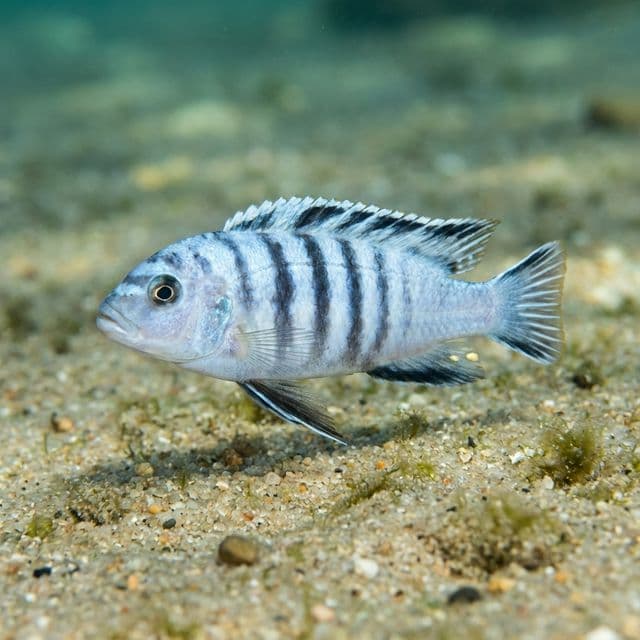
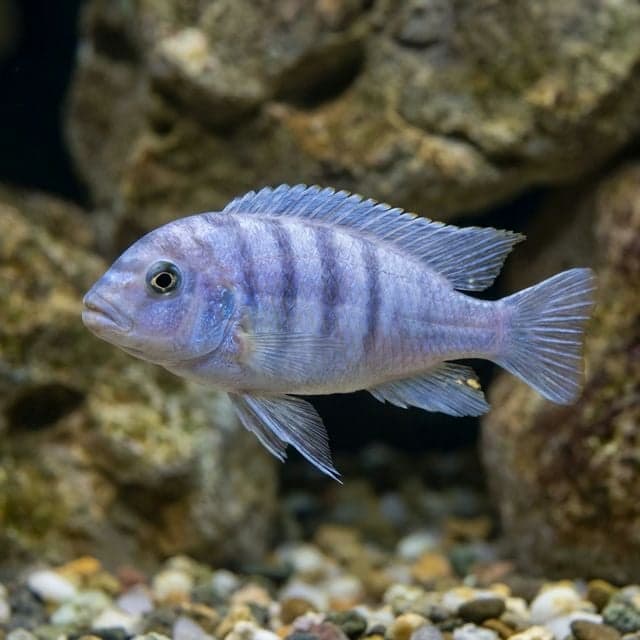
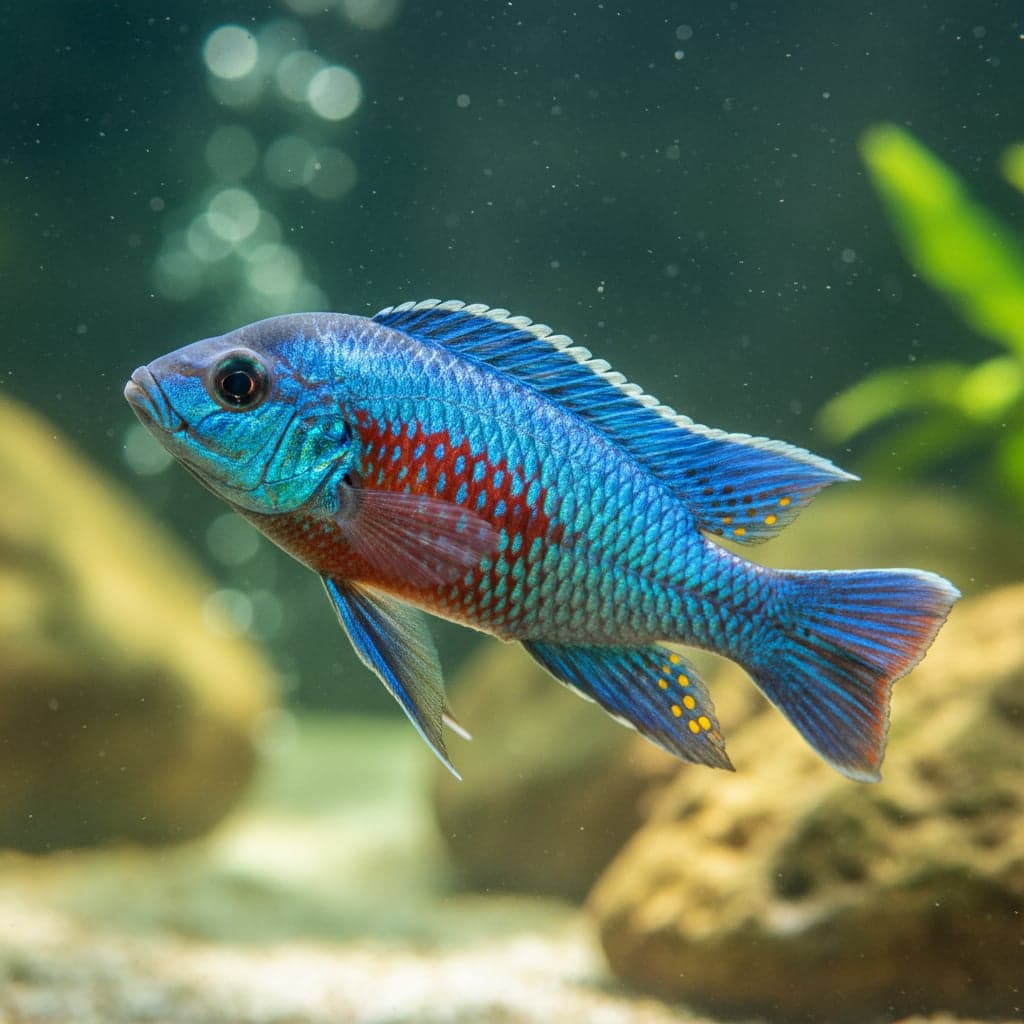
When selecting tank mates for the Yellow Labidochromis, it is essential to choose species that share similar water requirements and temperaments. Compatible species include other cichlids from Lake Malawi, such as the Electric Yellow Cichlid, Demasoni, and various species of Pseudotropheus. Peaceful community fish, such as Tetras or certain Catfish species, can also work well if introduced properly. However, it is important to avoid overly aggressive or larger species that might bully or threaten the Yellow Labidochromis, such as larger African cichlids or more territorial species like Oscars.
Additionally, it is advisable to keep the tank well-stocked with both male and female Yellow Labidochromis to dilute aggression and help maintain a more peaceful environment. A well-planned community aquarium can enhance the visual appeal and contribute to the wellbeing of all fish involved.
Breeding
Breeding the Yellow Labidochromis in captivity can be a rewarding experience for aquarists. These fish are mouthbrooders, meaning that females carry fertilized eggs in their mouths until they hatch. To encourage breeding, provide a separate breeding tank with rocky structures, a sandy substrate, and appropriately conditioned water parameters. Initiating the breeding process often requires the introduction of a male and several females, as this increases the likelihood of successful mating.
When ready to spawn, the female will lay eggs on a flat surface or a rock, which the male fertilizes. After the eggs are fertilized, the female collects them in her mouth, where she will incubate them for about 21 days before releasing free-swimming fry. A separate fry rearing tank can be beneficial to protect the young from being eaten by other fish or stressed by larger tank mates. A nutritious diet of finely crushed flakes and infusoria can aid the fry’s development, ensuring a healthy start in their aquatic life.
Common Health Issues
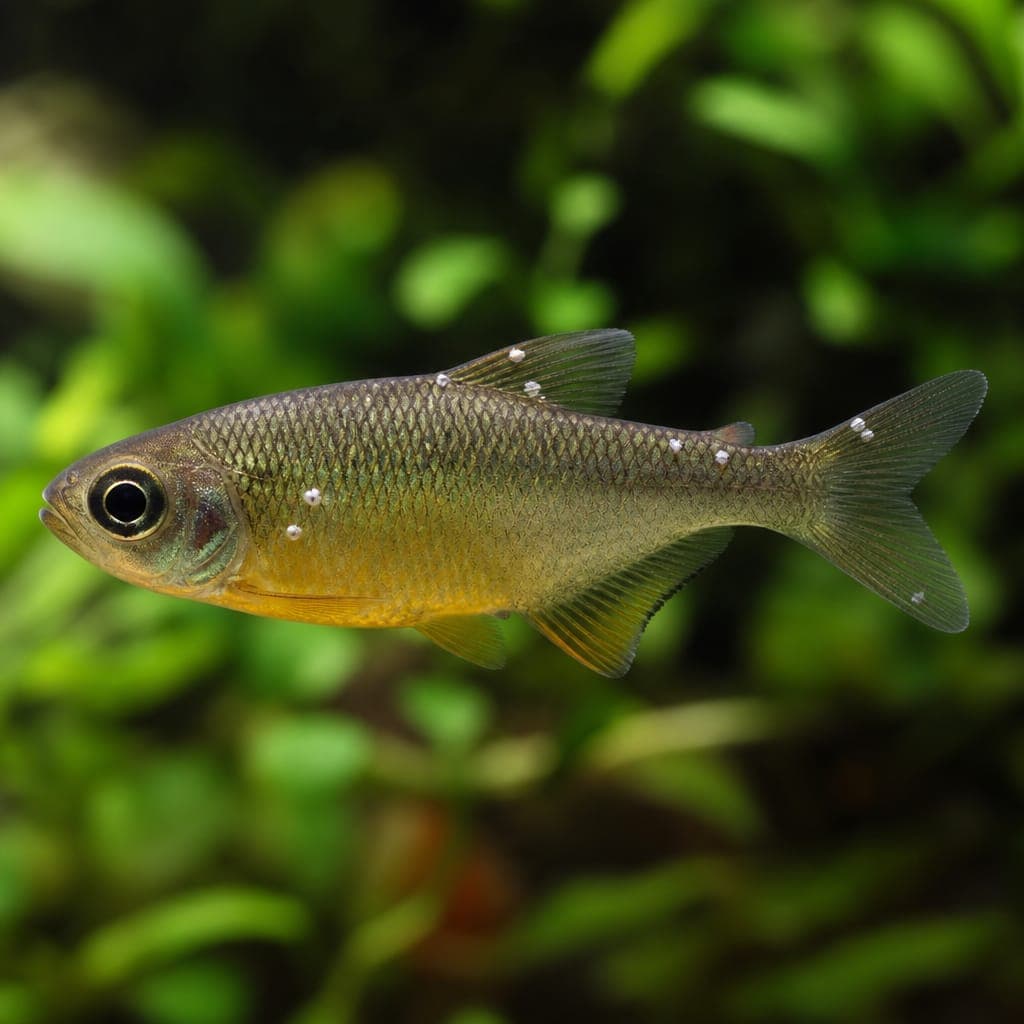
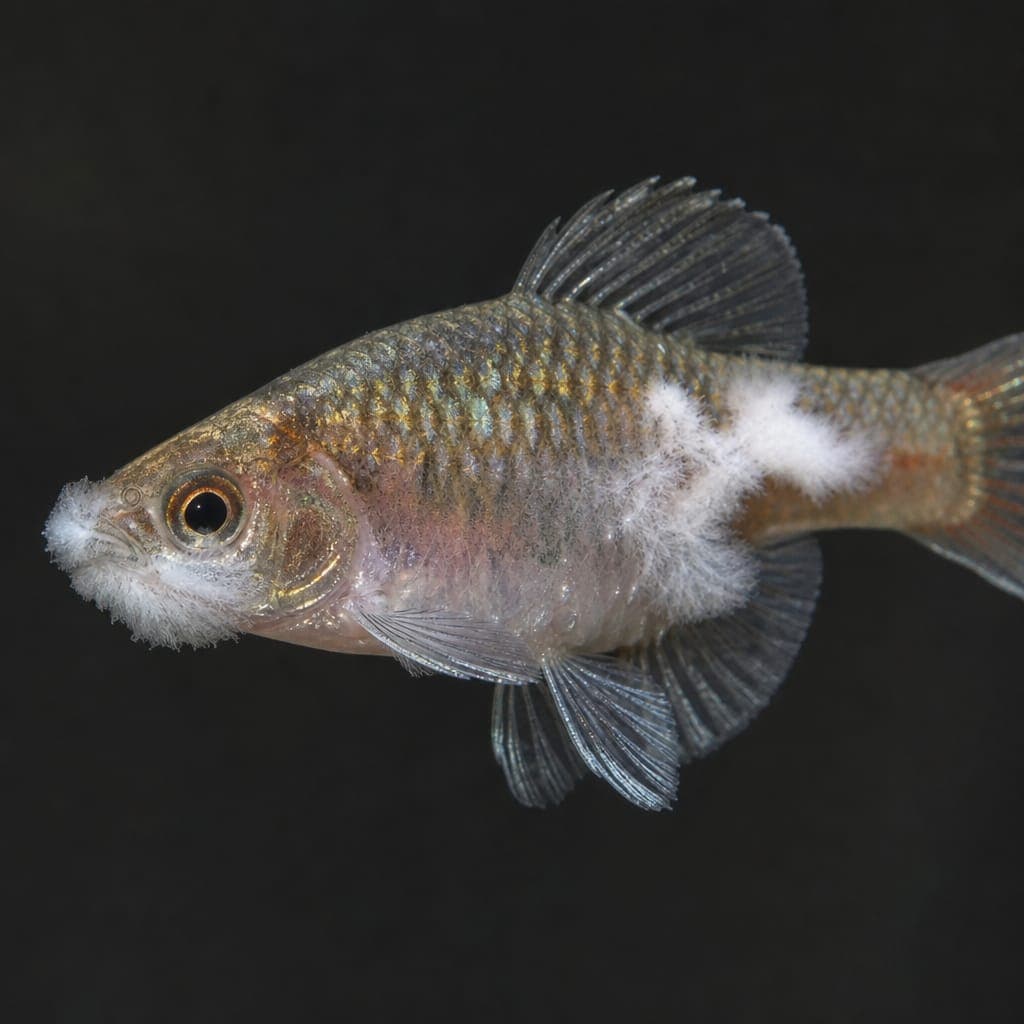
While generally hardy, the Yellow Labidochromis can be susceptible to several common ailments, particularly if kept in suboptimal conditions. Some health issues include Ich (White Spot Disease), fin rot, and various forms of bacterial and fungal infections. To prevent these issues, maintaining stable water parameters, conducting regular water changes, and ensuring a balanced diet are crucial steps.
Additionally, monitoring for signs of stress—such as hiding, faded colour, or aggression spikes—lets you intervene before disease takes hold. Quarantine new fish and keep hard alkaline water stable with strong filtration. Avoid overcrowding and sudden parameter swings that trigger Malawi bloat or ich. Watch for white spots, bloating, clamped fins, or loss of appetite, and treat promptly in a hospital tank when needed. A varied diet with vegetable matter and rockwork territories keep Yellow Labidochromis bold, bright, and healthy for years.