Yellow Tailed Purple Tang
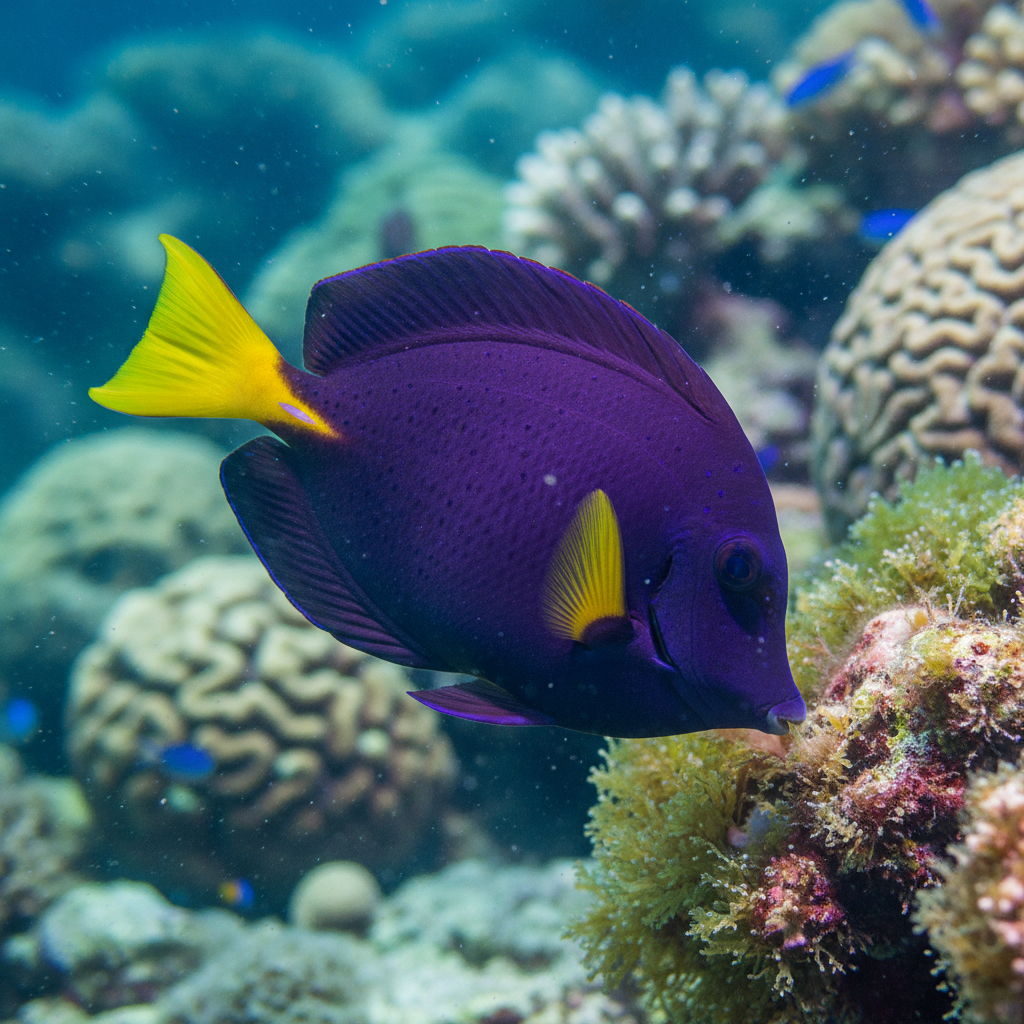
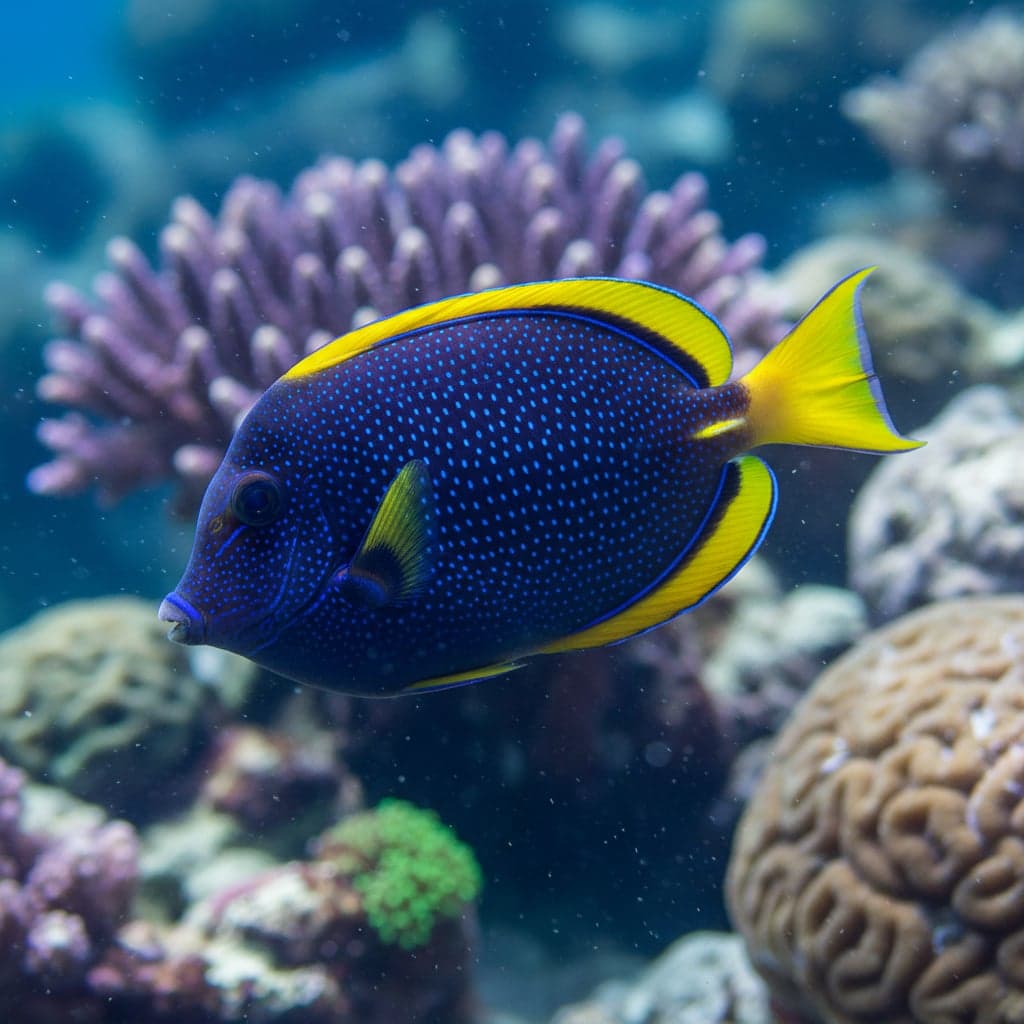
A 25cm Red Sea tang, deep purple with a yellow tail. Needs 700L+, heavy algae grazing, and it is aggressive toward other tangs.
Also known as: purple tang · Zebrasoma xanthurum
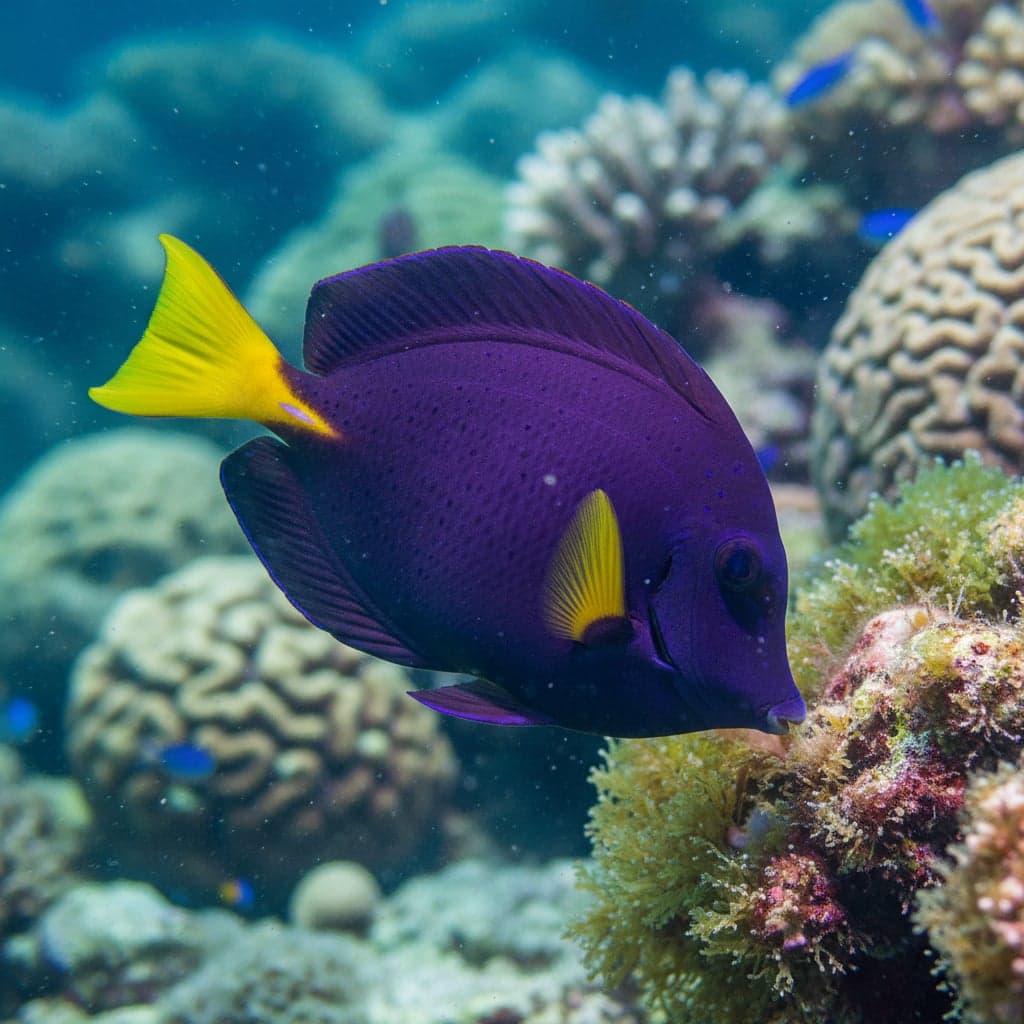
Yellow Tailed Purple Tang
The Yellow Tailed Purple Tang, also known scientifically as Zebrasoma xanthurum, is a striking marine fish that captivates aquarists with its exceptional beauty. This fish exhibits a vibrant, deep purple body contrasted with a brilliant yellow tail, making it an eye-catching addition to any reef aquarium. Its coloration not only enhances the visual appeal of the tank but also adds diversity to the aquatic ecosystem. This species is particularly revered among marine enthusiasts for its active behavior and compatibility with a range of tank setups, drawing both novice and experienced aquarists alike.
In the aquarium hobby, the Yellow Tailed Purple Tang is more than just a decorative fish; it plays a vital role in maintaining the health of the reef environment. These fish are known for their algae-eating habits, which help control algae growth on rocks and corals, promoting a balanced ecosystem. Moreover, their dynamic swimming patterns and inquisitive nature contribute to the lively atmosphere of a marine tank, making them a cherished feature for both display and ecological function.
Natural Habitat & Origin
The Yellow Tailed Purple Tang is native to the warm, tropical waters of the Indo-Pacific region, particularly around locales such as the Hawaiian Islands, the Great Barrier Reef, and the waters of Micronesia. This species typically inhabits coral reefs and rocky areas, where they can find both shelter and food. The typical environment includes clear, warm waters where visibility is high, allowing them to graze on the abundant algae that thrive in such conditions. In the wild, these fish tend to occupy depths ranging from 10 to 50 meters, often hiding in crevices or among coral formations.
The environmental conditions of their natural habitat are crucial for their health and wellbeing. The Yellow Tailed Purple Tang is found in areas with stable water parameters, including temperatures ranging from 24-28°C (75-82°F) and salinity levels of 1.020-1.025. Understanding their natural habitat is essential for replicating the conditions necessary for successful care in captivity.
Care Requirements
To ensure the health and longevity of the Yellow Tailed Purple Tang, a well-planned aquarium setup is critical. A minimum tank size of 700 litres (185 gallons) is recommended to accommodate the 25cm adult size and near-constant swimming of this species. The tank should ideally have a sandy substrate that mimics their natural environment, along with ample hiding spots created by live rock structures. These rocks not only serve as shelter but also provide grazing surfaces for algae, which are essential to their diet.
Regarding water parameters, it is crucial to maintain a pH of 8.1-8.4, a temperature between 24-28°C (75-82°F), and a water hardness of 8-12 dKH for optimal health. Lighting conditions should replicate the natural sunlight found in their native habitat, so a moderately bright light setup is recommended, allowing for algae growth while avoiding extremes that may harm other tank inhabitants.
Diet & Feeding
The Yellow Tailed Purple Tang is an omnivorous fish, primarily feeding on various algae and plant matter in the wild. To replicate its natural diet in an aquarium, it is vital to provide a well-balanced mix of foods. High-quality marine flakes and pellets formulated for herbivores should form the base of their diet. Additionally, incorporating frozen or freeze-dried foods, such as spirulina brine shrimp and marine mix, can enhance their nutritional intake.
Regular feeding is essential for their health; it is recommended to feed them multiple small meals daily rather than one large feeding. This helps to mimic their natural grazing habits and ensures they receive adequate nutrition without overfeeding, which can lead to poor water quality in the aquarium.
Behavior & Temperament
The Yellow Tailed Purple Tang exhibits a predominantly peaceful demeanor but can display territorial behavior, especially during feeding or when establishing a home range in the aquarium. They can be semi-aggressive with other tangs or fish of similar body shapes, particularly during initial introductions. In terms of social behavior, these fish do not form shoals; instead, they prefer to establish their territories by patrolling the bottom and mid-levels of the tank.
When placing them in a community tank, it is important to monitor their interactions, particularly if adding multiple tang species simultaneously, as they may become aggressive towards one another. Pressuring them enough can lead to stress-related health issues, so creating a well-structured environment with enough hiding spaces will facilitate more harmonious interactions.
Tank Mates
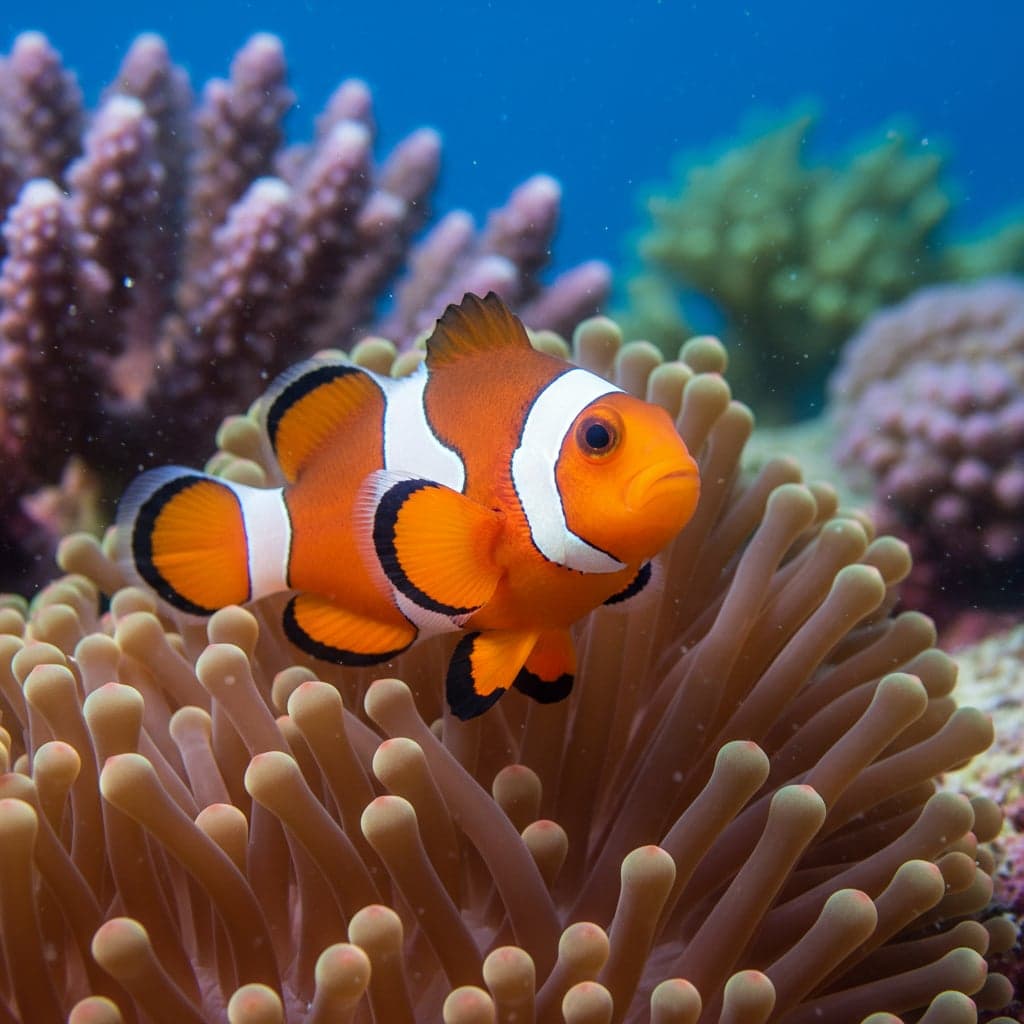
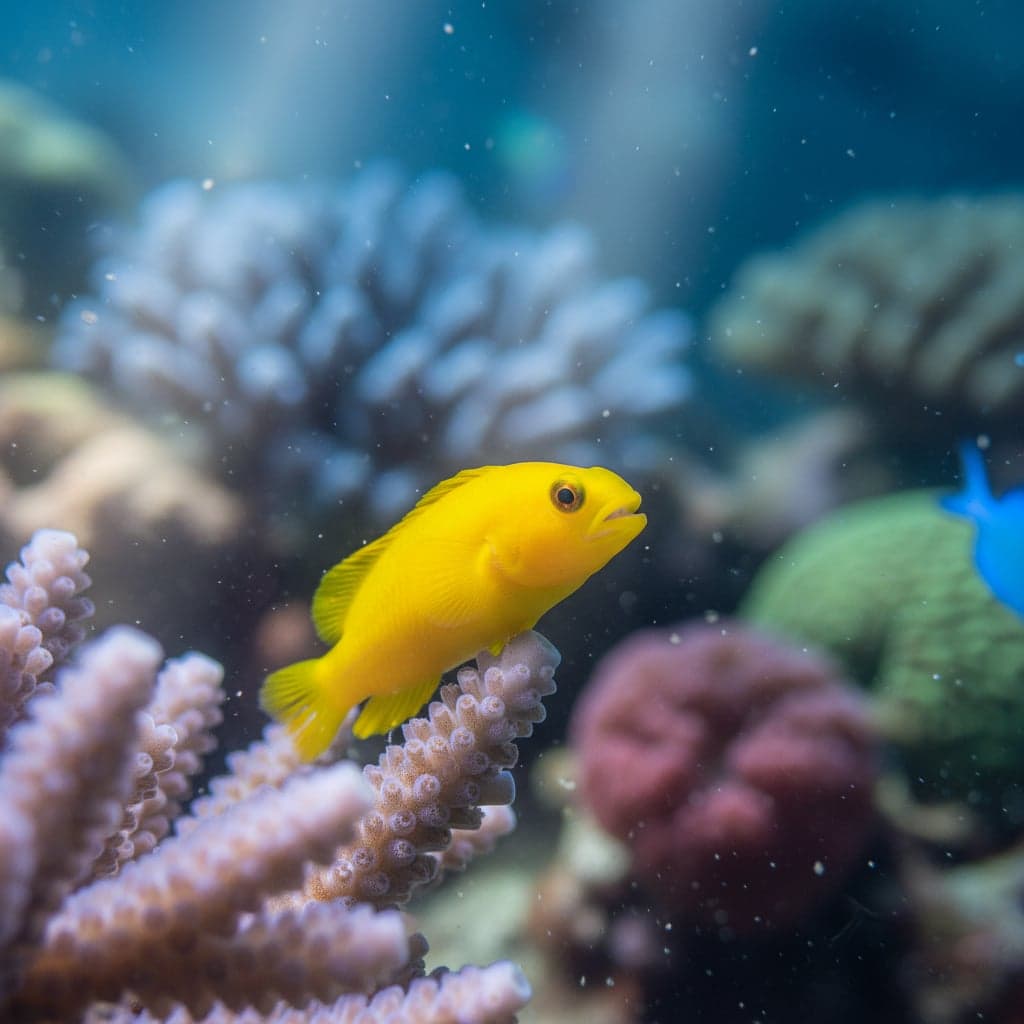
The Yellow Tailed Purple Tang can coexist with various species, provided that the tank is spacious and properly designed. Recommended compatible tank mates include clownfish, anthias, gobies, and other docile reef-safe species. However, it is advisable to avoid mixing them with similarly shaped fish such as other tangs and surgeonfish that may induce aggression or competition for territory.
Caution should also be exercised with more aggressive species like lionfish or triggers, which may stress or harm the Yellow Tailed Purple Tang. Creating a diverse tank community and adding tank mates gradually allows for smoother acclimatization and minimizes territorial disputes.
Breeding
Breeding the Yellow Tailed Purple Tang in captivity is a challenging endeavor as it requires specific conditions and knowledge of their spawning behavior. In the wild, these fish spawn in pairs or small groups during the breeding season, typically in the early morning hours, releasing eggs into the water column where fertilization occurs.
To encourage breeding in captivity, a well-maintained, spacious tank with stable parameters and high water quality is paramount. Providing ample hiding places and ensuring adequate nutrition can stimulate breeding behaviors. Additionally, observing potential mating pairs can lead to successful spawning, but the fertilized eggs must be managed carefully, as they are highly sensitive to environmental changes and may require separate rearing tanks with specific conditions.
Common Health Issues
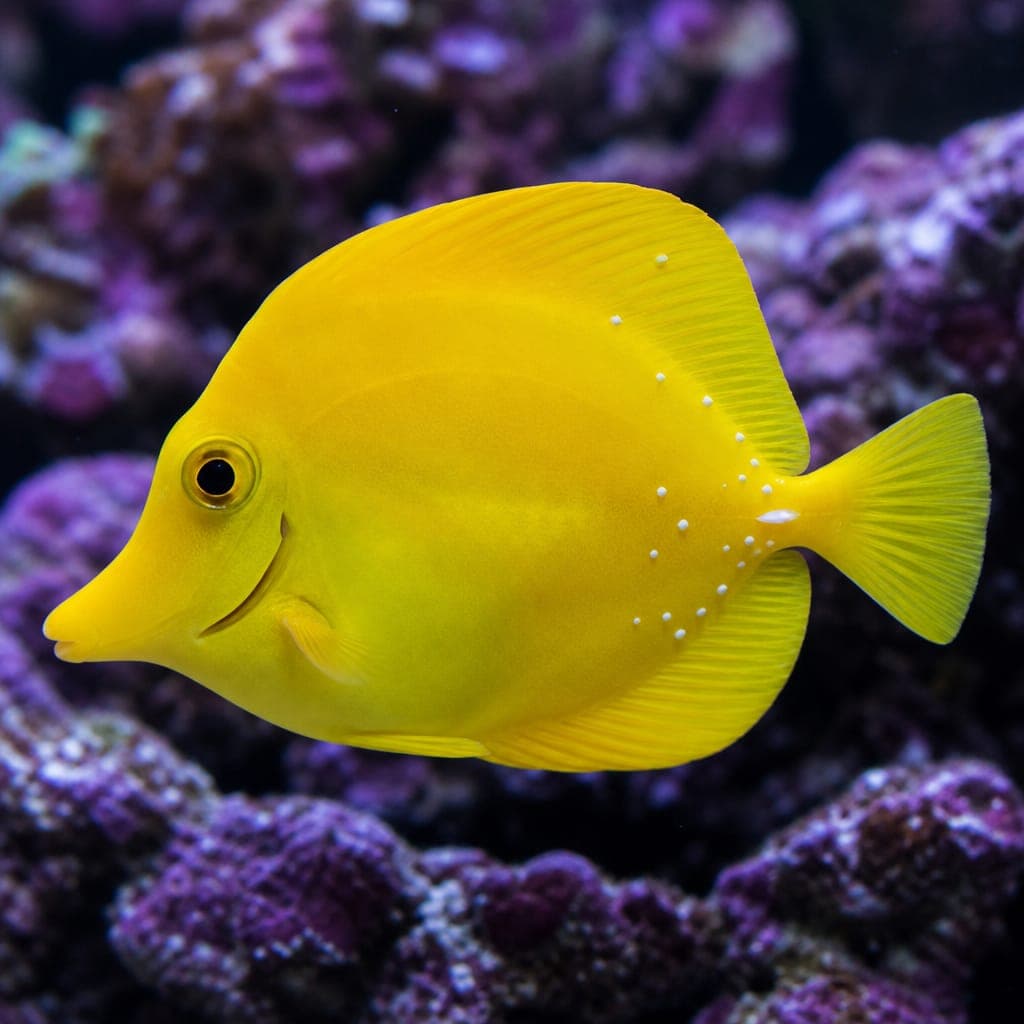
The Yellow Tailed Purple Tang can be prone to various health issues, typically related to stress or water quality. Ich (Cryptocaryon irritans) is one of the most common diseases affecting marine fish, presenting as white spots on the body. Other potential issues include marine velvet (Oodinium) and bacterial infections.
To prevent these ailments, maintain optimal water parameters, ensure good tank hygiene, and establish a quarantine procedure for new arrivals to minimize the risk of introducing diseases. Regular observation for signs of illness is essential, and prompt treatment is crucial to maintaining the overall health of the Yellow Tailed Purple Tang in your aquarium.