Yellow Tang
The 20cm Hawaiian tang everyone recognises. A grazing herbivore that needs 300L+, constant algae, and strong flow to stay healthy.
Also known as: yellow Hawaiian tang · Zebrasoma flavescens

Yellow Tang
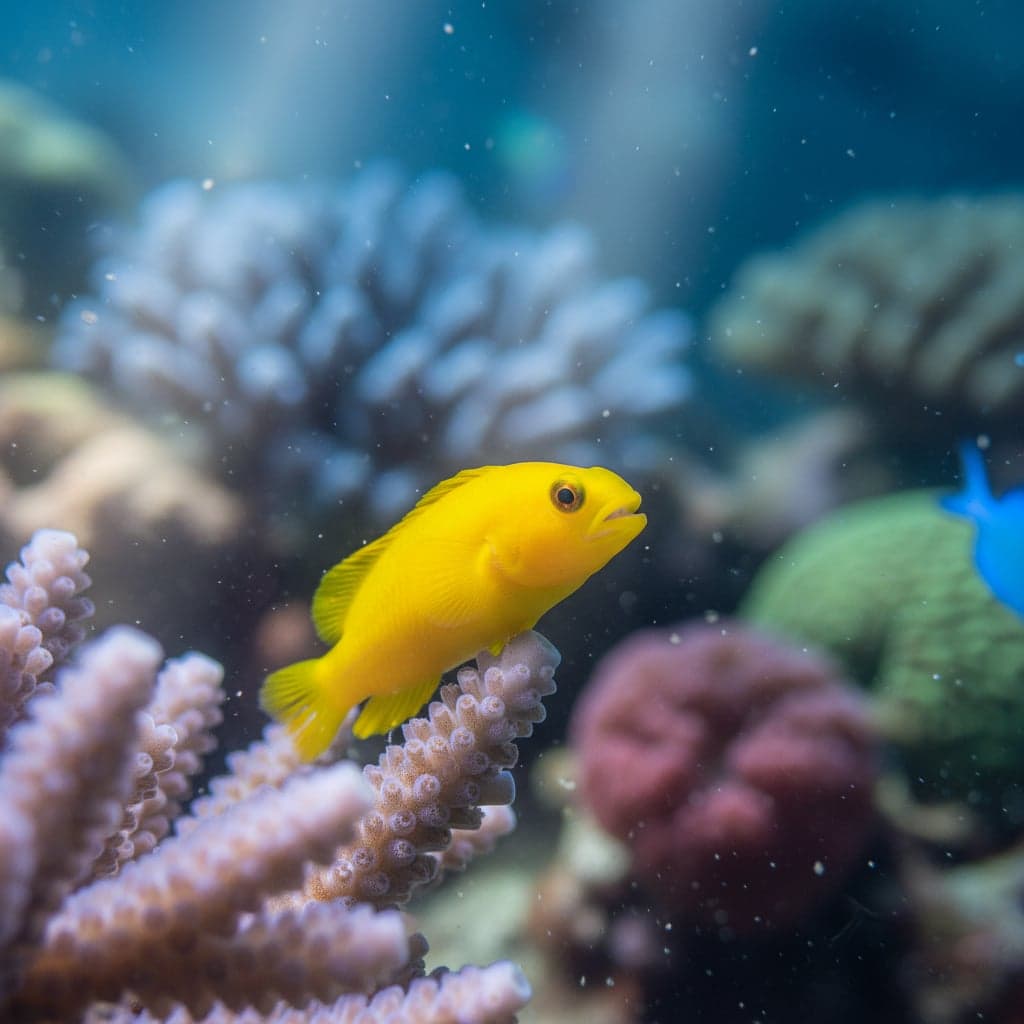
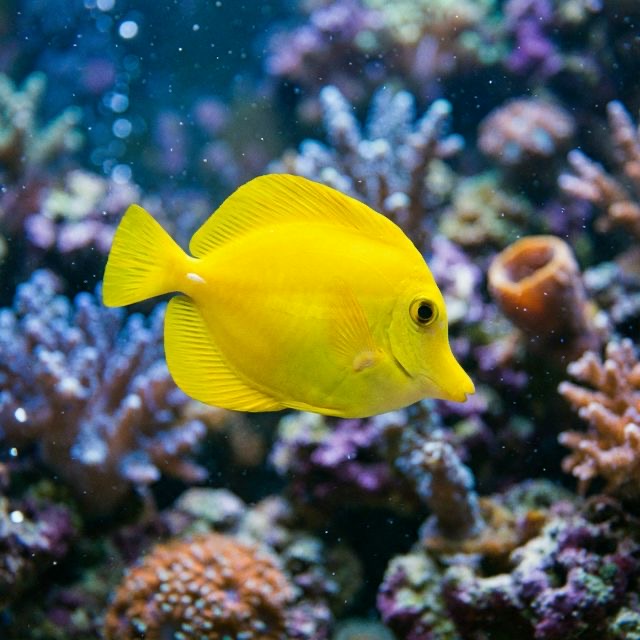
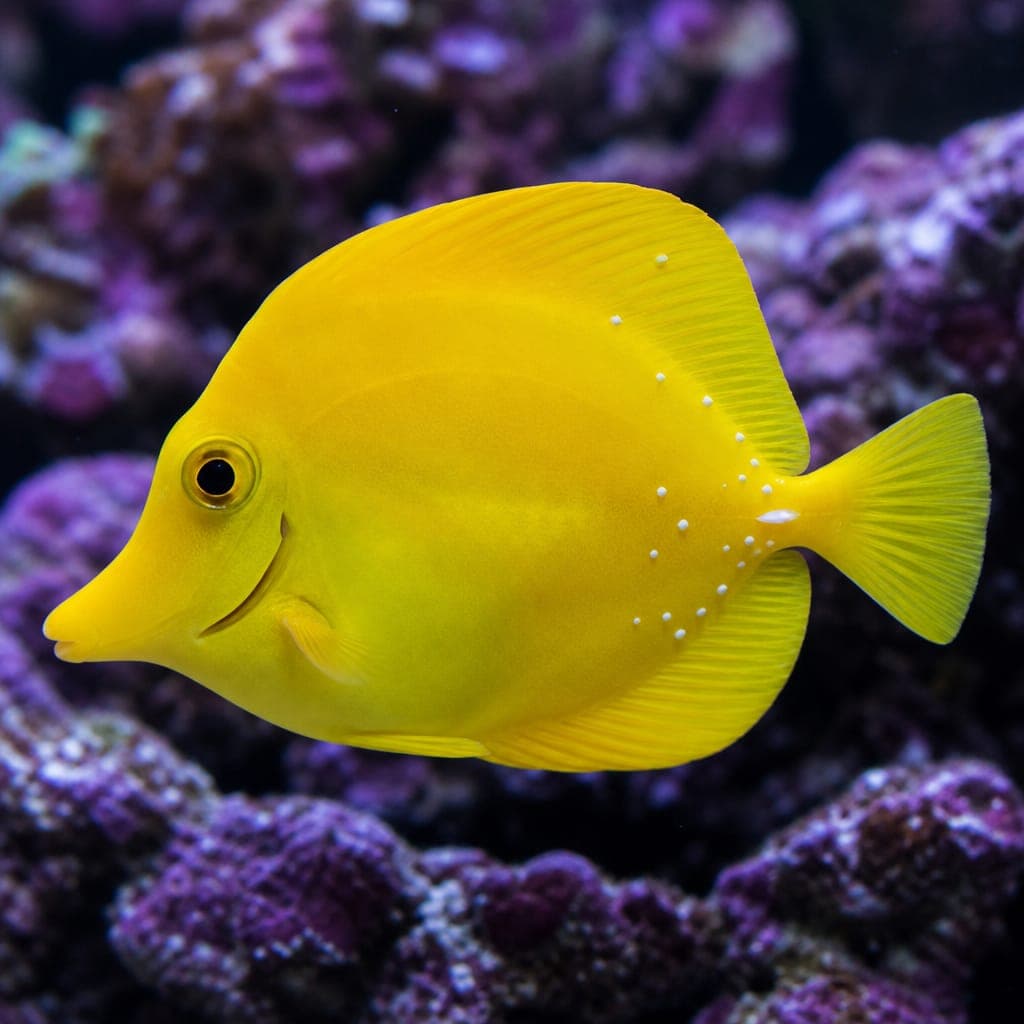
The Yellow Tang (Zebrasoma flavescens) is a vibrant and captivating fish native to the warm waters of the Pacific Ocean. Renowned for its brilliant yellow coloration and sleek, oval body shape, the Yellow Tang has garnered immense popularity in the aquarium hobby. Its striking appearance, combined with its lively swimming behavior, makes it a favorite among aquarists of all levels. Beyond its aesthetic appeal, the Yellow Tang plays a significant ecological role as an herbivore, grazing on algae that grows on coral reefs, thus helping to maintain the delicate balance of marine ecosystems.
In the aquarium setting, the Yellow Tang's vibrant hue not only enhances visual interest but also serves as a symbol of the beauty and diversity of marine life. Its presence can evoke the vibrant underwater scenes of its natural habitat, making it a wonderful addition to both novice and expert aquariums. This fish is not only a pleasing sight but also adds dynamism to tank environments, often seen swimming energetically throughout the water column or navigating amongst rock formations. Its cheerful demeanor and social nature only heighten its significance, establishing its worth as both a pet and a vital contributing member of a well-balanced marine aquarium.
Natural Habitat & Origin
Yellow Tang are primarily found in the coral reefs of the Pacific Ocean, particularly around Hawaii, where they thrive in shallow, warm waters. They prefer areas with abundant coral cover and are often observed amidst the intricate geological structures of the reef. Yellow Tang inhabit clear, clean waters that are generally between 10 to 50 feet deep, enjoying stable water conditions rich in algae, which constitute their primary food source. Their natural habitat encourages a diverse ecosystem, providing shelter and foraging opportunities while maintaining a symbiotic relationship with both algae and coral.
This beautiful fish is not limited to any specific type of water body like blackwater or brackish environments; rather, they flourish in crystal-clear environments where they can display their vibrant coloration. The interplay of light against their bright yellow skin often creates an ethereal glow, adding to their allure. A better understanding of their habitat preferences helps hobbyists recreate these conditions in their aquariums, ensuring a suitable environment for this stunning species.
Care Requirements
Caring for a Yellow Tang requires specific water parameters and a well-thought-out tank setup to ensure its health and happiness. Ideal water parameters for Yellow Tang include a pH range of 8.1 to 8.4, a temperature between 72°F to 78°F (22°C to 25.5°C), and a hardness level of 8 to 12 dGH (degrees of general hardness). These values closely mimic the natural conditions of their Pacific Ocean habitat and are essential for keeping this fish vibrant and active.
A minimum tank size of 300 litres (80 gallons) is recommended for keeping a Yellow Tang, and tank length matters more than volume — a 20cm grazer needs an uninterrupted swimming run. The tank should be outfitted with plenty of live rock and coral structures to provide hiding spots and grazing opportunities. A sandy substrate can be beneficial, along with moderate to high lighting to promote algae growth, which is crucial for the Yellow Tang’s diet. Including hardy aquatic plants like macroalgae can also enhance the tank’s aesthetic and biome, providing additional grazing surfaces.
Diet & Feeding
The Yellow Tang is primarily an herbivore, thriving on a diet rich in algae. In captivity, it is important to provide a well-balanced diet that mimics its natural feeding habits. High-quality marine flakes or pellets supplemented with spirulina and various types of algae are recommended. Frozen or freeze-dried foods, such as seaweed and nori, are excellent options as well. Some aquarists also introduce live foods, such as brine shrimp, to add variety to the Yellow Tang's diet, but these should be considered occasional treats rather than staples.
Feeding should be done multiple times a day in small portions to ensure that the fish can graze continuously, replicating its natural behavior of foraging throughout the day. This approach not only caters to the Yellow Tang's dietary needs but also helps prevent aggression that may arise from hunger or territorial disputes over food.
Behavior & Temperament
Yellow Tangs exhibit lively and active behavior, often swimming throughout the tank in search of food and engaging with their environment. They are generally considered semi-aggressive, especially when establishing territories, which makes it essential to monitor their interactions with other species in community tanks. These fish are social and can thrive in the company of other peaceful species; however, they can display dominant behaviors, particularly with their own kind if kept in smaller tanks.
In terms of vertical placement, Yellow Tangs tend to occupy mid to upper levels of the aquarium. Their inclination to swim near the water column allows them to remain vigilant while searching for food and avoiding potential threats. Given their active nature, providing ample swimming space and territory will contribute to a harmonious aquarium environment.
Tank Mates
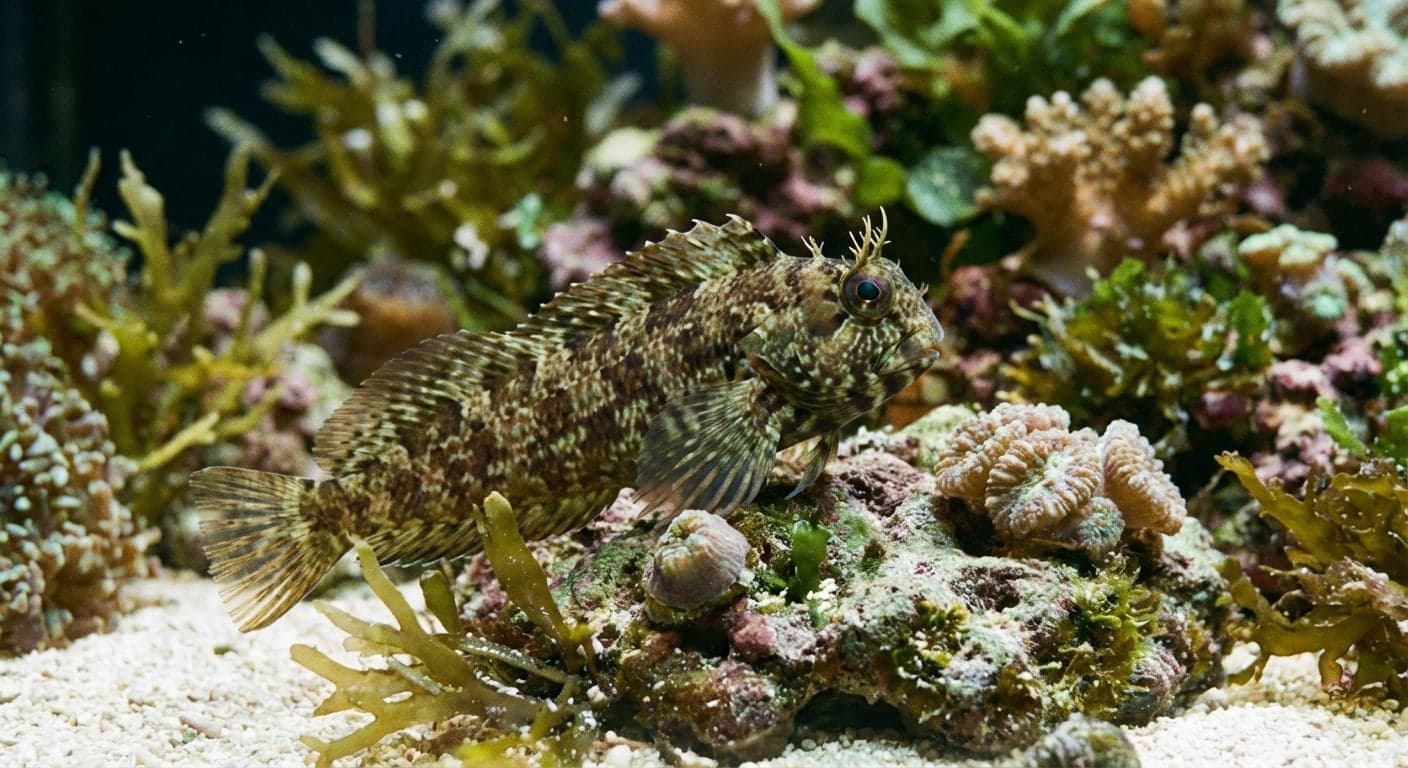
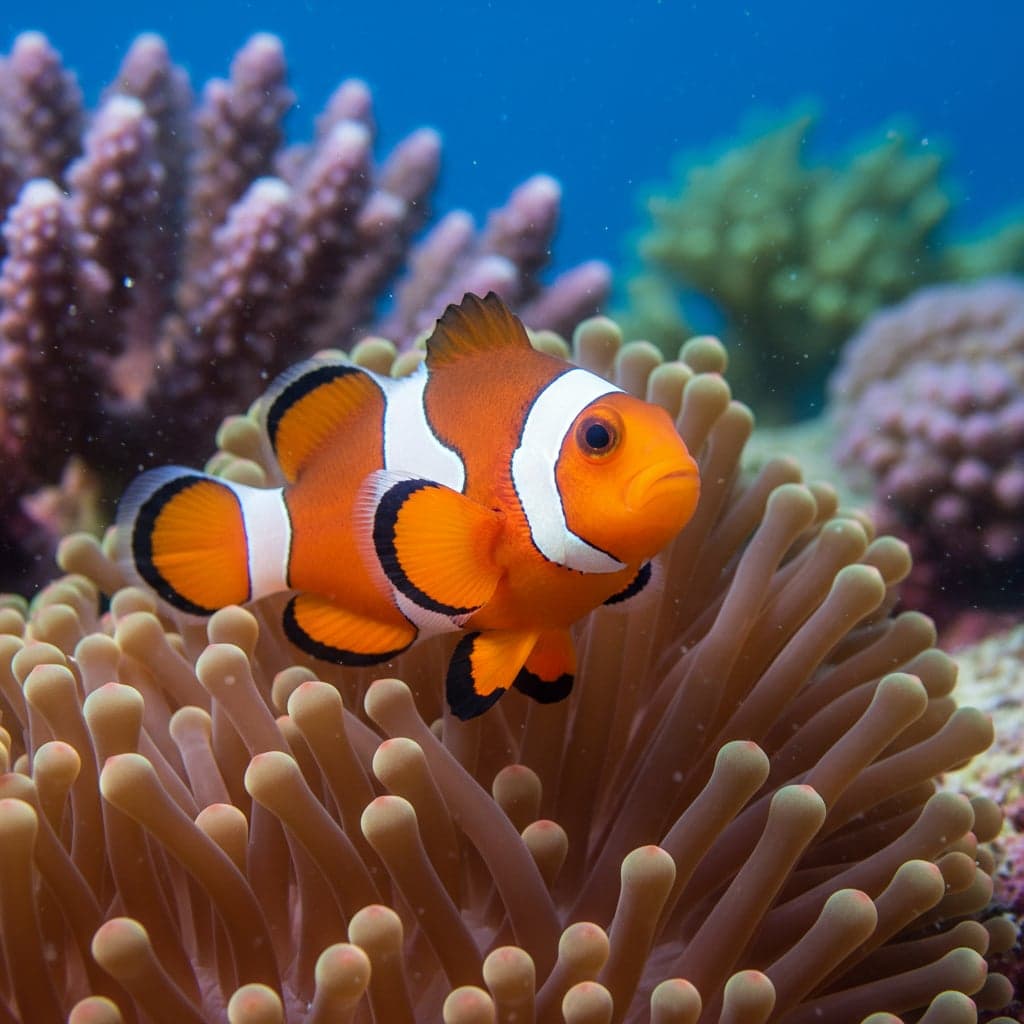
When selecting tank mates for the Yellow Tang, it’s crucial to prioritize compatible species that minimize aggression and enhance community tank dynamics. Ideal tank mates include other peaceful fish like clownfish, gobies, blennies, and various wrasses. Additionally, larger peaceful species such as angelfish and butterflyfish can coexist well with Yellow Tangs, given there is enough room and hiding spots to alleviate competition.
Conversely, some species should be avoided to prevent conflict. Avoid keeping multiple tangs together, as this often leads to aggressive behavior. Additionally, avoid territorial fish like lionfish or overly aggressive species like damselfish. Ensuring the right mix of tank mates is vital for maintaining a peaceful community environment in your aquarium.
Breeding
Breeding Yellow Tangs in captivity can be quite challenging due to their specific reproductive needs. They are pelagic spawners, meaning they release their eggs and sperm into the water column, where fertilization occurs. To encourage spawning, a larger aquarium with stable water conditions is necessary, ideally structured with ample live rock and algae for grazing.
Spawning typically occurs in the early morning hours, with the female releasing eggs in a cloud while the male follows shortly behind to broadcast his sperm. If hobbyists wish to attempt breeding Yellow Tangs, they may need to replicate the natural water conditions and provide a stress-free environment. Observing behavior during feeding times may also offer insights into potential breeding readiness among fish.
Common Health Issues
Yellow Tangs may be susceptible to certain health issues, including marine ich (Cryptocaryon irritans), fin rot, and stress-related ailments. Marine ich is particularly common in stressed fish and presents as white spots on the body and fins. Maintaining optimal water quality is crucial for preventing ich and similar diseases. Regular water changes, meticulous tank maintenance, and proper diet are key strategies in prevention.
To combat potential health problems, aquarists should ensure that their fish are housed in a stress-free environment with appropriate tank mates and enough space. Quarantine new additions before introducing them into established tanks and be vigilant in observing any behaviors or signs of illness to intervene quickly. Proactive husbandry practices will greatly minimize the risk of health issues for your Yellow Tang.