Fish

Yellowback Anthias

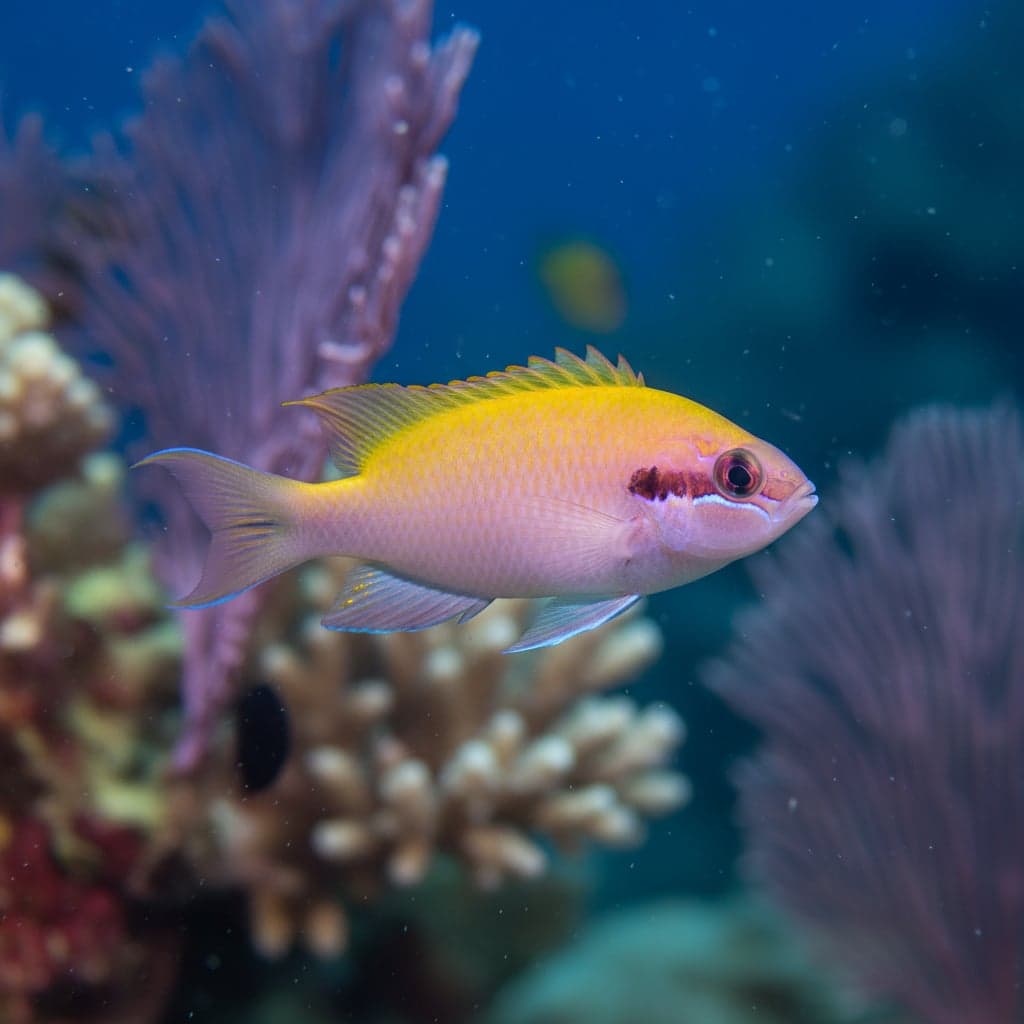
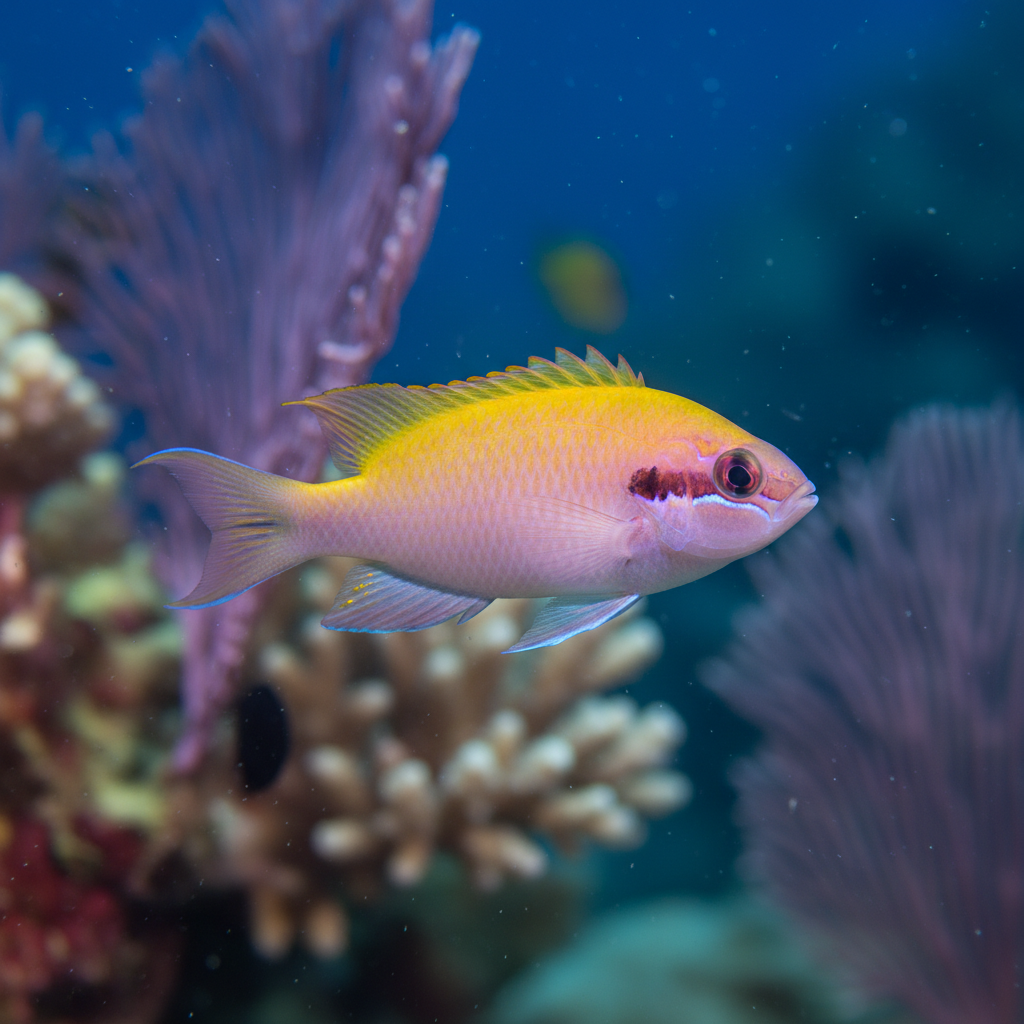
The Yellowback Anthias (Pseudanthias evansi) is a stunning saltwater fish known for its unique appearance and behavior.

Studio Scaped
Yellowback Anthias

Yellowback Anthias

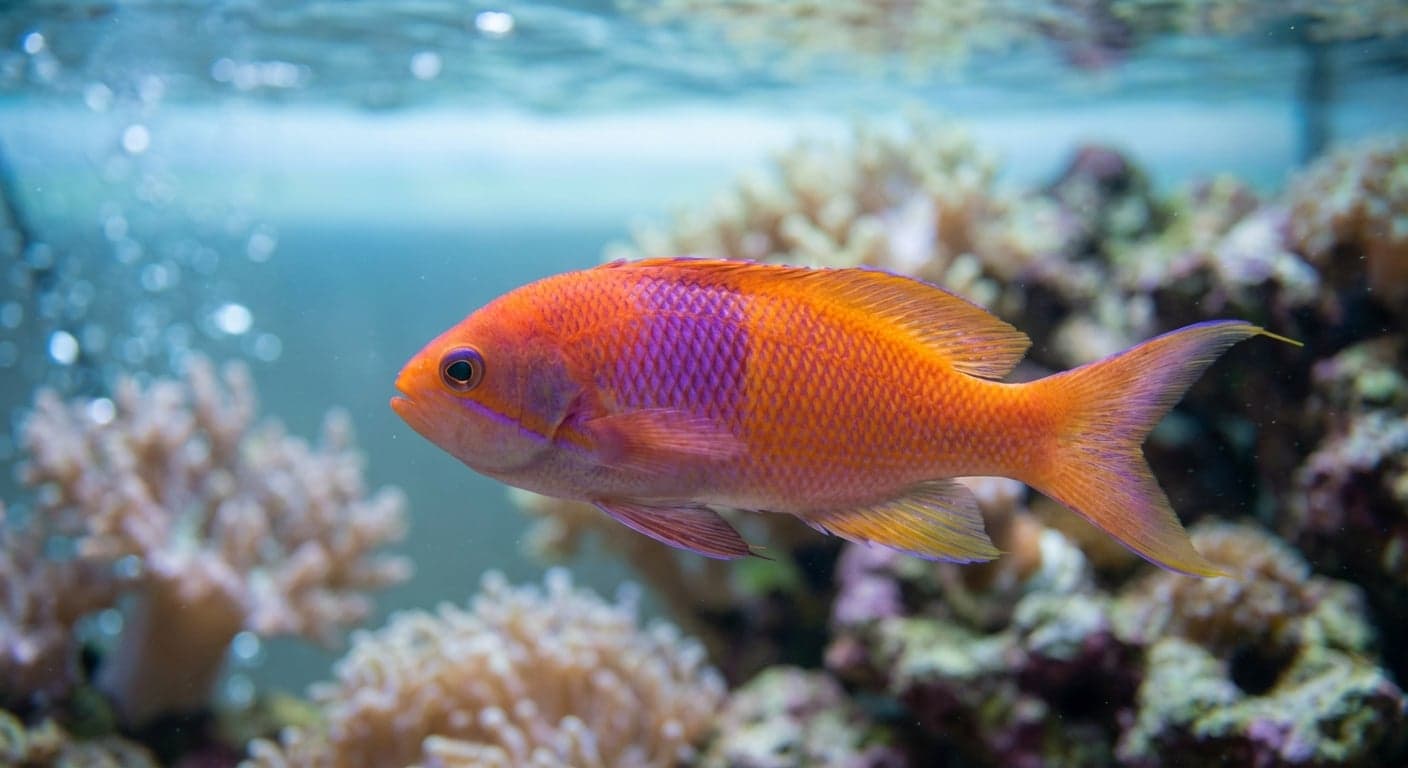
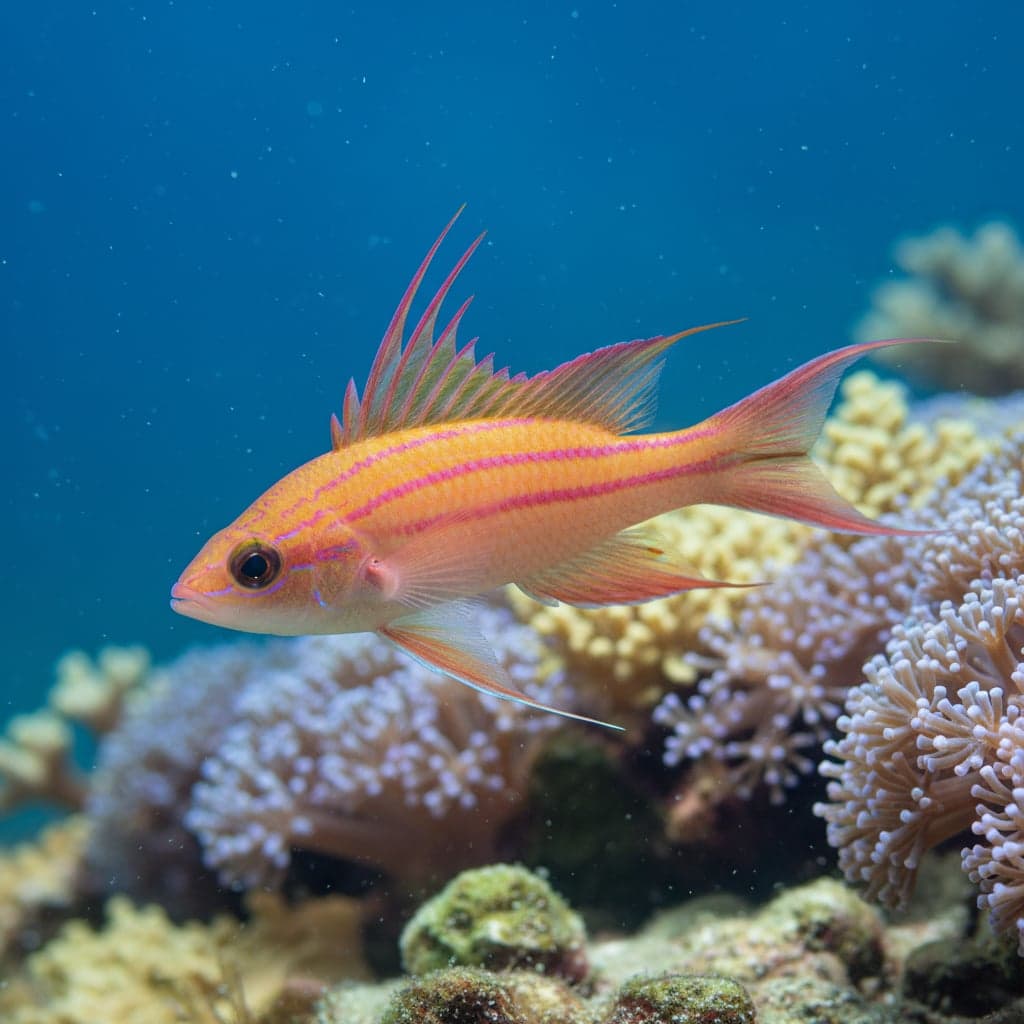
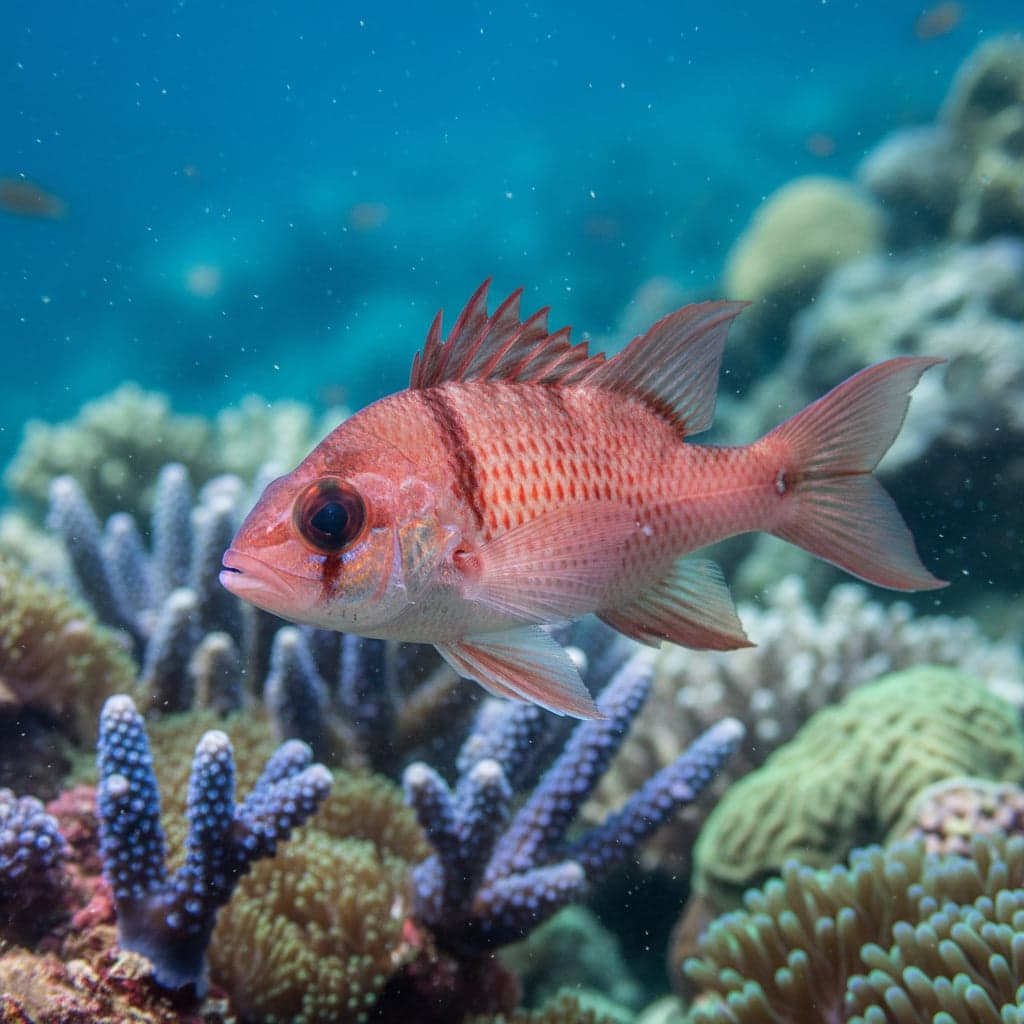
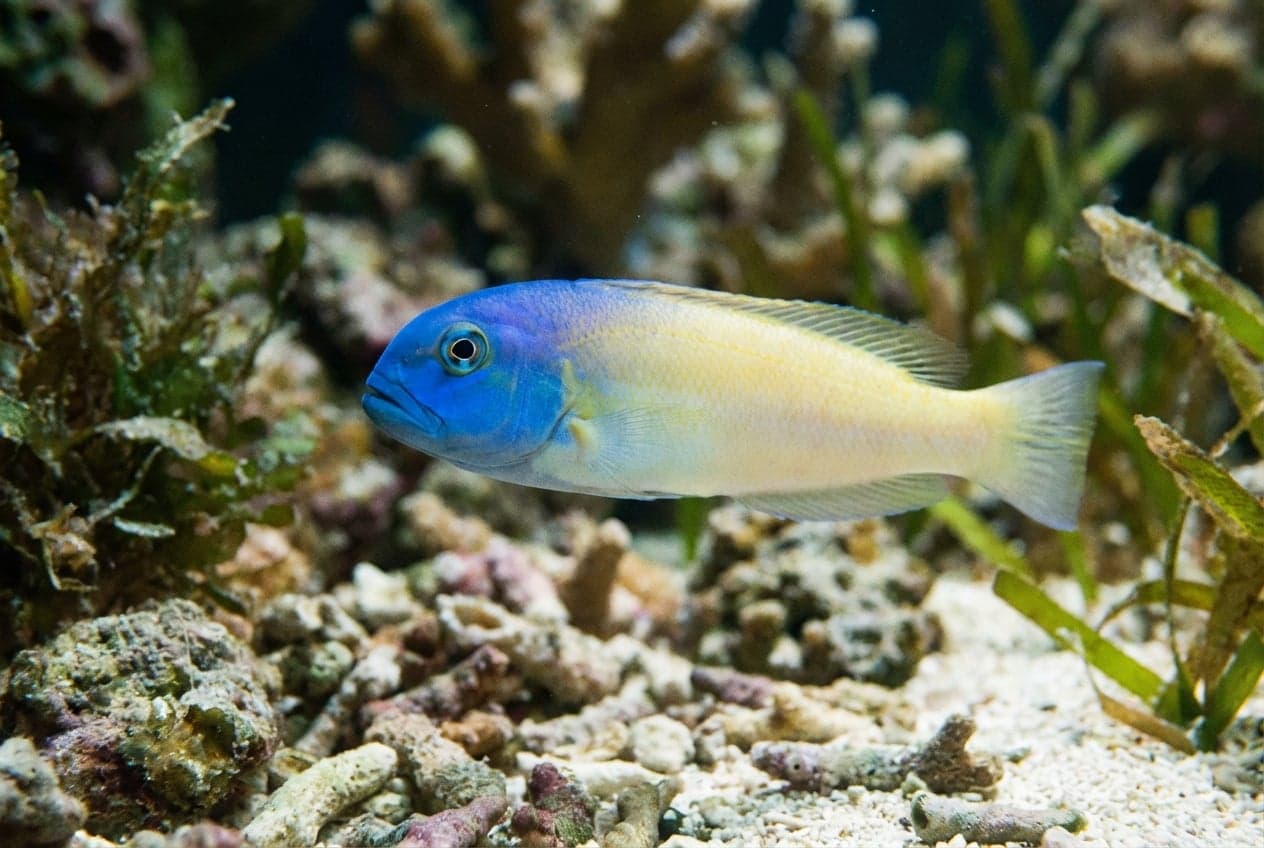
The Yellowback Anthias (Pseudanthias venustus) is a striking marine fish that captivates aquarists with its vibrant coloration and active demeanor. Known for its stunning blend of yellow, orange, and purple hues, this fish typically exhibits a yellowish body with a pronounced purple stripe running along its back, making it a visual centerpiece in any reef aquarium. Its elongated body and graceful fins add to its elegance, contributing to its popularity among marine aquarium enthusiasts. This species thrives in the challenging and dynamic environment of coral reefs, which reflects its resilience and adaptability, thus earning its place in both beginner and advanced marine aquarist setups.

In the aquarium hobby, the Yellowback Anthias is not just appreciated for its beauty; it also plays a crucial role in the ecological representation of reef ecosystems. Its vibrant health can indicate the overall wellbeing of the tank environment, making it a favorite for reef lovers wanting to achieve a balanced aquatic system. Beyond its aesthetic significance, the Yellowback Anthias is a fascinating species to observe due to its active swimming behavior, often seen darting in and out of rocky crevices and coral formations, mimicking its natural habitat.

Natural Habitat & Origin

The Yellowback Anthias is predominantly found in the warm waters of the Indo-Pacific region, particularly around coral reefs from the Red Sea to the Western Pacific. This includes countries such as Indonesia, the Philippines, and throughout the Great Barrier Reef in Australia. Preferring depths between 10 to 60 meters (approximately 33 to 200 feet), these fish inhabit clear, warm waters that provide a plethora of shelter and food resources. The environments they thrive in typically feature complex structures of coral, which serve not only as hiding spots but also as breeding grounds.

The typical water conditions for these habitats are essential for their survival; the Yellowback Anthias is accustomed to stable, clean, and well-oxygenated waters. Their natural environments are characterized by neutral to slightly alkaline pH levels (around 8.1 to 8.4), temperatures ranging from 24°C to 28°C (75°F to 82°F), and low to moderate hardness, making them sensitive to significant fluctuations in water parameters.

Care Requirements

When keeping Yellowback Anthias in an aquarium, it's pivotal to replicate their natural conditions as closely as possible. A minimum tank size of 100 gallons is recommended due to their active swimming nature and social behavior. The tank setup should include plenty of live rock and corals to simulate their natural environment, providing not only aesthetic appeal but also hiding places essential for their sense of security. A sandy substrate can enhance the tank’s look while allowing for natural behaviors, such as foraging.

Optimal water parameters for maintaining a healthy Yellowback Anthias tank include a pH level between 8.1 and 8.4, a temperature range of 24°C to 28°C (75°F to 82°F), and a salinity of 1.020 to 1.025 specific gravity. Lighting should be bright but not overly intense, as they thrive in environments with adequate light without direct exposure that could cause stress. Incorporating a mix of marine plants and soft corals can help enhance the tank's biotope, supporting both their dietary needs and providing cover.

Diet & Feeding

Yellowback Anthias are primarily carnivorous but exhibit omnivorous tendencies, requiring a varied diet to maintain their health and vibrancy. In the wild, they feed on zooplankton, small crustaceans, and various marine organisms. In captivity, it is essential to provide a high-quality diet that includes a mix of frozen foods such as mysis shrimp, brine shrimp, and other high-protein options, as well as premium quality flakes and pellets suitable for carnivorous fish.

To ensure adequate nutrition, it’s beneficial to feed them small amounts multiple times a day. This approach mimics their natural feeding habits and helps prevent territorial disputes over food. A varied diet significantly contributes to their color retention and overall health, promoting active behavior and reducing stress levels.

Behavior & Temperament

Yellowback Anthias are known for their social and dynamic behavior. They are generally peaceful fish that do best in a well-structured community tank. These fish have a schooling nature, often found in small groups in their natural habitat, but can also establish hierarchies when kept in smaller numbers. A group of three to five fish is ideal for promoting a natural social environment, allowing them to exhibit their social behaviors without undue stress or aggression.

In terms of vertical space, the Yellowback Anthias is a mid to upper-level swimmer, often found darting through the water column. They enjoy exploring their environment and may establish territories, particularly during feeding. Avoiding aggressive tank mates is crucial as their docile nature may lead to stress in a hostile environment.

Tank Mates

When selecting tank mates for Yellowback Anthias, it is essential to consider species that share their peaceful temperament. Compatible species include other gentle marine fish such as clownfish, gobies, certain wrasses, and peaceful tangs. Additionally, other anthias species, such as Lyretail Anthias (Pseudanthias squamipinnis), can often coexist harmoniously if introduced correctly.

However, it's essential to avoid aggressive or territorial species that could bully or outcompete the Yellowback Anthias for food and space. Species to avoid include large predatory fish, aggressive basslets, and other fish known for territorial behavior, such as damselfish and some triggers. Maintaining a peaceful community aquarium is vital for the thrive of Yellowback Anthias.

Breeding

Breeding Yellowback Anthias in captivity is a challenging yet rewarding endeavor. These fish are pelagic spawners, meaning they typically scatter their eggs in open water rather than on surfaces. For successful breeding, a breeding pair must be established; it’s crucial to house them in a separate breeding tank to minimize stress from other fish. The breeding environment should maintain stable water parameters similar to those in their natural habitat, with sufficient space and cover.

To encourage spawning, provide high-quality live foods leading up to the breeding period, as this will condition the fish for reproduction. Once conditions are right, males will display courtship behaviors, characterized by changes in color and increased activity. As the female prepares to spawn, she will release eggs, and the male will fertilize them in the water column. Post-spawning, it is vital to remove adult fish to prevent them from consuming the eggs or fry.

Common Health Issues

Yellowback Anthias can be prone to several health issues common in marine fish, including ich (Ichthyophthirius multifiliis), marine velvet, and various bacterial and fungal infections. To prevent outbreaks, it’s crucial to quarantine new arrivals before introducing them to your main tank and to maintain excellent water quality and stable parameters.

Regular aquatic husbandry practices, including routine water changes and tank cleanings, can help mitigate stress and lower the risk of infections. Additionally, ensuring that the fish are fed a nutritious and varied diet will enhance their immune systems, helping them resist common diseases.

ADA
Aqua One
Chihiros
Dennerle
EHEIM
Fluval
Oase
Seachem
Tropica
Twinstar
UNS
ADA
Aqua One
Chihiros
Dennerle
EHEIM
Fluval
Oase
Seachem
Tropica
Twinstar
UNS
ADA
Aqua One
Chihiros
Dennerle
EHEIM
Fluval
Oase
Seachem
Tropica
Twinstar
UNS
ADA
Aqua One
Chihiros
Dennerle
EHEIM
Fluval
Oase
Seachem
Tropica
Twinstar
UNS