Yellowband Tropheus: Tropheus sp. 'ikola'
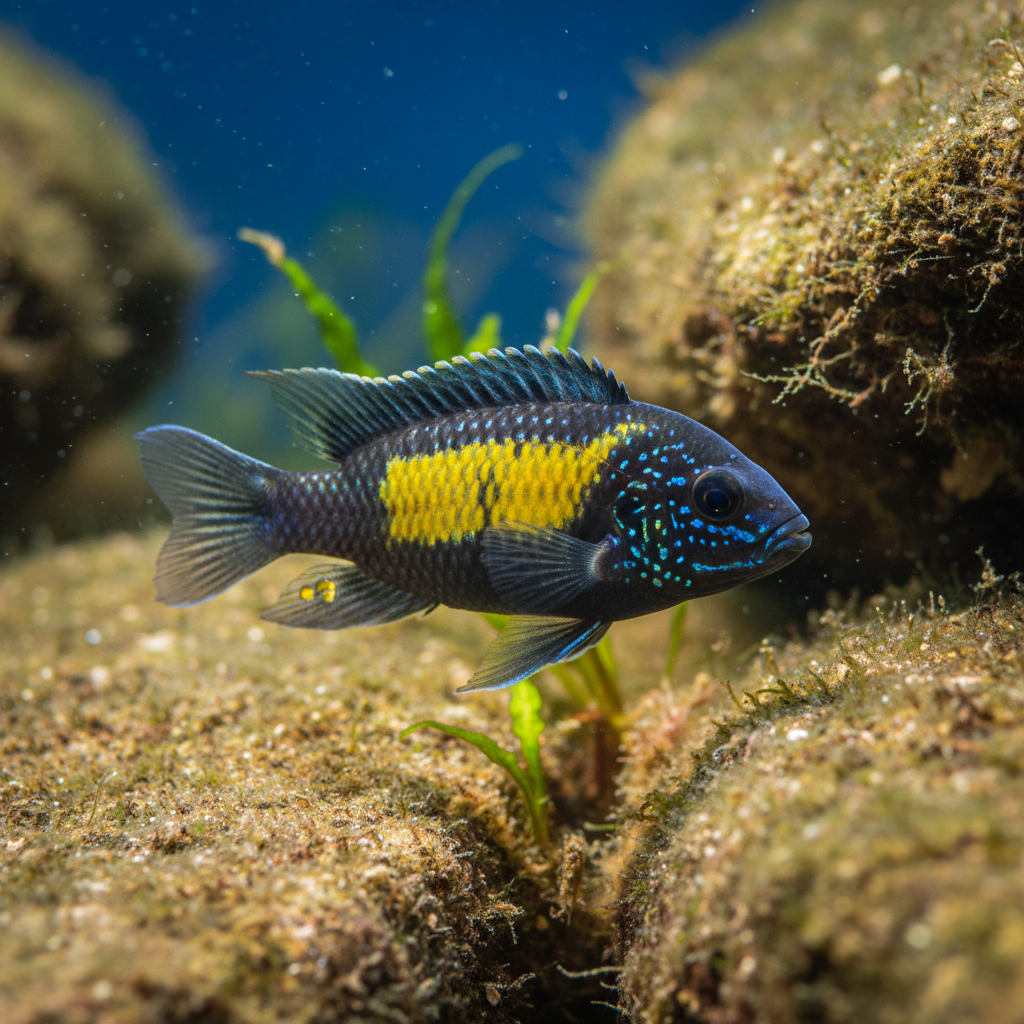
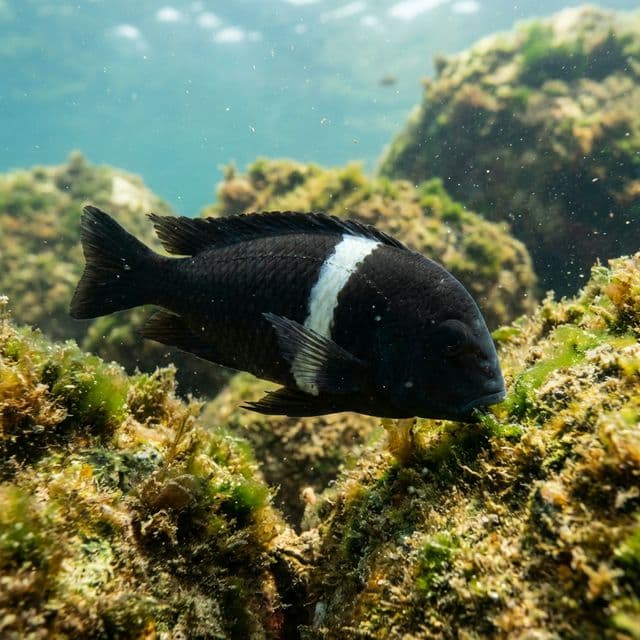
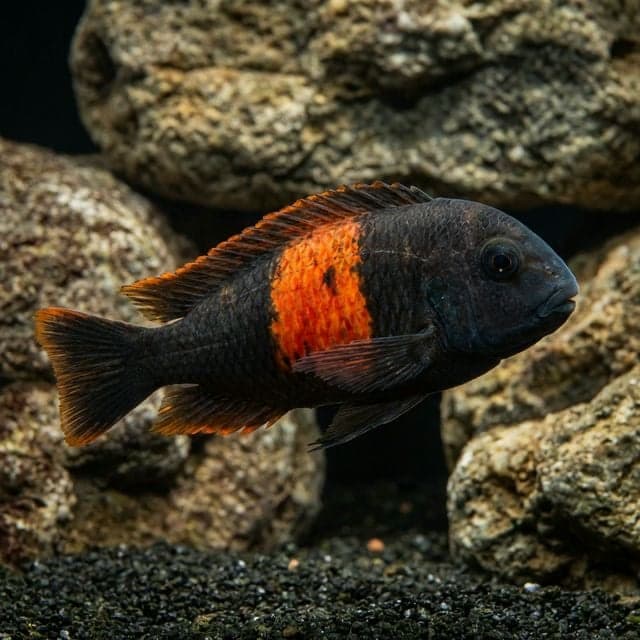
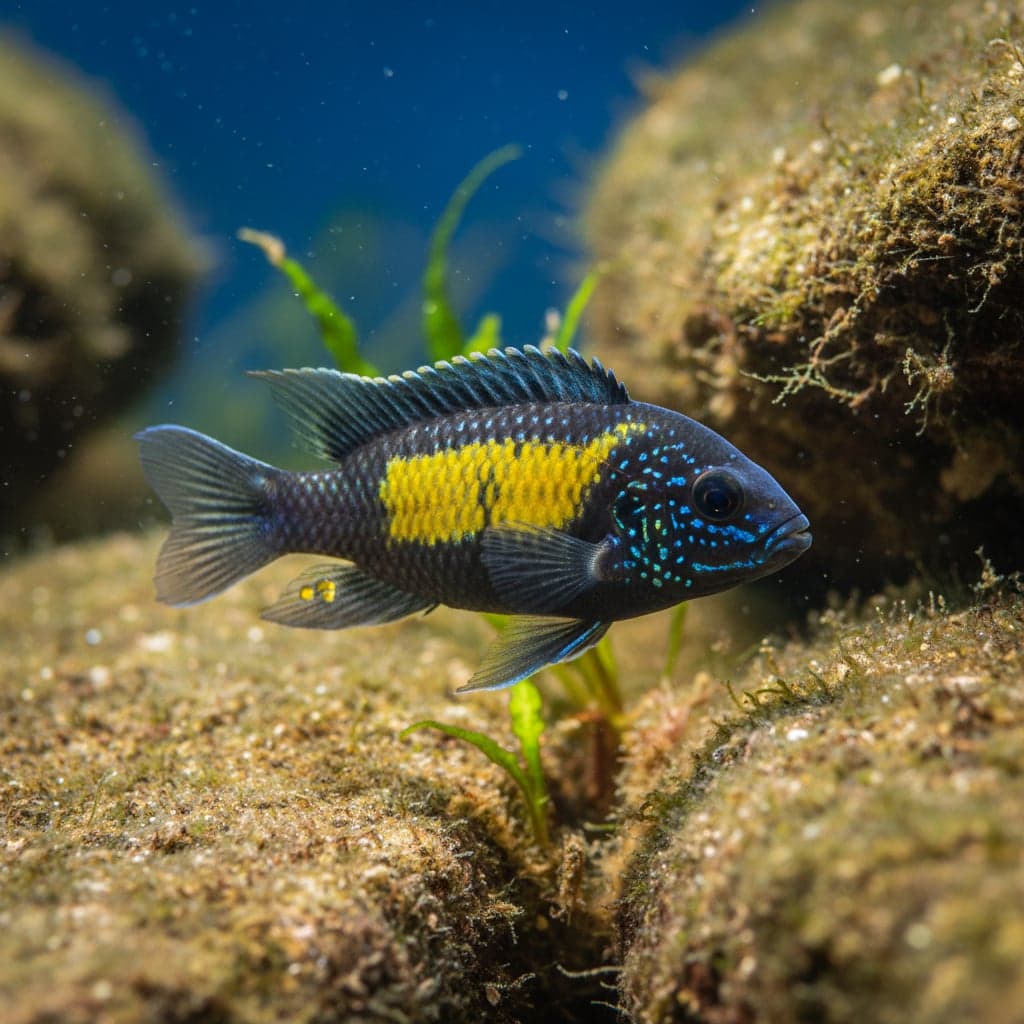
A stunning and highly sought-after Tanganyikan cichlid, famous for its deep black body and the single, broad, brilliant yellow band across its midsection.
Tropheus sp. 'ikola'
The Tropheus sp. 'ikola', commonly referred to as the Yellowband Tropheus, is a stunning cichlid species that hails from the rocky shorelines of Lake Tanganyika in East Africa. This fish is highly sought after in the aquarium hobby due to its vibrant coloration, which typically features a striking yellow band across its body complemented by deeper hues of blue and black. The visual appeal of the Yellowband Tropheus transcends mere aesthetics; its unique appearance is a direct reflection of its adaptation to the diverse habitats of Lake Tanganyika, where it thrives among rocky substrates and dense vegetation. This species not only adds brilliant color to aquariums but also engages aquarists with its dynamic behaviors and distinct personality traits.
In the aquarium hobby, Tropheus sp. 'ikola' holds significant importance as an ambassador of the Lake Tanganyika cichlids, a group known for their fascinating diversity and unique ecological niches. They are celebrated for their longevity and relatively manageable care requirements, making them suitable for both novice and experienced aquarists. Engaging with this species fosters a deeper appreciation for African cichlids, driving conservationist efforts as hobbyists become more aware of the ecological struggles these fish face in their natural habitats. Whether as part of a species-specific setup or a carefully curated community tank, the Yellowband Tropheus easily captures the hearts of aquarists, affirming its status as a gem of the hobby.
Natural Habitat & Origin
Tropheus sp. 'ikola' originates from the rocky shore regions of Lake Tanganyika, which is situated between four African countries: Burundi, the Democratic Republic of the Congo, Zambia, and Tanzania. This freshwater lake is renowned for its biodiversity and is one of the oldest and deepest lakes in the world. The primary environmental context for the Yellowband Tropheus includes clear waters with substantial mineral content, often characterized by rocky substrates and high alkalinity. These conditions lead to specific behavioral adaptations in the species, as they flourish in areas that provide ample hiding spots among rocks and algae-rich surfaces, which are essential for their feeding habits.
In terms of water parameters, the natural habitat of Tropheus sp. 'ikola' exhibits a pH ranging from 7.8 to 9.5, with temperatures typically between 23°C to 28°C (73°F to 82°F). The fish are accustomed to hardness levels between 10 to 18 dGH, reflecting the mineral-rich environment of Lake Tanganyika. When setting up an aquarium for these cichlids, replicating their natural habitat as closely as possible is crucial for their health and well-being. This involves maintaining clear water and creating structures that mimic their native environment, thereby enhancing their overall comfort and fostering natural behaviors.
Care Requirements
Providing optimal care for Tropheus sp. 'ikola' involves replicating the unique conditions of their natural habitat. A minimum tank size of 75 gallons is recommended, allowing ample space for swimming and territorial behavior. The aquarium should be equipped with a sandy substrate that mimics the lake bed, along with plenty of rocks and caves to provide cover and encourage natural foraging and breeding behaviors. Lighting should be moderate, as Tropheus species are generally not too demanding in terms of light intensity. However, incorporating live plants, particularly hardy species like Anubias or Java Fern, can enhance the tank’s aesthetic and provide grazing surfaces for the cichlids.
Water quality is critical for the well-being of the Yellowband Tropheus. Ideal parameters include a pH of 8.0 to 9.0, temperature maintained at 24°C to 27°C (75°F to 81°F), and hardness ranging from 10 to 18 dGH. Frequent water changes of 25% or more every couple of weeks are crucial to maintain optimal conditions, as this species is sensitive to poor water quality. Filtration should be robust, utilizing a system that provides both mechanical and biological filtration to ensure the water remains clean and well-oxygenated. Routine monitoring of water parameters should be part of the care regimen to prevent fluctuations that can stress these fish.
Diet & Feeding
Tropheus sp. 'ikola' is primarily herbivorous, thriving on a diet rich in plant matter, although they may consume some protein-based food sources when required. In the aquarium, these fish benefit from high-quality spirulina-based flakes or pellets that meet their nutritional needs. Additionally, offering blanched vegetables such as zucchini or spinach can be an excellent supplement to their diet, ensuring they receive necessary vitamins and minerals.
Live and frozen foods such as daphnia and brine shrimp can also be included in their diet on occasion, but care should be taken to balance their intake to prevent overfeeding, which can lead to health issues. An important feeding consideration is to provide smaller amounts multiple times a day rather than a large single feeding session. Creating a varied diet not only promotes better health and coloration but also mimics the natural foraging behaviors of the Yellowband Tropheus, contributing to their overall well-being.
Behavior & Temperament
Tropheus sp. 'ikola' is known for its distinct behavior and social structure within their habitats. These cichlids tend to be semi-aggressive, particularly during breeding periods or when establishing dominance within a group. They exhibit a strong preference for stable hierarchy, often leading to observable social interactions among tank mates. While they can be kept in groups, ensuring sufficient space and hiding spots is essential to minimize aggression and territorial disputes.
In terms of swimming behavior, the Yellowband Tropheus typically occupies mid to lower water levels in the aquarium, frequently engaging in grazing activities along the substrate and rocky surfaces. Providing ample rockwork not only offers hiding spaces but also encourages natural behaviors, allowing the fish to establish their territories and engage in social dynamics that reflect their behavior in the wild. Regular observations of their interactions can provide insights into their social structures and increase satisfaction for the aquarist.
Tank Mates
When considering tank mates for Tropheus sp. 'ikola', it is essential to select species that can coexist peacefully within their territorial nature. Compatible tank mates include other Lake Tanganyika cichlids such as Cyprichromis, Lamprologus, and Neolamprologus species. These species generally share similar water parameters and can thrive in the same environment, contributing to a well-balanced community tank.
It is crucial to avoid adding overly aggressive or long-finned species, as they may exacerbate aggression within the tank and lead to undue stress for the Yellowband Tropheus. Fast-moving species like barbs can also be problematic as they might provoke the Tropheus and disrupt their social dynamics. It is recommended to choose fish that exhibit similar size and temperament, ensuring a harmonious environment that allows each species to flourish.
Breeding
Breeding Tropheus sp. 'ikola' can be a rewarding endeavor for experienced aquarists, though it requires attention to specific conditions. Typically exhibiting mouthbrooding behavior, female Yellowband Tropheus carry and incubate the fertilized eggs in their mouths for around three weeks. Providing a dedicated breeding environment with a separate tank can greatly increase the chances of successful breeding. The tank should feature ample rock structures and caves as hiding spots, which are crucial for the females to feel secure during the breeding process.
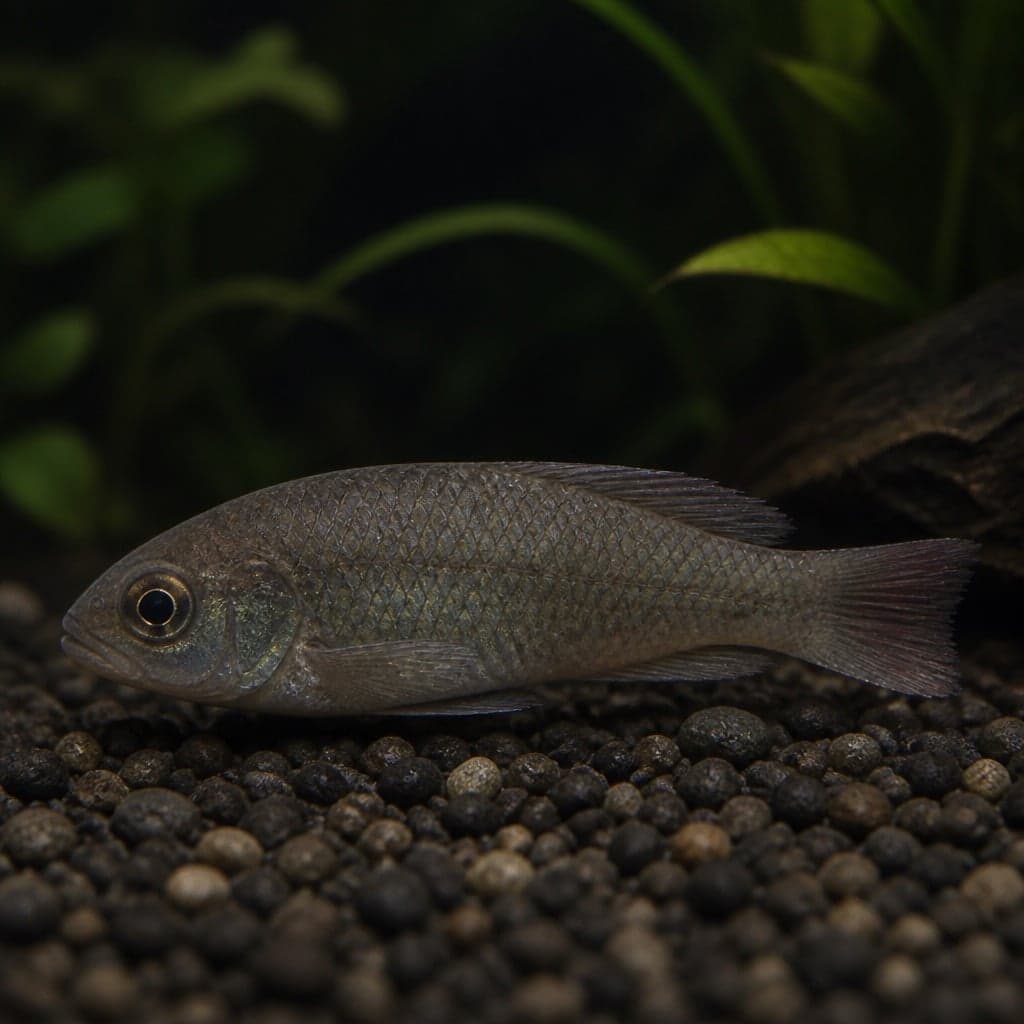
Conditions for successful spawning include hard, alkaline water, stable temperatures toward the warmer end of their range, and a well-conditioned group with more females than males to dilute aggression. After release, fry accept finely crushed spirulina flakes in a calm, rock-filled tank. Keep the female undisturbed during mouthbrooding.
Common Health Issues
Yellowband Tropheus are prone to Malawi bloat, ich, and bacterial infections when overfed protein or kept in unstable water. Maintain hard alkaline conditions, strong filtration, and a mostly herbivorous diet. Quarantine newcomers and watch for bloating, clamped fins, or sudden aggression. Stable Tanganyika parameters keep them colourful and resilient.