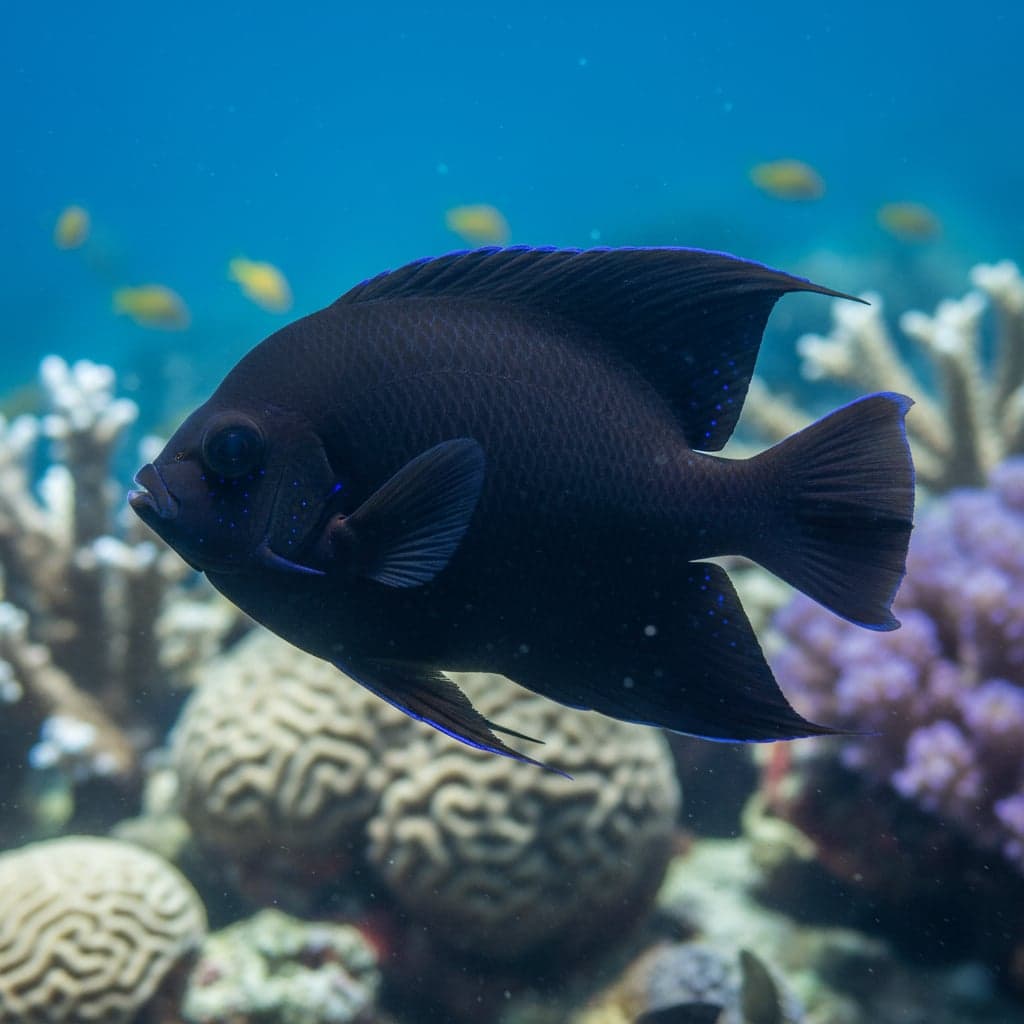
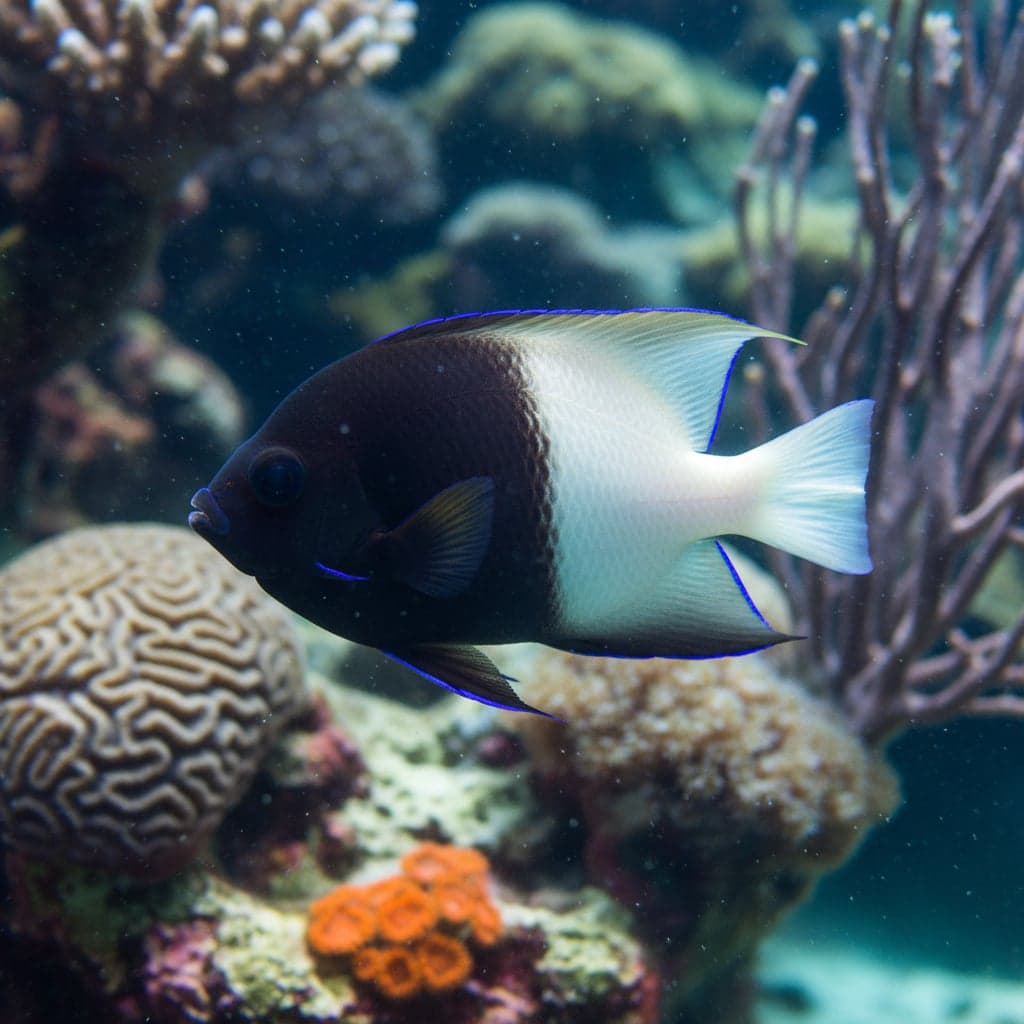
Yellowhead Angelfish
The Yellowhead Angelfish (Centropyge joculator) is a rare, brilliant orange-yellow dwarf angel from Christmas Island — hardy and stunning, best kept with reef caution.

Yellowhead Angelfish
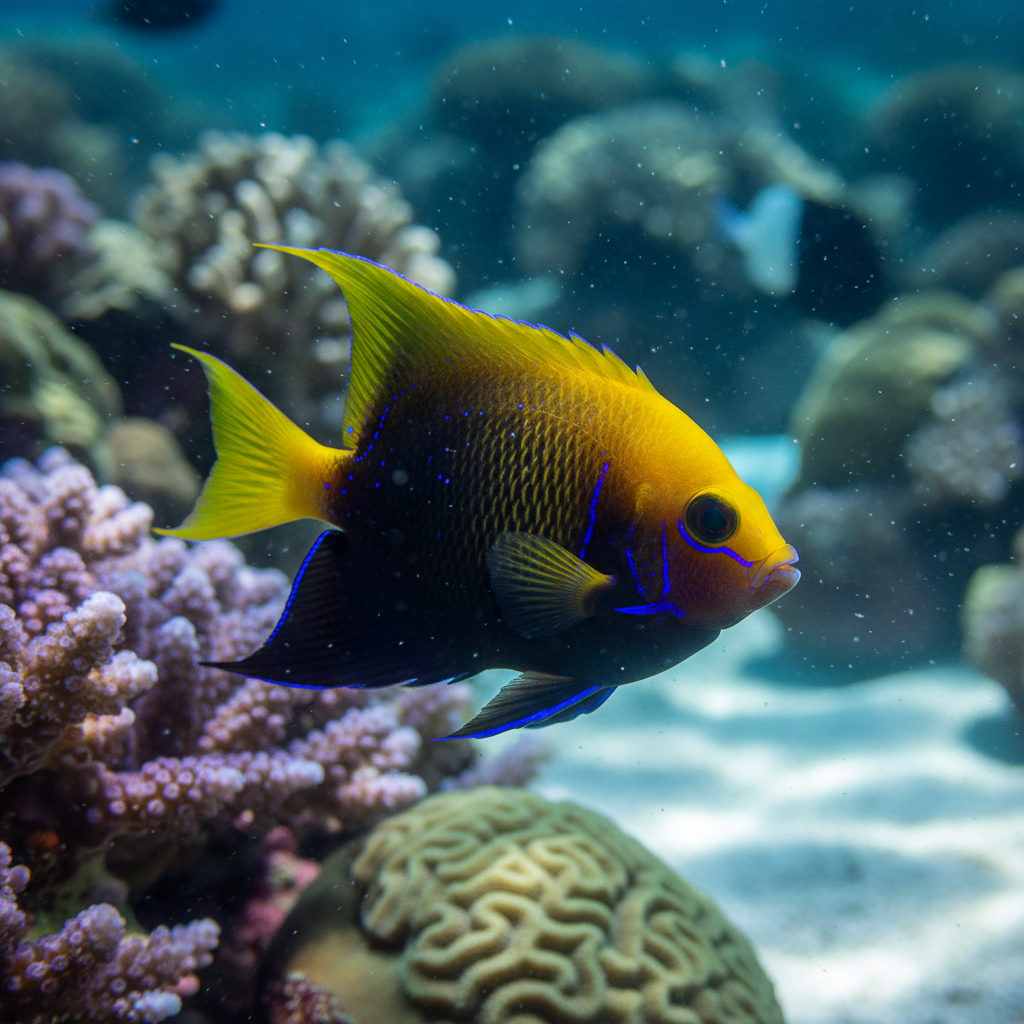
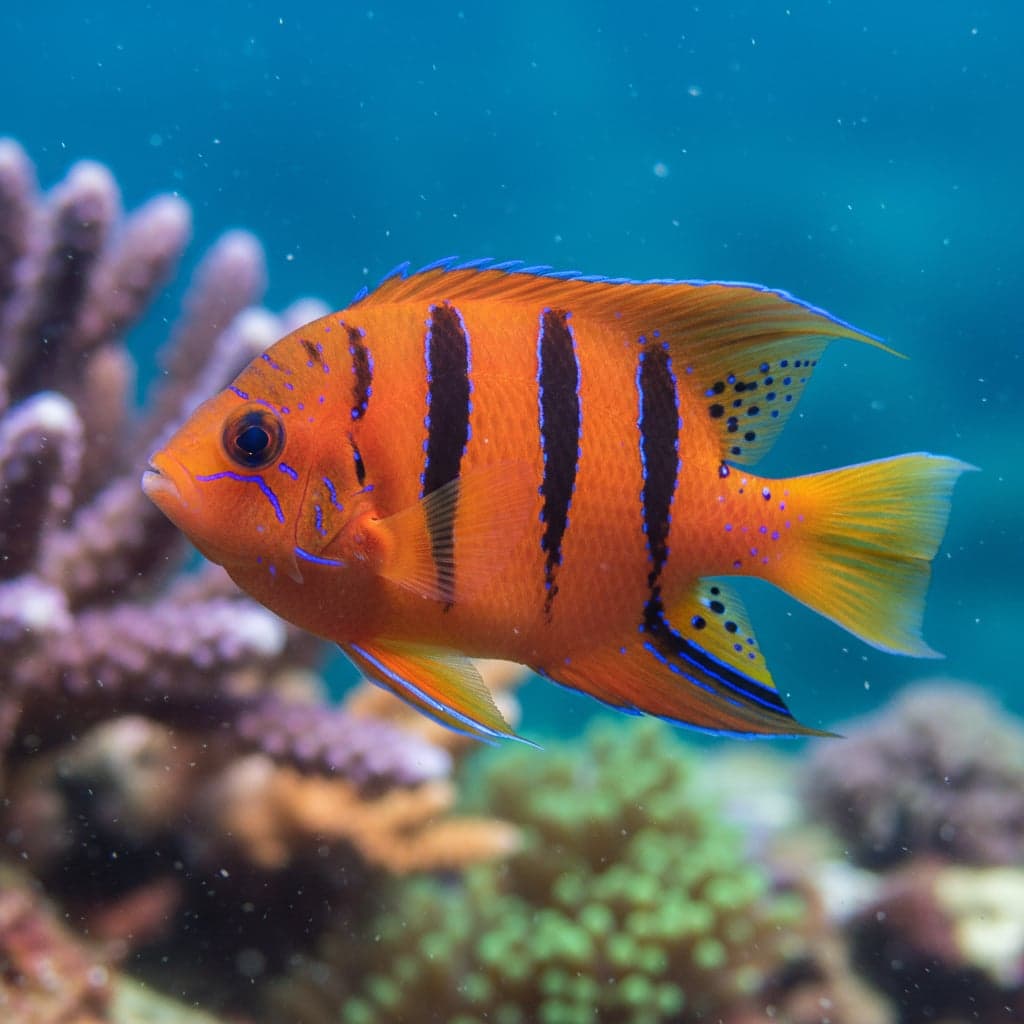
The Yellowhead Angelfish (Centropyge joculator), often called the joculator angelfish, is a jewel of a dwarf angel — a brilliant orange-yellow body crossed by a bold black band through the eye, with blue-edged fins. Endemic to a few remote Indian Ocean islands, it is uncommon in the trade and commands premium prices, making it a prized fish for dwarf-angel enthusiasts. Hardy and relatively forgiving for such a sought-after fish, it is a dazzling centrepiece for a reef-with-caution setup.
Its rarity and price, rather than exotic care needs, are what place it a step above the most common dwarf angels.
Natural Habitat & Origin
Centropyge joculator is found around Christmas Island and the Cocos (Keeling) Islands in the eastern Indian Ocean, where it lives among coral-rich rockwork on reef slopes, grazing algae and darting between crevices. It is a secretive fish that stays near cover.
In the aquarium it wants plenty of live rock with holes and crevices to claim as territory and shelter, with grazing surfaces of natural algae.
Care Requirements
Maintain stable marine conditions: salinity around 1.024–1.026, pH 8.1–8.4, and a temperature of about 24–26°C (75–79°F). Reaching about 10 cm (4 inches), it suits a tank of around 115 litres (30 US gallons) or more with abundant rockwork. A mature system with established algae greatly improves its acclimation and diet. Given its value, a careful quarantine is well worth the effort.
Diet & Feeding
The Yellowhead Angelfish is an omnivore that grazes algae in the wild along with associated microfauna. Provide a varied diet built around marine angelfish and herbivore preparations — including spirulina and marine algae — supplemented with frozen mysis and enriched blends. A tank with healthy algal growth on live rock offers valuable continuous grazing between feedings.
Behavior & Temperament
Centropyge joculator is semi-aggressive and territorial, especially toward other dwarf angels. Keep only one dwarf angel per tank unless the system is large, and add it after calmer fish are established. Toward unrelated species it is generally well behaved, spending its time working the rocks and ducking into cover when startled.
Tank Mates
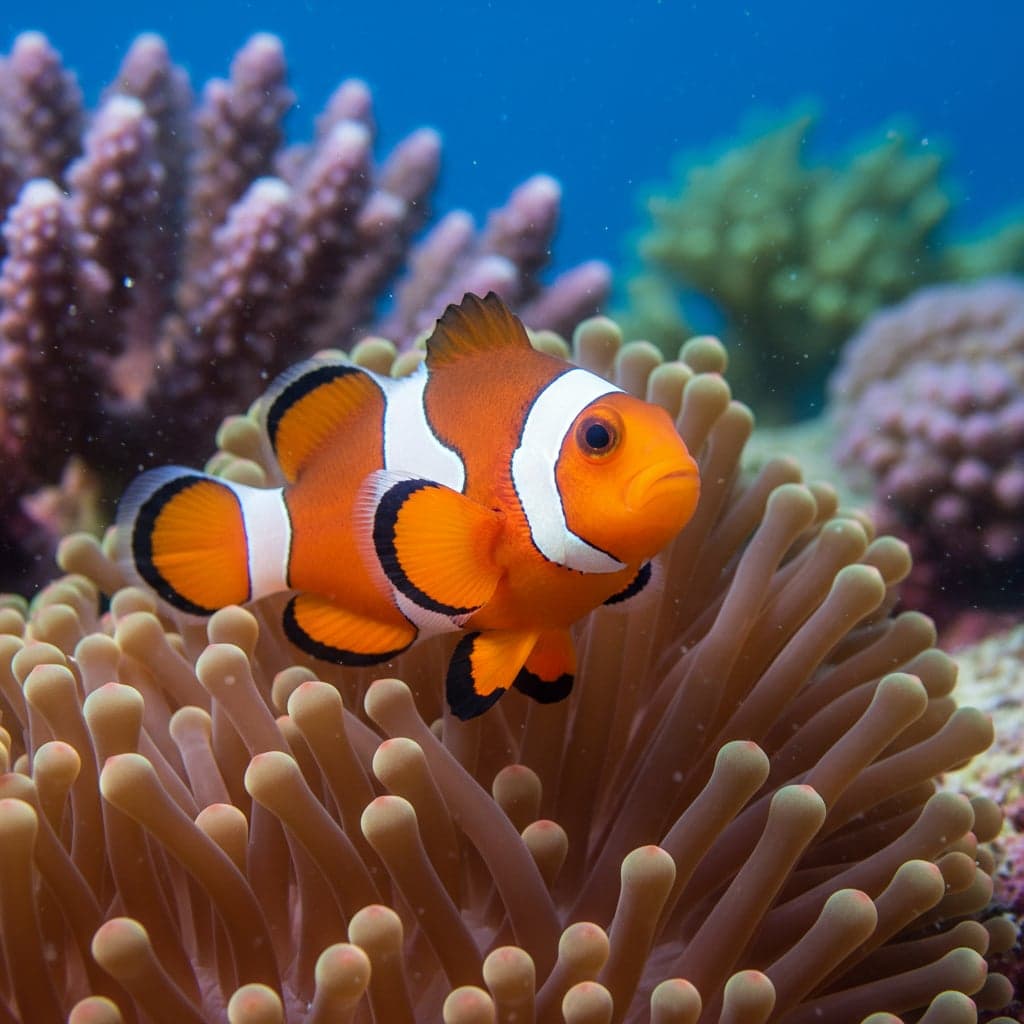
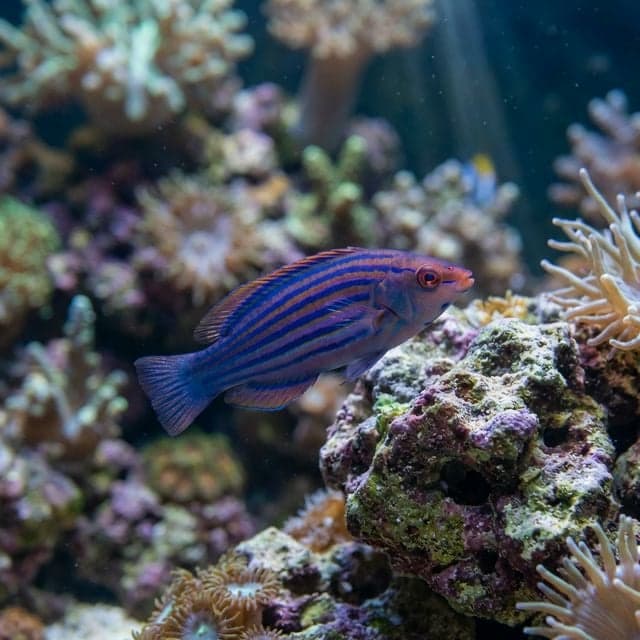
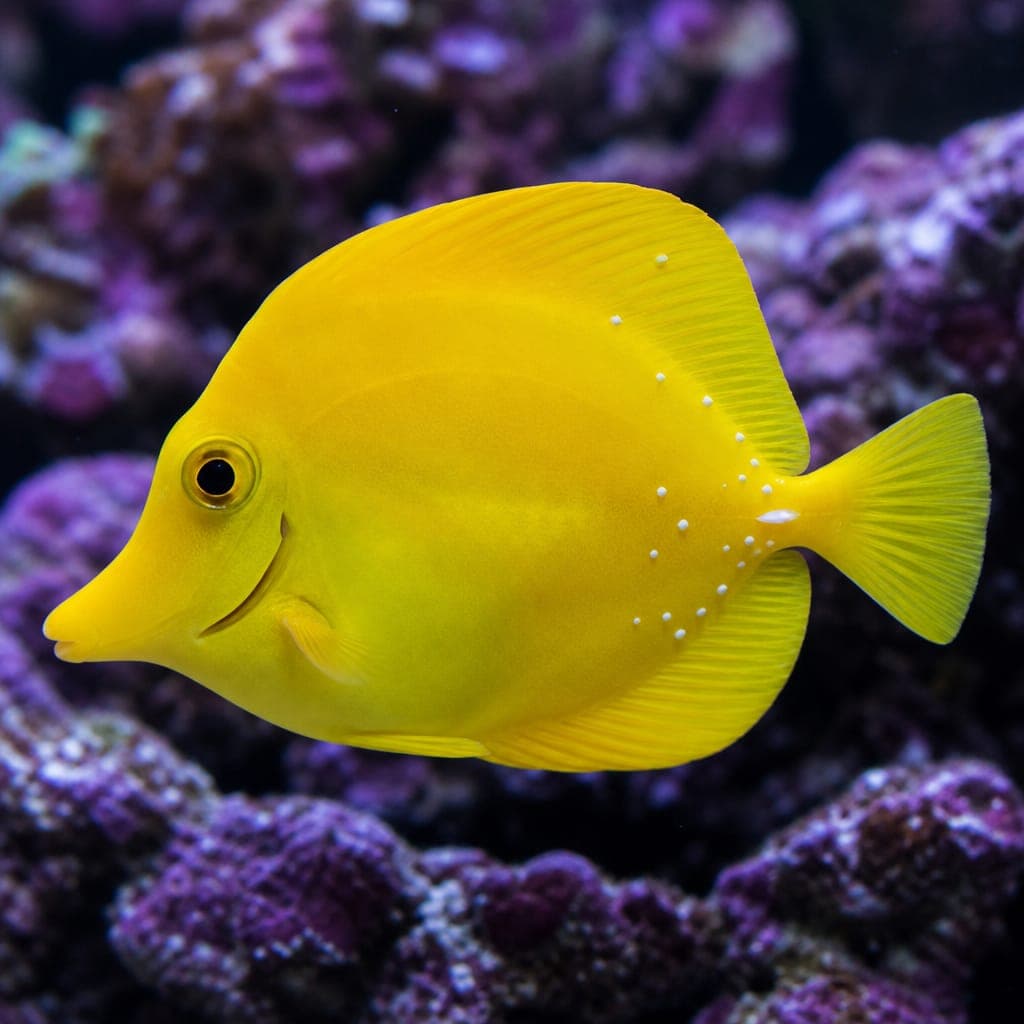
Good companions are peaceful to semi-aggressive reef fish that occupy different niches — clownfish, gobies, blennies, wrasses, tangs and similar. Avoid other dwarf angels in smaller tanks. In a reef, treat it with caution: like most dwarf angels it may nip coral polyps, clam mantles or zoanthids, though many specimens are well behaved, and a well-fed fish is less likely to sample corals.
Breeding
The Yellowhead Angelfish is a protogynous hermaphrodite and pelagic spawner. It has been bred in captivity by dedicated specialists, though rearing the larvae is demanding; most trade specimens are wild-collected from its limited range, which contributes to its scarcity and price.
Common Health Issues
The Yellowhead Angelfish is hardy but, like all marine fish, can be affected by marine ich (Cryptocaryon irritans) and marine velvet (Amyloodinium ocellatum), particularly when stressed. Quarantine new arrivals, keep water quality stable, and provide plenty of grazing surface and cover. Mindful of its mild reef risk and bold temperament, it is otherwise a hardy, spectacular and rewarding dwarf angel — one of the most prized in the hobby.