Yellowhead Butterflyfish
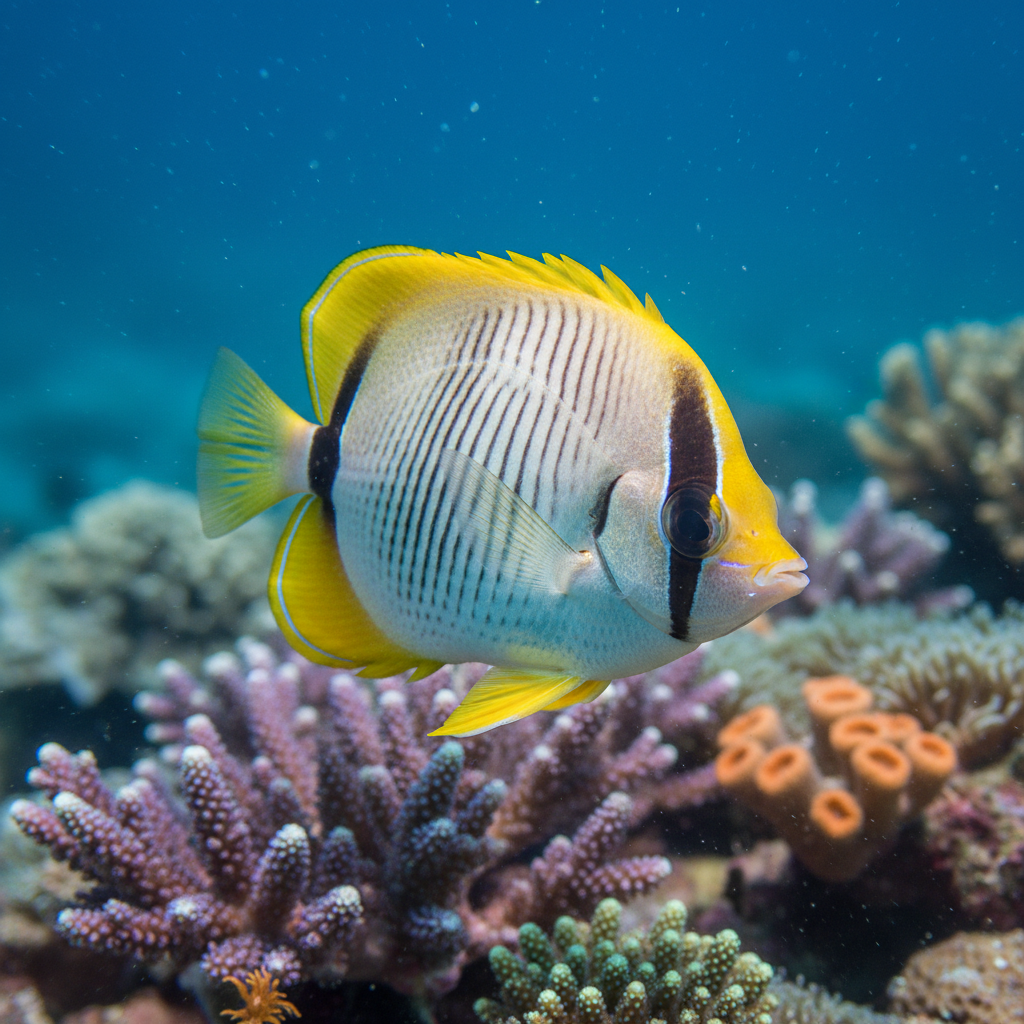
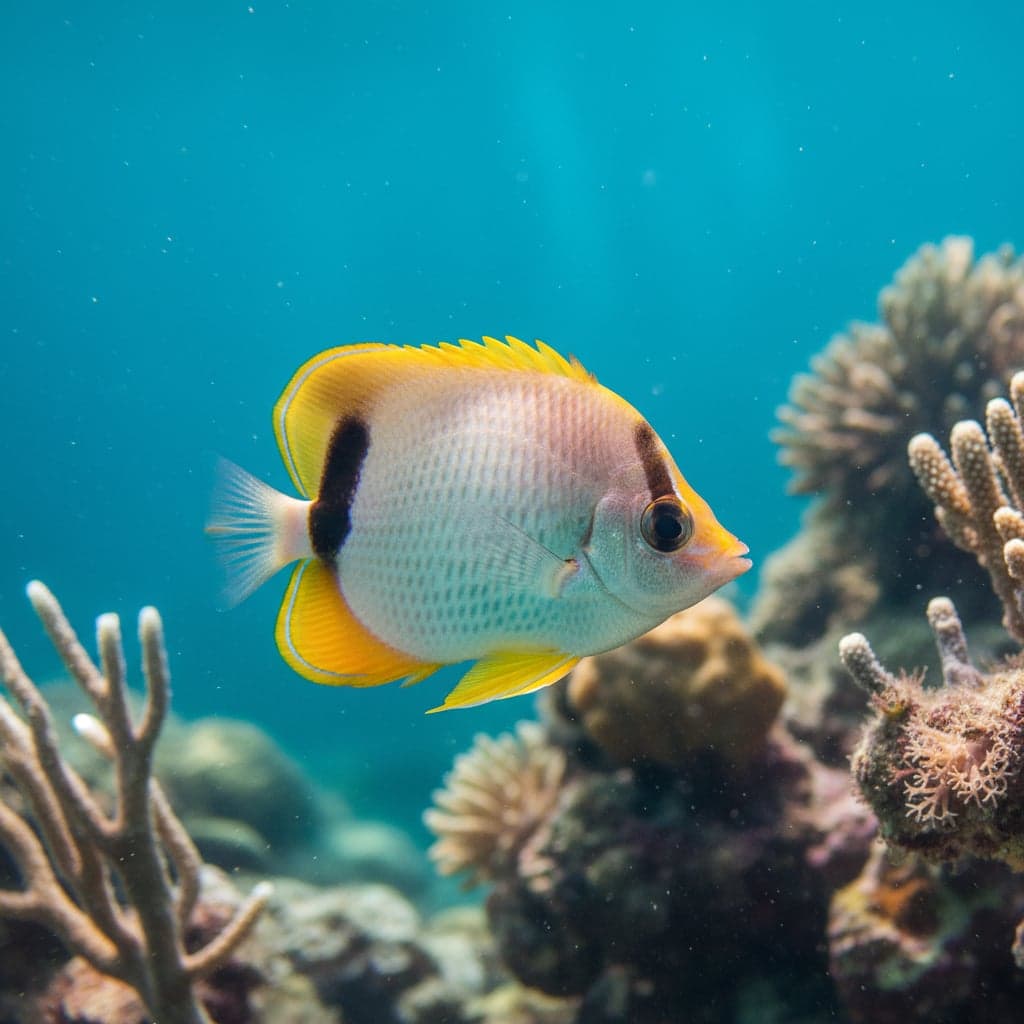
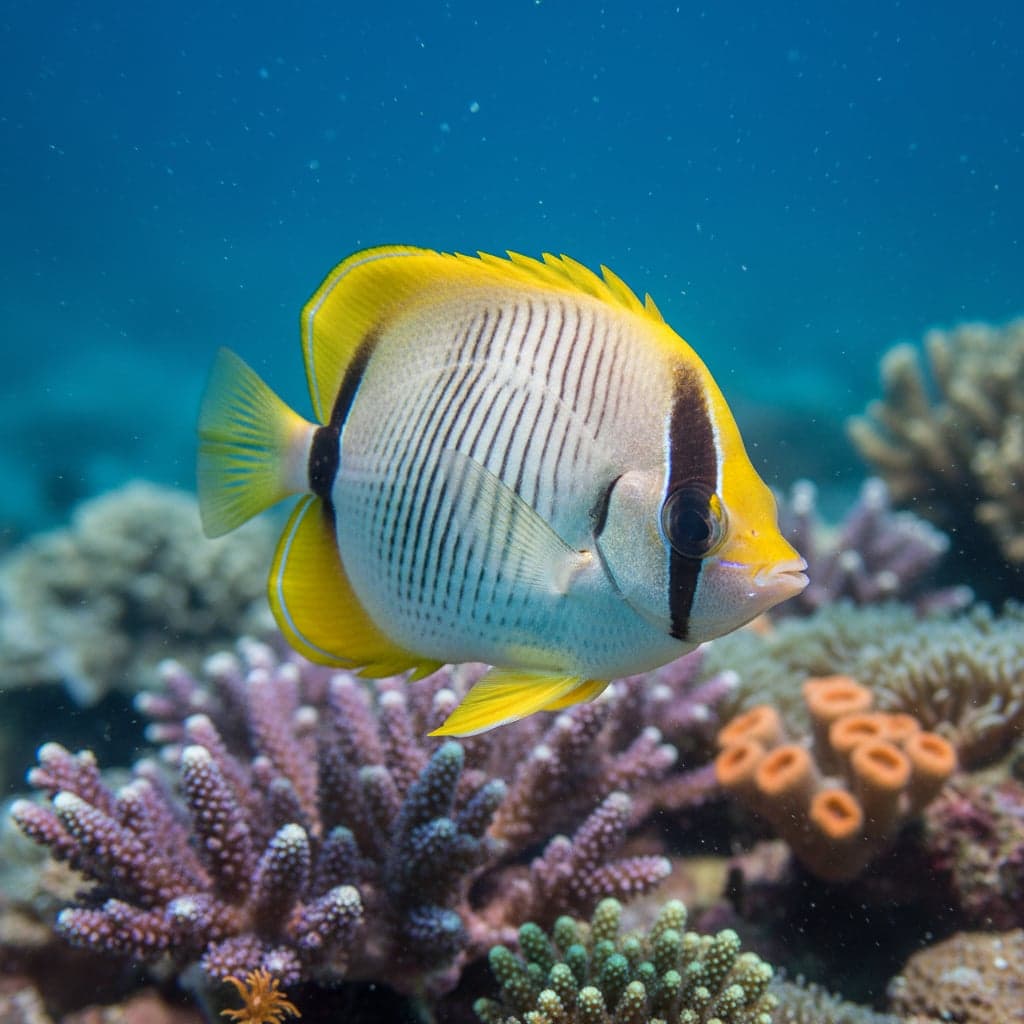
A 20cm Indian Ocean butterflyfish with a pale body and a yellow head. Eats coral polyps and needs 400L+ with varied frozen food.
Yellowhead Butterflyfish
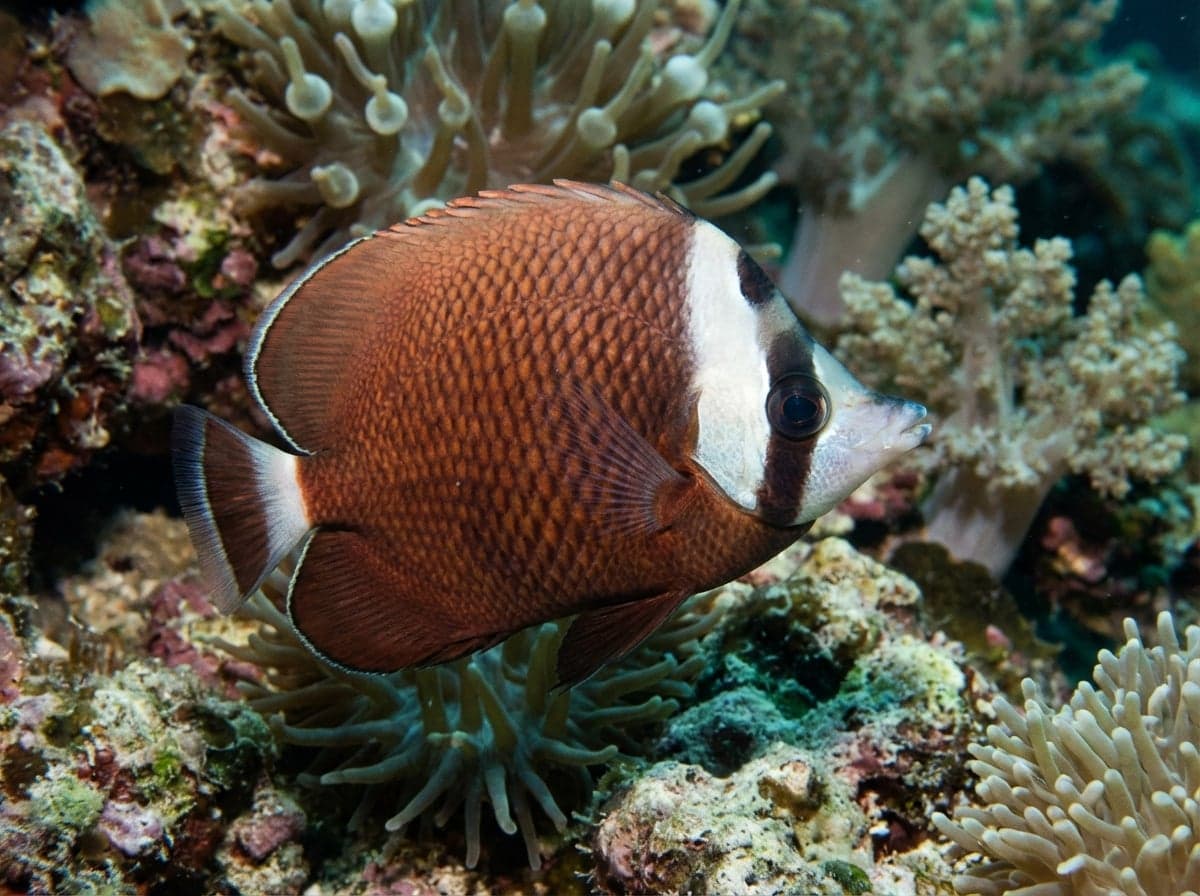
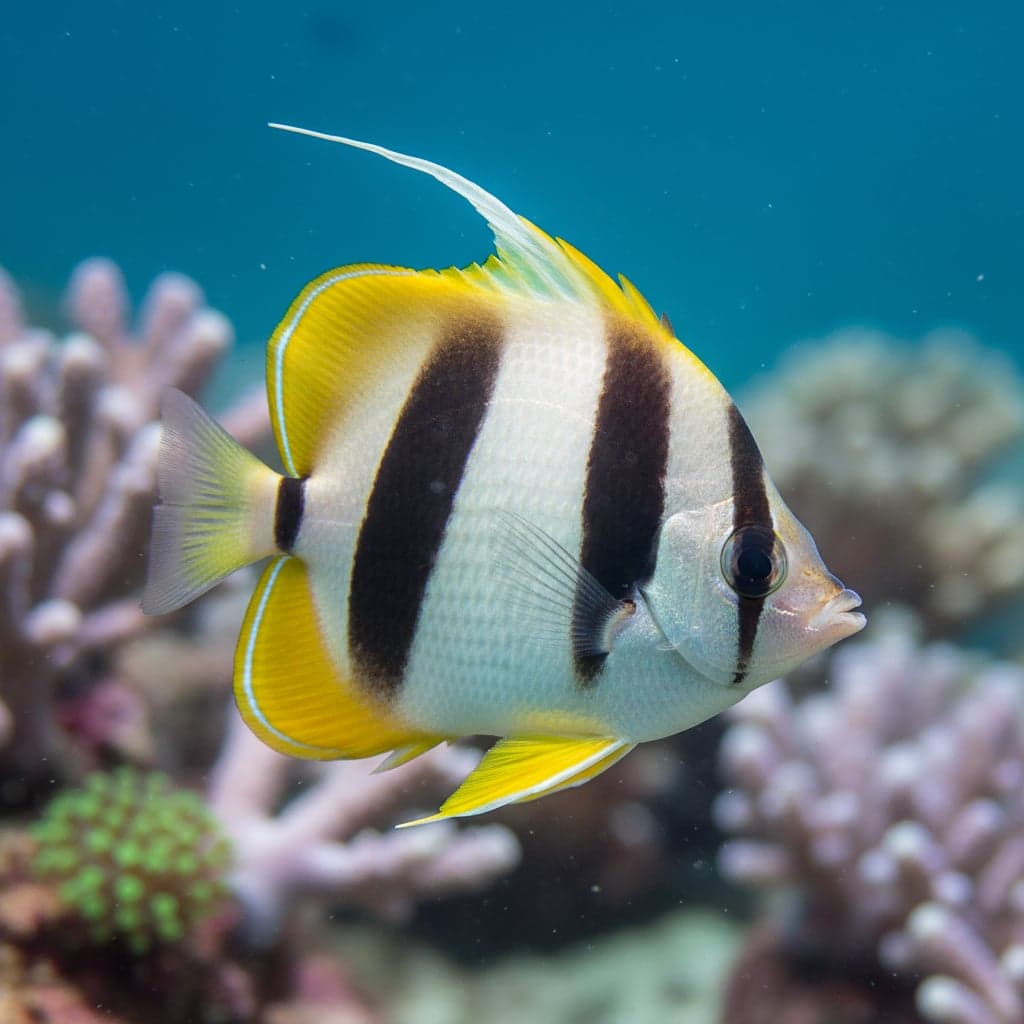
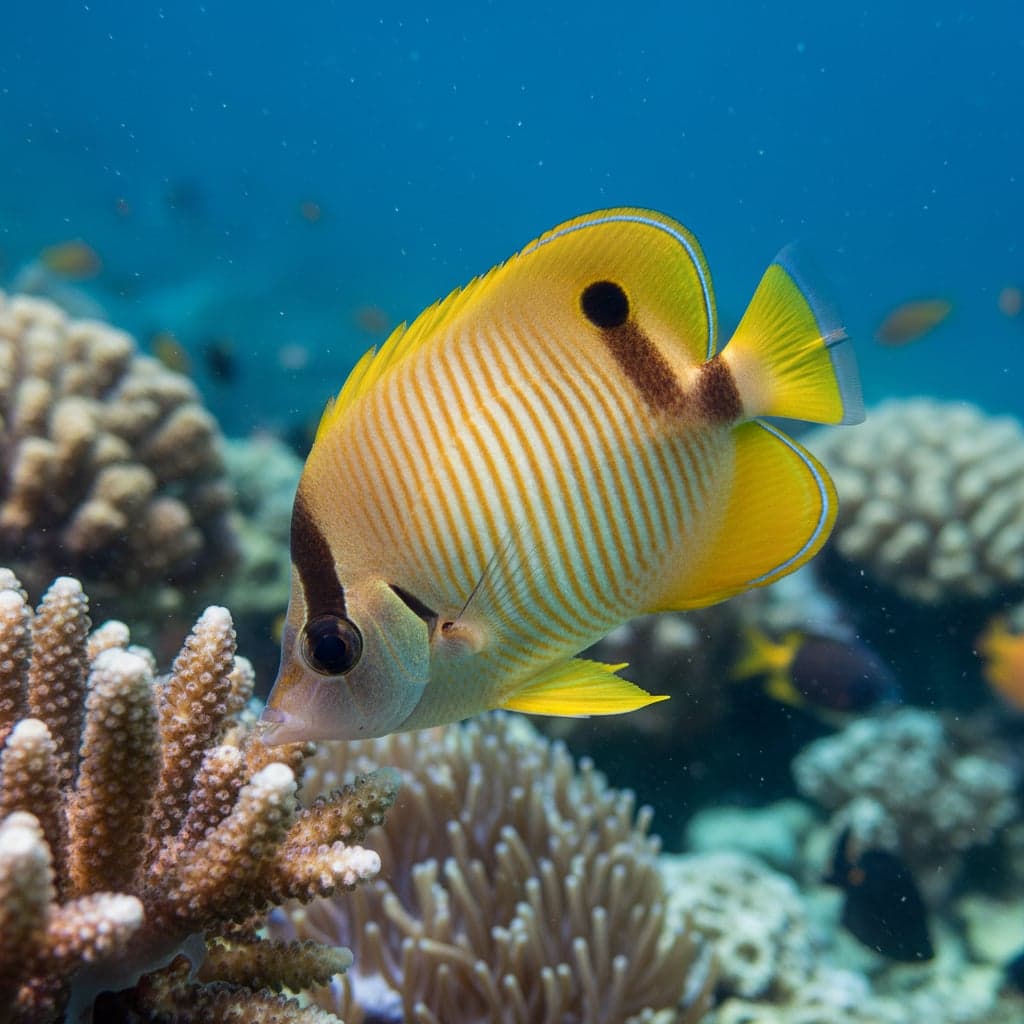
The Yellowhead Butterflyfish (Chaetodon Xanthurus) is a stunningly beautiful marine fish that captivates aquarists with its vibrant coloration and iconic shape. Known for its striking yellow head and contrasting black bands, this species is a true marvel of the ocean. Typically found in coral reefs, the Yellowhead Butterflyfish showcases a rigid, disc-shaped body that allows it to navigate through complex environments with ease. Its vivid colors not only serve aesthetic allure in home aquariums but also play a significant role in its natural habitat, with the bright hues providing camouflage among the corals and marine flora.
As an important member of the reef ecosystem, the Yellowhead Butterflyfish contributes to the delicate balance of coral habitats. In the aquarium hobby, its visual appeal makes it a sought-after addition for both beginner and expert aquarists alike. These fishes symbolize the diverse beauty of marine life and represent the fragility of coral ecosystems, reminding enthusiasts of the importance of sustainable practices in marine aquaculture and conservation efforts.
Natural Habitat & Origin
The Yellowhead Butterflyfish is predominantly found in the Indo-Pacific region, inhabiting areas from the Red Sea to the Great Barrier Reef in Australia. It prefers shallow waters, typically residing at depths of 1 to 30 meters, where it can easily access its preferred diet of coral polyps and small invertebrates. This species is typically associated with clear, warm waters where it thrives on the complexity of coral structures. The natural environment of the Yellowhead Butterflyfish features abundant marine flora and diverse coral formations, offering both food sources and refuge from predators.
The environmental context of the Yellowhead Butterflyfish is crucial in understanding its care and requirements in captivity. These fishes flourish in environments characterized by strong currents and a plethora of hiding spots, which simulate their natural habitats. The ecosystems they inhabit are not only rich in biodiversity but also fragile, highlighting the necessity for responsible fishkeeping practices to maintain and protect these vital marine environments.
Care Requirements
For optimal health and thriving conditions, the Yellowhead Butterflyfish requires specific water parameters. The ideal pH range is between 8.1 and 8.4, with temperatures maintained between 24°C to 28°C (75°F to 82°F) and general hardness around 8 to 12 dGH. It is critical for the tank setup to mimic their natural habitat, therefore a minimum tank size of 400 litres (105 gallons) is recommended for this 20cm Chaetodon xanthocephalus — enough swimming room and reef structure for a full-sized Indian Ocean butterfly.
When setting up the aquarium, a sandy substrate is preferable, as it reflects the natural ocean floor. Live rock should be incorporated into the setup to create hiding spots and encourage beneficial bacteria growth. Moderate to strong lighting should be used to promote flora growth. Although corals are not strictly necessary, keeping some soft corals or live rock can enhance the visual appeal and provide a more stimulating environment for the Yellowhead Butterflyfish.
Diet & Feeding
The Yellowhead Butterflyfish is primarily an omnivore, with a diet that includes a variety of coral polyps, small invertebrates, and algae. In an aquarium setting, it benefits from a well-balanced diet consisting of high-quality marine flakes, pellets, frozen foods, and occasional live foods. A diverse feeding regimen will help maintain its vibrant colors and overall health. Ideally, aquarists should offer a mix of nutrient-rich foods that replicate its natural diet, including spirulina-based flake foods, mysis shrimp, and brine shrimp.
To ensure optimal health, these fishes should be fed small meals multiple times a day rather than one large feeding session. This approach mimics their natural foraging behavior, ensuring they receive an adequate intake of nutrients. Additionally, offering a variety of food types will help promote a balanced diet and prevent potential health issues associated with malnutrition.
Behavior & Temperament
The Yellowhead Butterflyfish is known for its curious and generally peaceful demeanor, making it a suitable choice for community tanks. These fishes exhibit a tendency to be shy and may prefer to dwell near the substrate or within crevices of live rock. While they are not schooling fish, they can exhibit a degree of social behavior, often being seen in pairs or small groups within their natural habitats. It’s important to note that while they can be peaceful towards other species, individual temperament may vary, and some may display territorial aggression, particularly when establishing dominance in the tank.
In terms of vertical placement, the Yellowhead Butterflyfish often occupies the mid to upper levels of the aquarium. Providing sufficient space for swimming and hiding is paramount, as overcrowding may lead to stress and potential aggressive interactions with tank mates. Careful monitoring of their interactions with other species will ensure a harmonious community environment.
Tank Mates
Choosing compatible tank mates for the Yellowhead Butterflyfish is essential for maintaining a peaceful aquarium environment. Suitable companions include species such as clownfish, certain wrasses, and other non-aggressive marine fish. Additionally, small schools of damselfish can coexist alongside the Yellowhead Butterflyfish, provided there is ample swimming space and hiding spots.
Conversely, species to avoid include more aggressive fish such as triggers, certain grunts, and large angelfish, which may intimidate or threaten the Yellowhead Butterflyfish. It’s also advisable to be cautious with other butterflyfish species, as they may display territorial behaviors towards one another. Establishing a carefully thought-out community of fish tailored to the temperament and social behavior of the Yellowhead Butterflyfish will create a vibrant and stress-free aquarium.
Breeding
Breeding Yellowhead Butterflyfish in captivity can be quite challenging, as these fish have specific spawning behaviors and requirements. In the wild, they engage in a unique courtship display where pairs will swim in tight circles before spawning. For successful breeding in an aquarium, it is essential to provide a large space with ample hiding spots and mature live rock. The use of an established tank with stable water parameters will help encourage breeding behaviors.
These fishes are known to exhibit biparental care, where both male and female share responsibilities for guarding their eggs, which are usually laid upon a flat surface. After spawning, the eggs will hatch within two to three days, requiring a separate nursery tank to rear the young fry, as they are susceptible to predation. While breaching the challenges of breeding may take time and patience, successful breeding can be a rewarding experience for dedicated aquarists.
Common Health Issues
The Yellowhead Butterflyfish can be susceptible to various health issues, particularly if not kept in ideal conditions. Common ailments include marine ich, flukes, and other parasitic infections. Providing a stable environment with proper water parameters is crucial in preventing these health concerns. Regular monitoring of water quality and maintaining a clean aquarium with established biological filtration will help mitigate such risks.
Routine quarantining of new fish is recommended to prevent the introduction of diseases into the community tank. Maintaining a balanced diet and minimizing stress through ample swimming space and appropriate tank mates will enhance the immune system of the Yellowhead Butterflyfish. Additionally, ensuring a diverse, nutritious diet aids in overall health and resilience against common diseases found in marine species.