Yellowtail Acei: Pseudotropheus elegans
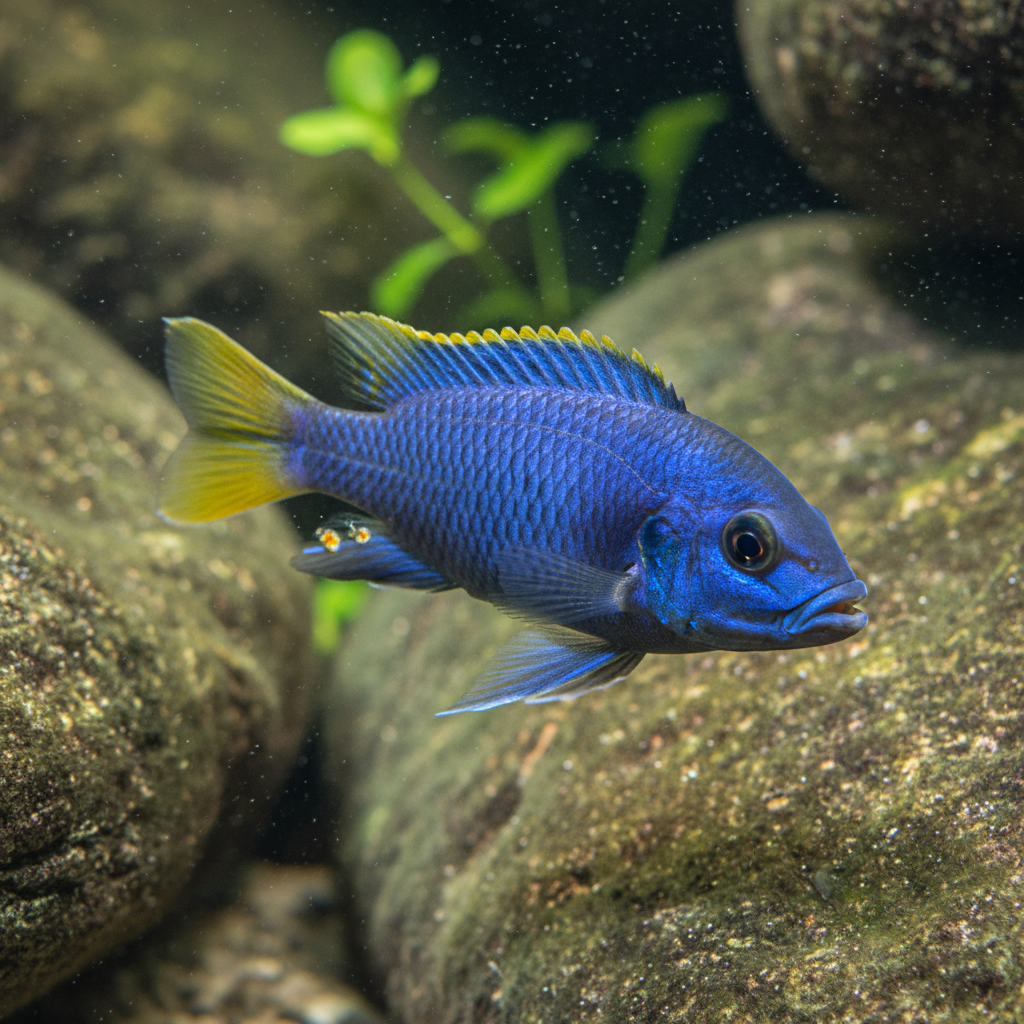
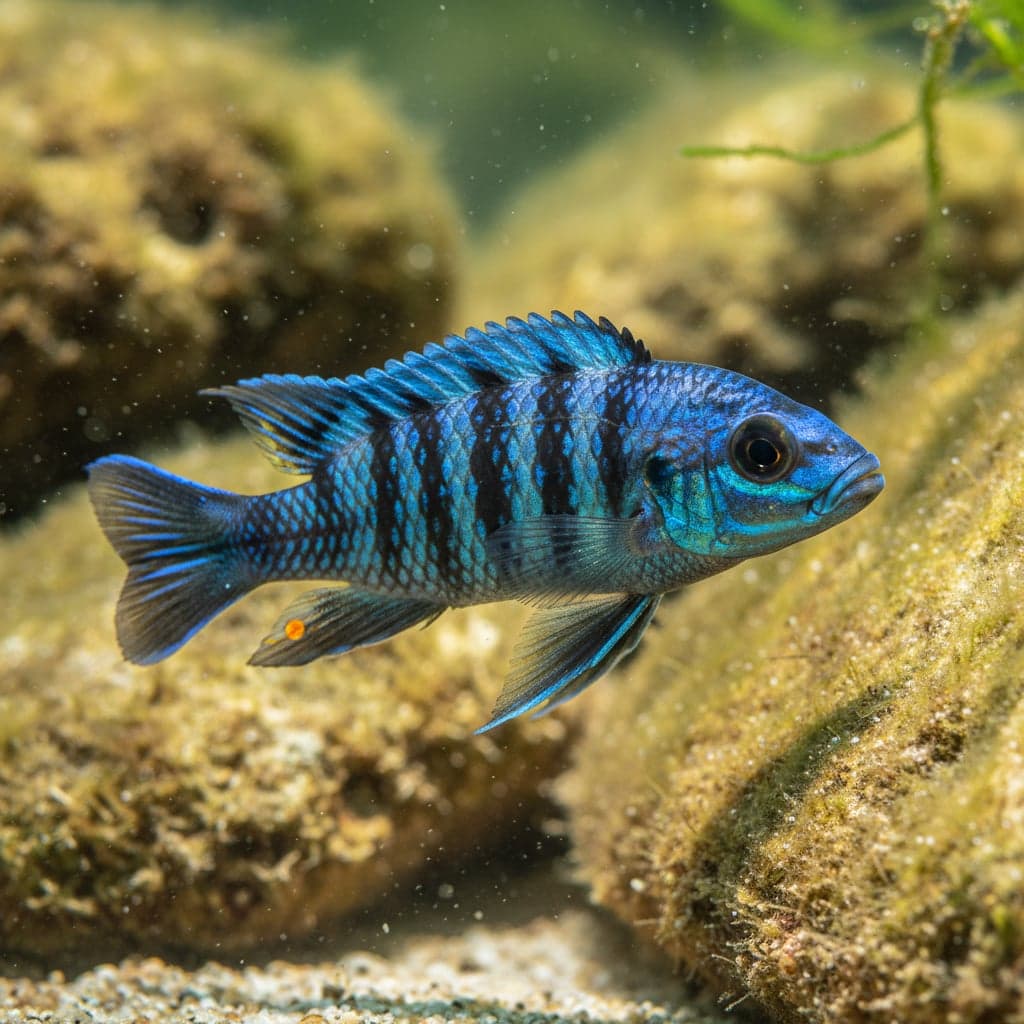
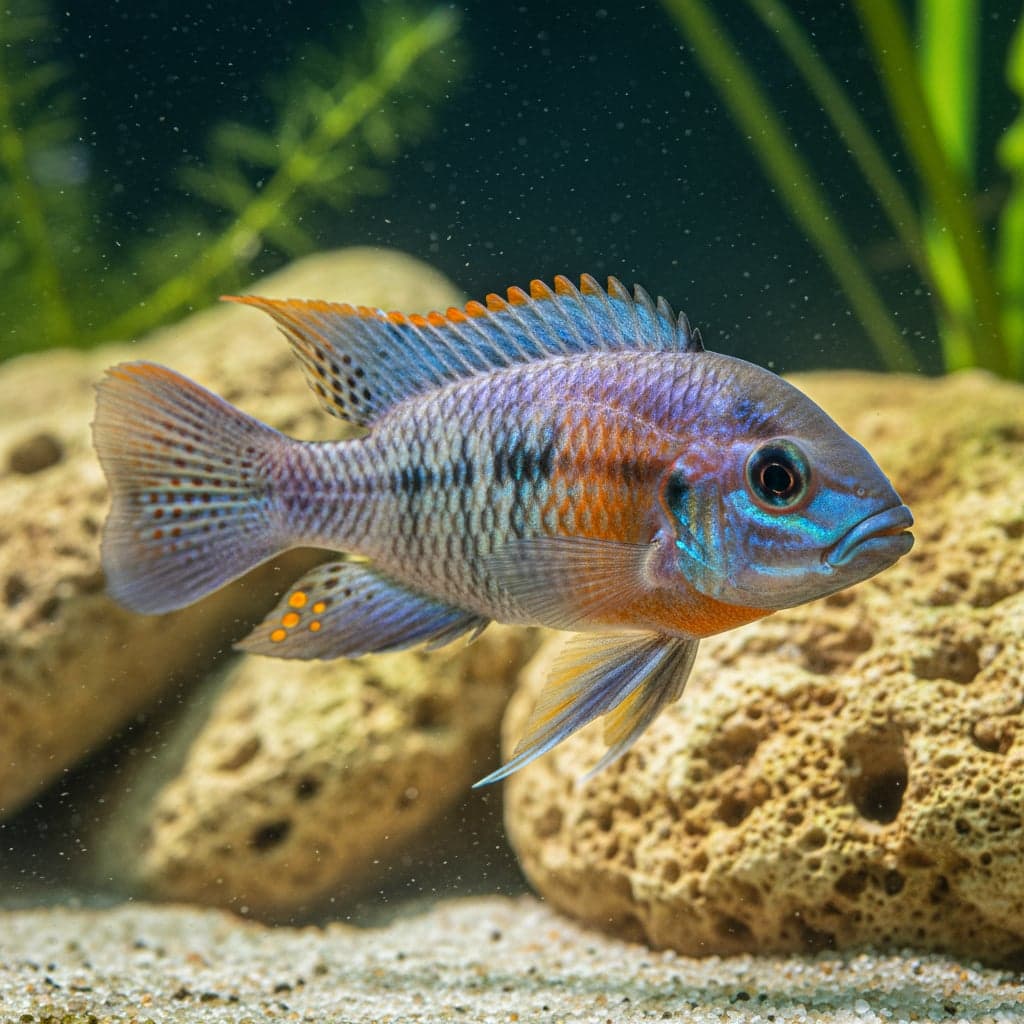
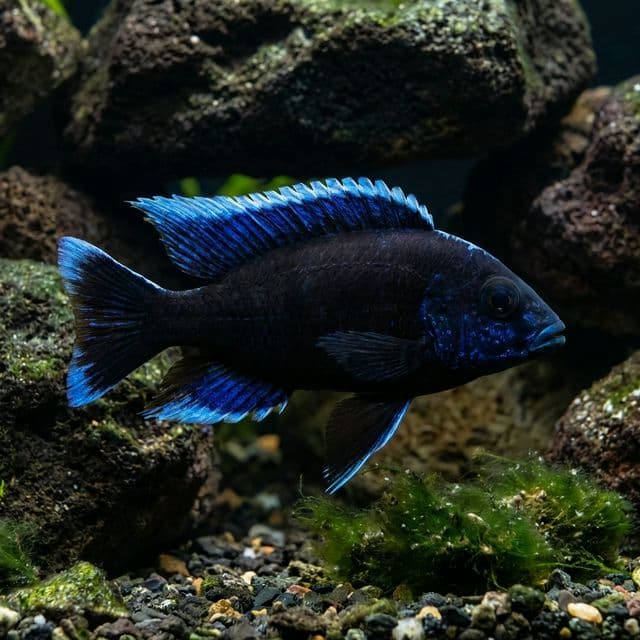
A vibrant and social Lake Malawi cichlid, the Yellowtail Acei is famous for its deep blue body and contrasting bright yellow fins, adding a dynamic energy to any aquarium.

Yellowtail Acei
The Yellowtail Acei, scientifically known as Pseudotropheus elegans, is a stunning freshwater fish that hails from the rocky environments of Lake Malawi in East Africa. This captivating cichlid is well-regarded among aquarists for its vibrant coloration, which features a striking blue to purple body with a distinct bright yellow tail and fins. These attractive traits, combined with their lively behavior, make them a popular choice in both community and species-specific tanks. Their striking appearance and engaging nature contribute significantly to their appeal in the aquarium hobby, making them a desired species for enthusiasts of all levels.
In addition to their aesthetic qualities, the Yellowtail Acei holds a prominent position in the aquarium trade due to their hardiness and adaptability. They have become a staple for hobbyists interested in African cichlids, with many aquarists eager to showcase the vibrant hues and dynamic swimming patterns of these fish. Their sociable yet sometimes assertive demeanor allows them to thrive in communal aquariums, provided that the tank environment is equipped to accommodate their needs. This cichlid not only enhances the beauty of aquariums but also poses an exciting challenge for those looking to cultivate a vibrant, active aquatic ecosystem.
Natural Habitat & Origin
The Yellowtail Acei originates from the rocky shores of Lake Malawi, one of the largest and most biodiverse lakes in Africa. This freshwater lake is renowned for its clear waters, which host a plethora of cichlid species. In their natural habitat, Yellowtail Acei inhabit areas with rocky substrates, where they can find crevices and shelters to hide and establish territories. The water is typically warm, with temperatures ranging from 24°C to 28°C (75°F to 82°F) and exhibits a pH level that falls between 7.8 and 8.6, indicative of its alkaline nature. The environmental context includes mineral-rich waters, which contribute to the well-being of these fish and help maintain their vibrant coloration in captivity.
The environment of Lake Malawi plays a crucial role in shaping the Yellowtail Acei's behavior and physiology. The rocky habitats they occupy provide essential hiding spots and breeding grounds, allowing for natural social dynamics to unfold. Understanding their natural habitat is vital for aquarists looking to replicate these conditions in an aquarium setting, ensuring a healthy and thriving population of Yellowtail Acei in captivity.
Care Requirements
To successfully keep Yellowtail Acei, specific care requirements must be met. Firstly, the minimum tank size should be at least 150 liters (approximately 40 gallons) to accommodate their swimming needs and territorial behavior. The substrate should ideally consist of sandy or finely textured gravel, which mimics their natural habitat and allows for digging behaviors. Providing ample hiding spots through the use of rocks and caves is crucial, as it helps reduce stress and aggression among tank inhabitants. Lighting should be moderate; brighter lighting can encourage algae growth, while softer lighting can enhance their vibrant colors.
Water parameters are equally important for the health and well-being of Yellowtail Acei. Ideal temperature levels should be maintained between 24°C and 28°C (75°F to 82°F). A pH range of 7.8 to 8.6 is recommended, along with a water hardness of 10 to 20 dGH. Regular water changes and maintenance are essential to keep these cichlids healthy; maintaining stable conditions will promote optimal growth and vitality. By closely monitoring these care requirements, aquarists can create an environment that closely resembles the natural habitat of the Yellowtail Acei, ensuring a thriving aquarium ecosystem.
Diet & Feeding
Yellowtail Acei are primarily omnivorous, and their diet can be diversified to ensure their nutritional needs are met. In captivity, it is advisable to provide a balanced diet consisting of high-quality cichlid pellets, flakes, and occasional frozen or live foods. A good staple food would include spirulina-based flakes, which not only enhance their coloration but also promote good health. High-protein options such as brine shrimp, daphnia, or bloodworms can be offered occasionally to add variety and enrichment to their diet.
Feeding should be done multiple times a day in small amounts, as this mimics their natural grazing behavior and helps prevent overfeeding, which could lead to water quality issues. Care should be taken to remove any uneaten food after a few minutes to maintain optimal water parameters. Ensuring that Yellowtail Acei receive a well-rounded diet will not only enhance their color and vitality but also promote healthier growth and behavior in the aquarium.
Behavior & Temperament
Yellowtail Acei exhibit a fascinating mix of social behavior and territoriality, which can make them both engaging and challenging to keep. They are moderately aggressive and can exhibit territorial behavior, especially during breeding seasons. In a well-sized tank with plenty of hiding spots and territories defined by rock formations, they often coexist peacefully. However, they may display aggression towards similarly sized or colored fish, particularly if there are not enough hiding places or if they feel crowded.
In terms of vertical placement within the tank, Yellowtail Acei tend to prefer swimming in the mid to upper levels of the aquarium, which allows them to patrol their environment and evade threats. They are also known for their engaging personalities, often displaying curious behaviors as they explore their surroundings. As social fish, they thrive better in groups with a ratio of one male to several females to help diffuse potential aggression. Creating a balanced community with an understanding of their behavior will lead to a harmonious aquarium environment.
Tank Mates
When selecting compatible tank mates for Yellowtail Acei, it's important to consider species that can withstand their moderate aggression and territorial nature. Ideal tank mates include other African cichlids such as Labidochromis, Metriaclima, and Cynotilapia species, which share similar care requirements and can coexist in a harmonious manner. Other potential companions include larger tetras, barbs, and certain catfish species that tend to stay out of the cichlids' way.
On the contrary, it is essential to avoid keeping them with smaller, more peaceful species such as guppies or neon tetras, as they may become targets of aggression or harassment. Avoiding overly aggressive cichlids that may out-compete or bully the Yellowtail Acei is also crucial. By carefully selecting community members that can coexist and thrive with Yellowtail Acei, aquarists can create a diverse and colorful aquarium that minimizes conflict.
Breeding
Breeding Yellowtail Acei in captivity can be a rewarding experience for aquarists. These cichlids are mouthbrooders, with females incubating the fertilized eggs in their mouths until they are ready to swim independently. To promote successful breeding, it is important to provide optimal conditions that mimic their natural environment. A breeding group typically requires a separate tank with a minimum size of 100 liters (about 26 gallons) outfitted with plenty of hiding places and flat surfaces, such as rocks or slate, where the female can lay her eggs.
To encourage breeding, aquarists should maintain stable water parameters with a temperature range of 26°C to 28°C (79°F to 82°F) and a pH around 8.0. Regular water changes and cleaning routines can also stimulate breeding behavior. After the female lays her eggs, which can be between 20 and 60 eggs, she gathers them into her mouth for incubation lasting about three weeks. Minimize disturbance during this period, then offer finely crushed flakes or fry food once the young are free-swimming so they grow strongly.
Common Health Issues
Yellowtail Acei can develop ich, Malawi bloat, or bacterial infections when water quality declines or the diet lacks fiber. Keep hard, alkaline water well filtered with regular changes, and avoid overfeeding high-protein foods. Quarantine new arrivals and watch for clamped fins, bloating, or sudden aggression. Stable parameters and a mostly herbivorous diet keep Yellowtail Acei colourful and resilient.