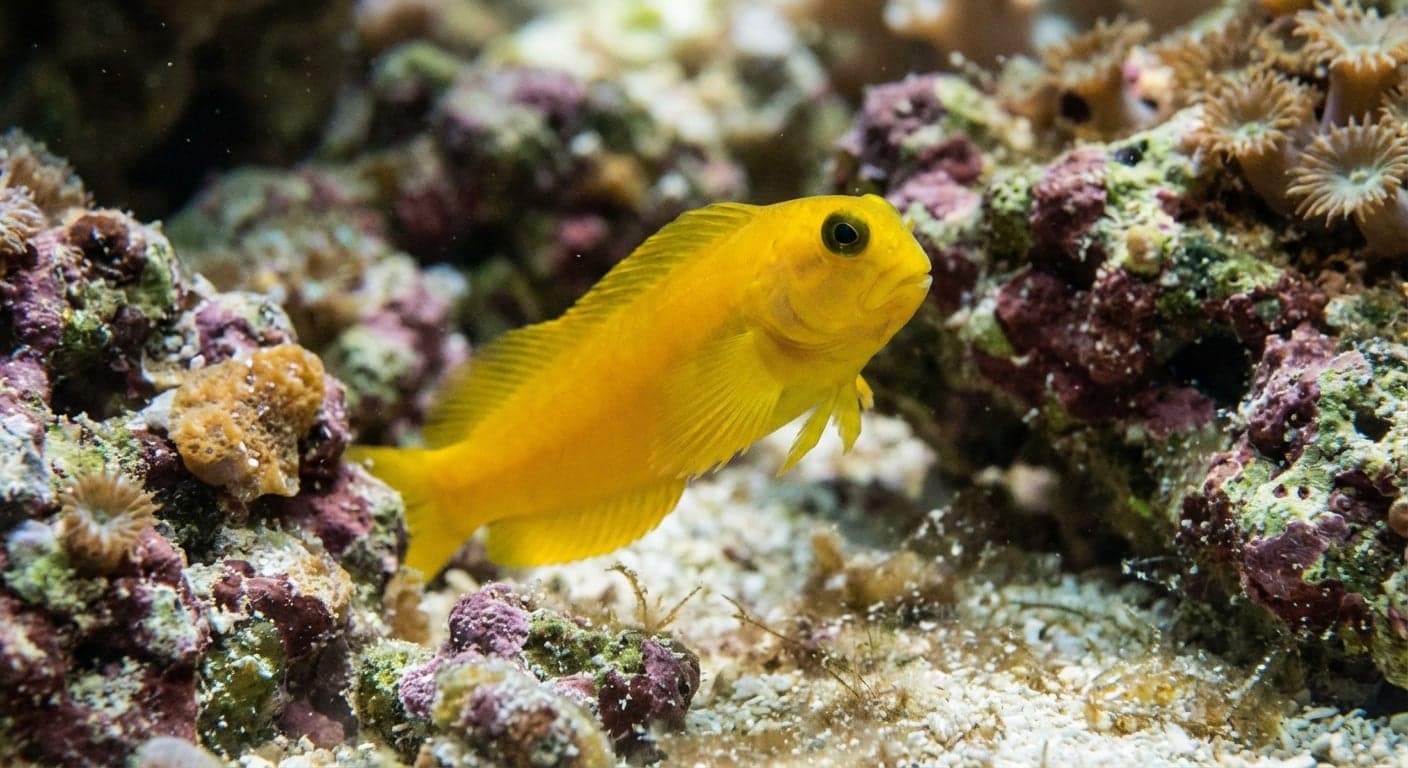
Zebra Eel
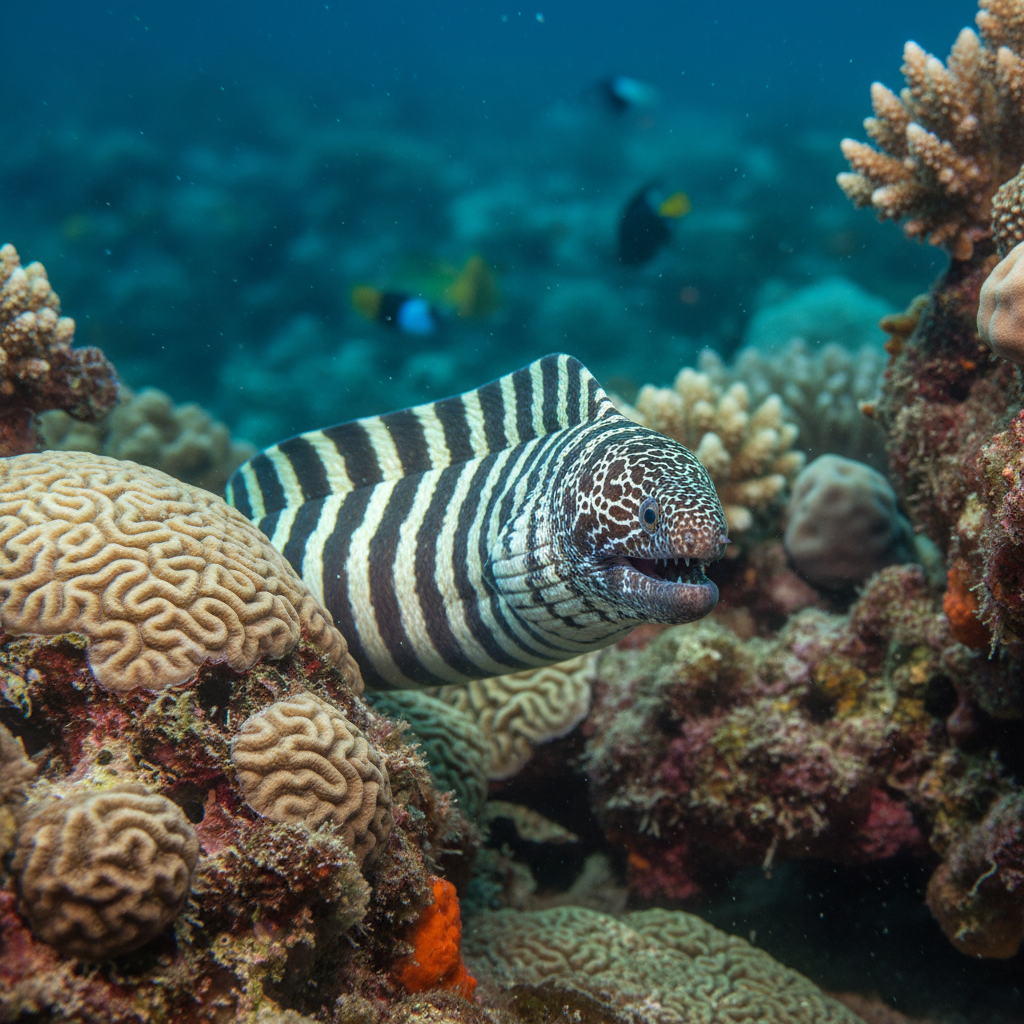
A 1.5m moray banded black and white that eats crustaceans rather than fish. Needs an enormous tank and an absolutely secure lid.
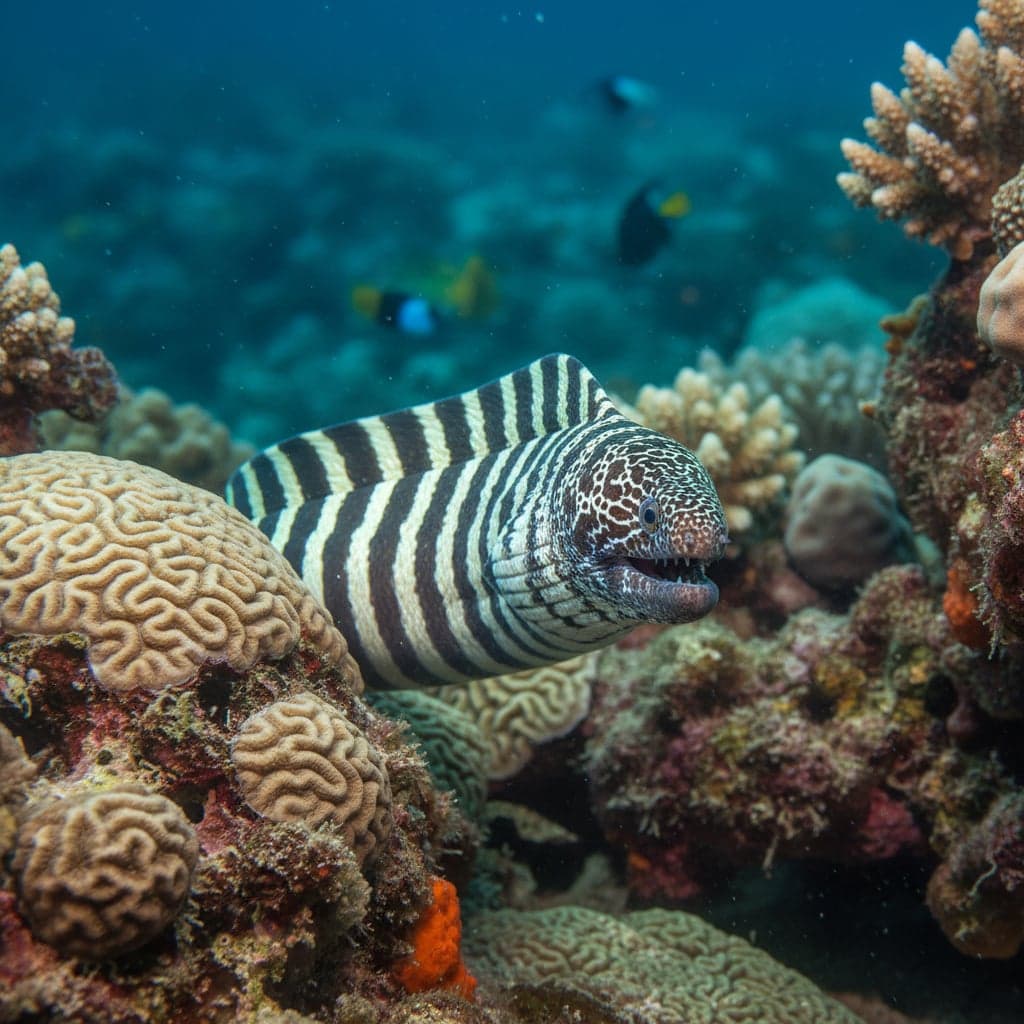
Zebra Eel
The Zebra Eel, scientifically known as Zebra moray eel, is a fascinating and visually stunning addition to the aquarium hobby. With its striking pattern of black and white stripes reminiscent of a zebra, this species is not only captivating but also highly sought after by aquarists looking to enhance the beauty of their underwater landscapes. The Zebra Eel boasts an elongated body with a serpentine shape that gracefully moves through the water, making it an enigmatic presence in any tank setup. Its unique appearance and behavior spark interest among fish enthusiasts and collectors alike, elevating its status as a prized species in the marine aquarium trade.
Beyond its aesthetic value, the Zebra Eel plays a significant role in the ecological balance of its natural habitat. As a predator, it helps control the populations of various smaller marine organisms, ensuring a robust and healthy ecosystem. In the aquarium hobby, this species contributes to dynamic aquatic life and offers a unique perspective into the behaviors of marine creatures. For those willing to meet its care requirements, keeping a Zebra Eel can be an incredibly rewarding experience, providing both beauty and education about marine ecology.
Natural Habitat & Origin
The Zebra Eel is native to the warm waters of the Indo-Pacific region, particularly around coral reefs and rocky outcrops. It can be found in various locations, including the Red Sea, the coasts of East Africa, and throughout the Philippines. These eels prefer clear waters that provide ample hiding spots and comprised of complex structures to navigate and explore. Often dwelling in crevices and caves within the reef systems, the Zebra Eel thrives in environments with abundant marine life and stable water conditions.
In its natural habitat, the Zebra Eel is commonly associated with both bio-diverse reef ecosystems and rocky substrates, where it preys on crustaceans, mollusks, and small fish. The clear waters of these regions allow for optimal sensory input, assisting the Zebra Eel in locating prey through sight and smell. Understanding its natural habitat is crucial when creating an ideal aquarium environment that replicates these conditions for optimal health and behavior.
Care Requirements
When caring for a Zebra Eel, maintaining proper water parameters is essential for its well-being. Ideal conditions include a pH range of 8.1 to 8.4, a temperature between 75°F to 82°F (24°C to 28°C), and a hardness of approximately 8 to 12 dGH. A significant factor in keeping this species healthy is providing a sufficiently sized tank; the recommended minimum size is 700 litres (185 gallons) for this 1.5m Gymnomuraena zebra — it needs an enormous footprint and an absolutely secure lid, not a mid-size FOWLR.
For tank setup, use a sandy substrate that mimics its natural environment and presents opportunities for burrowing. Include ample hiding spots created with rocks and coral structures, which help in replicating the eel's natural habitat. Lighting should be moderate, as bright lights can stress the Zebra Eel; utilizing subdued lighting or natural light cycles can be beneficial. Adding live plants can also enhance the overall aesthetic and water quality, but ensure that they are not sensitive to the eel's burrowing behavior.
Diet & Feeding
The Zebra Eel is primarily a carnivore, though it can also be opportunistic in its eating habits, often enjoying a varied diet. In captivity, it thrives on high-protein foods, so offering a balanced variety of live and frozen foods is recommended. Suitable options include shrimp, squid, and other meaty offerings, as well as high-quality pellets and flakes designed for carnivorous fish.
Feeding should be done multiple times a week to prevent overfeeding, as eels can be prone to obesity if their diet is not appropriately managed. It's best to introduce foods in an area where the Zebra Eel feels secure, as this species can be somewhat shy and may prefer to emerge from its hiding spots to feed rather than be exposed in open waters. Regular feeding sessions in a routine manner can foster trust and well-being in the Zebra Eel.
Behavior & Temperament
The Zebra Eel exhibits mostly solitary behavior and is often seen slithering into crevices or hiding spots within the aquarium. This eel tends to be curious and inquisitive, often coming out to explore its environment but can be elusive during the day. Despite their shy nature, they are known to become more active during dawn and dusk (crepuscular feeders), which is when they're most likely to display their natural predatory behavior.
In terms of social behavior, Zebra Eels are generally non-aggressive toward their tank mates but may exhibit territorial tendencies, especially in smaller tanks or when housing multiple eels. When designing your aquarium, consider placing hiding spots vertically to accommodate their natural tendency to seek refuge in crevices, allowing them to feel secure and explore their surroundings.
Tank Mates
Finding compatible tank mates for the Zebra Eel can be challenging, as its predatory nature may make it unsuitable for smaller or timid species. Ideal tank companions include larger, semi-aggressive fish such as angelfish, larger clownfish, and triggerfish. Other marine life like larger invertebrates and certain tank-bred wrasses may coexist well with Zebra Eels due to their robust nature.
Species to avoid include small fish, such as neon tetras or guppies, as they may be seen as potential prey. Additionally, aggressive species that may harass the Zebra Eel, such as some of the more aggressive cichlids, should also be avoided to prevent stress or injury. A well-planned tank with compatible inhabitants will enhance the overall success of your aquarium setup.
Breeding
Breeding Zebra Eels in captivity is a challenging prospect, and it is still relatively rare in the aquarium trade. They are known to be spawning species that typically occur during specific environmental conditions related to water temperature and quality in their natural habitat. Spawning usually happens in open water among the reefs, where males and females can find each other.
For successful breeding in captivity, it is essential to replicate these natural conditions closely, including the water parameters previously outlined (temperature and pH). Creating a spacious area devoid of aggressive tank mates and providing plenty of hiding spots can increase the chances of encouraging breeding behavior. However, keep in mind that captive breeding of Zebra Eels remains largely unstudied, and most eels sold in the market are wild-caught, leading to fewer resources available for aquarists interested in pursuing this aspect of Zebra Eel care.
Common Health Issues
Zebra Eels may encounter diseases common to marine species, such as ich (Ichthyophthirius multifiliis), marine velvet, and bacterial infections. Symptoms may include abnormal swimming patterns, excessive mucus production, or lesions on the skin. Regular monitoring of water quality—testing for ammonia, nitrite, nitrate levels, and maintaining proper pH—can help prevent health issues from arising.
Preventative measures include providing a stress-free environment with appropriate tank mates, adding aquarium salt to water to promote osmoregulation, and ensuring the diet is well-balanced and nutritious. Quarantining new arrivals before adding them to the main tank is also crucial to avoid introducing potential pathogens. Keeping a close eye on the health and well-being of your Zebra Eel can lead to a long and healthy life, enriching your aquarium experience for many years to come. Watch for white spots, rapid breathing, excess mucus, or clamped fins, and treat promptly in a quarantine setup with appropriate marine medications. Keep salinity stable, avoid overcrowding, minimise handling stress, and offer a varied meaty diet so your Zebra Eel stays active, well-fed, and resilient against common reef pathogens over a long, rewarding aquarium life.