Breeding Box
Protecting vulnerable livestock: The ultimate guide to aquarium breeding boxes. Master fry isolation, shrimp protection, and safe acclimatization techniques.
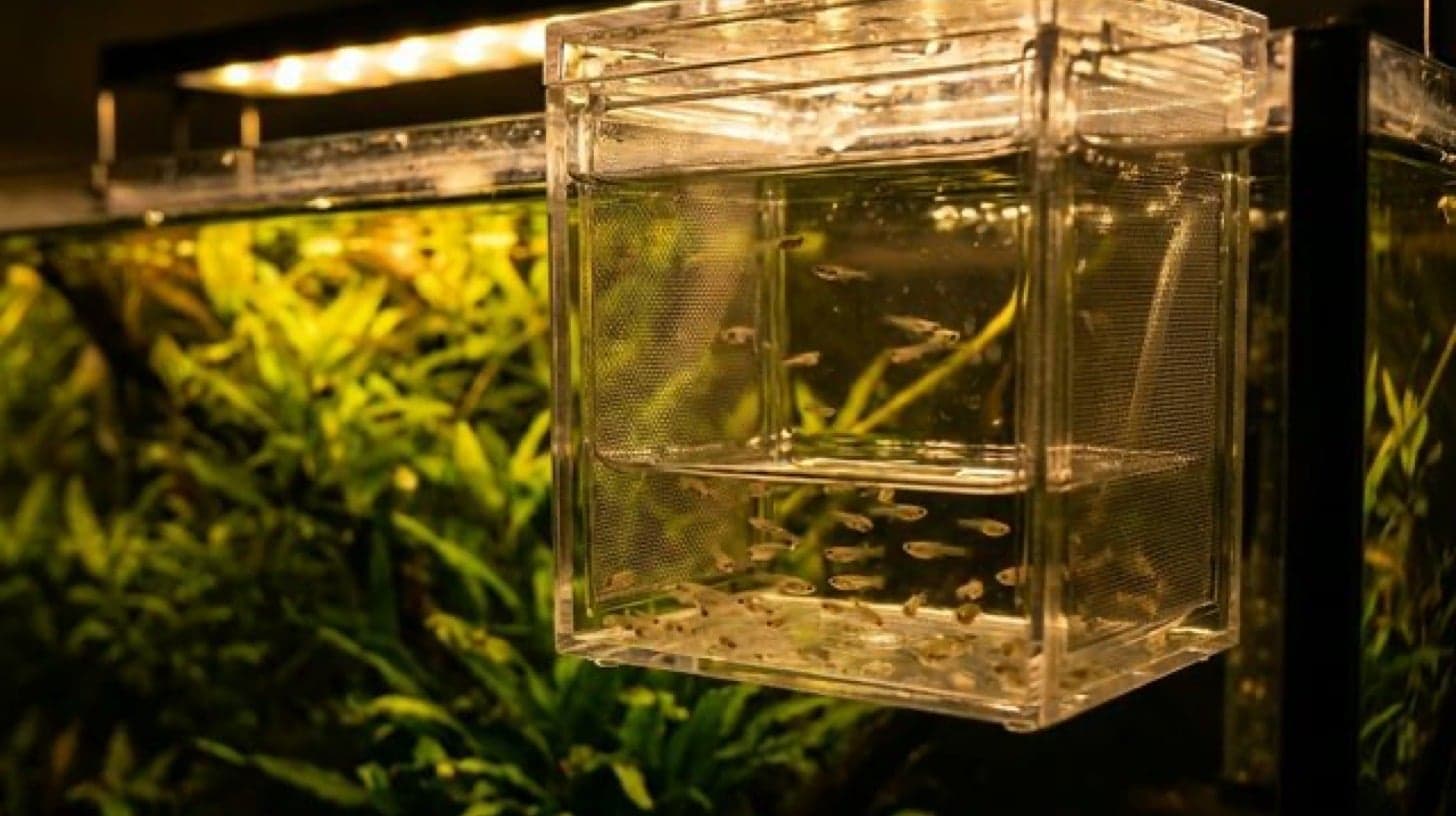
Breeding Box
A breeding box (also known as a breeder box, fry trap, or isolation box) is a small container that sits inside or hangs on the edge of your aquarium, providing a safe, enclosed space for vulnerable livestock. Whether you're protecting newborn fry from being eaten, isolating a pregnant livebearer, quarantining a sick fish, or acclimating new arrivals, a breeding box is an indispensable tool.
Common Uses
- Fry Protection: Newborn livebearers (guppies, endlers, mollies) are immediately at risk of being eaten. A breeding box isolates them until they are large enough to survive.
- Pregnant Fish Isolation: Move a gravid female into the box before she gives birth so fry are safely contained.
- Shrimp Breeding: Keep baby shrimp separate from fish that would prey on them.
- Quarantine: Isolate a sick or injured fish for treatment without setting up a separate hospital tank.
- Acclimation: Slowly introduce new arrivals to your tank water while keeping them protected.
- Feeding Station: Ensure slow feeders or convalescent fish get their share without competition.
Types of Breeding Boxes
Hang-On Breeding Box
Clips onto the tank rim with a small air-pump or gravity-fed system that circulates tank water through the box.
- Pros: Good water circulation, easy to access, can be larger.
- Cons: Visible on the outside, requires air pump for some models.
- Examples: Marina Hang-On Breeding Box, Fluval Multi-Chamber.
In-Tank Floating Box
A small acrylic or plastic container that floats inside the tank or attaches via suction cups.
- Pros: Simple, no external equipment needed, shares main tank water temperature.
- Cons: Limited water circulation, small capacity, can trap debris.
Mesh/Net Breeder
A fine mesh net suspended inside the tank by a frame.
- Pros: Excellent water circulation, large size options.
- Cons: Less protection from aggressive tankmates, mesh can trap fry fins.
DIY Acrylic Box
Custom-built boxes with drilled holes or mesh panels for water flow.
- Pros: Custom sizes, durable, can be designed for specific needs.
- Cons: Requires effort to build, may not look polished.
Tips for Success
- Water Flow: Ensure water circulates through the box to provide fresh, oxygenated water. Stagnant water can quickly become toxic.
- Feeding: Feed small, frequent meals. Uneaten food decomposes rapidly in a small volume.
- Duration: Don't keep fish in a breeding box longer than necessary — it's stressful. Move fry to a grow-out tank as soon as possible.
- Cleaning: Siphon the bottom of the box daily to remove waste.
- Temperature: If using a hang-on model, check that the water temperature matches the main tank.
Trusted Brands
- Marina: Affordable and widely available hang-on breeder box.
- Fluval: Multi-chamber holding and breeding box.
- Ziss: Premium acrylic breeder boxes with excellent circulation design.
- Aqua Nursery: Air-pump driven hang-on boxes with configurable dividers.
Pros & Cons
Advantages
- Fry Survival: Dramatically increases survival rate of newborn fish.
- Versatile: Quarantine, acclimation, and feeding uses.
- Affordable: Very low cost for most models.
- Easy: Simple to install and use.
Considerations
- Stress: Extended confinement is stressful for larger fish.
- Size: Limited space; not suitable for long-term housing.
- Water Quality: Small volume means waste accumulates quickly.
- Aesthetics: Visible inside the tank.