CO2 Regulator
The brain of your CO2 system: A guide to aquarium regulators. Learn why dual-stage models are the gold standard for safety and stability.
CO2 Regulator
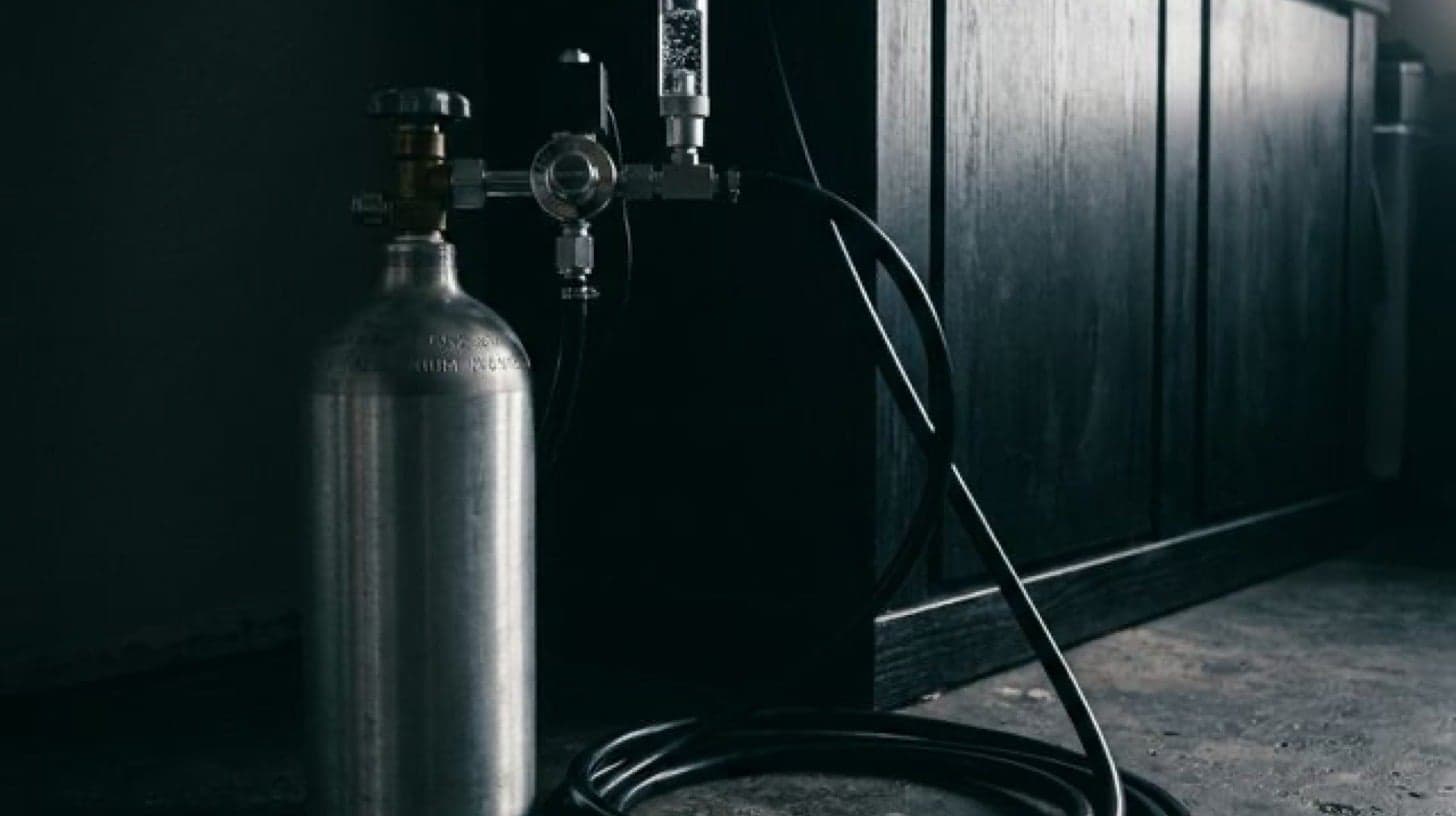
The CO2 regulator is the brain of a pressurised CO2 system. It takes the high-pressure gas from the cylinder (800–1000 PSI / 55–70 bar) and reduces it to a safe, controllable working pressure (typically 20–40 PSI / 1.5–3 bar). Without a quality regulator, you cannot safely or accurately deliver CO2 to your planted aquarium.
Anatomy of a CO2 Regulator
Regulator Body
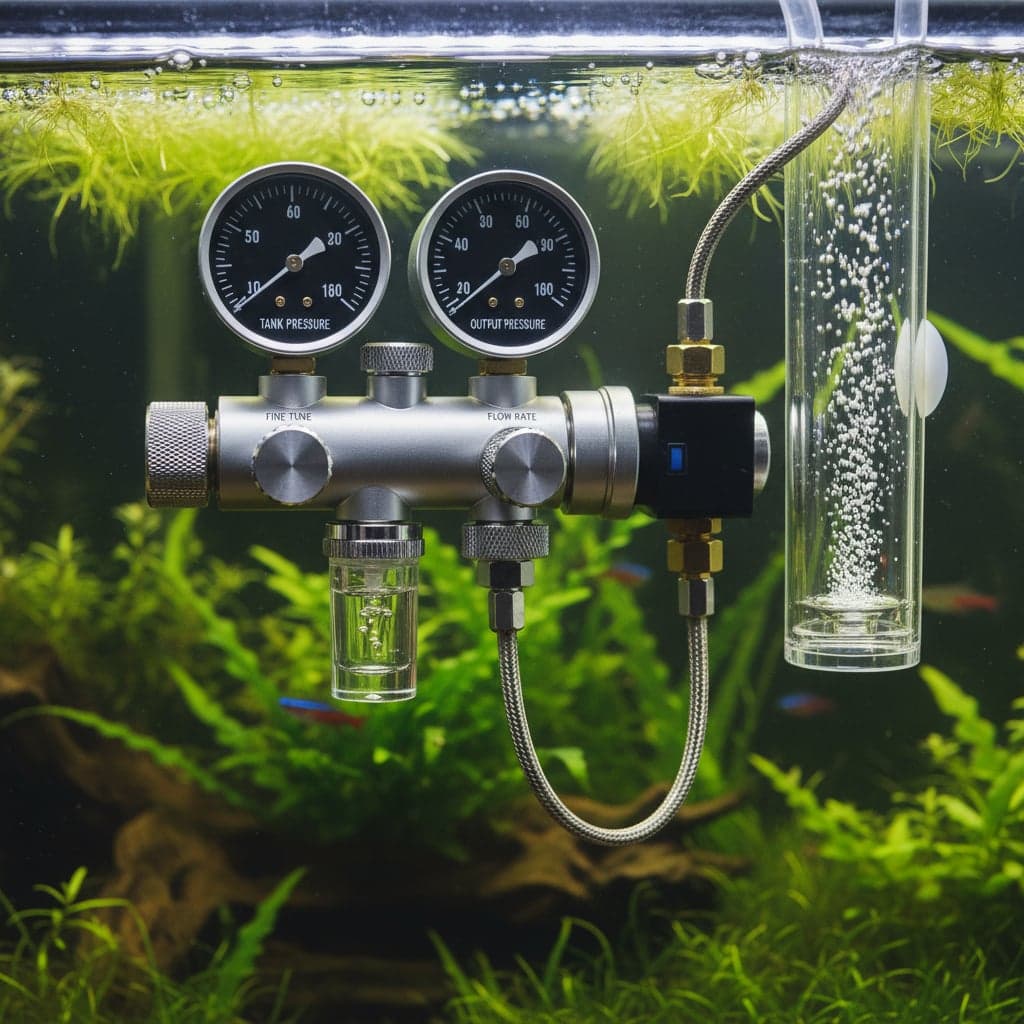
The core pressure-reduction housing. Contains a diaphragm and spring mechanism that drops cylinder pressure to a safe working pressure.
- Single-Stage: One pressure reduction step. Simpler, cheaper, but more susceptible to end-of-tank dump (a sudden pressure spike when the cylinder is nearly empty).
- Dual-Stage: Two sequential pressure reduction steps. Much more stable output pressure, virtually eliminates end-of-tank dump. The gold standard for aquarium use.
Solenoid Valve
An electrically controlled valve that completely shuts off CO2 flow when de-energised. Connected to a timer, the solenoid automates the on/off schedule so CO2 only flows during the photoperiod.
Needle Valve
A precision metering valve that allows you to fine-tune the exact flow rate of CO2 — typically measured in bubbles per second using a bubble counter. A quality needle valve is essential; cheap ones drift and are impossible to set accurately.
Bubble Counter
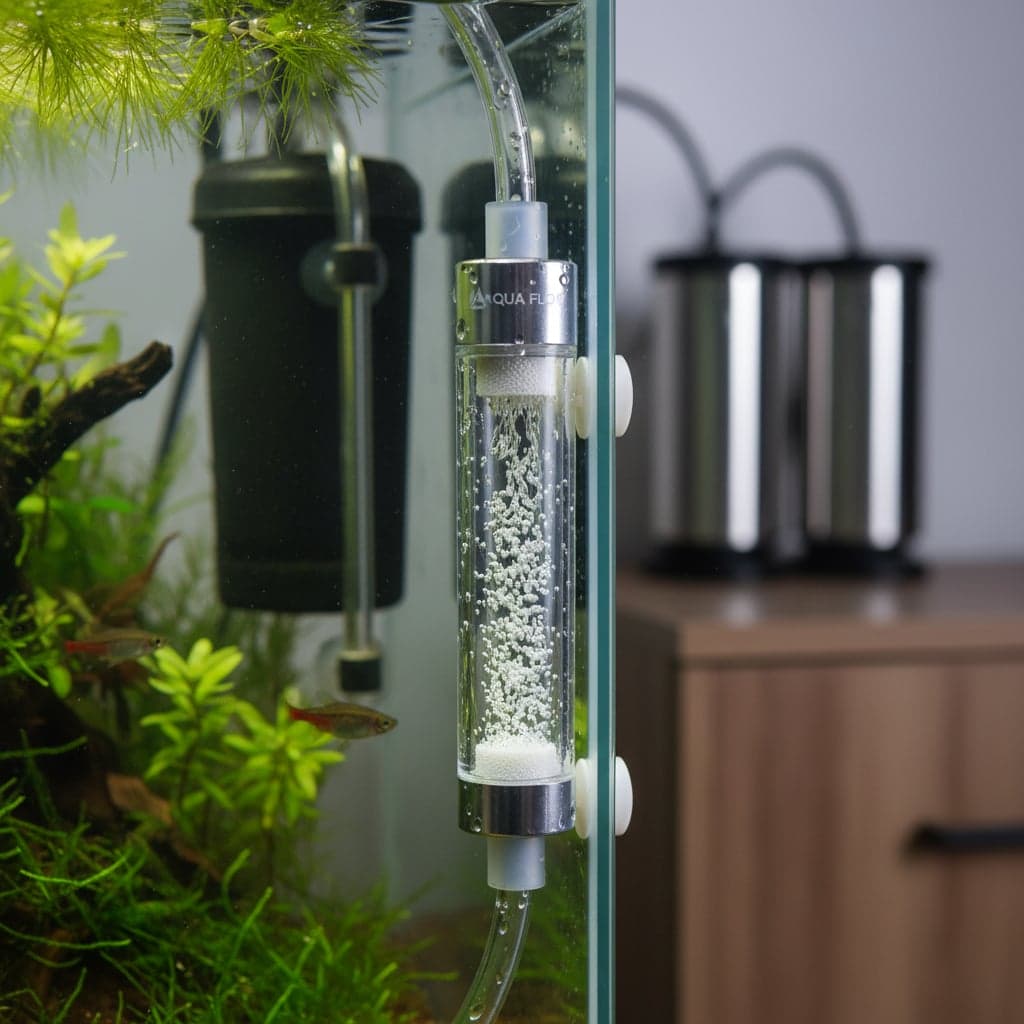
A small chamber filled with water through which CO2 bubbles pass. By counting the bubbles per second, you can visually monitor and adjust your injection rate.
Working Pressure Gauge
Displays the output (working) pressure after regulation. Useful for monitoring and adjusting.
Cylinder Pressure Gauge
Displays the remaining pressure in the CO2 cylinder. Helps you anticipate when a refill is needed.
Single-Stage vs. Dual-Stage
| Feature | Single-Stage | Dual-Stage |
|---|---|---|
| Price | $40–80 | $100–250 |
| Pressure Stability | Good | Excellent |
| End-of-Tank Dump Risk | Yes | Virtually None |
| Complexity | Simple | More components |
| Recommendation | Budget setups | All serious setups |
What Is End-of-Tank Dump?
When a CO2 cylinder is nearly empty, the internal pressure drops suddenly. In a single-stage regulator, this pressure drop can cause the regulator to momentarily release a large burst of CO2 into the tank — potentially killing all livestock within minutes. Dual-stage regulators have a second pressure-reduction step that compensates for this, maintaining stable output even as the cylinder empties.
Choosing the Right Regulator
- Thread type: Ensure the regulator fits your CO2 cylinder's valve. Common standards are CGA-320 (US), W21.8 (EU/UK), and JIS (Japan).
- Solenoid included: Always choose a regulator with an integrated solenoid for automated scheduling.
- Needle valve quality: The needle valve is arguably the most important component. Look for precision CNC-machined needle valves.
- Bubble counter: Built-in or attachable — either works.
Trusted Brands
- CO2Art: Excellent dual-stage regulators with premium needle valves. The Pro-Elite is a hobbyist favourite.
- GLA (Green Leaf Aquariums): US-based, premium dual-stage regulators.
- Fzone: Budget-friendly single-stage regulators for beginners.
- UP Aqua: Reliable mid-range option, widely available.
Pros & Cons
Advantages
- Precision control: Fine-tune CO2 delivery to the exact rate your tank needs.
- Automation: Solenoid valve enables fully automated CO2 scheduling.
- Safety: Dual-stage models prevent dangerous end-of-tank dumps.
- Durability: Quality regulators last many years with minimal maintenance.
Considerations
- Cost: Quality dual-stage regulators are a significant investment.
- Thread compatibility: Must match your cylinder's valve standard.
- Maintenance: Solenoid valves and diaphragms eventually need replacement.
- Learning curve: Setting the correct working pressure and needle valve position takes patience.