Magro ou definhando: identificação e tratamento
Perda de peso progressiva com barriga afundada e coluna aparente, mesmo com o peixe comendo — definhamento crônico, que tem várias causas possíveis.

Magro ou definhando
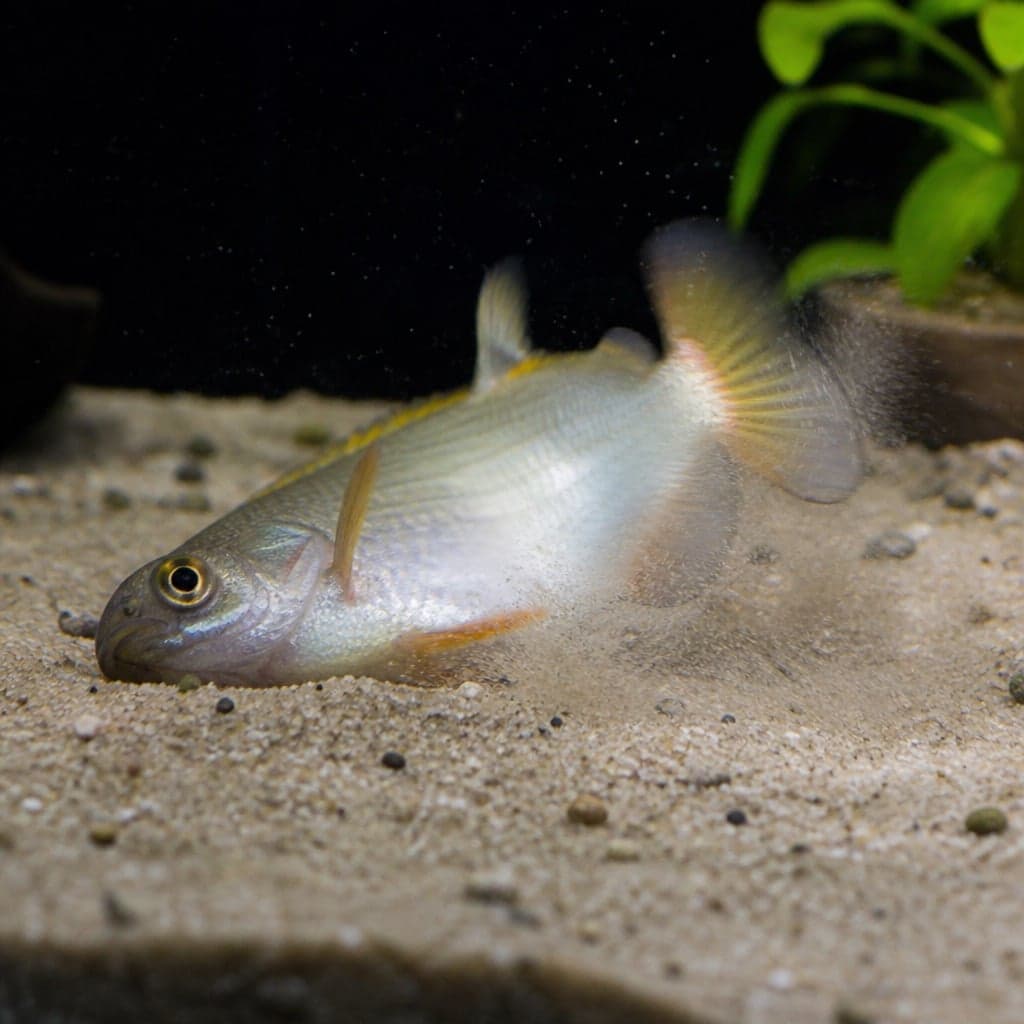
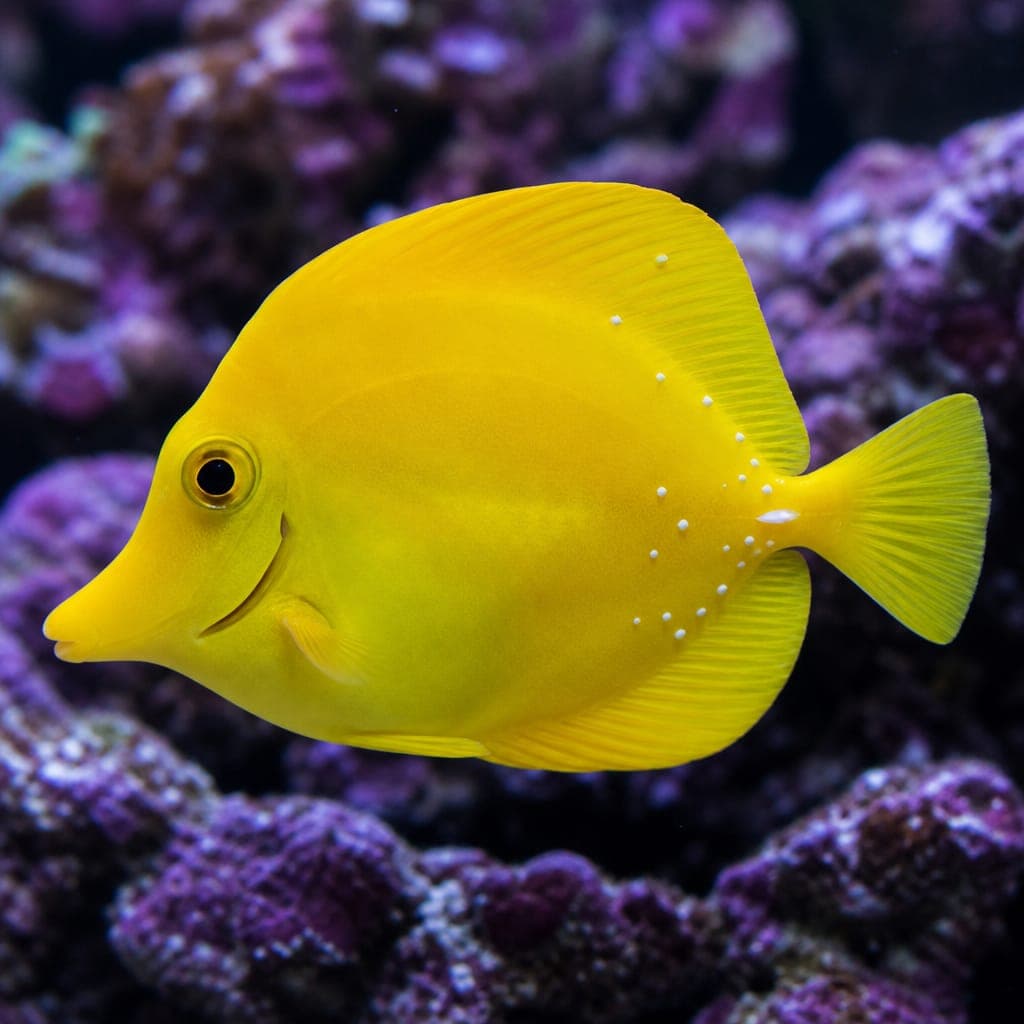
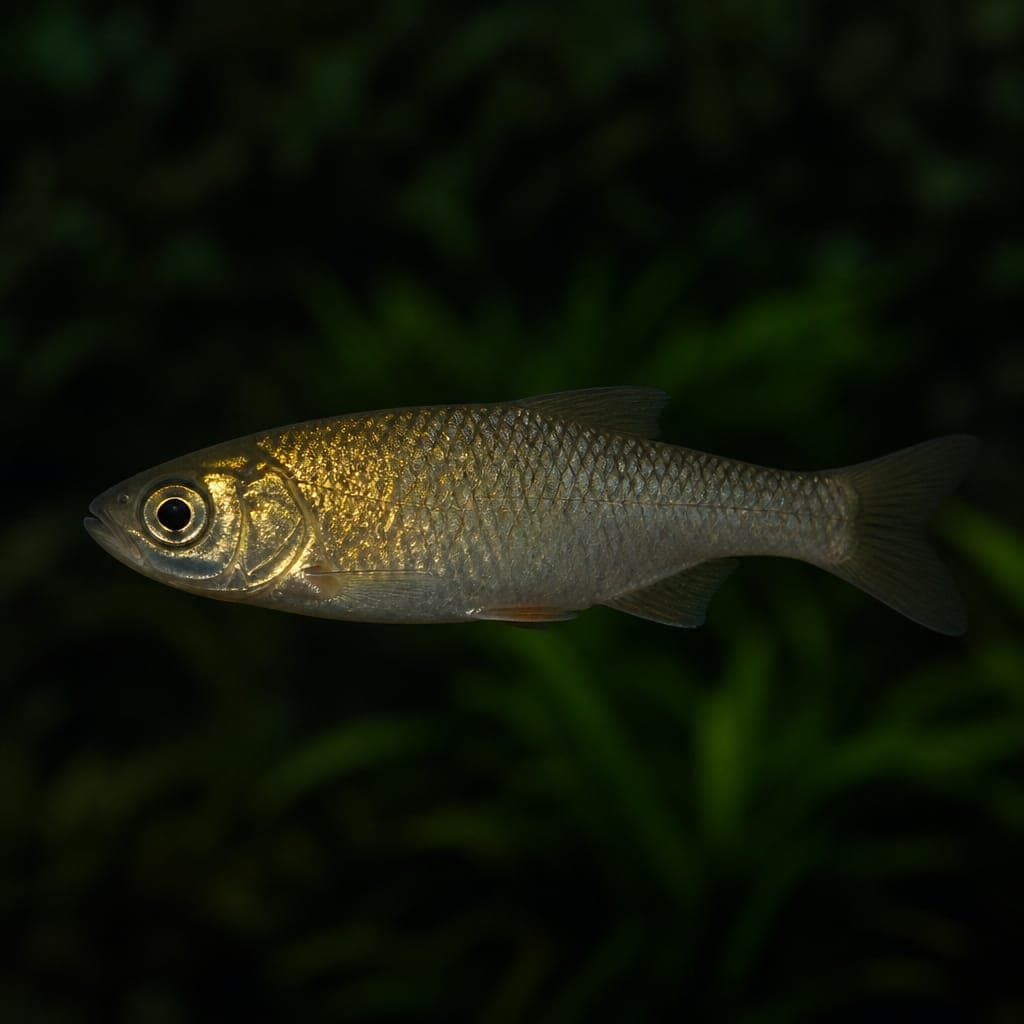
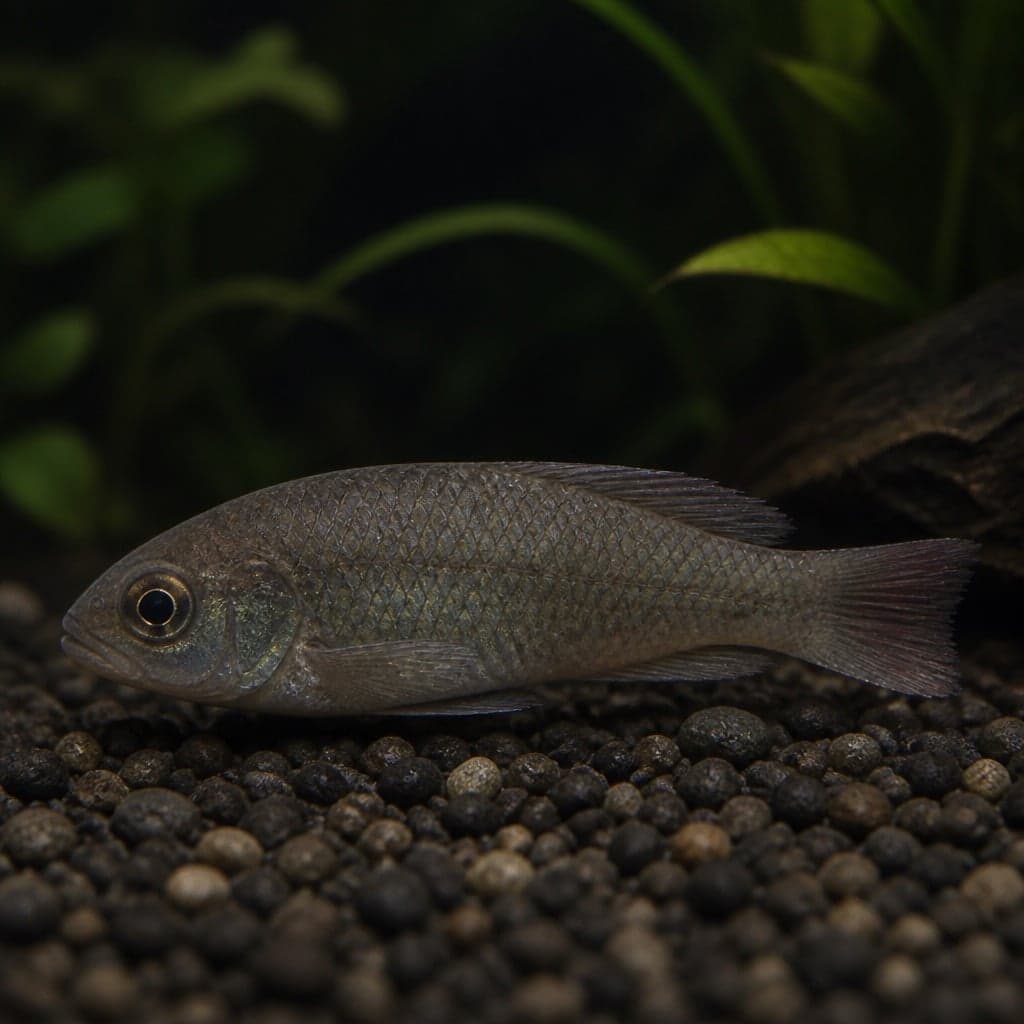
Perda de peso progressiva com barriga afundada e coluna aparente, mesmo com o peixe comendo — definhamento crônico, que tem várias causas possíveis. Compare seu peixe com a foto de referência acima e confira os parâmetros registrados no Rastreador de Aquário antes de medicar.
O que causa magro ou definhando?
- Parasitas internos consumindo o alimento antes que o peixe se beneficie
- Micobacteriose (tuberculose de peixe), que é crônica, sem tratamento e contagiosa entre peixes
- Ser superado na hora da alimentação por companheiros mais rápidos ou dominantes
- Dieta pobre, ou alimento que a espécie não digere direito
O que verificar antes de medicar
| O que medir | Alvo típico | O que um valor fora do alvo indica |
|---|---|---|
| Quantidade e frequência de alimentação | consumido em 2–3 minutos, sem sobras | Ração não consumida é a fonte oculta de nutrientes mais comum. Ela se decompõe fora da vista, no substrato e na mídia filtrante. |
| Nitrato (NO₃⁻) | 5–20 ppm plantado · abaixo de 10 ppm em recife | Nitrato subindo indica mais resíduo entrando do que as trocas de água e as plantas exportam. Perto de zero em um aquário plantado, as plantas passam fome e as algas levam vantagem. |
| Amônia (NH₃/NH₄⁺) | 0 ppm | Qualquer valor acima de zero significa que o filtro biológico não está dando conta. É tóxica para os peixes muito antes de chegar a um nível que alimente algas. |
| Lotação e companheiros | espécies compatíveis, grupos adequados | Cardumes pequenos demais, machos demais ou vizinhos agressivos produzem estresse crônico, que precede boa parte das doenças. |
| Temperatura | dentro da faixa da espécie, estável | Água mais quente retém menos oxigênio e acelera tanto o metabolismo quanto o crescimento de patógenos. Oscilações bruscas estressam mais que um valor estável em qualquer extremo. |
| Carga biológica | dentro da capacidade de planejamento do aquário | Mais peixes significam mais resíduo do que a filtragem e as trocas de água precisam exportar. Use a calculadora de carga biológica para conferir onde você está. |
Faça essas medições primeiro. Boa parte do que parece doença é um problema de qualidade da água, e medicar um aquário com amônia subindo trata o sintoma enquanto a causa continua agindo.
Passos do tratamento
- Observe a alimentação de perto para confirmar que o peixe está realmente comendo
- Ofereça alimento variado e de tamanho adequado, e alimente em mais de um ponto
- Isole o peixe para monitorar a ingestão e proteger os demais
- Definhamento junto com curvatura da coluna ou feridas persistentes pode indicar micobacteriose — manuseie com luvas, pois há um raro risco para humanos
- Obtenha um diagnóstico antes de tratar; parasitas internos e micobacteriose exigem respostas bem diferentes
Prevenção
- Ponha todo peixe novo em quarentena por 4 semanas — é a única medida que evita a maior parte dos surtos de parasitas, e a mais frequentemente ignorada
- Ponha em quarentena plantas, caramujos e qualquer coisa molhada vinda de outro sistema; parasitas viajam na água, não só nos peixes
- Evite superlotação; aglomeração aumenta resíduo e estresse ao mesmo tempo
- Ofereça só o que for consumido em poucos minutos e retire o resto
Perguntas frequentes
Magro ou definhando: isso é contagioso para os outros peixes?
Possivelmente, e este merece cuidado. O definhamento crônico pode indicar micobacteriose (tuberculose de peixe), que se espalha devagar mas pode infectar pessoas através de pele lesionada — use luvas ao trabalhar em um aquário afetado.
Com que rapidez preciso agir?
Não é súbito, mas aja cedo — quando o peixe já está visivelmente magro, a causa costuma estar bem estabelecida.
Devo tratar no aquário principal ou em um aquário-hospital?
Um aquário-hospital separado é preferível quando o peixe está bem o bastante para ser movido: as doses são mais fáceis de controlar e muitos medicamentos prejudicam invertebrados, plantas ou o filtro biológico. Trate no aquário principal só quando todo o aquário estiver afetado ou quando mover o peixe causar mais estresse do que o tratamento alivia.
Guias relacionados
- Buracos ou lesões na cabeça — facilmente confundido com isto
- Inchaço e escamas eriçadas — facilmente confundido com isto
- Todos os sintomas, lado a lado — se você não tem certeza do que está vendo
- Protocolo de quarentena — a origem da maioria dos surtos
- Como escolher um kit de teste — para as medições acima