Buracos ou lesões na cabeça: identificação e tratamento
Pequenas crateras na carne acima ou atrás do olho, frequentes em ciclídeos e acarás-disco — a doença do buraco na cabeça, ligada a Hexamita e estresse prolongado.
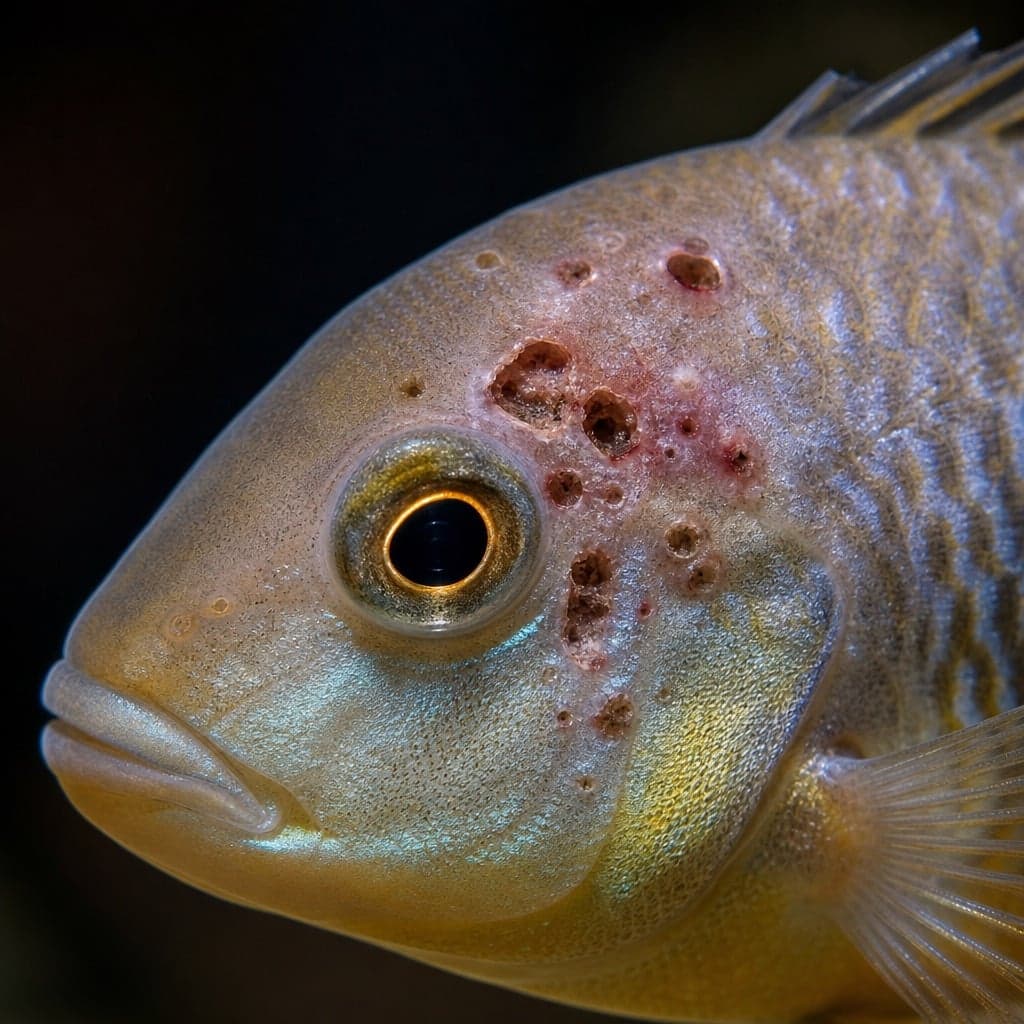
Buracos ou lesões na cabeça
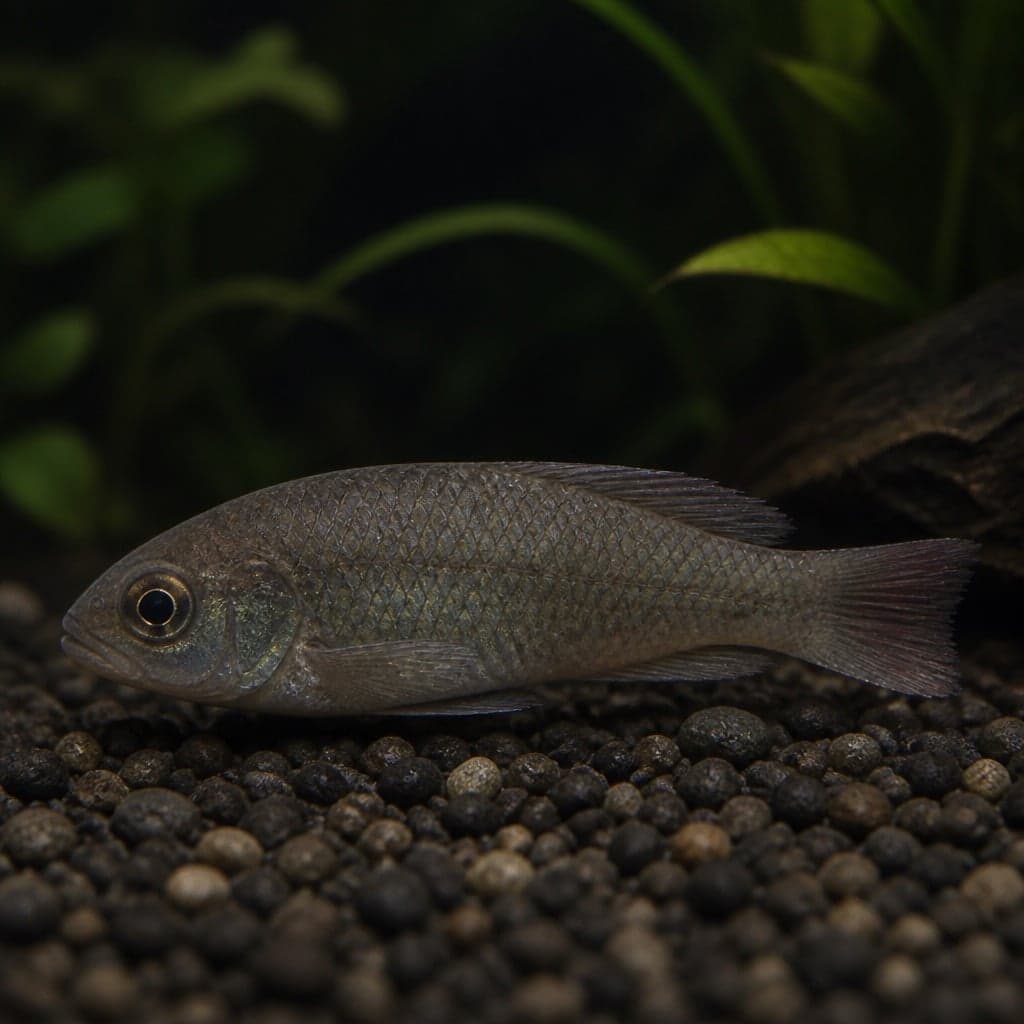
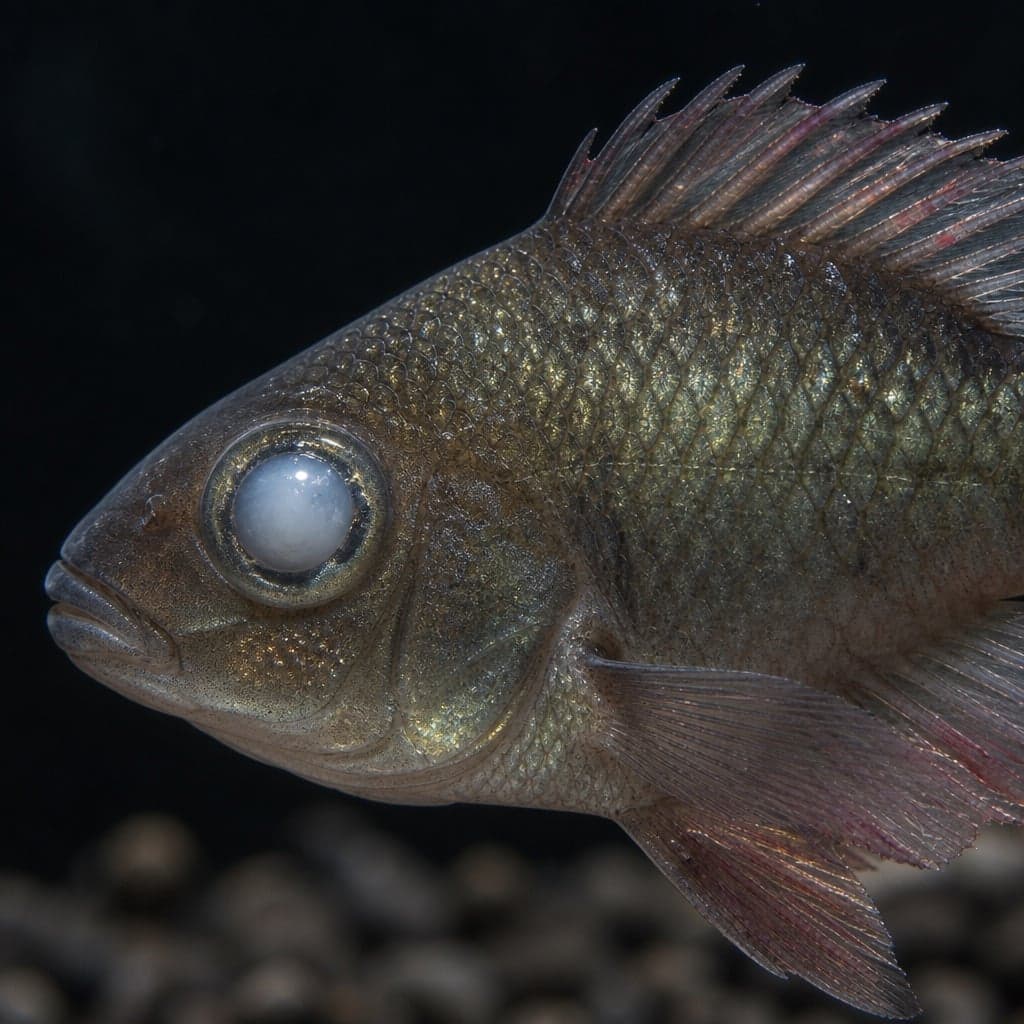
Pequenas crateras na carne acima ou atrás do olho, frequentes em ciclídeos e acarás-disco — a doença do buraco na cabeça, ligada a Hexamita e estresse prolongado. Compare seu peixe com a foto de referência acima e confira os parâmetros registrados no Rastreador de Aquário antes de medicar.
O que causa buracos ou lesões na cabeça?
- Nitrato e matéria orgânica dissolvida cronicamente elevados
- Hexamita, um protozoário interno que prolifera sob estresse
- Dieta pobre, sem variedade ou vitaminas
- Carvão ativado e corrente elétrica parasita são às vezes apontados, embora a evidência seja debatida
O que verificar antes de medicar
| O que medir | Alvo típico | O que um valor fora do alvo indica |
|---|---|---|
| Nitrato (NO₃⁻) | 5–20 ppm plantado · abaixo de 10 ppm em recife | Nitrato subindo indica mais resíduo entrando do que as trocas de água e as plantas exportam. Perto de zero em um aquário plantado, as plantas passam fome e as algas levam vantagem. |
| Amônia (NH₃/NH₄⁺) | 0 ppm | Qualquer valor acima de zero significa que o filtro biológico não está dando conta. É tóxica para os peixes muito antes de chegar a um nível que alimente algas. |
| Nitrito (NO₂⁻) | 0 ppm | Um valor acima de zero aponta para um filtro imaturo ou desestabilizado — comum após troca de mídia, medicação ou uma limpeza pesada. |
| Quantidade e frequência de alimentação | consumido em 2–3 minutos, sem sobras | Ração não consumida é a fonte oculta de nutrientes mais comum. Ela se decompõe fora da vista, no substrato e na mídia filtrante. |
| Filtragem e circulação | sem pontos mortos; mídia limpa conforme a rotina | Áreas de pouca circulação acumulam detritos e é onde muitos problemas começam. Mídia entupida reduz a vazão real bem antes de parecer suja. |
| Lotação e companheiros | espécies compatíveis, grupos adequados | Cardumes pequenos demais, machos demais ou vizinhos agressivos produzem estresse crônico, que precede boa parte das doenças. |
Faça essas medições primeiro. Boa parte do que parece doença é um problema de qualidade da água, e medicar um aquário com amônia subindo trata o sintoma enquanto a causa continua agindo.
Passos do tratamento
- Baixe o nitrato com trocas de água maiores e mais frequentes — só isso muitas vezes interrompe a progressão
- Melhore a variedade e a qualidade da dieta, incluindo alimentos enriquecidos com vitaminas
- Reduza a aglomeração e a agressão, que sustentam o estresse de fundo
- As crateras existentes cicatrizam devagar e podem deixar marca mesmo após a causa ser corrigida
- Casos avançados normalmente exigem tratamento antiprotozoário direcionado sob orientação especializada
Prevenção
- Ofereça uma dieta variada e rica em vitaminas — a nutrição de longo prazo importa mais aqui do que qualquer tratamento
- Reduza o estresse crônico: parâmetros estáveis, esconderijos suficientes e lotação adequada à espécie
- Evite superlotação; aglomeração aumenta resíduo e estresse ao mesmo tempo
- Ofereça só o que for consumido em poucos minutos e retire o resto
Perguntas frequentes
Buracos ou lesões na cabeça: isso é contagioso para os outros peixes?
Não muito. Em geral está ligado a dieta, qualidade da água e estresse prolongado, e não a transmissão.
Com que rapidez preciso agir?
Não é urgente, mas não ignore. A progressão é lenta e a reversão depende de mudanças sustentadas de dieta e qualidade da água.
Devo tratar no aquário principal ou em um aquário-hospital?
Um aquário-hospital separado é preferível quando o peixe está bem o bastante para ser movido: as doses são mais fáceis de controlar e muitos medicamentos prejudicam invertebrados, plantas ou o filtro biológico. Trate no aquário principal só quando todo o aquário estiver afetado ou quando mover o peixe causar mais estresse do que o tratamento alivia.
Guias relacionados
- Magro ou definhando — facilmente confundido com isto
- Feridas abertas e úlceras — facilmente confundido com isto
- Todos os sintomas, lado a lado — se você não tem certeza do que está vendo
- Protocolo de quarentena — a origem da maioria dos surtos
- Como escolher um kit de teste — para as medições acima