Hoyos o lesiones en la cabeza: identificación y tratamiento
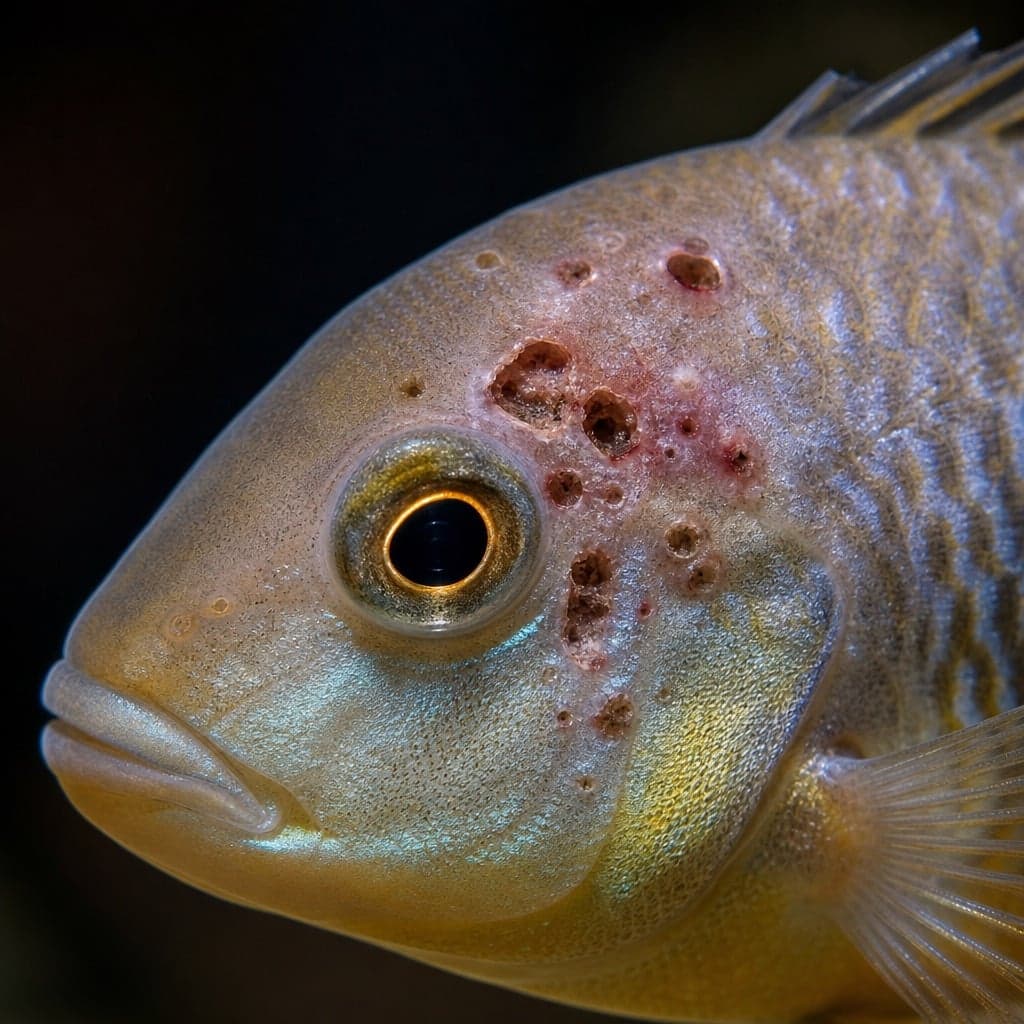
Pequeños cráteres en la carne por encima o detrás del ojo, frecuentes en cíclidos y discos: la enfermedad del agujero en la cabeza, ligada a Hexamita y al estrés prolongado.
Hoyos o lesiones en la cabeza
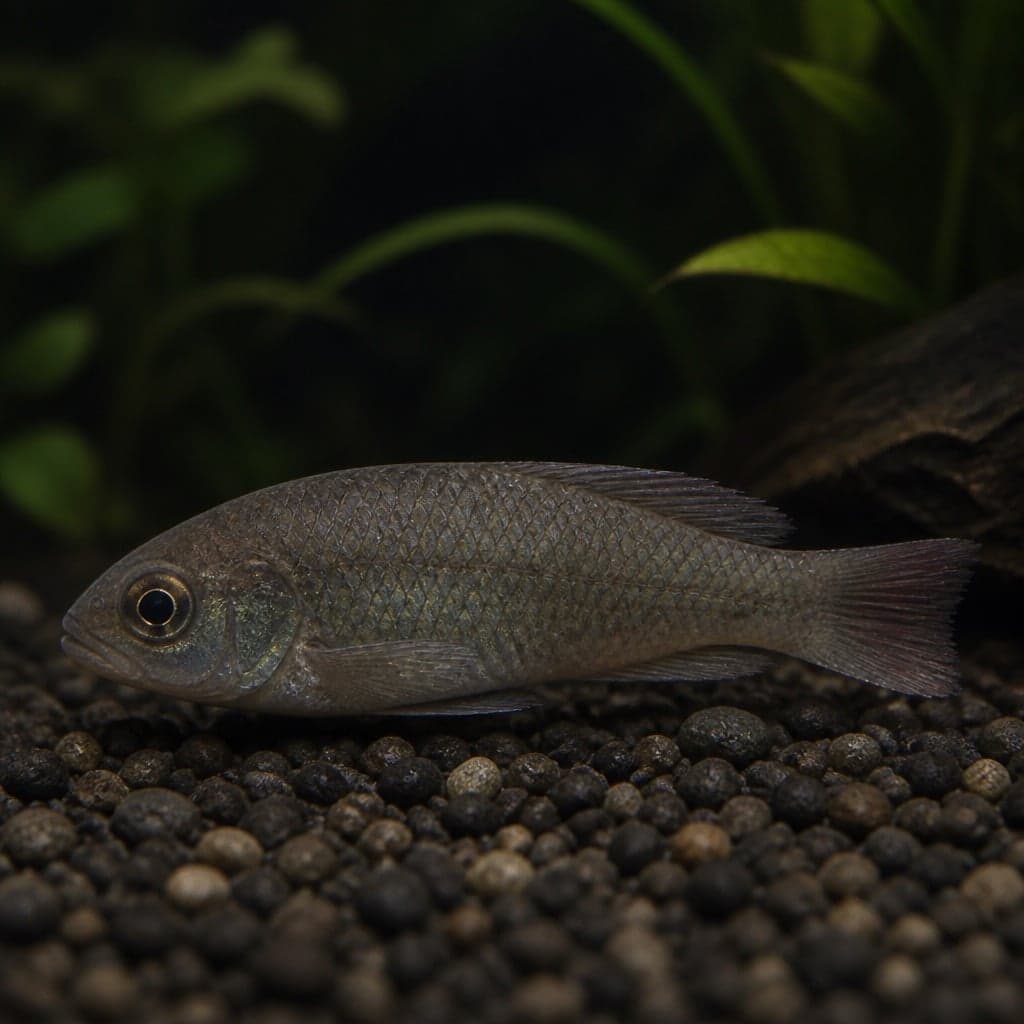
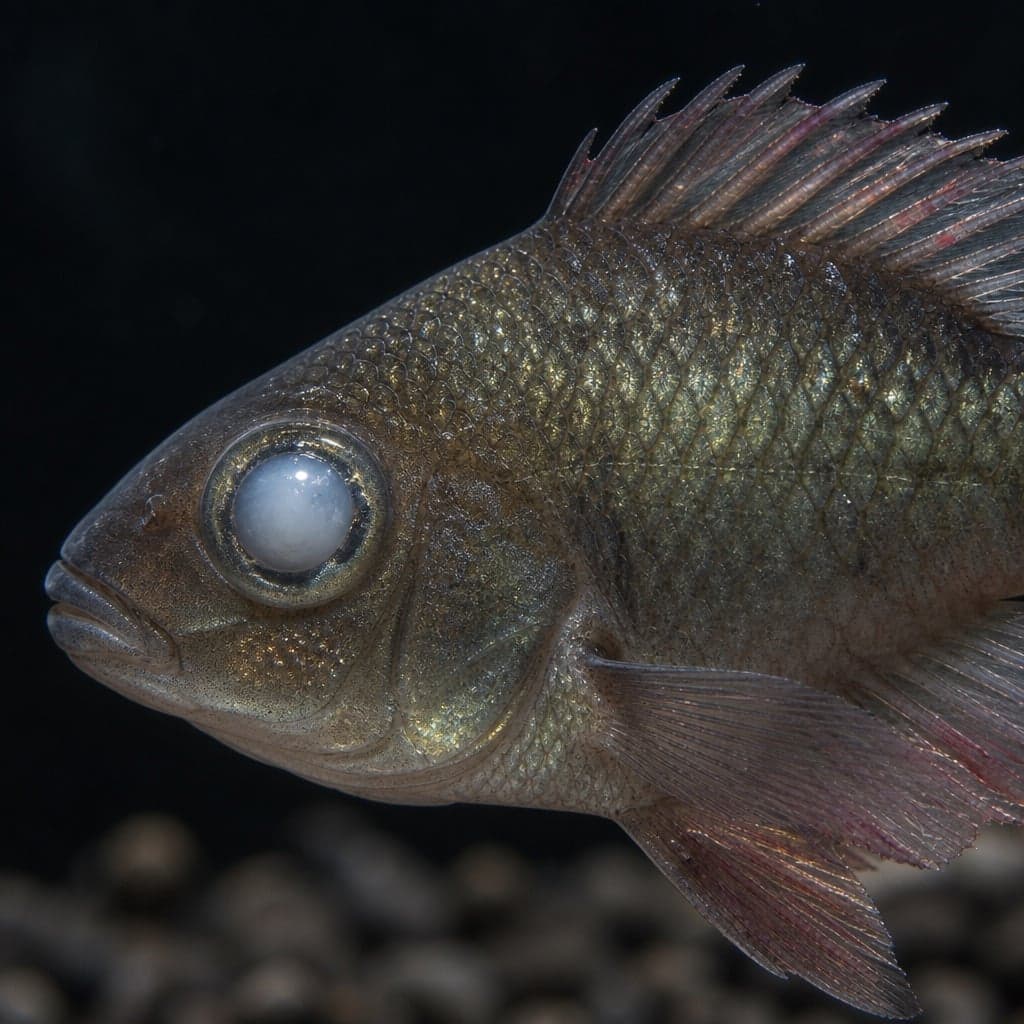
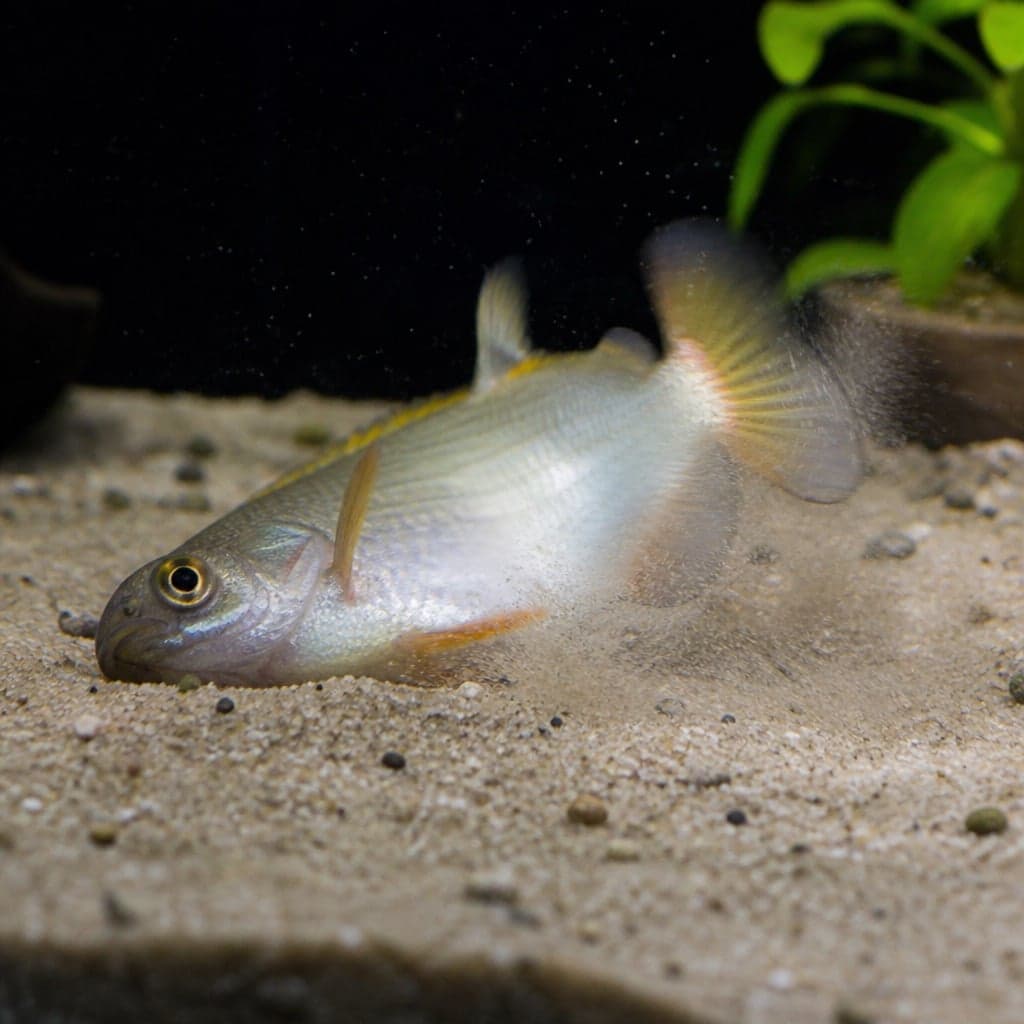
Pequeños cráteres en la carne por encima o detrás del ojo, frecuentes en cíclidos y discos: la enfermedad del agujero en la cabeza, ligada a Hexamita y al estrés prolongado. Compara tu pez con la foto de referencia de arriba y revisa los parámetros registrados en el Rastreador de Acuarios antes de medicar.
¿Qué causa hoyos o lesiones en la cabeza?
- Nitrato y materia orgánica disuelta crónicamente elevados
- Hexamita, un protozoo interno que prolifera bajo estrés
- Dieta pobre, sin variedad ni vitaminas
- A veces se implica al carbón activado y a la corriente parásita, aunque la evidencia se discute
Qué comprobar antes de medicar
| Qué medir | Objetivo habitual | Qué indica una lectura fuera de rango |
|---|---|---|
| Nitrato (NO₃⁻) | 5–20 ppm plantado · menos de 10 ppm en arrecife | Un nitrato al alza indica que entran más residuos de los que exportan los cambios de agua y las plantas. Cerca de cero en un acuario plantado, las plantas pasan hambre y las algas ganan terreno. |
| Amoníaco (NH₃/NH₄⁺) | 0 ppm | Cualquier valor por encima de cero significa que el filtro biológico no da abasto. Es tóxico para los peces mucho antes de llegar a un nivel que alimente a las algas. |
| Nitrito (NO₂⁻) | 0 ppm | Una lectura por encima de cero apunta a un filtro inmaduro o alterado: es habitual tras cambiar material filtrante, medicar o hacer una limpieza a fondo. |
| Cantidad y frecuencia de alimentación | consumido en 2–3 minutos, sin restos | La comida no consumida es la fuente oculta de nutrientes más habitual. Se descompone donde no se ve, en el sustrato y el material filtrante. |
| Filtración y circulación | sin puntos muertos; material filtrante limpio según rutina | Las zonas de poca circulación acumulan detritos y es donde empiezan muchos problemas. Un material filtrante saturado reduce el caudal real mucho antes de parecer sucio. |
| Población y compañeros | especies compatibles, grupos adecuados | Cardúmenes demasiado pequeños, exceso de machos o vecinos agresivos generan estrés crónico, que precede a buena parte de las enfermedades. |
Toma estas lecturas primero. Buena parte de lo que parece enfermedad es un problema de calidad del agua, y medicar un acuario cuyo amoníaco sube trata el síntoma mientras la causa sigue actuando.
Pasos del tratamiento
- Baja el nitrato con cambios de agua mayores y más frecuentes: solo eso a menudo detiene la progresión
- Mejora la variedad y la calidad de la dieta, incluidos alimentos enriquecidos con vitaminas
- Reduce el hacinamiento y la agresión, que sostienen el estrés de fondo
- Los hoyos existentes cicatrizan despacio y pueden dejar marca aunque se corrija la causa
- Los casos avanzados suelen necesitar tratamiento antiprotozoario dirigido con orientación especializada
Prevención
- Ofrece una dieta variada y rica en vitaminas: aquí la nutrición a largo plazo importa más que cualquier tratamiento
- Reduce el estrés crónico: parámetros estables, refugio suficiente y una población adecuada a la especie
- Evita la sobrepoblación; el hacinamiento sube los residuos y el estrés a la vez
- Da solo lo que se coma en unos minutos y retira el resto
Preguntas frecuentes
Hoyos o lesiones en la cabeza: ¿esto es contagioso para mis otros peces?
No demasiado. Suele estar ligado a la dieta, la calidad del agua y el estrés prolongado más que a la transmisión.
¿Con qué rapidez tengo que actuar?
No es urgente, pero no lo ignores. La progresión es lenta y revertirla depende de cambios sostenidos en dieta y calidad del agua.
¿Trato en el acuario principal o en un acuario hospital?
Un acuario hospital aparte es preferible cuando el pez está lo bastante bien para moverlo: las dosis son más fáciles de controlar y muchos medicamentos dañan a invertebrados, plantas o al filtro biológico. Trata en el principal solo cuando esté afectado todo el acuario o cuando mover al pez añada más estrés del que quita el tratamiento.
Guías relacionadas
- Delgadez o consunción — se confunde fácilmente con esto
- Llagas abiertas y úlceras — se confunde fácilmente con esto
- Todos los síntomas, uno al lado del otro — si no tienes claro qué estás viendo
- Protocolo de cuarentena — el origen de la mayoría de los brotes
- Cómo elegir un kit de análisis — para las lecturas anteriores