Marine Parasites & Health: Diagnosis and Treatment
The \"Big Three\" marine parasites: A guide to Marine Ich, Velvet, and Brooklynella. Master quarantine protocols and the 76-day fallow period for reef safety.
Marine Parasites & Health
In the closed ecosystem of a saltwater aquarium, parasites can multiply at an alarming rate. Because marine fish are often more sensitive than freshwater species, a minor outbreak can become a terminal event in days. Understanding the "Big Three" marine parasites—Ich, Velvet, and Brook—is essential for every saltwater hobbyist.
The "Big Three" Marine Parasites
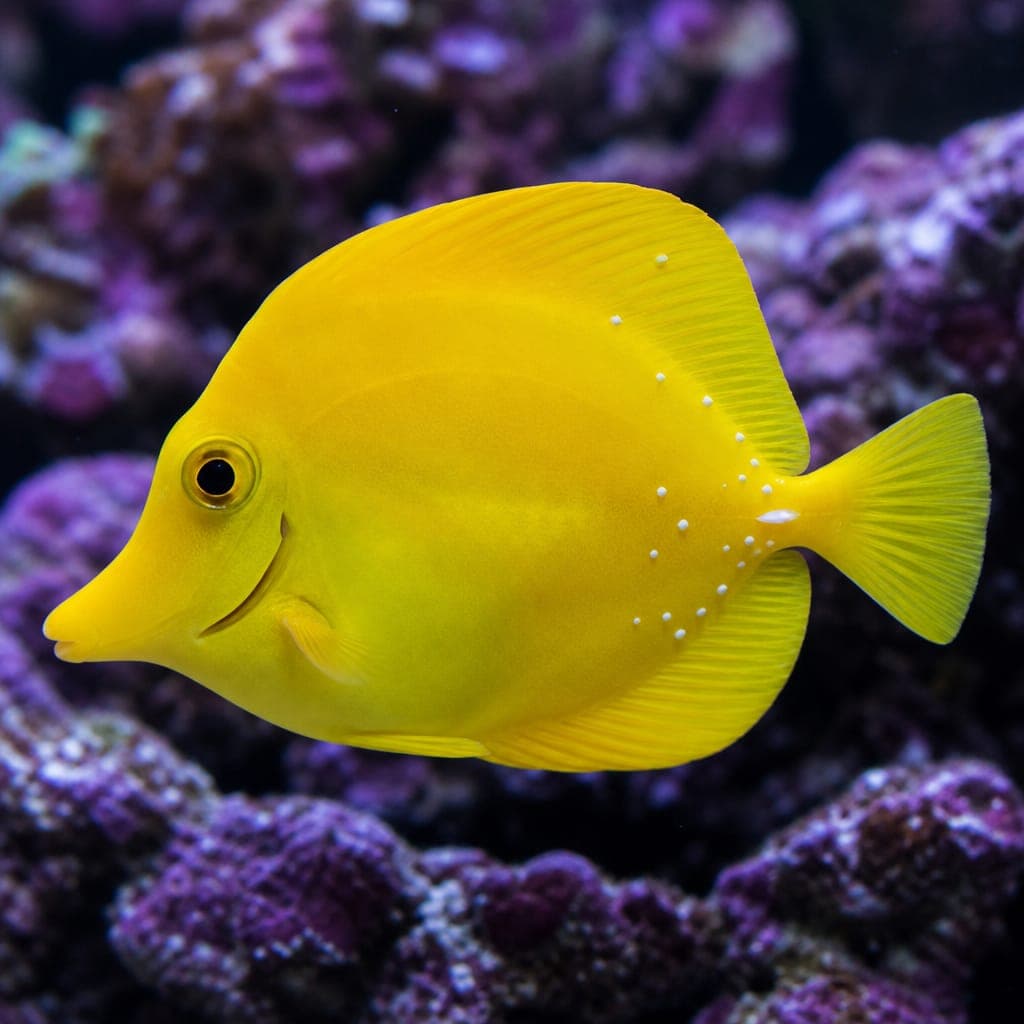
1. Marine Ich (Cryptocaryon irritans)
Often confused with its freshwater namesake, Marine Ich appears as small, white, salt-like spots on the skin and fins.
- Symptoms: Flashing (scratching), localized white spots, rapid breathing.
- Severity: Moderate but fatal if untreated over weeks.
2. Marine Velvet (Amyloodinium ocellatum)
Much more dangerous than Ich, Velvet looks like a fine gold or grey dust or "velvet" coating on the fish.
- Symptoms: Extreme lethargy, sensitivity to light, rapid gill movement, and sudden death.
- Severity: Critical. Can wipe out a tank in 24-48 hours.
3. Brooklynella ("Brook")
Commonly known as "Clownfish Disease," Brook is a ciliate that causes excessive mucus production.
- Symptoms: Peeling skin, thick white mucus, and rapid decline.
- Severity: High. Specifically targets Clownfish and Anthias.
Treatment Protocols
The Quarantine (QT) Method
The most effective way to treat Marine parasites is in a separate bare-bottom tank. Never treat your main reef tank with copper, as it will kill corals and invertebrates.
- Copper (Ionic or Chelated): The gold standard for Ich and Velvet. Requires precise testing (using a Hanna Checker) to maintain levels between 2.0 and 2.5 ppm for 30 days.
- CP (Chloroquine Phosphate): A highly effective alternative for Velvet and Brook, though it can be harder to source.
- Hyposalinity: Lowering the salinity (Specific Gravity to 1.009) for 30 days can kill Ich naturally, but it does not work for Velvet.
The "Fallow" Period
If your tank has an outbreak, it is not enough to just treat the fish. The parasites' cysts live in the sand and on the rocks.
- Rule: Your main display tank must remain "fallow" (fishless) for 76 days to ensure the lifecycle of Marine Ich is fully exhausted without a host.
Prevention & Biosecurity
Proactive Quarantining
Expert marine hobbyists quarantine for 15-30 days before adding any fish to their display. This "observation period" allows you to catch symptoms before the parasite enters your main ecosystem.
Freshwater Dips
A 5-minute dip in temperature-matched freshwater can provide temporary relief for fish heavily burdened by parasites, as the osmotic shock causes many parasites to burst.
Summary: Vigilance is Key
Saltwater livestock is a significant investment. By understanding these parasites and maintaining strict biosecurity protocols, you can ensure your marine ecosystem remains healthy and vibrant for years to come.