Prevention: The Best Cure
Biosecurity and prevention: Strengthening your aquarium's first line of defense. Learn how environmental stability and stress management prevent 90% of diseases.

Prevention: The Best Cure
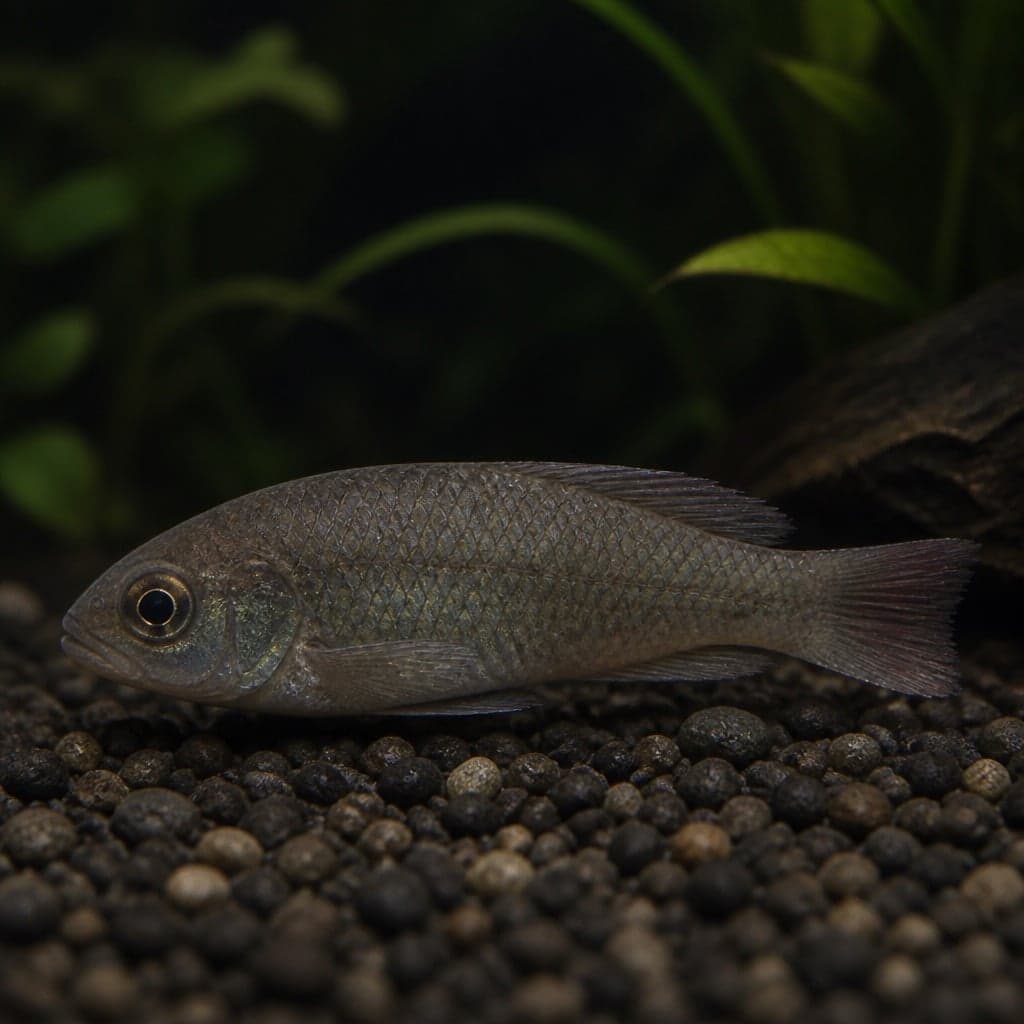
In the aquarium hobby, 90% of diseases are the result of environmental stress. While medications exist, the most effective ''treatment'' is maintaining a stable, clean environment that allows your fish's natural immune system to do its job.
The Stress-Disease Connection
Fish are constantly surrounded by opportunistic pathogens (bacteria, fungi, and parasites) that are naturally present in every aquarium.
- In a healthy tank: The fish's immune system (specifically its slime coat) prevents these pathogens from taking hold.
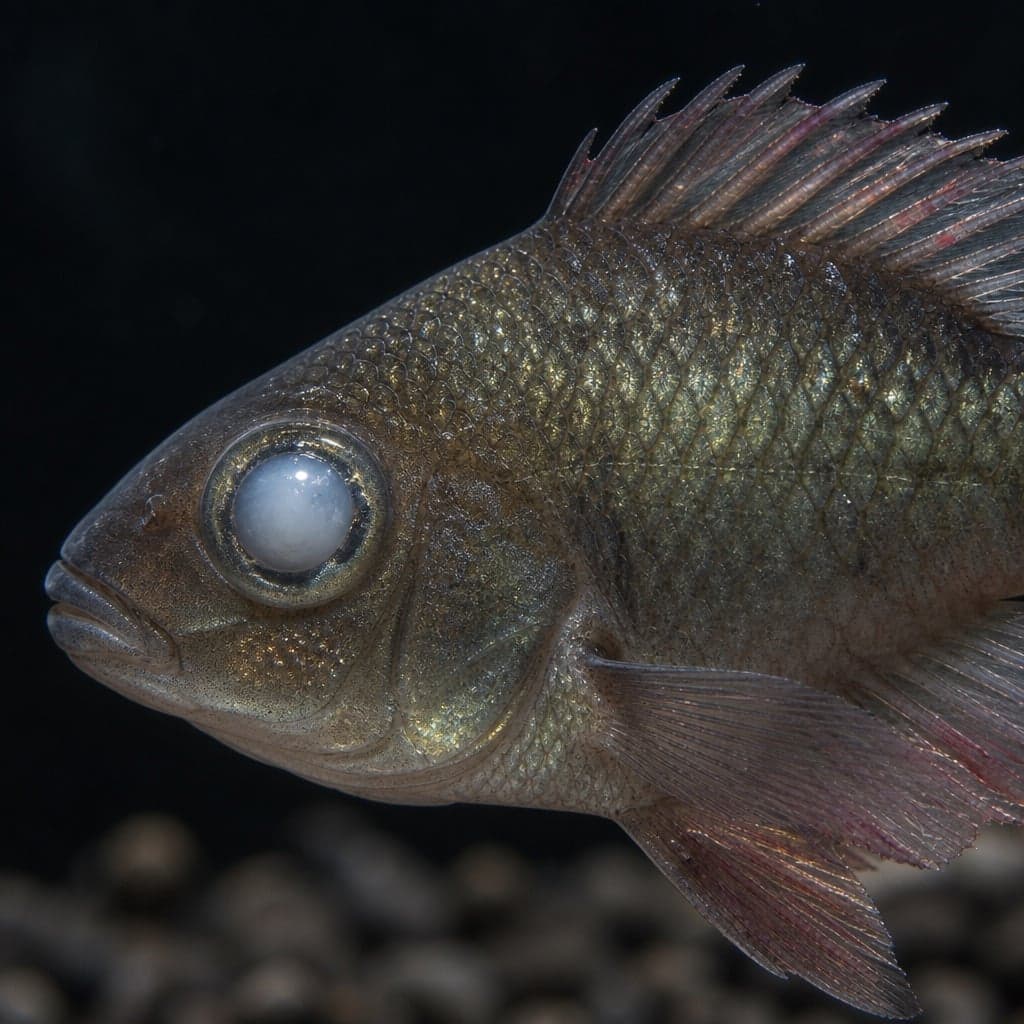
- In a stressed tank: Stress hormones cause the immune system to weaken, allowing pathogens to infect the fish.
Primary Stress Factors
1. Water Quality (The Silent Killer)
Ammonia and Nitrite are toxic even in low amounts, causing chemical burns on the gills and skin. Nitrate, while less toxic, suppresses immune function at high levels (>40ppm).
- Prevention: Regular water changes and a properly cycled, oversized filter.
2. Temperature Fluctuations
Rapid changes in temperature are particularly stressful. This is why Ich outbreaks are common after a large water change where the new water was too cold.
- Prevention: Use a reliable heater (or two smaller heaters for redundancy) and match the temperature of new water within 1-2 degrees.
3. pH Instability
Fish can adapt to a wide range of pH levels, but they cannot adapt to a swinging pH.
- Prevention: Use natural buffers (like crushed coral or driftwood) rather than ''pH Down'' chemicals, which often cause dangerous bounces.
4. Social Stress
Aggressive tank mates or overcrowding causes chronic stress, leading to ''wasting disease'' or lowered resistance.
- Prevention: Research compatibility and provide plenty of visual breaks (plants/rocks).
The Preventive Toolkit
- High-Quality Diet: Feed varied foods rich in vitamins and minerals.
- UV Sterilizers: Highly effective at killing free-swimming parasites (Velvet/Ich) and bacterial pathogens.
- Low Light Rest: Ensure a 8-10 hour dark period every night to allow fish to rest.
- Regular Maintenance: Don't let detritus build up in the substrate, as it becomes a breeding ground for harmful bacteria (Saprolengia/Aeromonas).
Summary: Your Biosecurity Checklist
- Weekly 20-30% water changes.
- Monthly filter maintenance (rinsing in tank water).
- Daily observation for abnormal behavior.
- Strict quarantine for all new arrivals.
- Avoid overstocking.
Consistent water quality and low stress keep pathogens from gaining a foothold—treat this checklist as routine biosecurity, not a one-time setup step.