Feeding Schedules & Best Practices
Optimizing fish feeding schedules: From community tanks to large cichlids. Master the \"2-minute rule,\" the benefits of fasting days, and vacation management.

Feeding Schedules & Best Practices
Consistency and moderation are the pillars of a successful feeding routine. Understanding the specific needs of your fish and maintaining a disciplined schedule will lead to a cleaner tank and healthier inhabitants. Most water-quality problems that hobbyists blame on filtration start as leftover food and the nitrate climb that follows.
How Often Should You Feed?
The ideal frequency depends heavily on the species' natural behavior and metabolic rate. Small, active midwater fish burn through meals quickly and do well on one or two modest portions. Large predatory cichlids digest slowly and often stay healthier with a day between heavy meals. Grazers and nocturnal species need food available when they actually forage — a morning flake dump that disappears before lights-out helps nobody at the bottom of the tank.
| Fish Type | Recommended Frequency | Rationale |
|---|---|---|
| Community (Tetras, Rasboras) | 1-2 times daily | High activity, small stomachs. |
| Large Cichlids (Oscars, Jacks) | once daily or every other day | Large meals take longer to digest. |
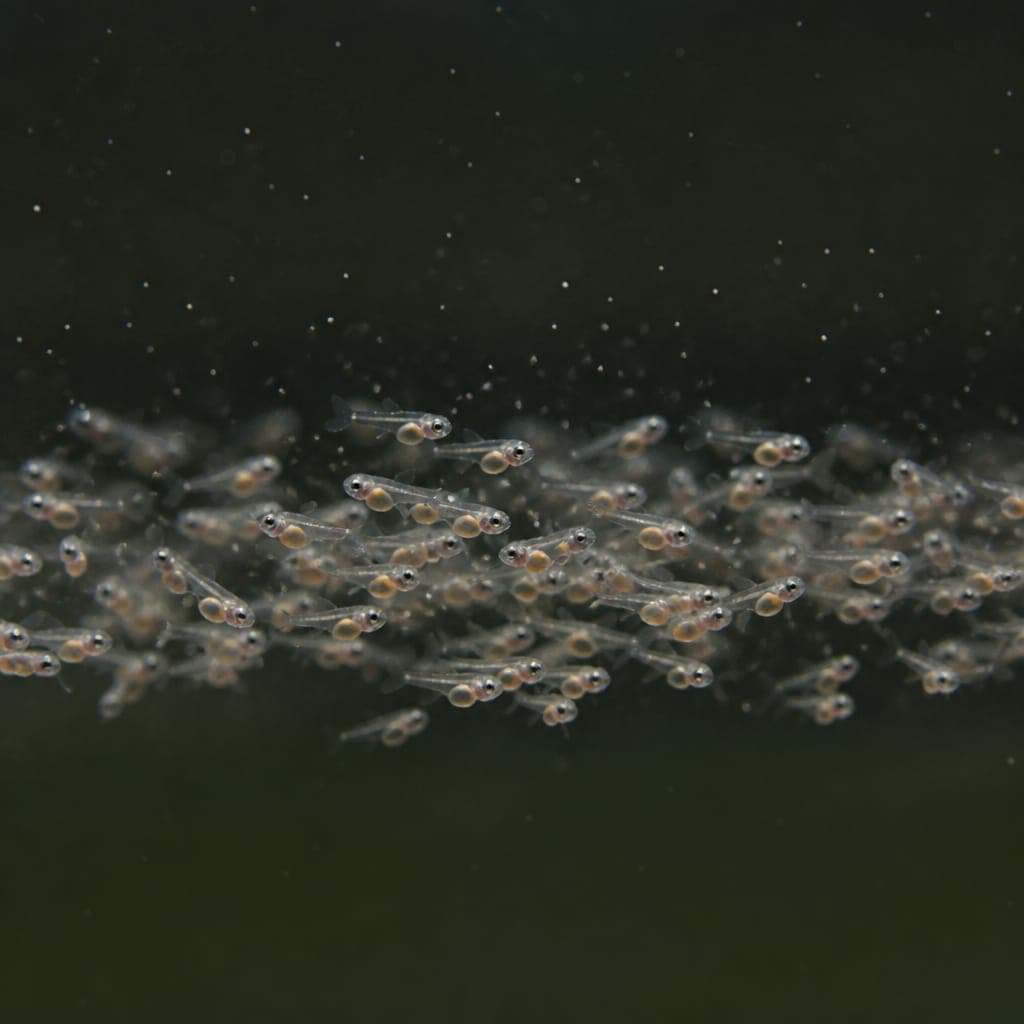
| Fry (Newborns) | 4-6 times daily | Growing rapidly, need constant energy. |
| Grazers (Plecos, Otos) | Once daily (evening) | Nocturnal feeders; need time to rasp. |
Rotate dry food with frozen or blanched vegetable offerings so nutrition stays broad without raising the daily volume. Herbivores need plant matter most days; carnivores need protein quality more than constant snacks. Match food size to the smallest mouth in a community so shy fish are not left picking crumbs while dominant fish gorge.
Feeding schedules fail most often when the clock is rigid and the tank is mixed. A lunchtime flake drop suits tetras but leaves nocturnal plecos and otocinclus waiting for food that never reaches the glass after lights-out. Split the day: a small daytime portion for midwater fish, then an evening wafer or blanched vegetable after the lights dim for bottom grazers. In community tanks, that second meal is usually more important than raising the morning dose — leftovers from one crowded surface feed do not equal nutrition for the fish that only forage at night.
The ''Golden Rules'' of Feeding
- The 2-Minute Rule: Feed only what the fish can completely finish in two minutes. Any food left after this time should be removed to prevent water pollution.
- Observation is Key: Use feeding time to count your fish and check for signs of disease or stress. A fish refusing food is often the first sign of trouble.
- Fasting Days: Many experts recommend skipping feeding one day a week (e.g., ''Fast Sunday''). This helps the fish clear their digestive tracks and encourages them to forage for leftovers.
A weekly fast is optional for fry and underweight fish, but useful for adults in heavily stocked tanks. If fish still look thin after a week of measured portions, increase meal quality or frequency slightly rather than dumping extra flakes at once — surplus food feeds algae and pests long before it helps the fish.
Managing Vacations
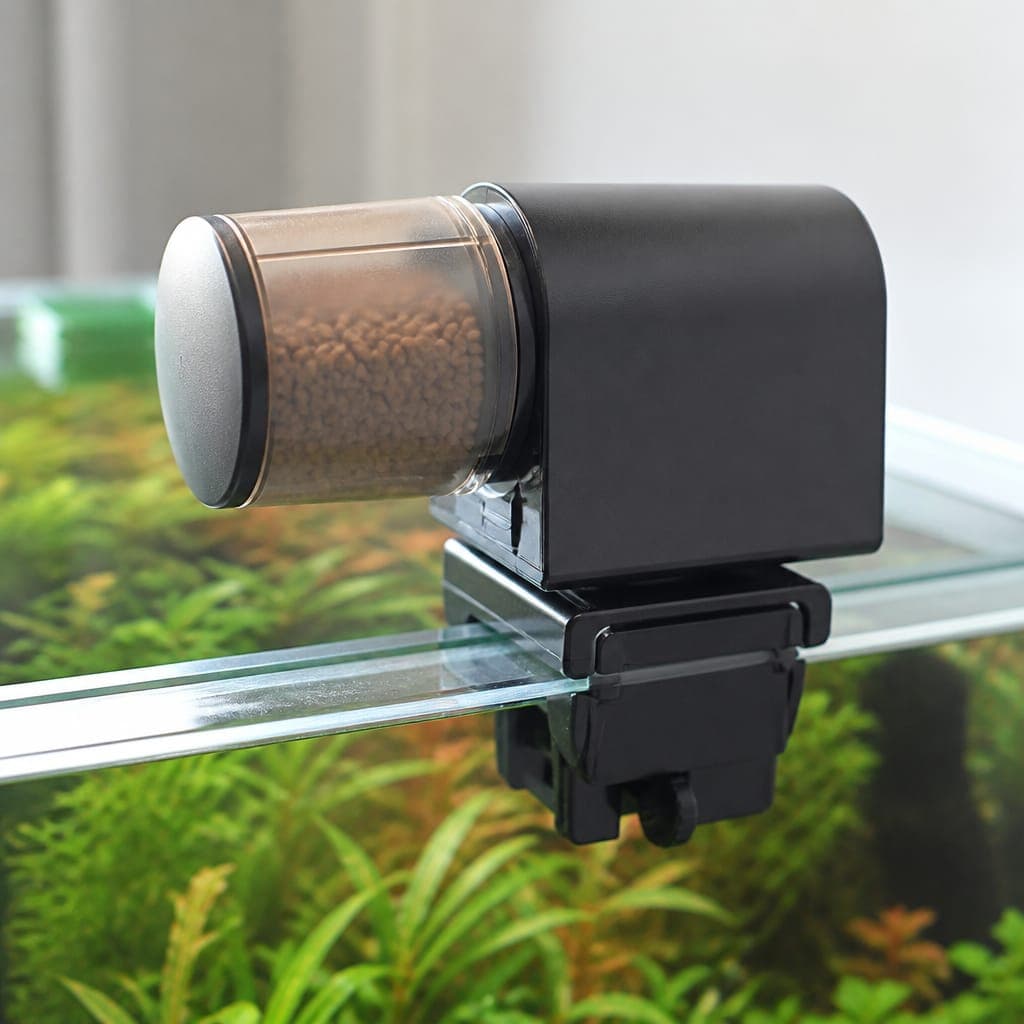
One of the most common mistakes is overfeeding right before a trip or using ''vacation blocks'' that can dissolve and crash the water quality. Healthy adult community fish routinely handle two to three days without food. For longer trips, an automatic feeder set to a cautious minimum dose, or a friend given pre-portioned packets, beats a dissolving feeder block every time.
- 1-3 Days Away: Most healthy adult fish can safely go 3 days without food. No action required.
- 4-7 Days Away: Adult fish are still generally fine, but you may want to use an automatic feeder set to a cautious minimum dose.
- Over 1 Week: Use a reliable automatic feeder or have a trusted friend visit. Pro Tip: If having a friend feed, pre-portion the food into pill organizers so they cannot accidentally overfeed.
Signs of Overfeeding
- Cloudy Water: Bacterial blooms from excess organic waste.
- Algae Outbreaks: Excess phosphates and nitrates from decaying food.
- Frequent Filter Clogging: Thick sludge buildup.
- Snail or Planaria Explosions: Pests thriving on the surplus ''free'' food.
If those signs appear, cut portions first and increase water changes for a week before changing equipment. Overfeeding is cheaper to reverse than an algae outbreak chased with chemicals while the same food load continues.