Common Plec: Pterygoplichthys pardalis
The infamous "sucker fish" that grows enormous. Often irresponsibly sold to beginners with small tanks.

Common Plec
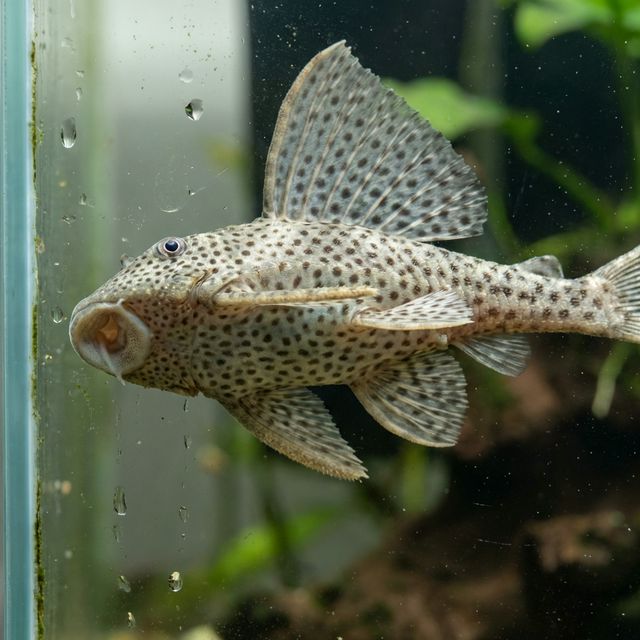
The Common Plec, scientifically known as Pterygoplichthys pardalis, is a popular freshwater fish that has captivated aquarium enthusiasts for decades. With its distinctive armored appearance and a wide range of colors that can vary from a brownish hue with dark spots to a striking yellow, this fish can be a stunning addition to any aquarium. While primarily known for its visually appealing traits, the Common Plec also plays a significant role in maintaining a healthy aquatic environment by performing algae control, making it a highly valued fish among aquarists.
One of the distinguishing features of the Common Plec is its unique body structure, characterized by a flattened underside and bony plates, which serve as armor against predators. Originally hailing from the rivers and streams of South America, these fish have become both a staple and a favorite for tropical freshwater aquariums globally. Their adaptability to various water conditions and their relatively peaceful personality, combined with the ability to grow up to 24 inches in length, makes them a fascinating species for both novice and experienced aquarium keepers.
Natural Habitat & Origin
The Common Plec is native to the rivers and waterways of South America, particularly the Amazon River basin, as well as the Orinoco and Paraguay river systems. In its natural habitat, the Common Plec resides in areas with slow-moving waters, typically characterized by muddy or sandy substrates. The environmental conditions here include a mix of blackwater and clearwater, providing plenty of hiding spots among submerged rocks, driftwood, and aquatic vegetation. These environments support a rich diversity of life and allow the Common Plec to thrive in its natural ecosystem.
These fish tend to favor marginal areas of rivers and streams where they can access both shelter and food sources. The natural habitat influences their behavioral patterns, making them primarily nocturnal grazers, which is essential to consider when recreating their environment in captivity.
Care Requirements
Caring for a Common Plec requires specific water parameters to ensure its health and longevity. Ideally, the aquarium should maintain a pH range of 6.5 to 8.0, with a temperature between 75°F to 82°F (24°C to 28°C). Water hardness should be kept between 5 to 20 dGH, providing the necessary minerals for the fish's well-being. Given their potential size, it is recommended to have a minimum tank size of 75 gallons for a single adult Common Plec to allow ample space for swimming and grazing.
In terms of tank setup, a soft, sandy substrate is preferred, as it allows the Common Plec to forage naturally. Incorporating driftwood and caves will provide hiding places and stimulate natural behaviors. Lighting should be moderate; low light levels can help create a more natural environment. Additionally, live plants can be included; however, it’s crucial to ensure the plants are robust as the Common Plec may occasionally uproot or nibble on softer varieties.
Diet & Feeding
The Common Plec is primarily an omnivore, requiring a varied diet to maintain its health and vibrancy. In captivity, their diet should consist of high-quality sinking pellets and flakes specifically formulated for herbivorous fish. Supplementing their diet with fresh vegetables such as zucchini, cucumber, and spinach can enhance their nutritional intake. Frozen or freeze-dried foods like bloodworms or brine shrimp may be offered occasionally, though care should be taken to not overfeed, as this can lead to digestive problems.
Feeding should occur in the evening, as Common Plecs are often nocturnal grazers. Offering a balanced diet will not only promote their growth but also help maintain their energy levels and ensure they perform their natural role as algae eaters effectively.
Behavior & Temperament
The Common Plec generally exhibits a peaceful temperament, making it suitable for community tanks. This species is known to be semi-social and can cohabit well with other fish. However, they may display territorial behavior, particularly as they mature, and are more likely to be aggressive towards their own kind, especially males. The Common Plec is typically a bottom-dwelling fish but can often be seen venturing into the middle levels of the tank in search of food.
Understanding their vertical placement is essential for ensuring a harmonious tank environment. While they may not specifically school, keeping them with a variety of species allows them to feel secure, encouraging their natural foraging behavior. Providing enough hiding spots can reduce territorial disputes in larger community setups.
Tank Mates
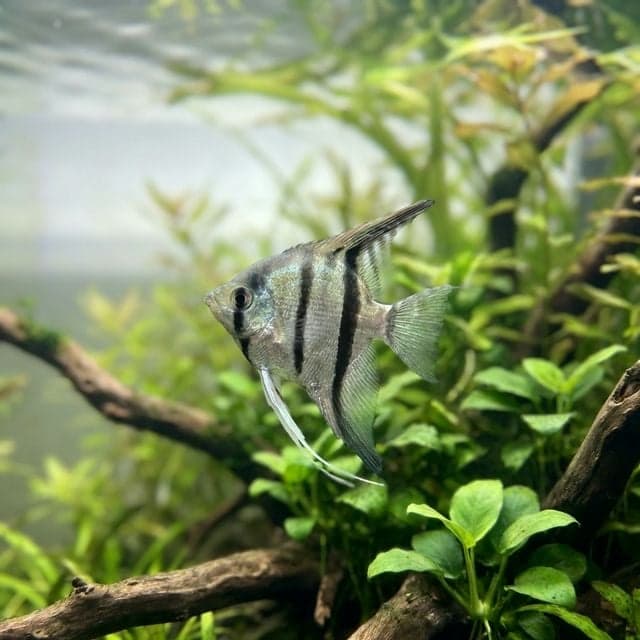
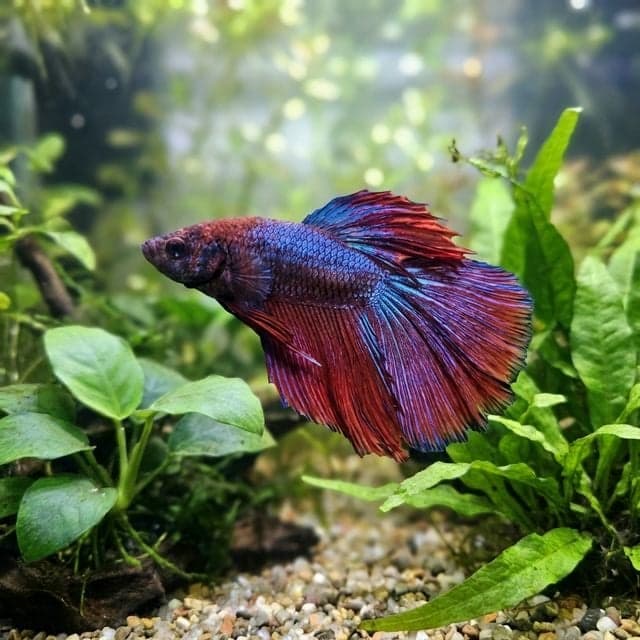
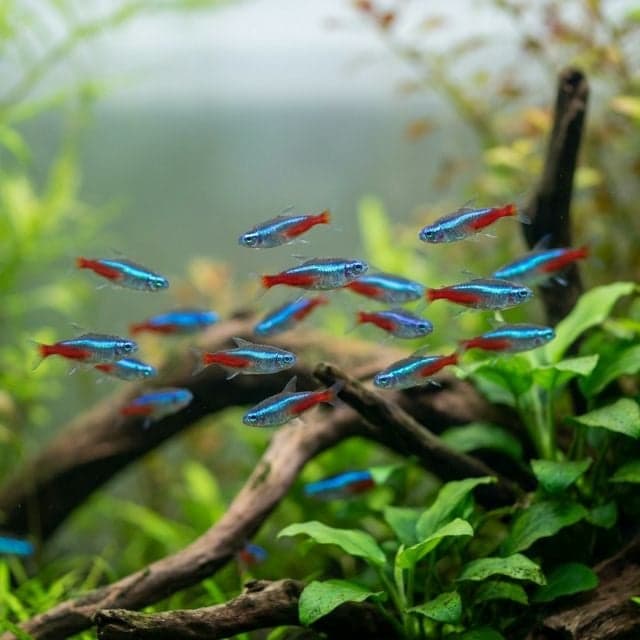
When selecting tank mates for the Common Plec, it’s important to choose species that share similar water parameter needs and are generally non-aggressive. Suitable companions might include larger tetras, peaceful cichlids, danios, and other community fish. However, smaller species that are overly active or fin-nippers should be avoided, as they can stress the Common Plec. Species such as bettas or angelfish may also pose a risk due to fin nipping or aggression during breeding seasons.
In terms of tank compatibility, larger catfish species can sometimes deter the Common Plec from accessing feeding zones, so they should be carefully monitored to ensure a peaceful coexistence. Overall, creating a diverse environment with a mix of adequate tank mates will help the Common Plec thrive in a community aquarium.
Breeding
Breeding the Common Plec in captivity can be challenging but is achievable under the right conditions. Spawning typically occurs in a cave or crevice environment within the aquarium, as the males will seek out secluded spots to attract females. To stimulate breeding behavior, it is essential to mimic their natural environment, which includes providing a stable, slightly warmer temperature of around 78°F to 82°F (25°C to 28°C) as well as ensuring high water quality.
Once mating occurs, the female will usually lay adhesive eggs on the surfaces within the chosen breeding cave. The male will then guard the eggs diligently, fanning them with his fins to provide aeration. Post-hatching, the fry will remain in the cave until they are large enough to venture out, relying on their yolk sacs for nutrition initially. Successful breeding may require the use of quality foods and stable water conditions for both the parents and the fry.
Common Health Issues
While generally hardy, Common Plecs can be susceptible to a variety of health issues typical of freshwater fish. One common concern is ich (Ichthyophthirius multifiliis), a parasitic disease characterized by white spots on the fish's body and fins. Maintaining stable water parameters and good tank hygiene practices can help prevent outbreaks. Other potential health issues include skin flukes, fin rot, and nutritional deficiencies, particularly if their diet is not sufficiently varied.
Regular check-ups and observations can help identify signs of stress or illness early on. Quarantining new arrivals for several weeks can also prevent the spread of diseases. Ensuring proper tank conditions, such as filtration and regular water changes, is crucial in minimizing health risks and keeping the Common Plec healthy and vibrant.