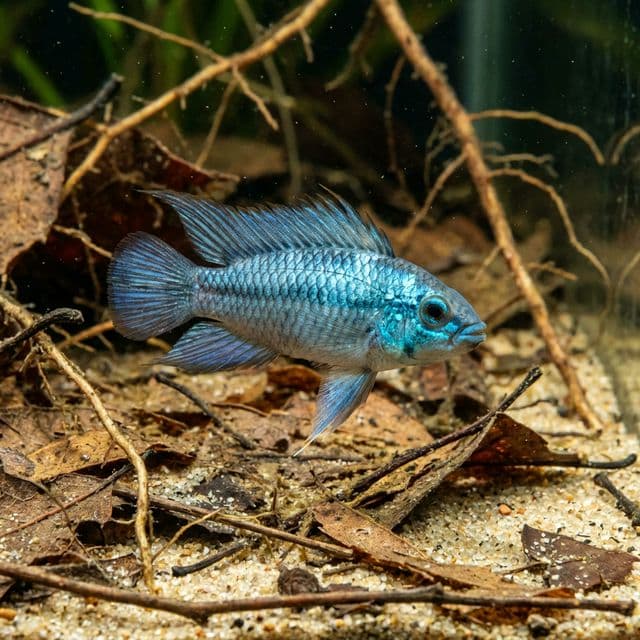
The African Butterfly Fish: Pantodon buchholzi
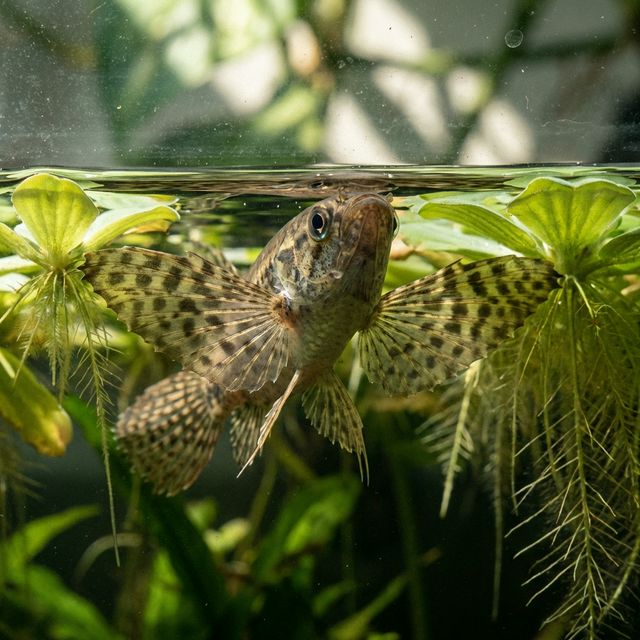
A surface-dwelling predator that looks like a floating leaf or moth. Unique wing-like fins allow it to jump to catch prey.
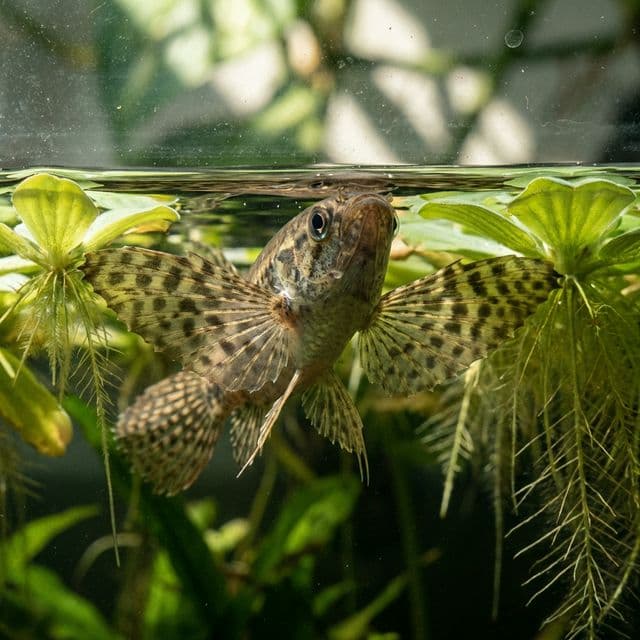
African Butterfly Fish
The African Butterfly Fish (Pantodon buchholzi) is an extraordinary freshwater fish native to the African continent, particularly the rivers and lakes of the Congo Basin. This unique species is celebrated for its striking appearance, characterized by a flattened body and broad, wing-like pectoral fins that evoke the image of a floating butterfly in the water. Its coloration ranges from a shimmering bluish-green to a pale brown, often adorned with intricate patterns and dark spots that provide excellent camouflage against its natural surroundings. The African Butterfly Fish has become increasingly popular in the aquarium hobby, cherished not only for its beauty but also for its fascinating behaviors and graceful swimming patterns that animate any aquascape.
Beyond its aesthetic allure, the African Butterfly Fish holds a particular significance in the aquarium community. Its distinct features and surface-dwelling habits make it a centerpiece in many aquariums, attracting both novice and experienced aquarists alike. The species is also known for its unique ability to leap out of the water to catch insects, a behavior that adds to its quirky charm. However, this fascinating fish requires a thoughtfully designed habitat to thrive, making it an engaging challenge for aquarists aiming to replicate its natural environment and care for this remarkable species.
Natural Habitat & Origin
The African Butterfly Fish is indigenous to the freshwater systems of Central Africa, mainly found in the slow-moving waters of rivers, swamps, and lakes, particularly in the Congo River Basin. These environments are typically characterized by blackwater conditions, which are defined by stained, acidic waters rich in tannins from decaying organic matter. This unique habitat influences several key factors regarding its care and compatibility in an aquarium setting. The fish thrives in warm waters with limited light penetration, often surrounded by floating vegetation and submerged woody debris that provide shelter and hunting grounds for elusive surface insects.
The natural origin of the African Butterfly Fish is primarily in regions where aquatic vegetation is abundant, and thus it is essential for hobbyists to emulate these features when establishing a suitable aquarium environment. These fish are accustomed to life in low-light conditions with minimal water movement, serving as both hunter and prey in a delicate ecosystem. Understanding the natural habitat and environmental context of Pantodon buchholzi is crucial for creating a healthy and sustainable home in captivity and ensuring their well-being and longevity.
Care Requirements
When setting up an aquarium for the African Butterfly Fish, attention to water parameters is paramount. The ideal water conditions include a temperature range of 75°F to 82°F (24°C to 28°C), with a pH level between 6.0 and 7.5, reflecting the slightly acidic to neutral waters of their natural habitat. Hardness should be kept low to moderate, ideally between 1 to 8 dGH, to mimic their native blackwater environment. The recommended minimum tank size for keeping African Butterfly Fish is 30 gallons, providing ample space for swimming and exploration.
For the tank setup, a soft substrate is preferred, with decorations such as driftwood and rocks placed strategically to create hiding spots and resting areas. Lighting should be subdued to replicate their natural environment—using floating plants like duckweed or water lettuce can help diffuse the brightness and create shaded areas. Additionally, incorporating gentle filtration ensures that the water remains clean while minimizing disruptive currents. Since these fish thrive in a well-planted aquarium, using live plants will not only benefit the fish by providing cover but also contribute to overall water quality.
Diet & Feeding
The African Butterfly Fish is categorized as a carnivorous fish that primarily feeds on insects and small crustaceans in the wild. In an aquarium setting, it is crucial to replicate this natural diet to ensure optimal health. A well-rounded diet should include high-quality pellet food designed for carnivorous species, supplemented with freeze-dried or frozen foods such as bloodworms, brine shrimp, and daphnia. Live foods can also be offered occasionally for enrichment and to simulate natural hunting behavior.
Despite their carnivorous tendencies, African Butterfly Fish may accept flake foods formulated for omnivores, but these should not constitute the bulk of their diet. It’s essential to monitor their feeding habits and adjust rations appropriately to prevent overfeeding, which can lead to health issues. Feeding should be done multiple times a day in small amounts to ensure that the fish maintain a healthy weight and exhibit vibrant coloration.
Behavior & Temperament
African Butterfly Fish display a unique blend of behaviors that are both captivating and critical for their care in captivity. Unlike many fish that prefer to occupy lower levels of the aquarium, these fish are surface dwellers, making them most active in the upper strata of the tank. They tend to showcase fascinating predatory behaviors as they leap out of the water to catch insects above the surface, which can be an entertaining spectacle for observers. In terms of social behavior, African Butterfly Fish are generally peaceful but can exhibit territorial tendencies, particularly when they perceive their space is being invaded.
Although these fish can be kept alone, they prefer to be in small groups or pairs, which often alleviates stress and promotes more natural behaviors. However, care must be taken when determining their tank mates, as their temperament can vary. They are not aggressive but may become nippy towards smaller species that occupy the same water column. Providing plenty of swimming space and carefully observing their interactions can ensure a harmonious aquarium environment.
Tank Mates
Selecting appropriate tank mates for the African Butterfly Fish is essential for maintaining a peaceful aquarium ecosystem. Ideal companions include larger tetra species, peaceful cichlids, and other surface-dwelling fish that inhabit the upper levels of the tank. Some recommended tank mates include:
- African Tetras (e.g., Micropanchax brichardi)
- Rainbowfish species (e.g., Ps. furcatus)
- Larger catfish (e.g., Synodontis species)
- Peaceful cichlids like those from the African Rift Lakes
However, it is crucial to avoid smaller or fast-moving species that may be seen as prey, such as guppies, small rasboras, or bettas. Similarly, overly aggressive species can pose a threat to the African Butterfly Fish's well-being. Overall, successful community tanks hinge on choosing compatible species that share similar water requirements and temperaments while ensuring that the setup accommodates all inhabitants adequately.
Breeding
Breeding African Butterfly Fish in captivity can be a challenging yet rewarding endeavor. To encourage spawning, a separate breeding tank of at least 20 gallons is recommended, with plenty of floating plants that provide cover and a sense of security. The water temperature should be slightly raised to about 80°F (27°C), and pH levels should remain neutral to slightly acidic. For successful breeding, male African Butterfly Fish display courtship behaviors by swimming around the female while showcasing their prominent fins.
The actual spawning process generally occurs in the early morning. After fertilization, the eggs are adhesive and will attach to the vegetation or tank surfaces. It is prudent to remove the parent fish after spawning, as they may eat the eggs or fry. The eggs typically hatch within 24 to 48 hours, and the fry can be fed newly hatched brine shrimp or specialized fry food until they are large enough to accept standard fish fare. With patience and proper conditions, keeping and breeding this stunning species can add a fulfilling dimension to the aquarium hobby.
Common Health Issues
The African Butterfly Fish, while hardy, is prone to specific ailments when kept in subpar conditions. Physical injury is a primary concern; because they are powerful jumpers, a loose lid can lead to collisions, fin tears, or fatal jumps out of the tank. Poor water quality and high nitrate levels can cause fin rot and velvet disease, while stress from turbulent water flow can compromise their immune system, making them vulnerable to ich. Maintain a tightly sealed tank cover, ensure gentle surface agitation, and conduct consistent water changes to keep your butterfly fish thriving.