African Clawed Frog: Xenopus laevis
A fully aquatic frog that grows quite large. Distinct from the Dwarf Frog, this species is a predator that will eat small fish.

African Clawed Frog
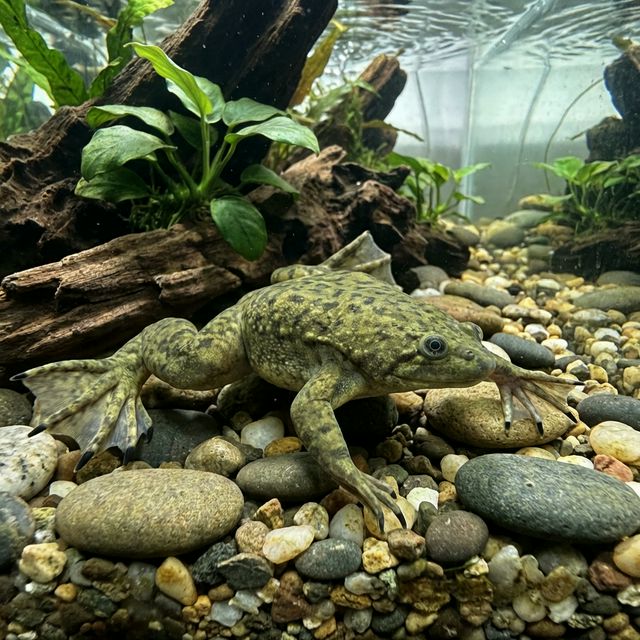
The African Clawed Frog (Xenopus laevis) is an intriguing amphibian that has garnered significant attention in the aquarium hobby community. Noted for its unique adaptations, this species is characterized by its flattened body, short limbs, and the absence of a visible tail as it matures, making it quite distinct from other aquatic creatures. These frogs are not only visually captivating with their smooth, olive-green skin but also possess an appealing ability to communicate through limb movements. Their vibrant nature and fascinating behavior contribute to their popularity in home aquariums, where they often serve as engaging pets and educational subjects for both amateur and experienced aquarists.
In addition to their aesthetic appeal, African Clawed Frogs play a crucial role in the aquarium ecosystem. They are known for their voracious appetite and can act as scavengers, helping to keep tanks clean by consuming leftover food and detritus. These frogs are also part of several biological studies, making them so significant that they are utilized in laboratories worldwide to study developmental biology, genetics, and pharmacology. Their hardiness and adaptability to various aquatic environments make them an ideal choice for hobbyists looking to introduce something unique to their tanks.
Natural Habitat & Origin
The African Clawed Frog originally hails from sub-Saharan Africa, specifically in countries such as South Africa, Botswana, and Namibia. In their natural habitat, these frogs are typically found in slow-moving or stagnant freshwater bodies, including ponds, marshes, and rivers, characterized by a muddy substrate and plenty of aquatic vegetation. These environments provide the frogs with both cover and ample hunting grounds. The water in these regions is usually slightly acidic to neutral, creating a soft, blackwater condition that is rich in organic materials and supports diverse ecosystems.
African Clawed Frogs thrive in environments where temperatures range from 18°C to 25°C (64°F to 77°F). They can endure various water types, but they favor clear water that allows good visibility for hunting and navigation. The ecological conditions of their natural habitats are important, as they influence their diets, behaviors, and overall health. Therefore, replicating these environmental conditions is critical for keeping them healthy in captivity.
Care Requirements
To provide optimal care for African Clawed Frogs, maintaining appropriate water parameters is essential. The pH of the water should range from 6.5 to 7.5, with temperatures between 22°C and 26°C (72°F-79°F). The hardness should ideally be kept around 5-15 dKH. A minimum tank size of 20 gallons is recommended for a single frog, with additional space required for more individuals. Since these frogs can produce a significant amount of waste, a robust filtration system is necessary to maintain water quality.
When setting up the tank, a soft substrate such as sand or fine gravel is ideal to prevent injury to their sensitive skin. Rock formations and various hiding spots, such as caves and PVC pipes, will help create a secure environment that mimics their natural habitat. Lighting can be moderate, as African Clawed Frogs do not require intense light; they often hide during bright conditions. Live or artificial plants provide additional cover and help in maintaining water quality by absorbing nitrates.
Diet & Feeding
The African Clawed Frog is primarily an omnivore, and its diet in captivity should reflect its natural feeding habits. They are particularly fond of protein-rich foods, making high-quality pellets or commercially prepared frog and tadpole food suitable options. However, live and frozen foods should also be included in their diet for variety and stimulation. Foods such as bloodworms, brine shrimp, and earthworms can be offered as treats.
When feeding, it is crucial to ensure that the portions are manageable, as these frogs can be quite voracious and may overeat if food is too abundant. It is advisable to feed them small amounts two to three times a week. Additionally, ensure that any uneaten food is removed promptly to maintain water quality, as leftover food can contribute to ammonia buildup and lead to health issues.
Behavior & Temperament
African Clawed Frogs exhibit a range of interesting behaviors. These frogs are primarily solitary and do not form schools, preferring to roam their territory in search of food. Although they are not inherently aggressive, they can display territorial behavior, especially during feeding times or when defending their chosen hiding spots. They possess a curious nature and may often be observed swimming or burrowing in the substrate.
In terms of tank placement, African Clawed Frogs prefer the vertical space of the tank, often swimming to various depths and exploring the substrate. They are quite adept at climbing, so ensure that any tank covers are secure. While they may occasionally show some competition for food, they can coexist peacefully with appropriate tank mates, provided there is enough space and resources to go around.
Tank Mates
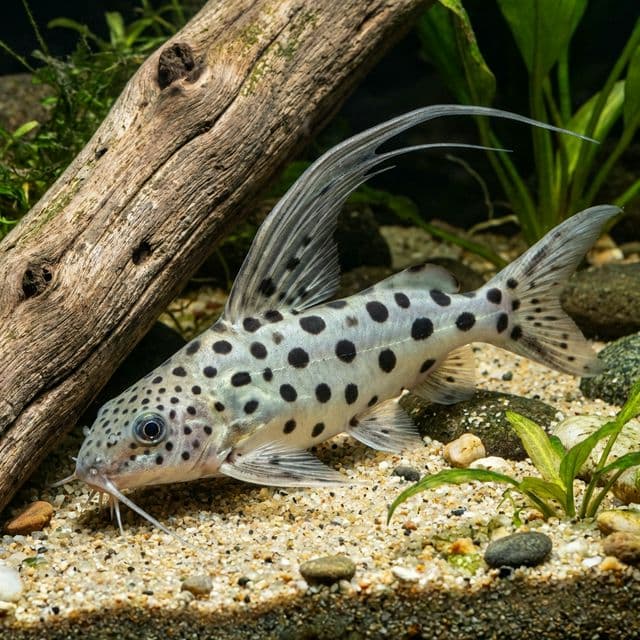
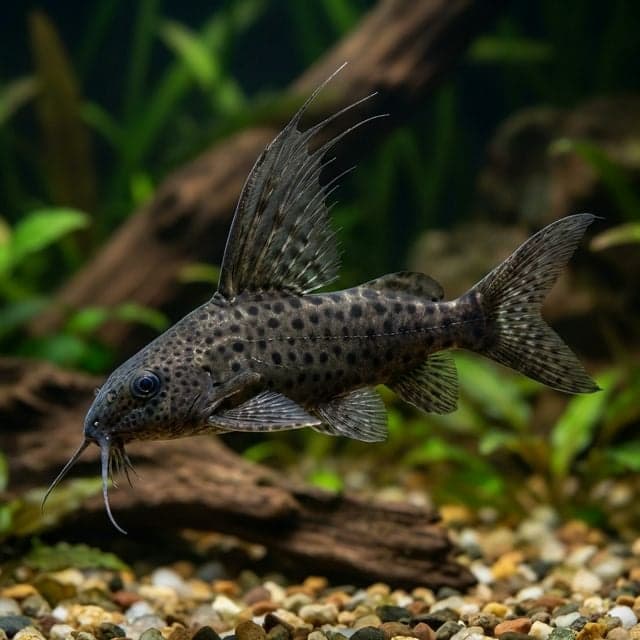
When selecting tank mates for African Clawed Frogs, it's essential to choose species that can tolerate similar water parameters and won't be seen as prey. Good tank mates include peaceful species such as guppies, tetras, and other small community fish. Bottom-dwelling fish like Corydoras catfish can also coexist effectively, as they occupy different regions of the tank, reducing competition for food.
Conversely, several species should be avoided alongside African Clawed Frogs. Larger or aggressive fish, such as cichlids or bettas, may view the frogs as a food source. Additionally, smaller species that resemble their natural prey, such as tiny shrimps or small snails, are also unsuitable, as the frogs may attempt to eat them. Understanding the suitable combinations is crucial for a harmonious aquarium environment.
Breeding
Breeding African Clawed Frogs in captivity can be a rewarding experience, albeit it requires specific conditions to mimic their natural breeding environment. For successful spawning, a separate breeding tank of at least 15 gallons is recommended, with a clean water supply and plenty of fine-leaved aquatic plants. The female African Clawed Frog lays a significant number of eggs, often up to several thousands, and requires overlooked breeding sites and ample space for this process.
Temperature manipulation often triggers spawning; maintain the water temperature around 24°C (75°F) and provide frequent water changes to create an ideal breeding environment. The fertilization process occurs externally, and once the eggs hatch (typically within 2-3 days), it's crucial to provide fine food, such as infusoria or specially formulated liquid fry food, for the newly hatched tadpoles. Ensuring proper care at this stage is vital for successful development into juvenile frogs.
Common Health Issues
Like many amphibians, African Clawed Frogs are susceptible to several health issues. Common ailments include skin infections, fungal infections, and parasitic infestations, typically caused by poor water quality or stress. It's vital to monitor their habitat regularly and maintain optimal water conditions to prevent these health concerns.
Another condition they may face is 'red leg syndrome,' which is typically a bacterial infection leading to swelling, redness of limbs, and lethargy. To prevent this, ensure tanks are kept clean, treatments are sought promptly, and hydration levels are maintained. Regular inspections of the frogs for any signs of abnormal behavior, swelling, or cuts can help keep your aquatic companions healthy and thriving.