African Long-finned Tetra: Bryconalestes longipinnis
A larger African tetra with impressive flowing fins. An active schooling fish for larger planted tanks.
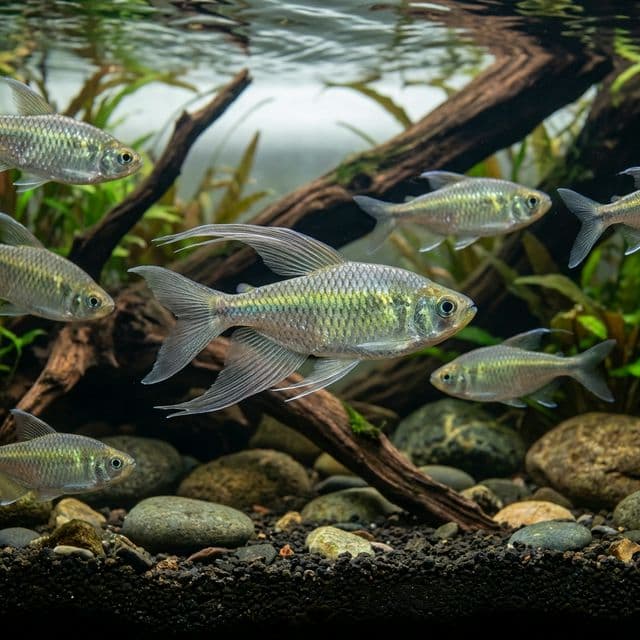
African Long-finned Tetra
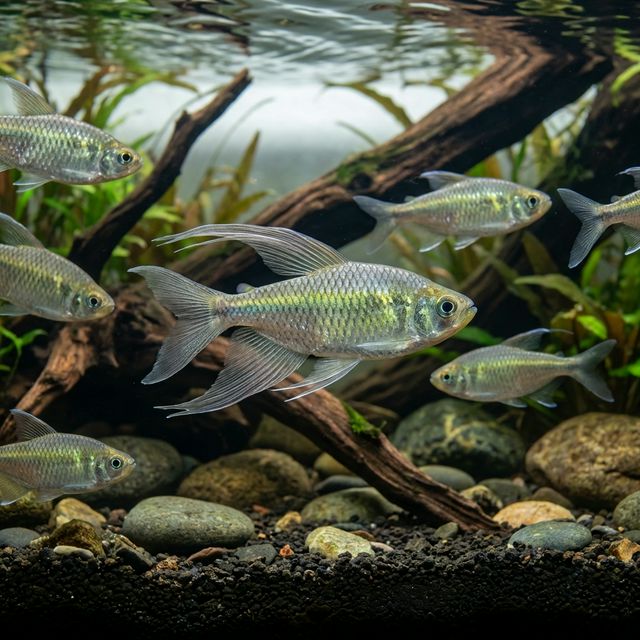
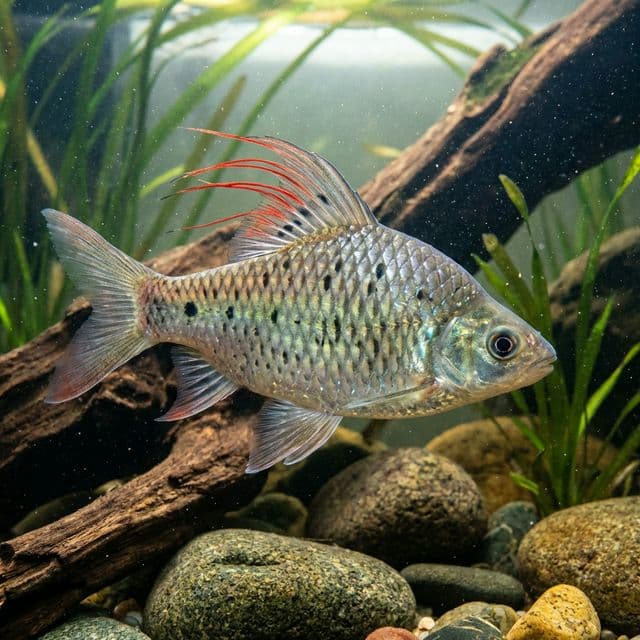
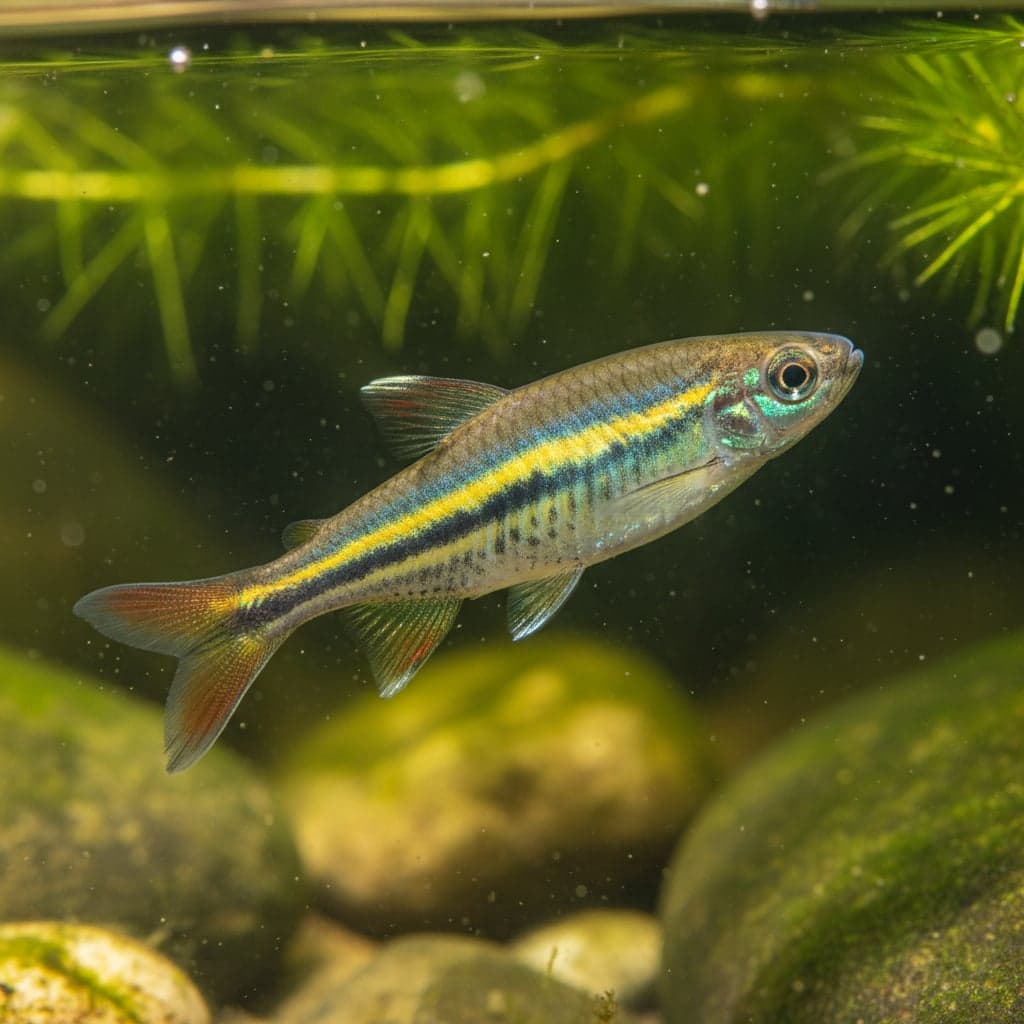
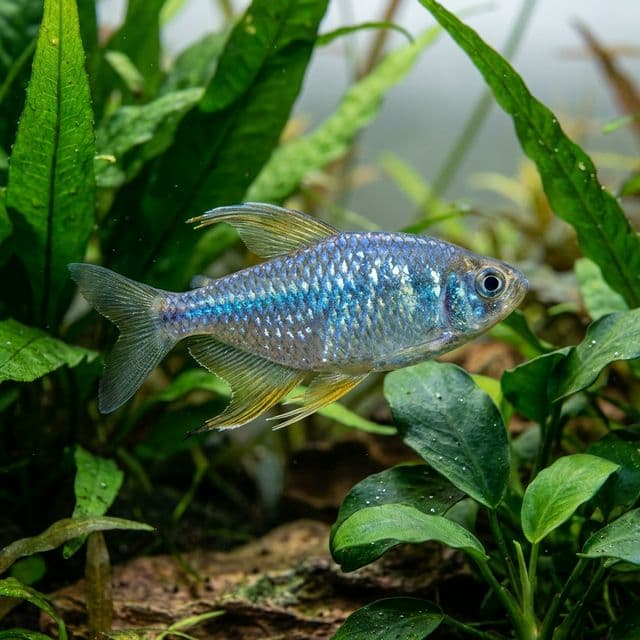
The African Long-finned Tetra, scientifically known as Bryconalestes longipinnis, is a striking and elegant freshwater fish that has captivated aquarists with its unique appearance and lively behavior. Characterized by its elongated body and particularly long, flowing fins, this species exhibits a beautiful spectrum of colors ranging from vibrant silvers to subtle iridescent hues that shimmer in the light, making them a centerpiece in any well-planned aquarium. Their delicate fins can grow to impressive lengths, adding an ethereal quality to their graceful swimming patterns. As a species native to Africa, the African Long-finned Tetra also carries with it a sense of natural wonder and ecological significance, capturing the essence of the diverse aquatic environments it hails from.
In the aquarium hobby, the African Long-finned Tetra stands out not only for its visual appeal but also for its sociable disposition. These fish are typically gentle and thrive in groups, which enhances their schooling behavior and showcases their natural traits. Due to these characteristics, they have become popular additions to community tanks, enchanting both novice and experienced aquarists. The African Long-finned Tetra is more than just an ornamental species; it serves as a reminder of the crucial ecosystems from which it originates and highlights the importance of sustainable practices in the aquarium trade.
Natural Habitat & Origin
The African Long-finned Tetra is native to the slow-moving waters of southeastern Africa, particularly found in regions such as the Congo River Basin and its tributaries. This species prefers the intricacies of its natural habitat, which includes scattered vegetation and diverse structures like submerged roots and fallen branches that provide ample hiding spots. The water in these areas is often described as blackwater, characterized by its soft, acidic conditions resulting from decomposed plant material, which imparts a dark coloration to the water. The ecological dynamics of these environments play a vital role in the development and survival of the African Long-finned Tetra, making them adapted to specific conditions that mimic their wild surroundings.
In their natural habitat, the African Long-finned Tetra coexists with various other fish species, showcasing a diverse community structure. The combination of clear and shaded areas in their environment offers the fish opportunities both for social interactions and for establishing territories when necessary. Understanding the native habitat of the African Long-finned Tetra is crucial for recreating an ideal aquarium setup that mirrors their natural conditions, ensuring their health and well-being in captivity.
Care Requirements
To provide optimal care for the African Long-finned Tetra, it's essential to replicate their natural habitat as closely as possible. The ideal water parameters include a pH range of 6.0 to 7.0, a temperature between 24°C and 28°C (75°F to 82°F), and soft to moderately hard water (dH 4-15). Maintaining stable water conditions is critical, as fluctuations can stress these sensitive fish. A minimum tank size of 20 gallons is recommended for a small school of these tetras, which allows them enough space to swim freely and exhibit their natural schooling behavior.
The tank setup should include a dark substrate to contrast beautifully with the fish's shimmering body colors. Incorporating plenty of live plants such as Java fern, Anubias, and floating plants can create shaded areas that mimic their natural habitat. The use of driftwood and rocks will add complexity and hiding spots, reducing stress levels and enhancing the overall aesthetic of the aquarium. Adequate lighting should be provided to promote plant growth without overwhelming the fish. A moderate light intensity is ideal, replicating the dappled light conditions of their home waters.
Diet & Feeding
The African Long-finned Tetra is an omnivorous species, thriving on a varied diet. In captivity, they can be fed high-quality flake foods as a staple, along with sinking pellets to ensure they receive proper nutrition at all levels of the tank. Additionally, incorporating live or frozen foods such as brine shrimp, daphnia, and bloodworms can help enhance their color and vitality while mimicking their natural feeding behaviors. It's important to ensure a balanced diet by rotating their food sources regularly. Feed them small amounts two to three times a day, ensuring they consume what is offered within a few minutes to maintain water quality.
To promote robust health and well-being, it's essential to monitor feeding habits closely. While the African Long-finned Tetra is generally not prone to overeating, offering a variety of foods will ensure they receive all necessary nutrients and showcase their vibrant coloring in the aquarium.
Behavior & Temperament
The African Long-finned Tetra is known for its peaceful and sociable nature, making it a wonderful addition to community tanks. These fish are inherently schoolers and should ideally be kept in groups of at least six individuals. This habit not only promotes their natural behaviors but also helps alleviate stress and encourages a more dynamic display of swimming patterns. Within a school, they often engage in playful pursuits and synchronized movements, providing an entertaining spectacle for observers.
These tetras tend to occupy the middle layers of the aquarium but can also be seen darting towards the surface and occasionally exploring the bottom for food. Despite being generally peaceful, it's essential to house them with similarly sized species to avoid any potential bullying. The African Long-finned Tetra exhibits very little aggression, but they may display territorial tendencies during breeding periods or if they feel crowded.
Tank Mates
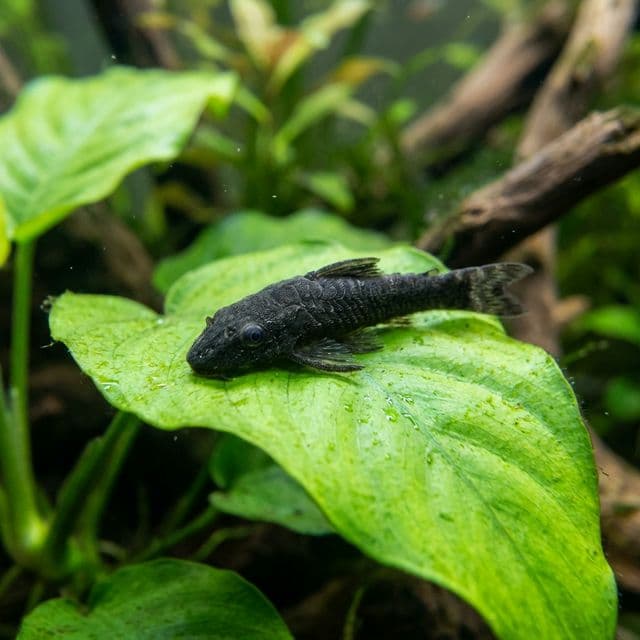
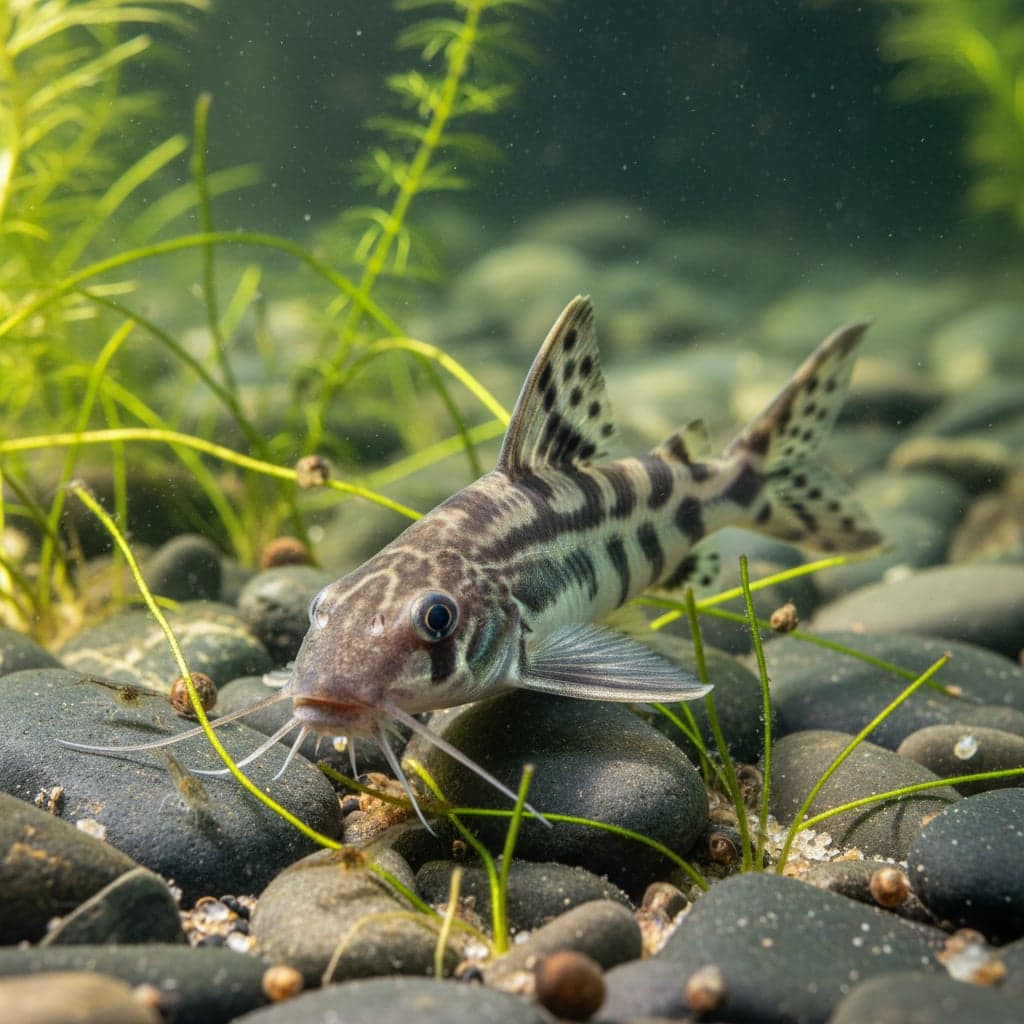
When selecting tank mates for the African Long-finned Tetra, it's crucial to choose species that share similar water requirements and temperaments. Compatible species include small, peaceful fish such as Neon Tetras, Corydoras Catfish, Rasboras, Guppies, and small Livebearers like Endlers. The tetras' schooling behavior can be complemented by other gentle species, enhancing the community dynamics within the aquarium.
However, it's vital to avoid tank mates that are overly aggressive, large enough to consider the tetras as prey, or territorial fish that may disrupt their schooling behavior. Species such as Cichlids (especially larger ones), Betta Fish, and any fin-nippers should be excluded, as they can pose significant threats to the health and well-being of your African Long-finned Tetra.
Breeding
Breeding the African Long-finned Tetra in captivity can be a rewarding endeavor, but it requires specific conditions to encourage successful spawning. These fish are egg scatterers and tend to breed best in a separate breeding tank rather than in a community setup. Ideally, a breeding tank should contain soft, acidic water (pH 6.0 to 6.5) at a temperature around 26°C (79°F) and should offer plenty of fine-leaved plants or spawning mops where the eggs can be laid.
During the breeding ritual, males willDisplay courtship behaviors, such as displaying their fins and colors to attract females. After spawning, which could yield 100-200 eggs, it is essential to remove the adults from the breeding tank, as they may consume the eggs. The eggs usually hatch within 24-36 hours, and the fry can be fed infusoria or finely crushed flakes once they become free-swimming, usually after a few days.
Common Health Issues
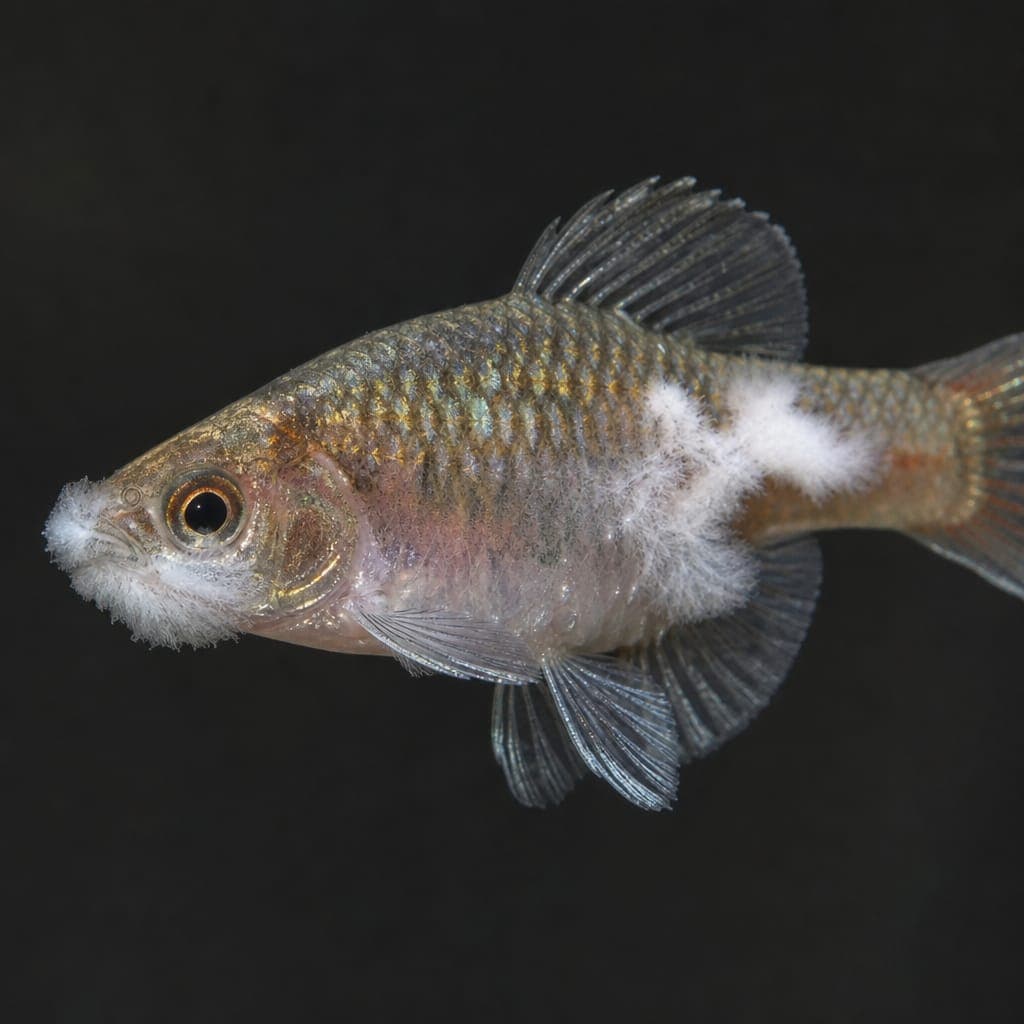
While the African Long-finned Tetra is generally hardy, like all fish, they can be susceptible to certain health issues. Common diseases include ich (white spot disease), fin rot, and fungal infections when water quality declines or the school is stressed. Quarantine new arrivals, keep soft acidic parameters stable, and avoid overcrowding. Watch for white spots, frayed long fins, or loss of appetite, and treat promptly while correcting ammonia and nitrite. Regular water changes and a varied flake plus frozen diet support immunity so African Long-finned Tetras stay colourful mid-water swimmers for years.