African Pike Characin: Hepsetus odoe
A predatory characin that resembles a pike. For specialized setups only.
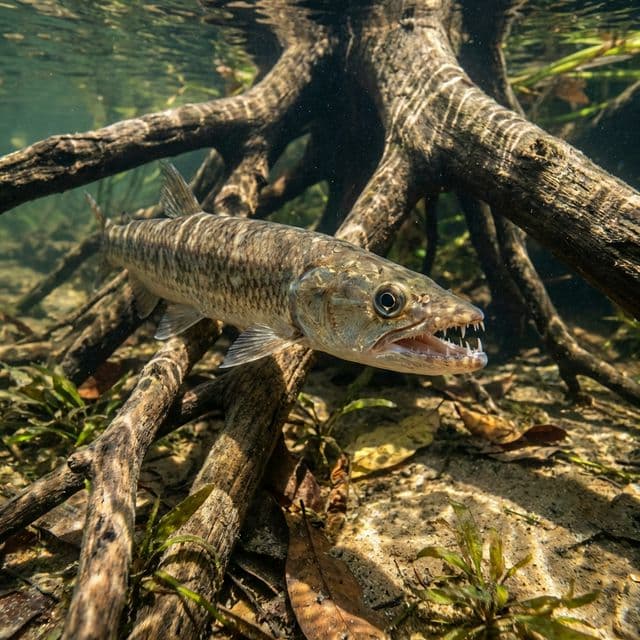
African Pike Characin
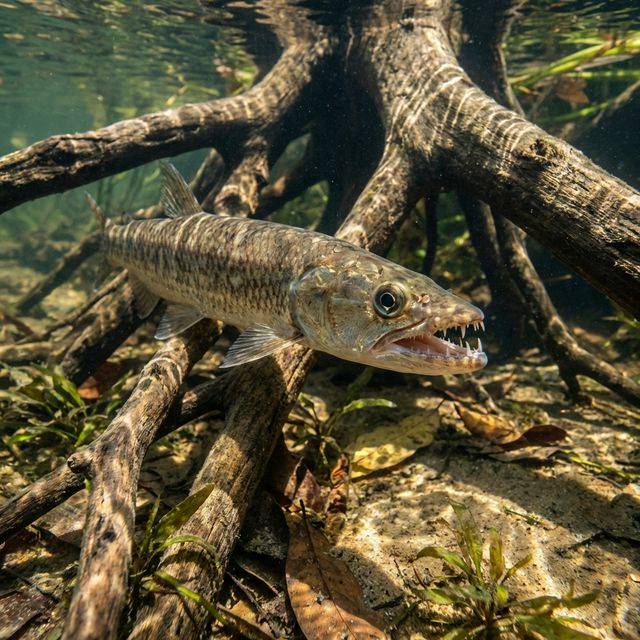
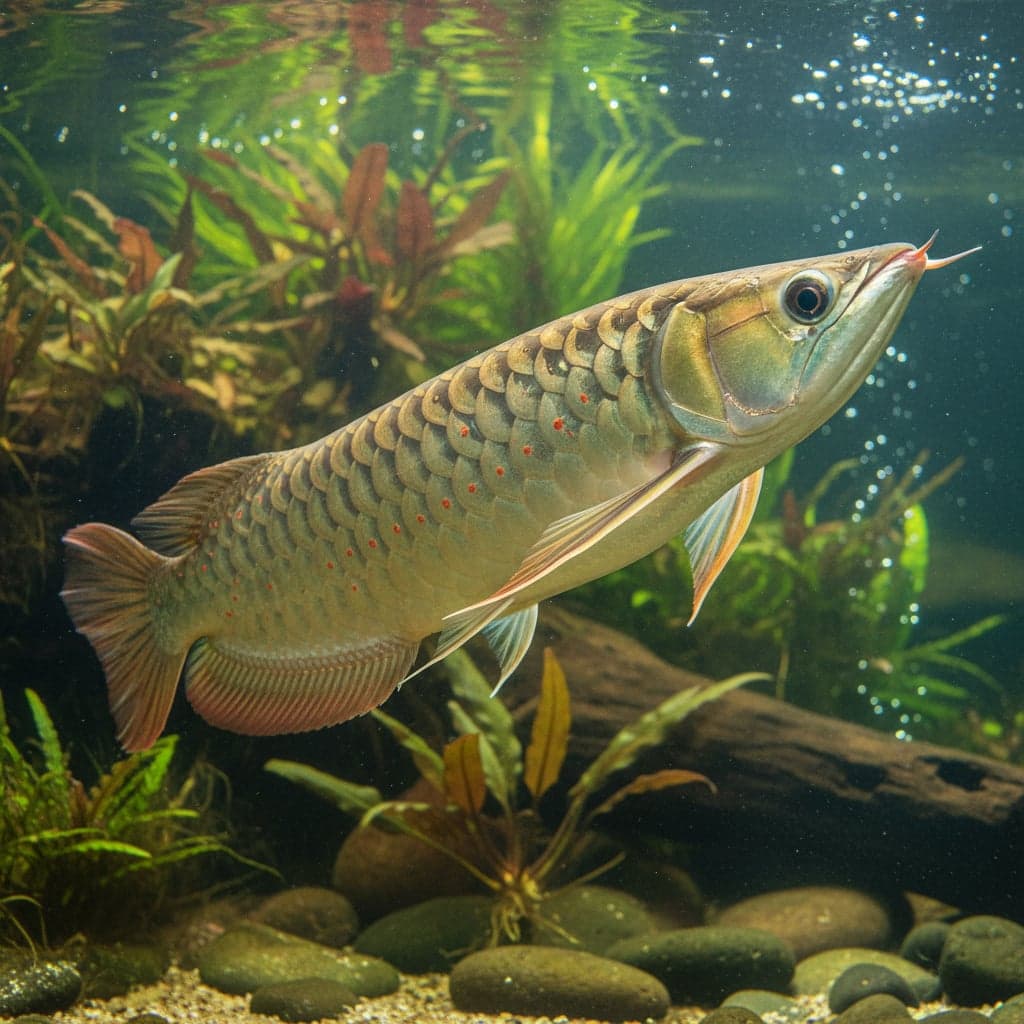
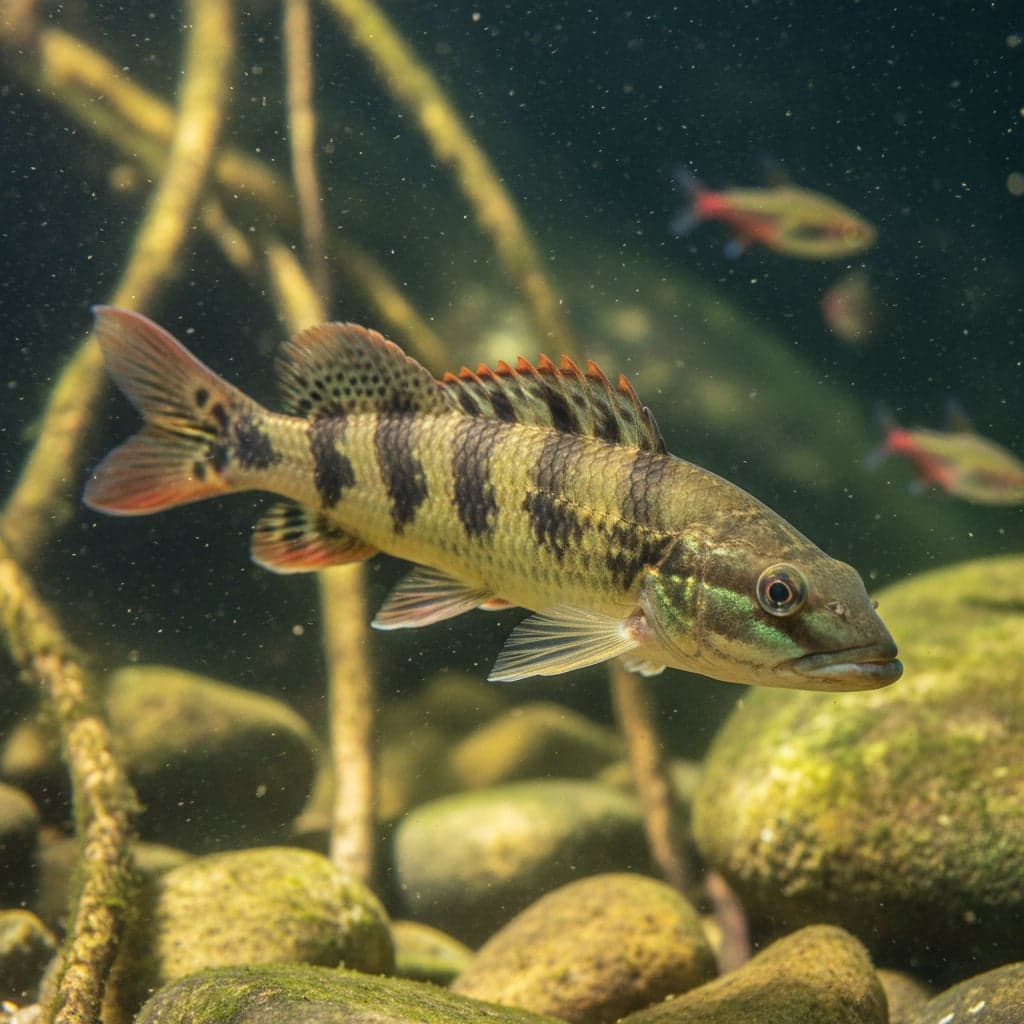
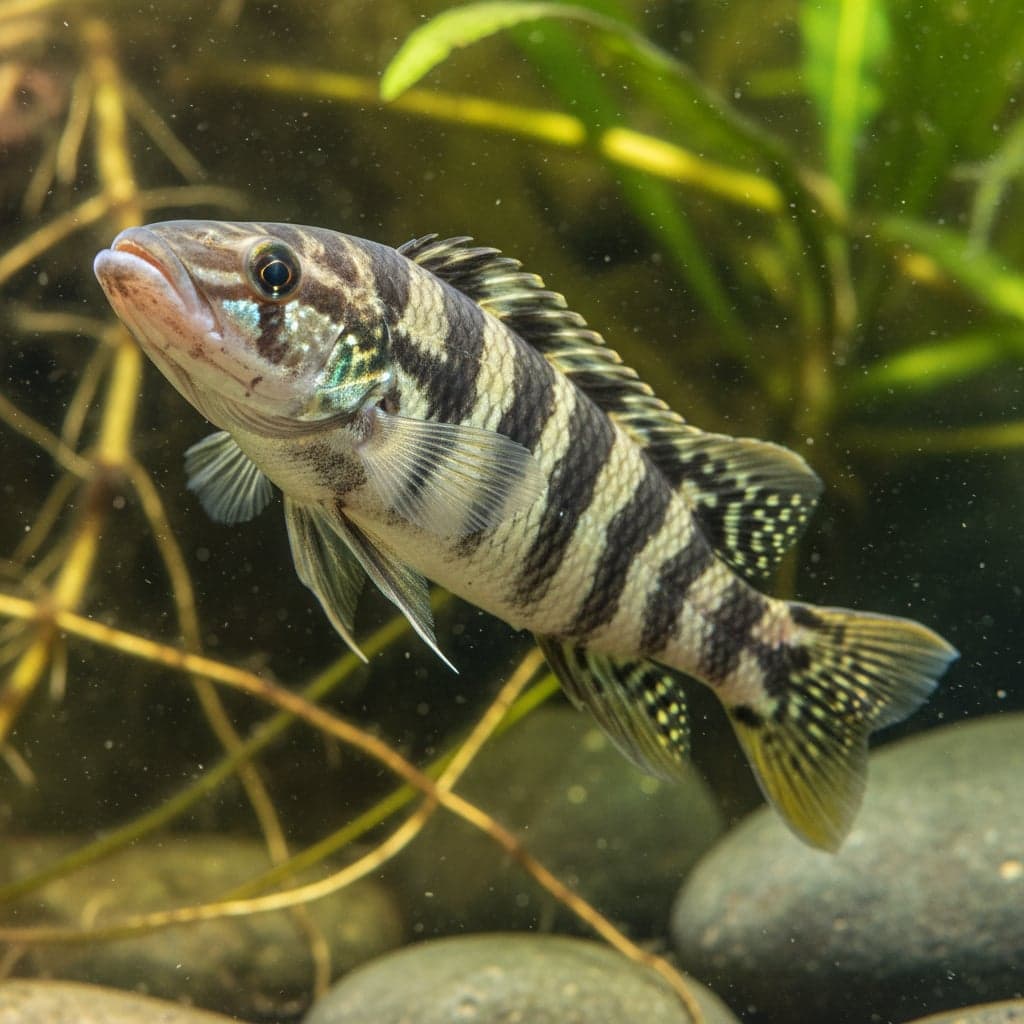
The African Pike Characin, scientifically known as Hepsetus odoe, is a striking freshwater fish that captivates aquarists with its elongated body and formidable predatory appearance. Characterized by its pike-like shape, sharp teeth, and vibrant coloration, this species can reach lengths of up to 12 inches in captivity. Its electric blue to greenish hue, often complemented by a silvery underbelly, makes it a visually appealing addition to a well-maintained aquarium. The African Pike Characin is not only appreciated for its aesthetic qualities but also for its fascinating hunting behavior, which showcases its active lifestyle and natural predatory instincts, making it a prized specimen for hobbyists seeking a dynamic centerpiece in their tanks.
The significance of the African Pike Characin in the aquarium hobby extends beyond its visual allure. As a unique predator, it provides an engaging experience for aquarists interested in establishing a vivacious aquarium ecosystem. By simulating its natural environment and behavior, hobbyists can contribute to a deeper understanding of freshwater ecosystems. This fish not only highlights the importance of biodiversity in aquatic habitats but also serves as a bridge to educate others about conservation efforts related to African waterways where it naturally occurs.
Natural Habitat & Origin
The African Pike Characin originates from the slow-moving rivers and streams of Central and West Africa, primarily found in countries like Nigeria, Cameroon, and the Republic of Congo. This species typically inhabits diverse aquatic environments, including clearwater rivers, blackwater streams, and shallow waters with dense vegetation, providing ample cover for ambushing prey. The natural habitat features abundant plant life and submerged structures, such as logs and rocks, which contribute to its need for both refuge and hunting grounds. The often tannin-rich waters of these regions create a unique ecosystem that supports a variety of flora and fauna, which the African Pike Characin interacts with as both predator and participant.
In its native range, the African Pike Characin is accustomed to warmer water temperatures, generally found between 75°F to 82°F (24°C to 28°C). The fish thrives in slightly acidic to neutral pH levels, usually around 6.0 to 7.0, with soft to moderately hard water conditions. Understanding these environmental preferences is essential for creating a suitable habitat in captivity, ensuring the health and vigor of this captivating species.
Care Requirements
To ensure a thriving environment for the African Pike Characin, specific water parameters must be maintained. Ideal conditions include a pH range of 6.0 to 7.0 and temperature settings between 75°F and 82°F. The water hardness should ideally fall between 4-12 dGH to mimic its natural habitat. A minimum tank size of 50 gallons is recommended for optimal fish welfare, allowing ample space for swimming and territorial behavior.
For tank setup, a sandy or fine gravel substrate can replicate the riverbed of its natural environment. The inclusion of driftwood, rocks, and plants—especially floating vegetation—will not only create hiding spots for this predatory fish but also simulate the ecological conditions of its native waters. Moderate lighting is suitable, along with the addition of areas with subdued light, as this offers the African Pike Characin a sense of security as it navigates the tank space.
Diet & Feeding
The African Pike Characin is primarily carnivorous, displaying predatory feeding habits consistent with its lineage. In captivity, it thrives on a diet that includes high-quality pellets, frozen foods such as bloodworms, brine shrimp, and small pieces of fish or prawns. While it may accept some flake foods, it is crucial to ensure these are supplemented with protein-rich offerings to maintain optimal health. When feeding in an aquarium setting, it is beneficial to utilize a combination of live and frozen foods, mimicking natural hunting behavior and keeping the fish mentally stimulated.
Feeding should occur multiple times a day in smaller quantities to prevent overfeeding and maintain water quality. Additionally, always ensure to monitor the response of the fish to new foods, as some individuals may take time before they accept alternative offerings.
Behavior & Temperament
In terms of behavior, the African Pike Characin is known for its active and dynamic nature, making it an exciting species to observe. While it exhibits some schooling tendencies, particularly in young individuals, it generally prefers to establish a territory, especially as it matures. This fish can exhibit aggressive behavior, particularly towards tank mates it perceives as competitors or prey, which necessitates careful observation and management within a communal tank.
Behaviorally, the African Pike Characin typically occupies the mid to lower regions of the tank, using its elongated body and swift movements to hunt with precision. Its predatory instincts may lead it to stalk smaller fish, so it is essential to create an environment where it feels secure and respected as both predator and inhabitant.
Tank Mates
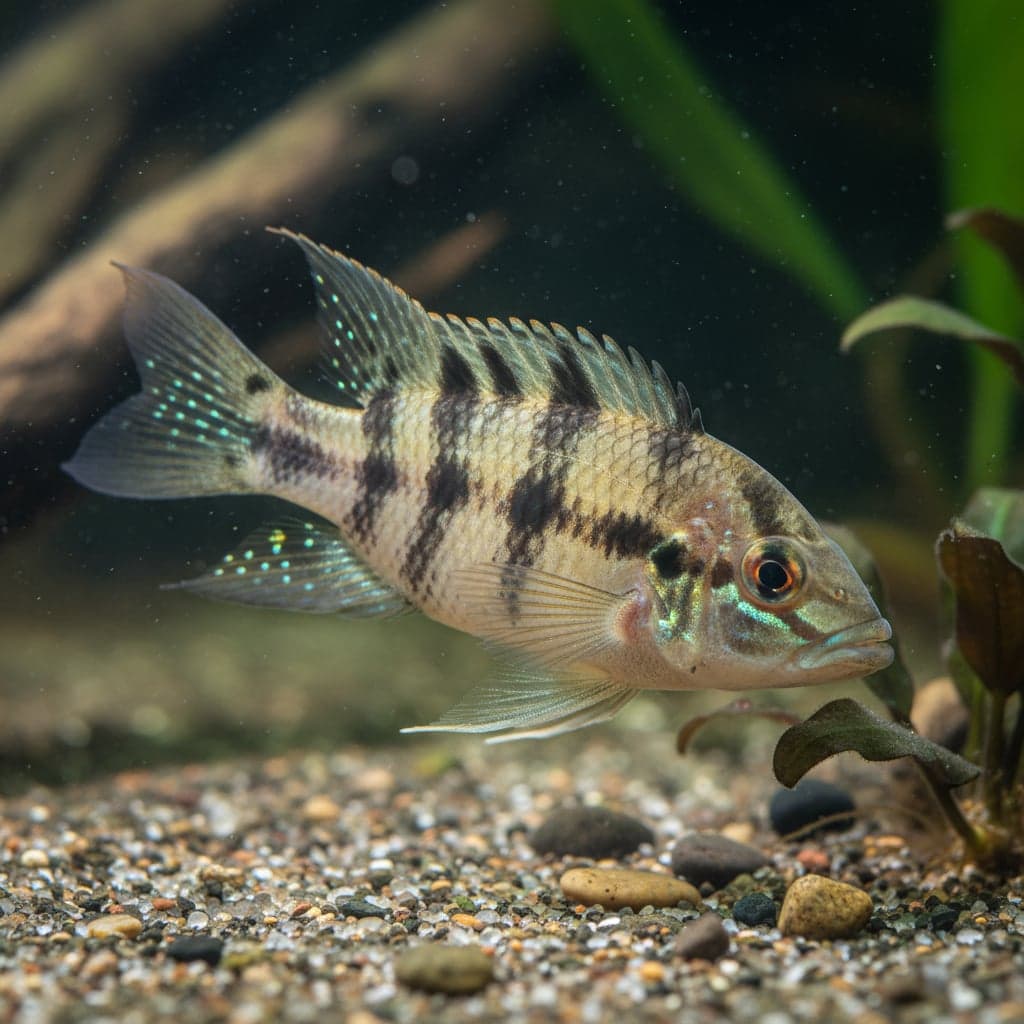
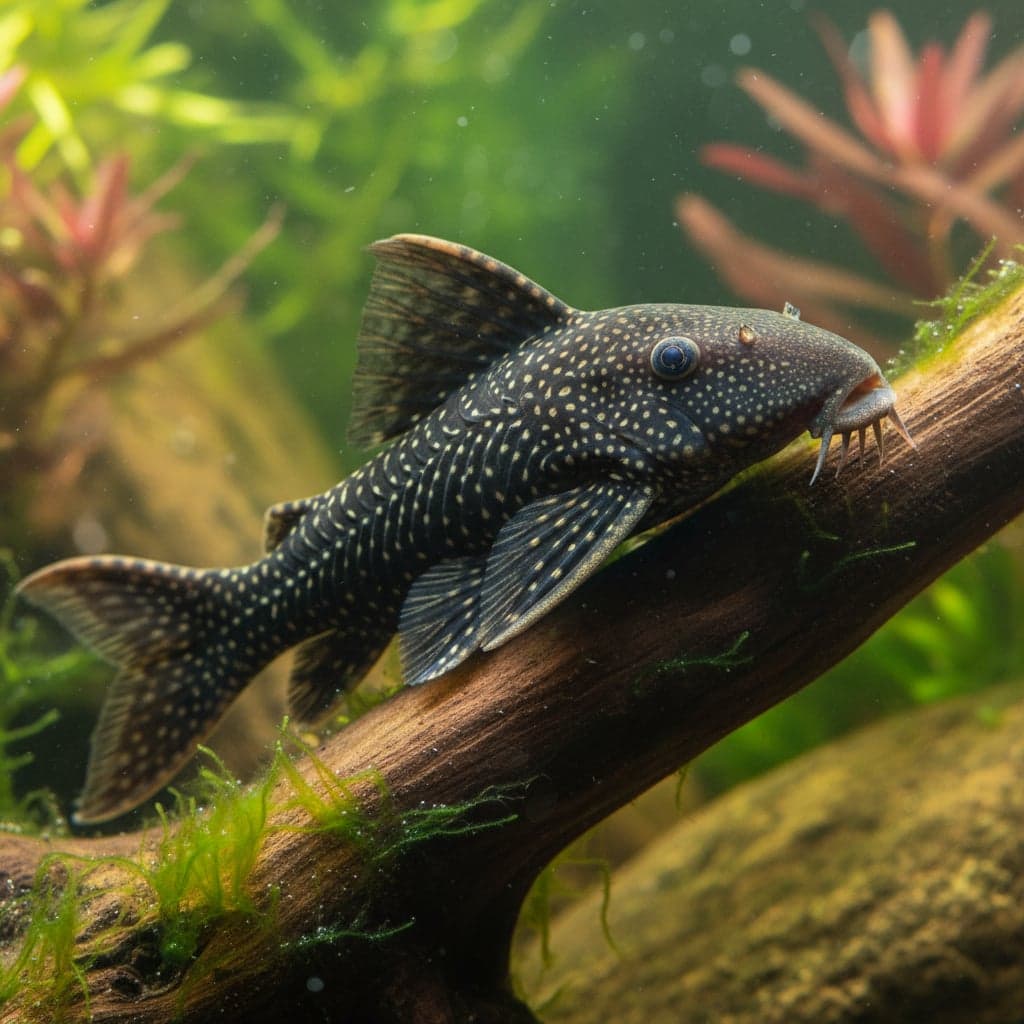
When considering tank mates for the African Pike Characin, it's crucial to select species that can coexist peacefully. Suitable companions include larger cichlids such as the Jack Dempsey or various species of larger tetras that can tolerate a predatory environment. Other potential tank mates include peaceful larger barbs and some catfish species, such as the African Catfish, which can withstand the assertive nature of the Pike Characin.
Conversely, it is essential to avoid keeping the African Pike Characin with smaller fish or species known for their high-strung nature, as these can become targets for predation. Smaller community fish, fast swimmers, and bottom-dwellers like shrimp or larger loaches should be avoided to eliminate stress and unnecessary harm in the aquarium setting.
Breeding
Breeding the African Pike Characin in captivity is relatively challenging due to its particular spawning requirements, which mimic its natural conditions. To encourage successful breeding, a separate breeding tank should be set up with a dim light, softer substrate, and plenty of hiding spaces created from floating plants or ceramic breeding caves. The water parameters should also be adjusted to slightly lower pH and temperature—approximately 74°F (23°C)—to stimulate spawning behavior.
During the breeding process, females often lay eggs on flat surfaces or in the provided spawning sites. After fertilization by the males, the eggs will hatch in roughly 3-5 days. The parents should be removed after spawning to prevent them from consuming the eggs or fry. Care for the fry requires intense attention to water quality and feeding them specialized starter foods to support proper growth in this crucial early stage.
Common Health Issues
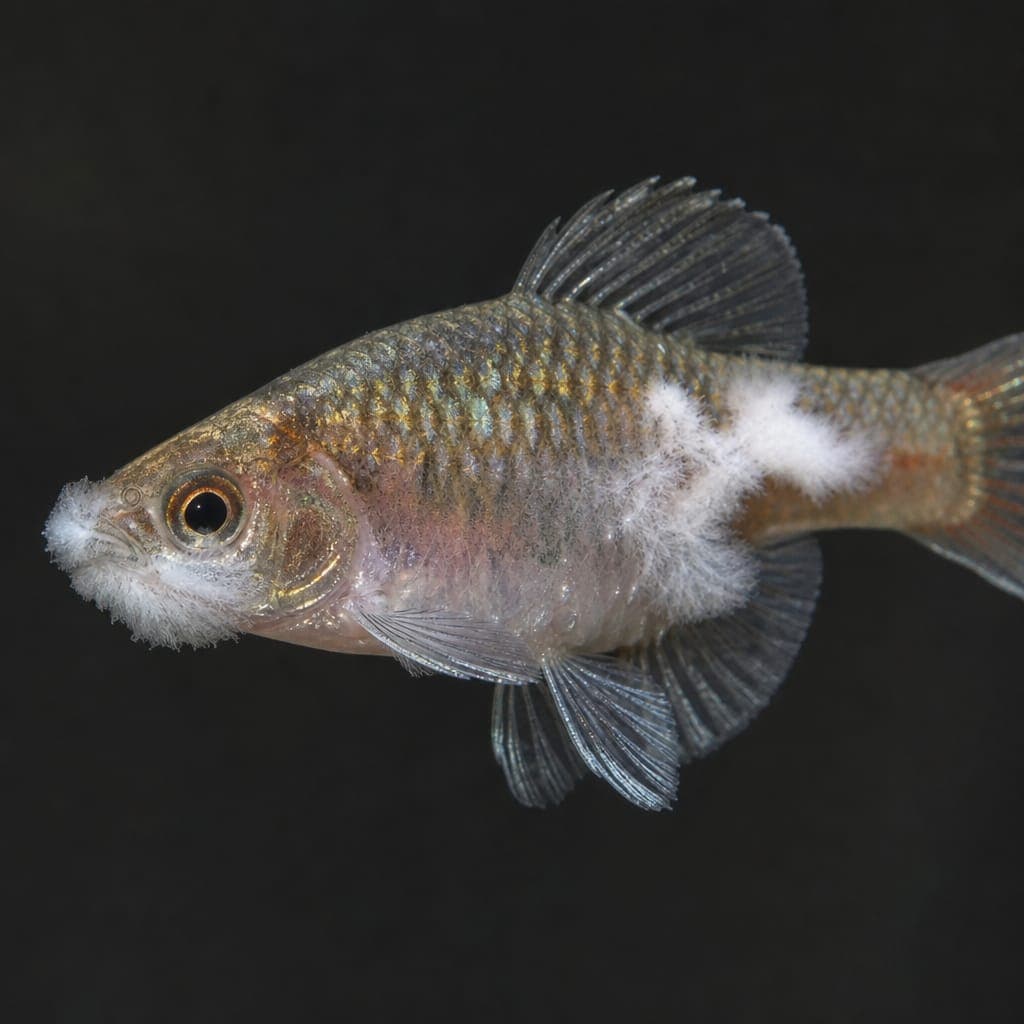
Like many aquarium fish, the African Pike Characin can be prone to specific health issues, including ich, fin rot, and fungal infections. Maintaining proper water quality is essential in preventing these diseases, with regular water changes and tank cleaning vital to limiting pathogen growth.
Monitoring the fish's behavior and physical appearance is critical; signs of distress such as changes in appetite, swimming abnormality, or visible lesions indicate a need for immediate attention. Quarantine for new fish is also strongly advised, allowing for the detection of disease before introduction into the main tank. Regular veterinary consultation and preventive medication can also play a critical role in maintaining the long-term health of the African Pike Characin.