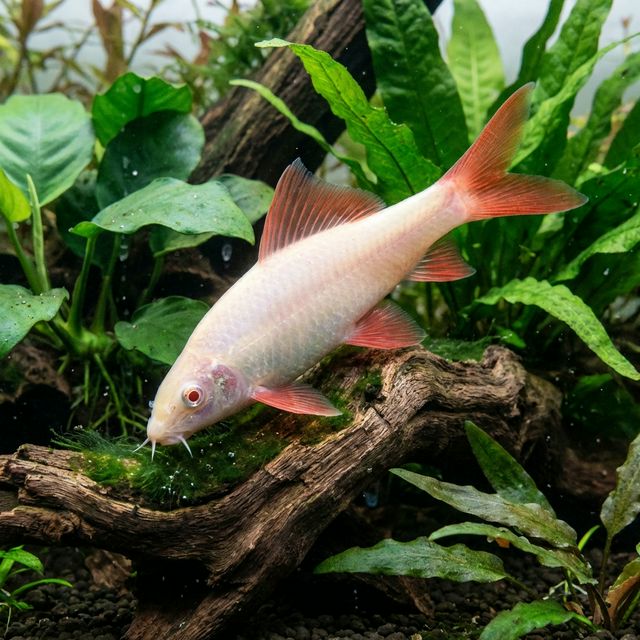
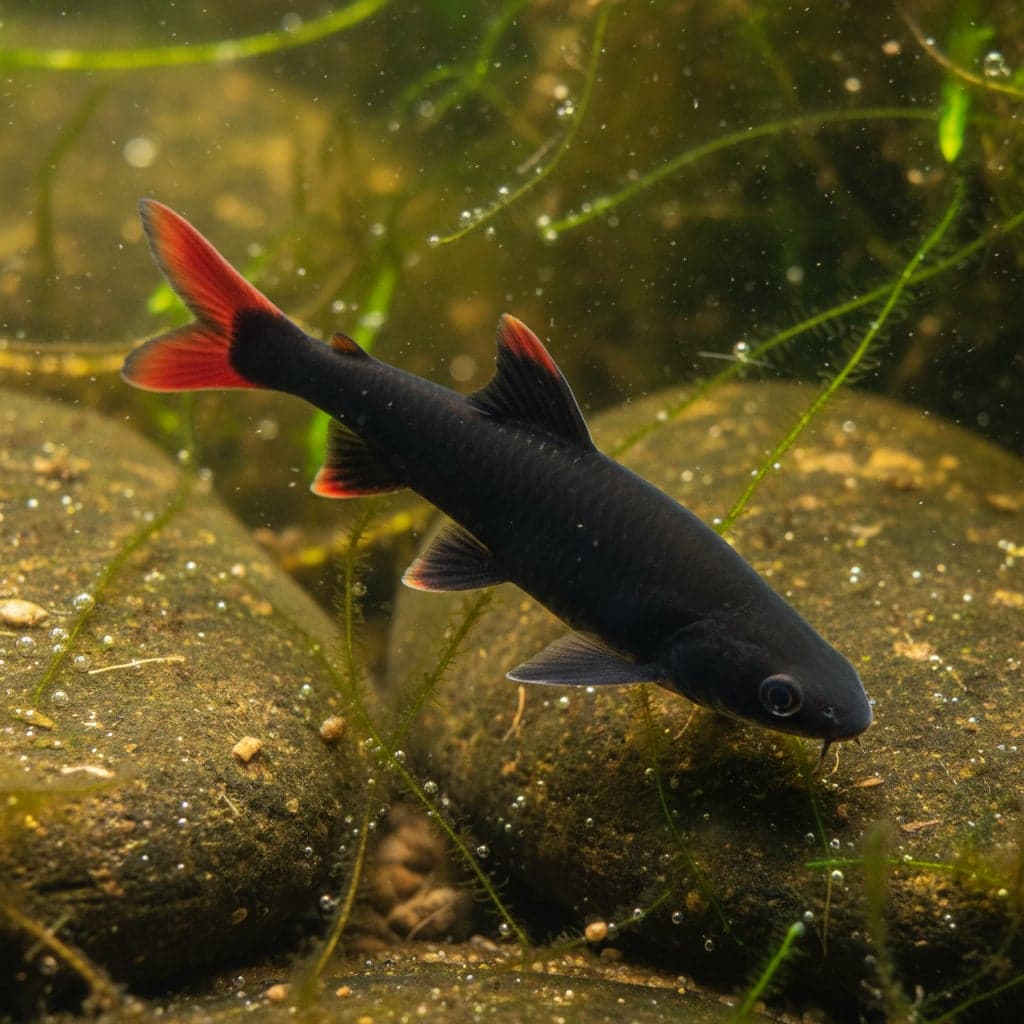
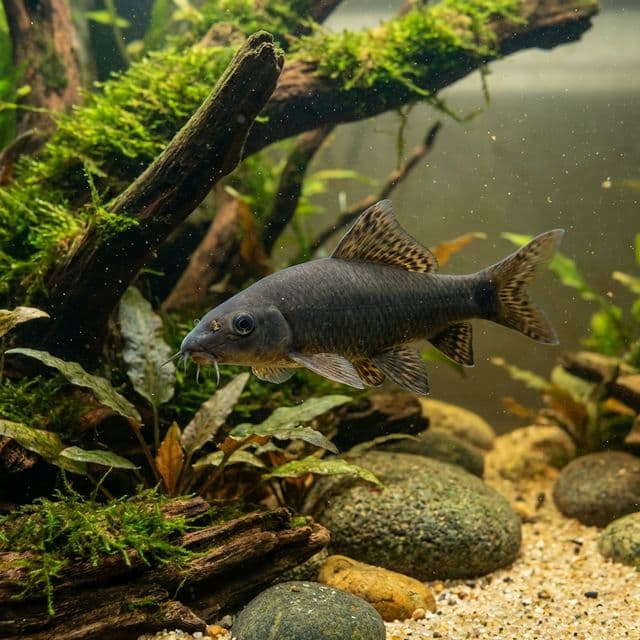
Albino Ruby Shark: Epalzeorhynchos frenatum (albino)
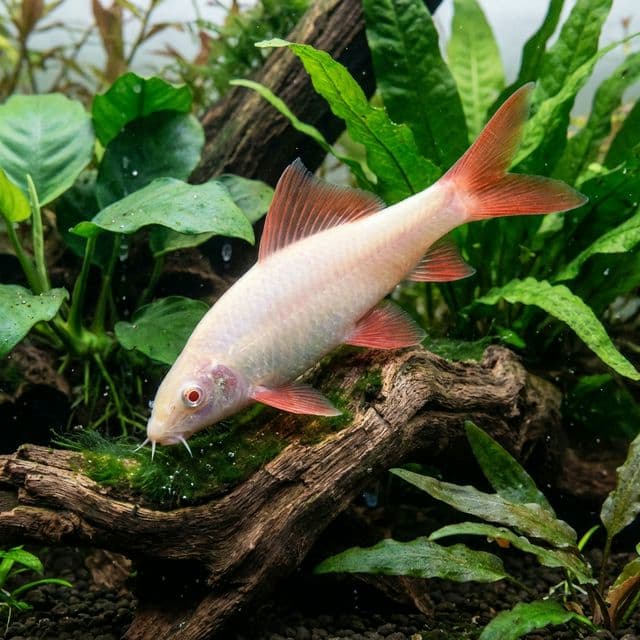
The albino form of the Rainbow Shark. White body with striking red fins. Semi-aggressive and territorial.
Albino Ruby Shark
The Albino Ruby Shark, scientifically known as Epalzeorhynchos frenatum (albino), is a visually striking freshwater fish that has captivated aquarium enthusiasts around the globe. This species is recognized for its beautiful pinkish-white body contrasted by vibrant red or orange fins, making it a popular choice in well-planned community tanks. The Albino Ruby Shark’s eye-catching appearance, combined with its active swimming behavior, ensures it remains a focal point in any aquarium setup. Additionally, being an albino variant, this fish showcases a unique genetic mutation that enhances its appeal for specialty aquarists looking to diversify their fish collection.
In the aquarium hobby, the Albino Ruby Shark holds significance not just for its aesthetic value but also for the role it plays in maintaining a balanced ecosystem within the aquarium. Known for being a bottom-dweller, this species often contributes to the ecological dynamics by foraging for uneaten food and algae in the substrate. With proper care and adequate space, Albino Ruby Sharks can thrive for up to 5-7 years, becoming a long-term addition to your aquatic environment. Their vibrant colors and engaging behavior make them both a joy to observe and a valuable education tool for those learning about freshwater ecosystems.
Natural Habitat & Origin
The Albino Ruby Shark originates from the rivers and streams of Southeast Asia, particularly in regions of Thailand, Laos, and the Mekong Basin. These environments are characterized by a mix of slow-moving waters with plenty of vegetation, rocky substrates, and occasional sandy areas. The water is typically well-oxygenated and can vary from clear to slightly stained due to the presence of tannins from decomposing organic matter. While the natural habitat supports a diverse range of aquatic fauna, the Albino Ruby Shark thrives particularly in conditions with a balance of light, space, and hiding spots offered by rocks and plants.
In the wild, these fish exhibit a fondness for areas of cover, where they can find refuge from predators and ambush smaller prey. As riverine species, they are accustomed to stable water parameters, making them adaptable but requiring careful consideration when setting up an aquarium environment. Understanding their natural habitat is essential for replicating an ideal living space that caters to their behavioral needs and promotes overall health.
Care Requirements
To ensure the welfare of your Albino Ruby Shark, it's crucial to provide the right water conditions and tank environment. The ideal water parameters are a pH range of 6.5 to 7.5, a temperature between 22°C and 26°C (72°F to 79°F), and a hardness of 5 to 15 dGH. Maintaining these levels not only supports their health but also mimics their natural ecosystem, fostering an environment where they can thrive.
For tank setup, a minimum aquarium size of 100 liters (approximately 26 gallons) is recommended to provide sufficient swimming space and territory establishment, as these fish can display territorial behavior as they mature. The substrate should consist of fine gravel or sand to mimic their natural bottom-dwelling habits, while plenty of rocks, caves, and dense plants are advised for cover. Moderate lighting is suitable, as it helps grow live plants while providing a natural ambiance. The inclusion of floating plants can offer additional shade and security, enhancing the comfort levels of your Albino Ruby Shark.
Diet & Feeding
The Albino Ruby Shark is classified as an omnivore, which demands a varied diet to maintain optimal health. In captivity, it thrives on quality commercial flakes or pellets designed for herbivorous fish, supplemented with algae wafers to satisfy their natural grazing instincts. To promote coloration and overall vitality, include options like blanched vegetables (such as zucchini and spinach) along with protein-rich treats like frozen or live brine shrimp, daphnia, and bloodworms.
Feeding should occur once or twice a day, allowing for an amount that can be consumed within a few minutes to avoid overfeeding, which can lead to deteriorating water quality. By varying their diet and providing high-quality foods, you will ensure that your Albino Ruby Shark remains healthy and vibrant, contributing to a lively aquarium atmosphere.
Behavior & Temperament
In terms of behavior, the Albino Ruby Shark is known for being somewhat territorial, particularly as it matures. They exhibit a bottom-dwelling nature and prefer to establish and maintain their own territory among rocks and plants. It’s crucial to provide them with adequate space to roam, as crowded conditions can lead to stress and aggression, especially towards similar-looking species.
While they may engage in flashes of aggression, especially against their own kind, the Albino Ruby Shark typically gets along with a variety of community fish. They utilize the lower and middle water levels of the tank, demonstrating occasional playful swimming near the surface, particularly during feeding times. Observing their behavior can be fascinating, as they are active swimmers and exhibit unique interactions with their environment and other tank inhabitants.
Tank Mates
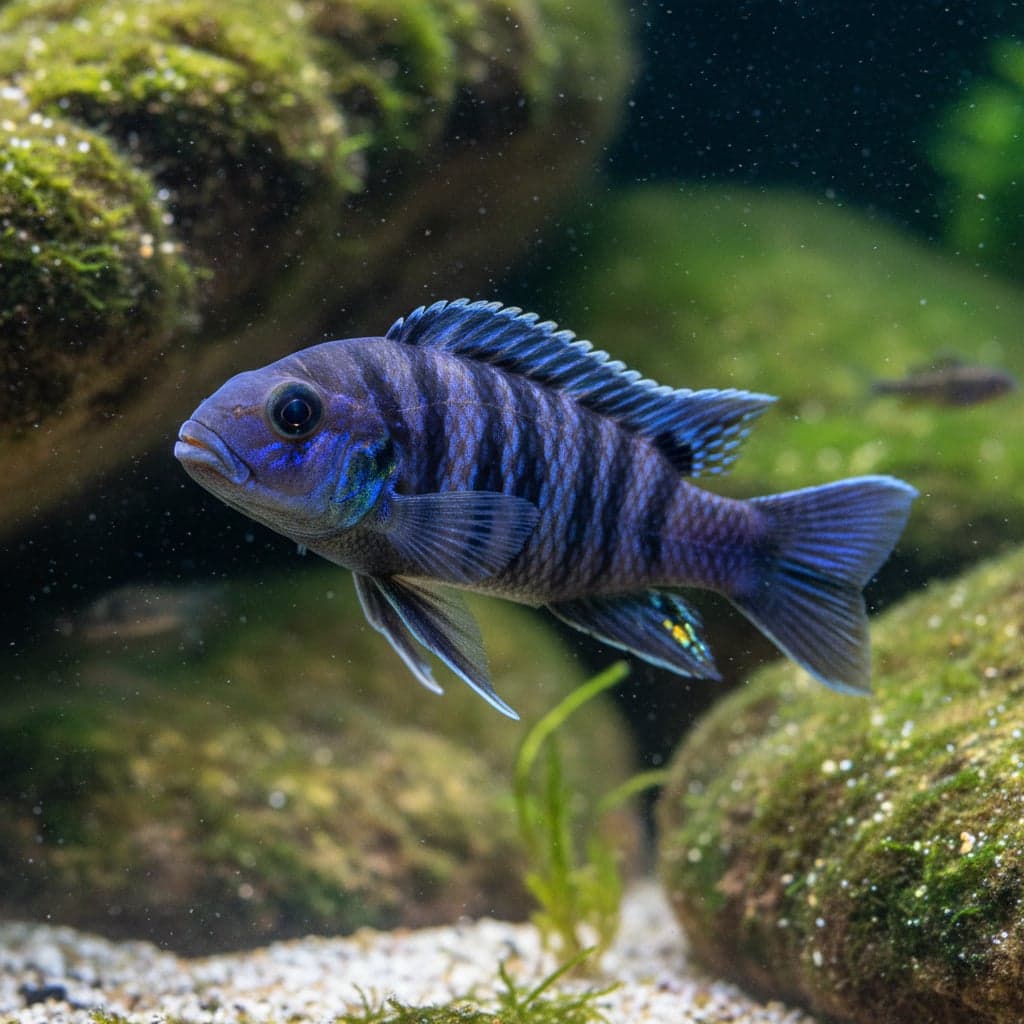
Creating a balanced community tank for your Albino Ruby Shark involves careful selection of tank mates. Compatible species include larger tetras, danios, barbs, and peaceful cichlids, as they tend to be assertive enough to hold their own without provoking the Ruby Shark. Other good tank mates include medium-sized livebearers and rasboras, which tend to stay out of their way and minimize competition for territory.
However, it’s best to avoid housing the Albino Ruby Shark with smaller and more docile species, particularly young fish, as they may be seen as prey. Species like guppies and neon tetras, while popular, are best kept in a separate tank to prevent undue stress or aggression. Furthermore, it’s advisable to avoid keeping multiple Ruby Sharks together unless ample space is provided to diffuse territorial disputes.
Breeding
Breeding Albino Ruby Sharks in captivity can be challenging, but it is possible under the right conditions. During breeding, these fish exhibit a unique courtship behavior, where males will display different colors and swim around females in a display of vigor and fitness. Courtship is typically initiated in a well-planted area with sufficient hiding spots to provide security during the spawning process.
To successfully breed them, set up a separate breeding tank that mimics their natural habitat, with soft, slightly acidic water, and gentle filtration to ensure clarity without strong currents. Provide spawning sites such as flat stones or broad-leaf plants. The female can lay hundreds of eggs, which adhere to the surfaces of the spawning area; after spawning, it is recommended to remove the adults to prevent them from eating the eggs. The eggs will typically hatch within a couple of days, and the fry should be fed infusoria until large enough to consume baby brine shrimp or powdered flakes.
Common Health Issues
Despite their hardiness, Albino Ruby Sharks can be susceptible to certain health issues common in freshwater fish. One notable concern is ich, a parasitic infection that manifests as white spots on the body and fins. Maintaining good water quality and a stable environment can help prevent outbreaks. Additionally, fin rot—often caused by poor tank conditions or injuries—is another health issue. Ensuring a clean tank and monitoring for aggressive behaviors can reduce the risk of injury.
Preventative measures include regular water changes, maintaining optimal water conditions, and observing their behavior closely for signs of stress or illness. When introducing new fish to the aquarium, always practice quarantine to avoid the introduction of pathogens into an established tank.