The Amano Shrimp: Caridina multidentata
The ultimate algae-eating shrimp. Named after legendary aquascaper Takashi Amano, this tireless cleaner is a planted tank essential.
Also known as: Yamato shrimp · Caridina multidentata

Amano Shrimp
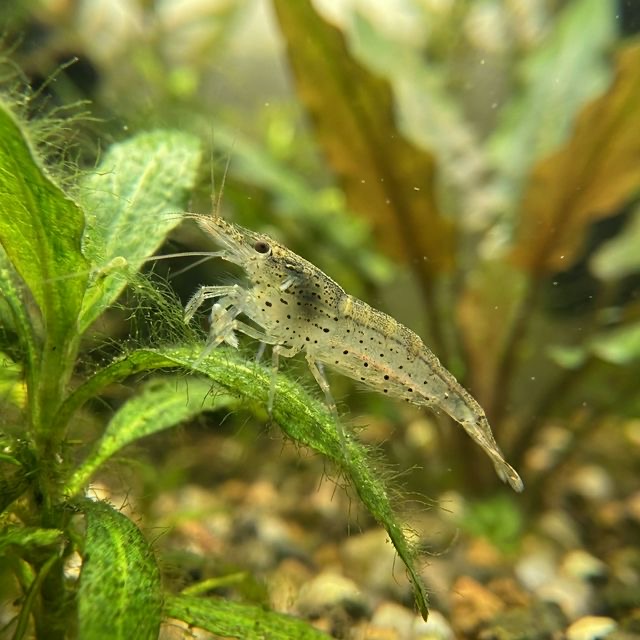
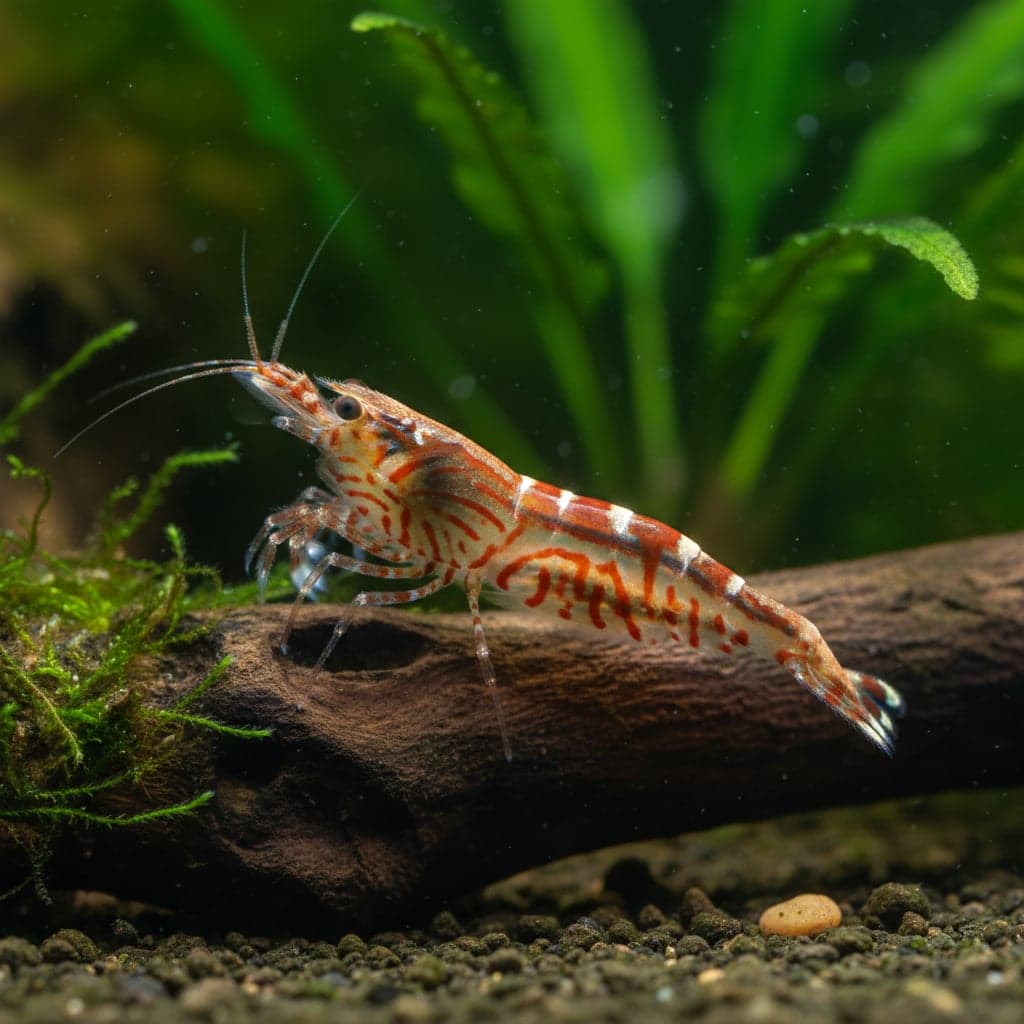
The Amano Shrimp, scientifically known as Caridina multidentata, is a freshwater crustacean widely recognized for its exceptional algae-eating capabilities and aesthetic appeal. Originating from Japan and parts of Southeast Asia, this shrimp displays a translucent body with a subtle bluish tint, accented by distinctive stripes running along its back. Its graceful movements and natural foraging behaviors make it a captivating addition to any aquarium. The Amano Shrimp has gained immense popularity among aquarium enthusiasts not only for its beauty but also for its beneficial role in maintaining a clean tank environment, thus helping to reduce algae growth and organic debris.
In addition to being an attractive species, the Amano Shrimp is significant in the aquarium hobby for its practical applications in aquascaping and ecological balance. These shrimp are often featured in heavily planted tanks, where they contribute to the overall health and aesthetic beauty of the ecosystem. Their foraging habits contribute to the removal of detritus and algae, making them an ideal choice for hobbyists focused on creating a balanced and self-sustaining aquarium environment. The Amano Shrimp serves as a perfect example of how aesthetic choices can align with ecological benefits in modern aquaria.
Natural Habitat & Origin
Amano Shrimp are native to the freshwater rivers and streams of Japan, as well as parts of Taiwan and the Ryukyu Islands. These environments are characterized by clear, flowing waters rich in vegetation, offering ample hiding spots and organic materials for sustenance. The shrimp thrive in both soft and hard water, typically found in neutral to slightly acidic pH environments. The natural habitat includes substrates of fine gravel and sand, with abundant plant life that provides cover and foraging opportunities.
In the wild, Amano Shrimp prefer to dwell in areas with plenty of water movement, which helps to keep detritus suspended and accessible. The combination of clear, well-oxygenated water and abundant plant life creates a biodiverse ecosystem where they can flourish. Understanding this natural habitat is essential for replicating similar conditions in a home aquarium to ensure the best care for these delicate shrimp.
Care Requirements
Maintaining optimal water parameters is crucial for the health of Amano Shrimp. The ideal pH range is 6.5 to 7.5, with a temperature range of 20°C to 25°C (68°F to 77°F) and a hardness of 3 to 10 dGH. For tank setup, a minimum size of 10 gallons is recommended, as this allows for a stable environment and adequate swimming space. Substrate should be fine gravel or sand to prevent damage to their delicate bodies during foraging.
Amano Shrimp thrive in well-planted tanks that feature a variety of live plants, such as mosses, ferns, and Java plants. Not only do these plants provide hiding spots, but they also offer surfaces for biofilm growth, which serves as a food source. Lighting can be moderate to low, ensuring that plants receive enough light without encouraging excessive algae growth. Filtration should be gentle to avoid harming the shrimp, and additional aeration can help maintain water quality.
Diet & Feeding
Amano Shrimp are primarily omnivores and have a diverse diet that includes algae, plant matter, and small organic particles. To ensure they receive a balanced diet, offer high-quality shrimp-specific pellets, flake foods, and supplementary frozen or live foods such as brine shrimp and daphnia. These foods not only provide essential nutrients but also provide the opportunity for natural foraging behaviors.
Including blanched vegetables like zucchini, spinach, and carrots in their diet is also beneficial, as these can aid in digestion and improve overall health. It’s important to feed Amano Shrimp small portions regularly, as they prefer to graze throughout the day rather than having large meals, which can lead to water quality issues if uneaten food accumulates in the tank.
Behavior & Temperament
Amano Shrimp are generally peaceful and exhibit social behavior, often seen foraging in groups. They prefer to stay near the substrate and mid-levels of the tank, making them excellent scavengers. While they are not schooling fish, they appreciate the company of their species and can be kept in groups, which can provide a natural dynamic to the tank.
In terms of aggression, the Amano Shrimp is non-aggressive and exhibits no territorial behavior towards tank mates. However, they can sometimes be timid in the presence of larger or more aggressive fish. Providing plenty of hiding spots will help them feel secure. Their natural inquisitiveness often leads them to explore all areas of the tank, from substrate to various plant levels.
Tank Mates
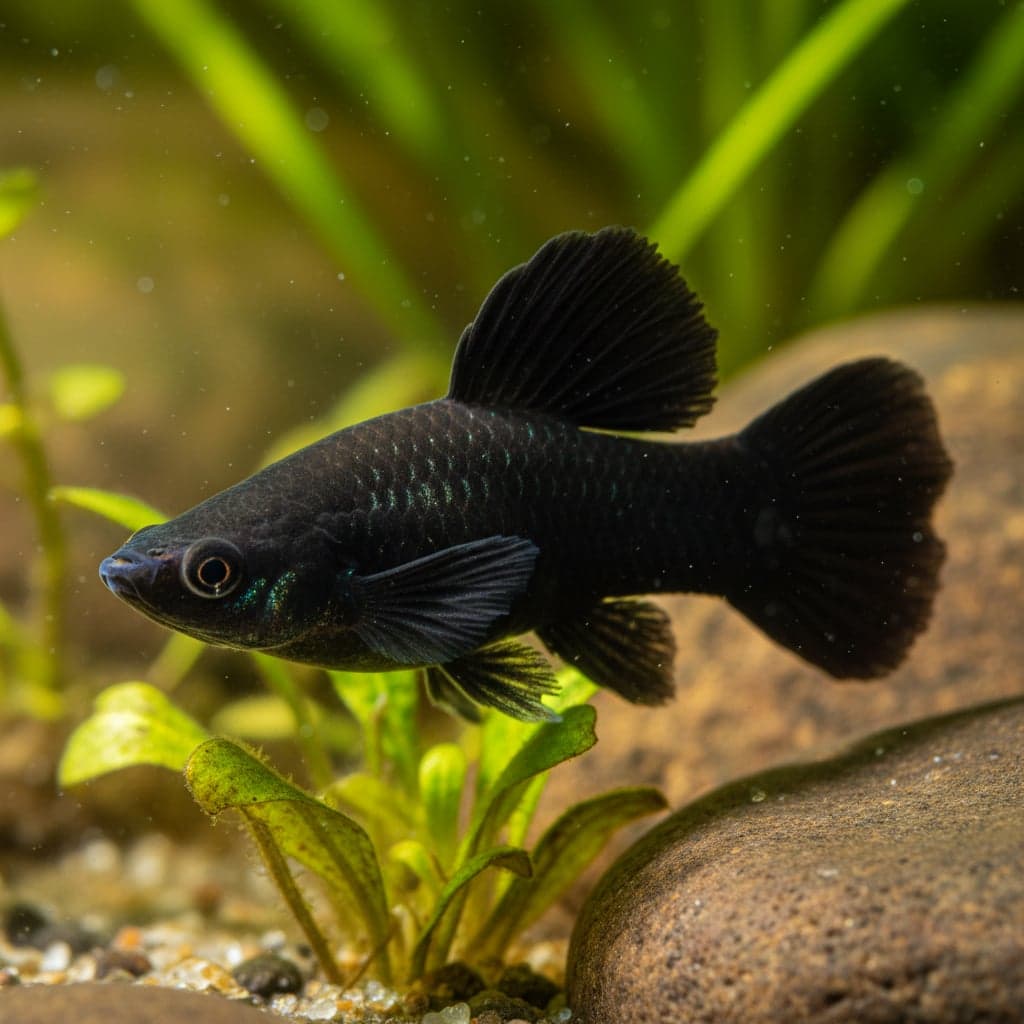
When selecting tank mates for Amano Shrimp, it's essential to consider species that are peaceful and won't view them as prey. Compatible tank mates include small fish such as neon tetras, guppies, and otocinclus catfish, as well as other invertebrates like snails and cherry shrimp. Additionally, less aggressive species like rasboras and small livebearers can coexist harmoniously with Amano Shrimp.
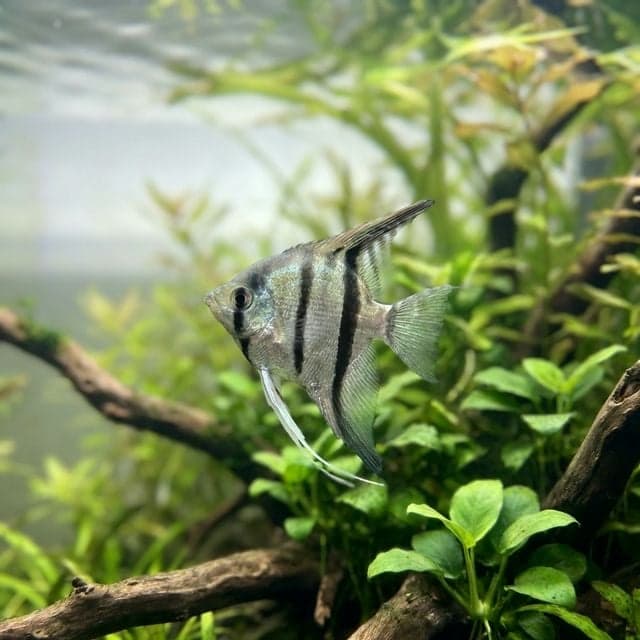
Species to avoid include larger and more aggressive fish like cichlids, larger barbs, and angelfish, which may see Amano Shrimp as a potential meal. It’s also wise to stay away from any fish known for fin-nipping, which could stress or harm the shrimp. An appropriately balanced community tank will maximize the environmental benefits and enjoyment of keeping Amano Shrimp.
Breeding
Breeding Amano Shrimp in captivity is more challenging than breeding other freshwater shrimp species due to their unique requirements. Amano Shrimp undergoes a complex life cycle that includes a larval stage, which requires brackish water conditions to thrive. For successful breeding, a separate breeding tank with slightly saline water around 1.005 specific gravity, along with proper filtration and aeration, can create ideal conditions.
To encourage spawning, provide plenty of hiding places and maintain stable water conditions. Female Amano Shrimp will display a more pronounced body shape when carrying eggs, which they may release in the presence of male shrimp. After hatching, larvae require specific brackish conditions with microalgae or infusoria to feed on as they develop. Once they mature, transitioning them to freshwater becomes more manageable, but this process requires careful monitoring.
Common Health Issues
Amano Shrimp, like all aquatic creatures, can be susceptible to various health issues. Common problems include molting issues, poor water quality, and infestation by parasites like Hydras or planarians. Molting problems typically arise from insufficient calcium in the water or stress, so maintaining optimal water quality is paramount.
Preventive measures include regular water changes, keeping the tank clean, and ensuring that water parameters are consistently monitored. Quarantine new additions before introducing them to the main tank, as this can prevent the spread of diseases. Providing a varied diet, including calcium-rich supplements, can also minimize health complications and promote strong growth and successful molts for your Amano Shrimp.