American Flagfish: Jordanella floridae
A colorful killifish native to Florida. Excellent algae eater (including Black Beard Algae).
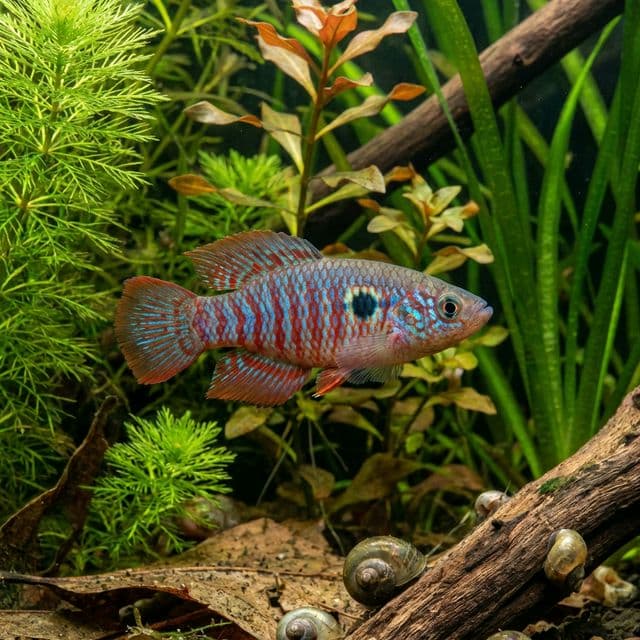
American Flagfish
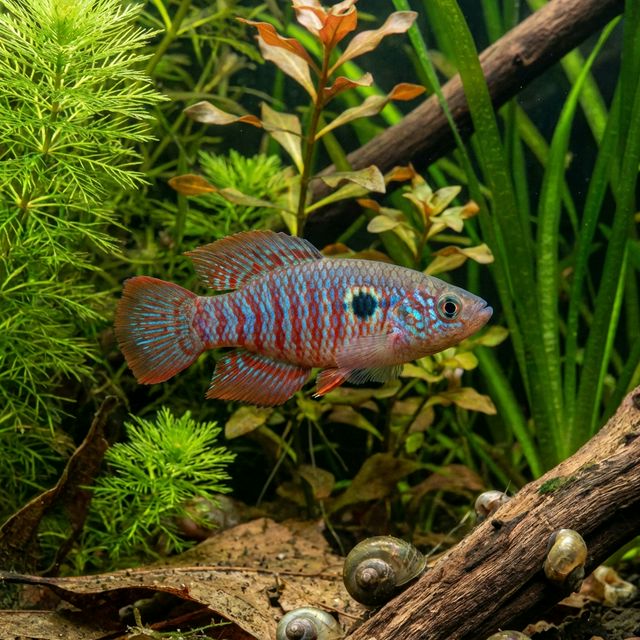
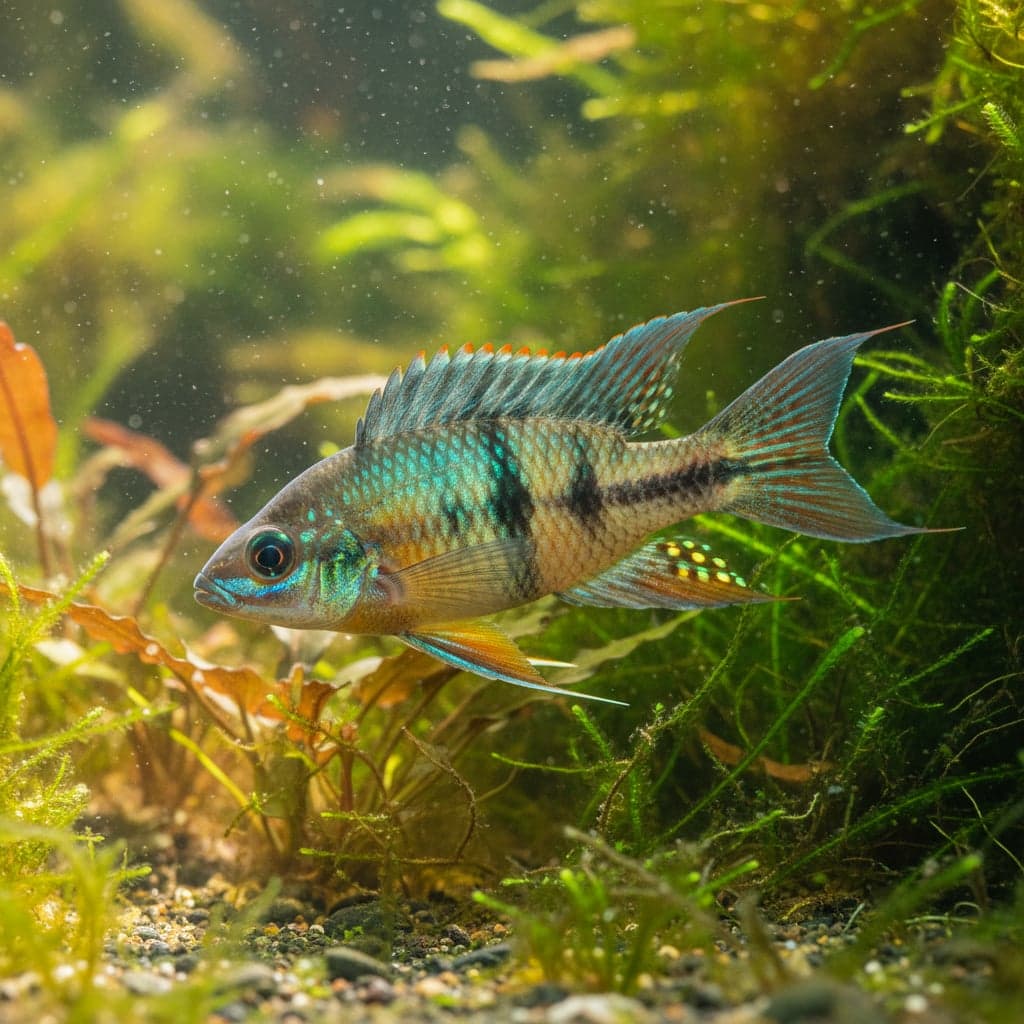
The American Flagfish, scientifically known as Jordanella floridae, is a captivating freshwater species that has gained recognition among aquarists for its striking coloration and behavior. Characterized by its distinctive appearance, this fish displays vivid colors and intricate patterns that resemble the colors of the American flag. Males exhibit a vibrant array of blues, reds, and greens, particularly during breeding season when they display their full colors to attract females. This aesthetic appeal, coupled with their engaging behaviors, makes them a popular choice for both novice and experienced hobbyists looking to add a unique specimen to their aquariums.
Beyond its visual allure, the American Flagfish holds a unique significance within the aquarium hobby. Originally sourced from the marshy waters of Florida, this fish plays a critical role in controlling algae growth in aquariums, thus serving a dual purpose as both a display fish and a natural cleaner. Its adaptability in various freshwater setups has made it a staple in planted tanks and community aquariums alike, fostering an increased awareness of sustainable aquarium practices. With its endearing personality and ecological benefits, the American Flagfish is not merely an ornamental species; it is also a significant contributor to the balance of aquatic environments.
Natural Habitat & Origin
The American Flagfish is native to the warm, freshwater habitats of the southeastern United States, particularly found in Florida and surrounding areas. Thriving primarily in swampy regions, marshes, and slow-moving streams, these fish are adapted to a variety of water conditions but predominantly prefer shallow, heavily vegetated environments. The natural waters they inhabit exhibit characteristics of blackwater systems, often stained by tannins from decaying plant matter, which contribute to the overall acidity of their habitat.
In their native environment, the American Flagfish is often found in densely vegetated areas where they can seek shelter and forage. The densely woven aquatic plants provide both cover and a source of food, enabling these fish to thrive. Other environmental factors include warm temperatures averaging between 22°C to 28°C (72°F to 82°F). Understanding their natural habitat is crucial for hobbyists in cultivating a successful aquarium setup that mimics these conditions.
Care Requirements
To ensure a healthy environment for the American Flagfish, specific water parameters need to be maintained. Ideally, the pH should range between 6.5 and 7.5, with a temperature set between 22°C to 28°C (72°F to 82°F). The hardness of the water should be moderate, around 5-15 dGH. For tank size, a minimum of 20 gallons is recommended, ensuring ample space for swimming and foraging.
When setting up the aquarium, creating a natural habitat with soft, smooth substrate, such as sand or fine gravel, is ideal. Incorporate a variety of live plants such as Java moss, Anubias, or Amazon swords to provide hiding spaces and foraging options. Moderate lighting is suggested to promote plant growth, while also allowing the fish to display their colors. Additionally, a gentle filter can help maintain water quality without creating strong currents, which the American Flagfish may find stressful.
Diet & Feeding
The American Flagfish is classified as an omnivore, making its diet quite versatile. In captivity, it thrives on a balanced diet that includes high-quality flake foods, pellets, as well as frozen or live foods like brine shrimp, daphnia, and bloodworms. It is beneficial to provide a variety of food types to mimic its natural foraging behavior and stimulate its natural instincts.
Supplying a well-rounded diet not only enhances their coloration but also ensures optimal health. It's important to feed small amounts multiple times a day rather than a single large feeding, as this prevents overfeeding and promotes better water quality. The inclusion of vegetable matter or spirulina can also be beneficial, as it adds important fibers to their diet.
Behavior & Temperament
In terms of behavior, the American Flagfish is characterized by its peaceful yet lively temperament. They are known to be social fish, often enjoying the company of others within their species or compatible tankmates. While they are generally non-aggressive, males can become territorial during breeding seasons, exhibiting more assertive behaviors.
In the aquarium, they tend to occupy upper to mid-water levels, often darting among plants and decorations. It's essential to provide adequate space and hiding spots to maintain their comfort and minimize any potential stress from territorial disputes. Observing their interactions can be quite rewarding, as they display fascinating courtship behaviors during mating rituals.
Tank Mates
The American Flagfish can coexist peacefully with a variety of community tankmates. Compatible species include peaceful fish such as small tetra varieties, rasboras, guppies, and Corydoras catfish. Additionally, they can share their environment with other non-aggressive species like certain dwarf cichlids and shrimp.
However, there are species to avoid, particularly fin-nippers or overly aggressive fish such as larger cichlids, barbs, and some varieties of bettas. Aggressive or competitive tankmates can stress the American Flagfish and disrupt the peaceful community atmosphere. Therefore, selecting harmonious companions is crucial for a balanced aquarium ecosystem.
Breeding
Breeding the American Flagfish in captivity can be a rewarding endeavor, provided the right conditions are met. They are egg scatterers, and for successful spawning, a separate breeding tank with subdued lighting, plenty of plants, and spawning mops or flat surfaces is recommended. A slightly lower water level can encourage spawning behavior, as these fish are accustomed to shallow waters.
Males often engage in colorful displays to attract females, showcasing their vibrant fins and body colors. Once a female is interested, she will lay eggs, which the male fertilizes shortly after. It's essential to remove the adults once spawning has occurred to prevent them from eating the eggs. The eggs typically hatch within a few days, and the fry should be fed infusoria or finely crushed flakes until they can accept larger foods. Maintaining stable water parameters during this period is vital for the fry's survival and growth.
Common Health Issues
While the American Flagfish is generally hardy, they can still be susceptible to common aquarium ailments. One of the most prevalent issues is fin rot, often caused by poor water quality or injury. Regular water changes, along with good filtration, can help prevent this disease. Additionally, they may experience stress-induced diseases such as ich, characterized by white spots on their bodies and fins.
To mitigate health issues, it is important to observe behavior regularly and maintain a clean, well-maintained aquarium environment. Quarantine new arrivals before introducing them to the main tank can also help prevent the spread of diseases. Providing a balanced diet and minimizing stress through proper tank conditions will further support the overall well-being of the American Flagfish.