The Angelfish: Pterophyllum scalare
The graceful centerpiece of the classic community aquarium. Tall, elegant, and available in stunning variety—but more aggressive than most expect.
Also known as: freshwater angelfish · Pterophyllum scalare
Angelfish
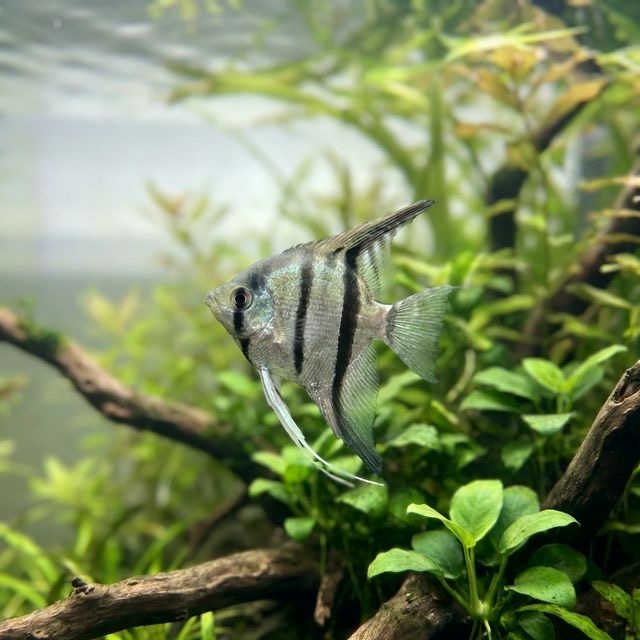
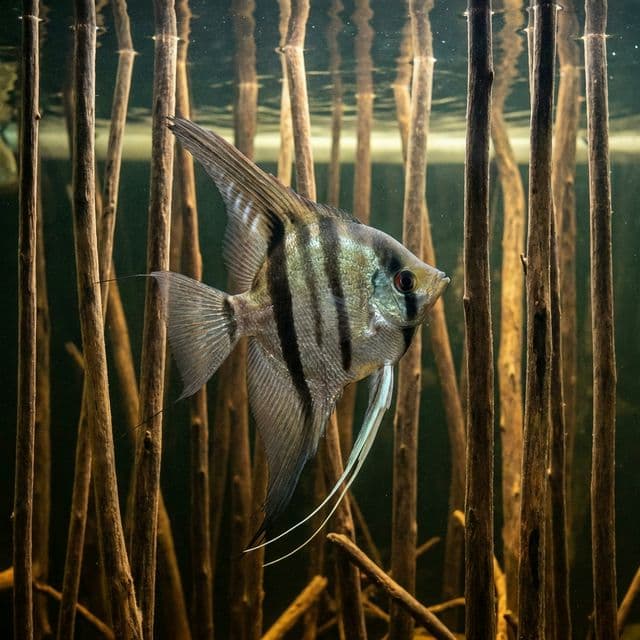
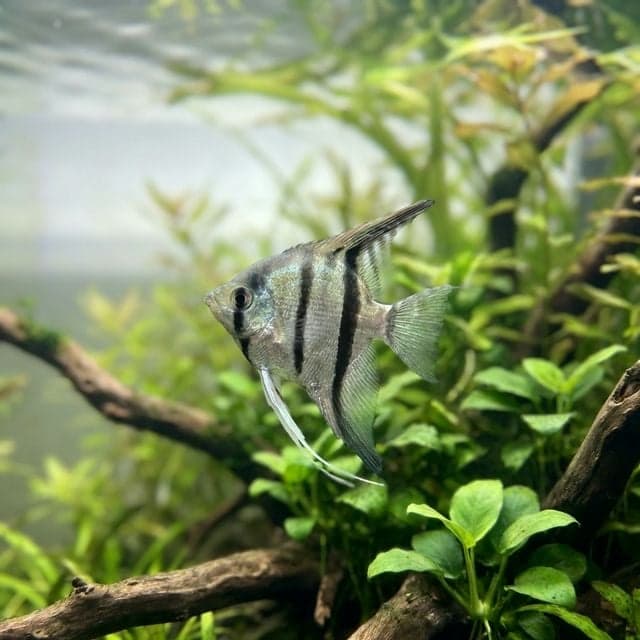
The Angelfish, scientifically known as Pterophyllum scalare, is a captivating freshwater fish that has become a cornerstone of the aquarium hobby. Renowned for its graceful triangular shape, long fins, and vibrant coloration, this species often displays a combination of iridescent shades, including silver, black, gold, and even marble varieties. Its unique morphology not only adds an aesthetic allure to aquariums but also serves as a dynamic focal point, drawing the attention of both seasoned aquarists and casual observers alike. The Angelfish's elegance and beauty have helped solidify its status as one of the most popular choices in the aquarium trade.
In addition to its visual appeal, the Angelfish holds cultural significance, especially within the tropical fishkeeping community. These fish are often perceived as symbols of tranquility and grace, making them a popular choice not only for their beauty but also for their captivating behaviors. They exhibit unique personalities, displaying a fascinating blend of curiosity and territoriality, which further enriches the experience of keeping them. As such, the Angelfish has become not merely a species to admire but a beloved companion in many aquarists' journeys.
Natural Habitat & Origin
The Angelfish originates from the Amazon River Basin, specifically found in countries such as Brazil, Peru, Colombia, and Ecuador. This area is renowned for its intricate network of waterways, where the fish habitats range from slow-moving rivers and streams to the calm waters of lagoons. Angelfish typically inhabit blackwater environments, characterized by highly acidic, soft water enriched with decaying organic material that creates the distinctive dark coloring. Additionally, these fish can sometimes be found in areas with submerged vegetation, which provides both shelter and breeding sites, as well as food sources from decomposing plant matter.
The environmental conditions of their natural habitat play a crucial role in shaping the Angelfish's behavior and health. They thrive in densely planted areas with ample cover that allows them to forage for food while minimizing stress from predators. Understanding these conditions can greatly enhance the ability of aquarists to create a suitable and enriching environment for Angelfish in home aquariums.
Care Requirements
Providing optimal care for Angelfish begins with establishing the right water parameters. They prefer a pH range of 6.0 to 7.5, with a temperature range of 76°F to 84°F (24°C to 29°C) being ideal for their wellbeing. The water hardness should be kept between 3 to 8 dGH (degrees of general hardness). To promote successful acclimatization and health, it is essential to maintain stable water conditions, as abrupt changes can lead to stress and susceptibility to diseases.
When it comes to tank setup, a minimum size of 20 gallons is recommended for a small group of Angelfish, as they require ample swimming space. A sandy or fine gravel substrate works well, mimicking their natural environment. Lighting should be moderate, as Angelfish thrive in dappled light conditions typical of their natural habitats. Additionally, incorporating plenty of live plants, such as Amazon swords and Java ferns, not only enhances the aesthetic appeal of the aquarium but also provides hiding spots and breeding areas for the Angelfish.
Diet & Feeding
Angelfish are classified as omnivores, which means they have a varied diet that consists of both plant-based and animal-based foods. In captivity, it is essential to provide a well-rounded diet to meet their nutritional needs. High-quality flakes or pellets specifically formulated for cichlids serve as a staple, while supplementing with frozen or freeze-dried foods, such as brine shrimp or bloodworms, provides essential protein. Offering occasional live foods can also stimulate natural foraging behaviors and enhance their overall health. Additionally, incorporating vegetable-based options, such as spirulina or blanched greens, rounds out their diet, ensuring they receive the necessary vitamins and minerals for optimal growth and health.
Behavior & Temperament
Angelfish are known for their complex social behaviors and intriguing personalities. Although they can be territorial, especially during breeding, they generally exhibit a calm demeanor when kept with compatible tank mates. Angelfish do best in pairs or small groups, but should not be kept with overly aggressive species or those that are much smaller, as they might be seen as prey. They display a unique vertical swimming pattern due to their body shape, often positioning themselves among the plants or near the water surface. It is important to ensure that they have sufficient space and hiding spots within the tank to reduce stress and promote a peaceful community environment.
Tank Mates
Angelfish need tall tanks and mates too large to swallow or peaceful bottom fish. Structured guides (five-species test):
| Resource | Link |
|---|---|
| Angelfish tank mate hub | /fish/angelfish/tank-mates |
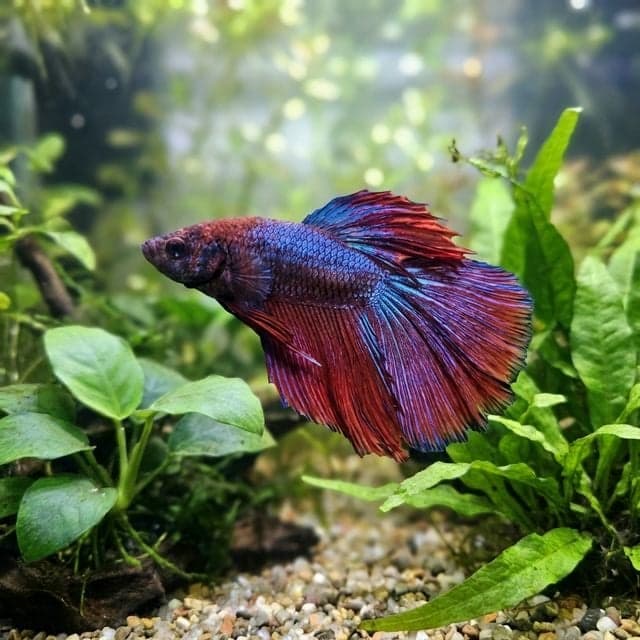
| Angelfish + Betta | /fish/betta-angelfish |
| Angelfish + Neon tetra | /fish/neon-tetra-angelfish |
| Angelfish + Guppy | /fish/guppy-angelfish |
| Angelfish + Adolfos cory | /fish/adolfos-cory-angelfish |
Avoid aggressive barbs, small neons with adults, and territorial fish that share the same mid-water niche.
Breeding
Breeding Angelfish can be a rewarding experience for aquarists willing to provide the right conditions. These fish are known to form strong pair bonds, often selecting a specific mate from the group. To trigger spawning behavior, it is crucial to provide a breeding environment that includes a flat surface, such as a broad leaf or a smooth rock. Water temperature should be maintained at approximately 82°F (28°C) with a pH of around 6.5 to 7.0. When ready to spawn, females will lay hundreds of eggs, and both parents typically take turns guarding the nest, demonstrating a notable level of parental care. Ensuring a peaceful atmosphere while offering sufficient hiding spots can enhance the chances of successful breeding and fry survival.
Common Health Issues
Angelfish, like many freshwater species, can be susceptible to several health issues. Common ailments include ich (ichthyophthirius multifiliis), fin rot, and swim bladder disease. To prevent these conditions, maintaining stable water parameters and good tank hygiene is vital. Quarantining new fish before introduction and avoiding overfeeding can further mitigate stress and disease outbreaks. Regular observation of fish behavior and appearance can aid in early detection of health problems, allowing for prompt intervention and treatment whenever necessary. Implementing preventive measures, such as routine water changes and monitoring water quality, can significantly enhance the longevity and health of Angelfish in a home aquarium setting.