Archerfish: Toxotes jaculatrix
Famous for shooting jets of water to knock insects off overhanging leaves. Requires brackish water.
Archerfish
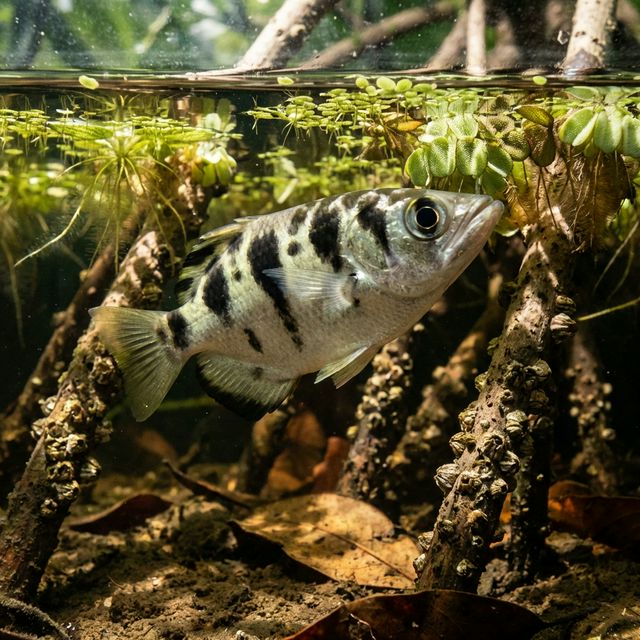
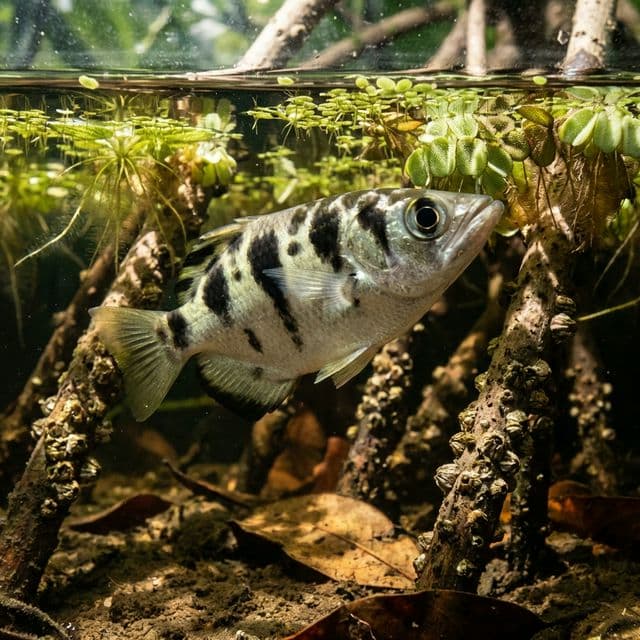
The Archerfish, scientifically known as Toxotes jaculatrix, is a remarkable species known for its distinctive ability to shoot jets of water from its mouth to knock insects and other prey off overhanging branches and foliage. This fascinating behavioral trait, coupled with its visually striking appearance—characterized by a streamlined body, silver hue with potential dark vertical stripes, and dramatic dorsal fin—makes the Archerfish a noteworthy addition to any aquarium. Archerfish not only stand out aesthetically in a community tank but also intrigue aquarists with their unique predatory technique, making them a conversation starter and an educational specimen.
In the aquarium hobby, the Archerfish holds significance not only because of its eye-catching features but also due to its engaging feeding habits and adaptability. As a hardy fish that can thrive in various environments, it provides a great challenge for aquarists looking to create conditions that mimic its natural habitat. The combination of its dynamic behavior, feeding style, and social nature enhances its appeal, solidifying the Archerfish's status as a popular choice among both novice and experienced fish keepers.
Natural Habitat & Origin
The Archerfish is native to the brackish and freshwater regions of Southeast Asia, including the coastal waters of India, the Philippines, and northern Australia. It is often found in shallow, slow-moving rivers, estuaries, and mangroves, where it prefers environments that offer cover and ample food sources. This species thrives in clear to slightly turbid waters, where it can utilize its sharpshooting prowess to catch prey. The natural habitats of the Archerfish typically feature a mix of submerged vegetation, overhanging branches, and ample sunlight, creating an environment rich in biodiversity where the Archerfish can flourish.
In addition to the geographical aspects, the water chemistry in these environments can vary widely. While the Archerfish can tolerate a range of salinities, it is most comfortable in slightly brackish conditions, usually around a pH of 6.5 to 7.5. The tolerance for salinity allows it to adapt to changing conditions, but maintaining stable water quality is crucial to its health in captivity.
Care Requirements
To ensure the well-being of the Archerfish in an aquarium setting, specific water parameters must be observed. Ideal conditions include a temperature range of 24°C to 29°C (75°F to 84°F), a pH of 6.5 to 7.5, and water hardness between 5 and 15 dGH. The tank should be spacious, with a minimum volume of 100 gallons to accommodate their active swimming habits and natural behaviors. A secure lid is a must since they are known to jump when startled or during feeding.
For tank setups, a sandy substrate is ideal, allowing the fish to mimic its natural habitat. Incorporating driftwood, rocks, and plenty of dense plant life will provide hiding places and mimic the natural environment of the Archerfish. Additionally, using moderate lighting will foster the growth of plants while enabling the Archerfish to feel secure; floating plants can help diffuse intense light and provide cover at the water's surface.
Diet & Feeding
Archerfish are primarily carnivorous, feeding on small invertebrates, insects, and other aquatic creatures in the wild. As omnivores in captivity, they should be provided with a varied diet to ensure optimal health. High-quality flakes or pellets designed for carnivorous fish can serve as a staple food source. However, supplementing their diet with frozen foods such as bloodworms, brine shrimp, and daphnia is crucial to provide essential nutrients and to simulate their natural hunting behaviors.
Live food, such as small insects or even feeder fish, can stimulate the Archerfish's natural hunting instincts and make feeding time more engaging. It is important to feed them multiple small meals throughout the day rather than one large feeding to mimic their natural foraging patterns, which can prevent overeating and maintain water quality.
Behavior & Temperament
In terms of social behavior, Archerfish are generally peaceful but can show assertive behavior, especially towards smaller or more timid tank mates. They are best kept in small groups of at least 3-6 individuals to promote social interaction and reduce stress. When grouped, they display fascinating behaviors as they hunt for food, showcasing their famous shooting technique.
Archerfish prefer the upper levels of the aquarium, often swimming mid to top levels in search of prey. It's not uncommon for them to leap towards the surface, resulting in an energetic display highly entertaining for aquarists. Providing enough vertical space in the tank is essential to accommodate their natural habits effectively.
Tank Mates
Choosing the right tank mates is crucial when keeping Archerfish. Compatible species include larger tetras, rasboras, and some types of cichlids that can handle their assertive nature. Suitable tank companions might include:
- Giant danios
- Angel fish
- Rainbowfish
- Larger barbs
Species to avoid include small or slow-moving fish, such as guppies or small tetras, as they may become prey. Additionally, overly aggressive species may stress the Archerfish, creating a hostile environment.
Breeding
Breeding Archerfish in captivity can be challenging, requiring specific conditions to induce spawning. They are egg scatterers, typically laying their eggs among floating plants or substrate. To initiate breeding, a separate breeding tank with gentle filtration, stable water parameters, and plenty of floating vegetation is recommended. Temperature should be kept at the higher end of their comfort range (around 28°C or 82°F), and a gradual increase in light intensity can simulate the natural seasonal changes that trigger spawning behavior.
Post-spawning, the adults should be removed to prevent them from consuming the eggs. After a few days, the eggs will hatch into fry, which should be fed with finely crushed flakes or infusoria until they grow sufficiently to accept larger foods.
Common Health Issues
While Archerfish are generally hardy, they can be prone to certain health issues, particularly if kept in poor water quality. Common diseases include:
- Ich (Ichthyophthirius multifiliis): A parasitic infection characterized by white spots on the body and fins.
- Fin rot: Often stemming from poor water quality or aggression from tank mates.
- Velvet disease: Caused by a protozoan parasite, leading to a gold or rust-colored appearance on the fish.
Preventative measures involve maintaining optimal water conditions, providing a balanced diet, and avoiding overstocking the aquarium. Regular water tests, partial water changes, and observing fish behavior can help catch potential health issues early, ensuring a thriving environment for the Archerfish.