Arulius Barb: Dawkinsia tambraparniei
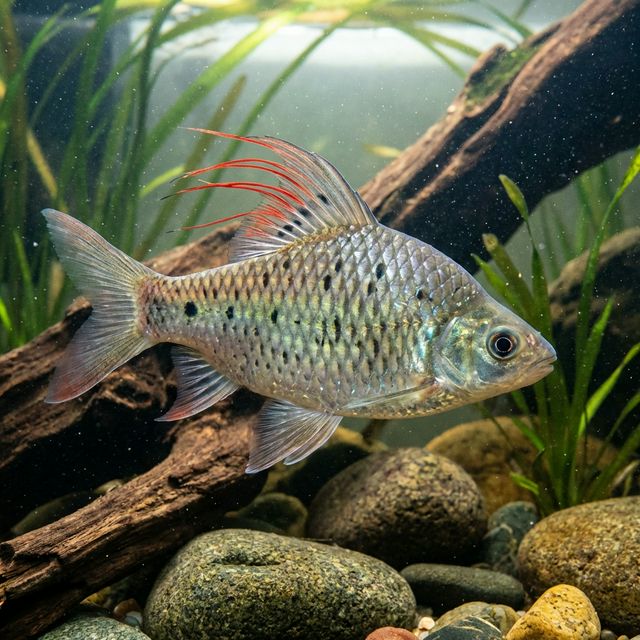
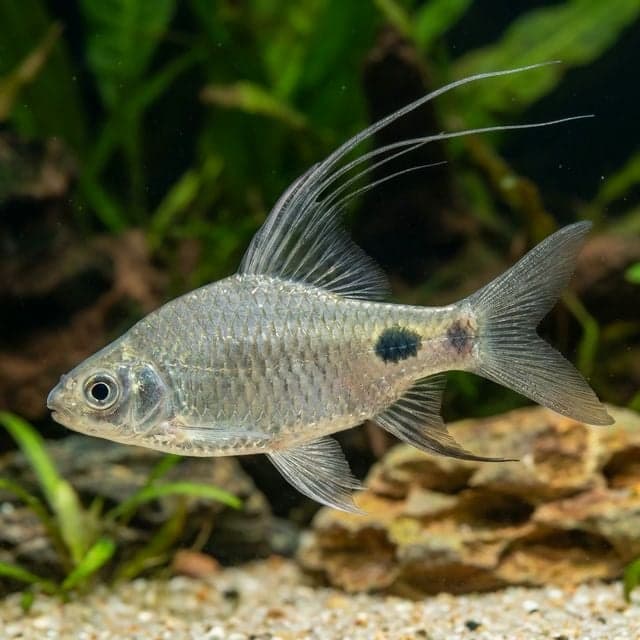
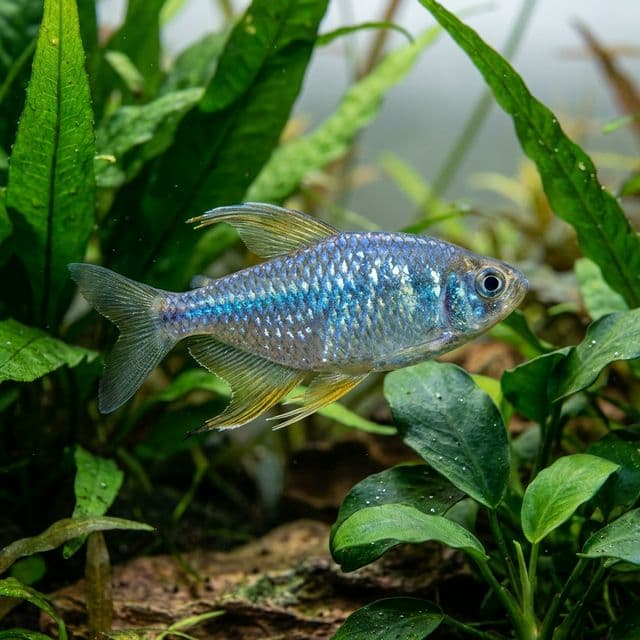
A large, beautiful barb from India. Males develop filaments on their dorsal fins.
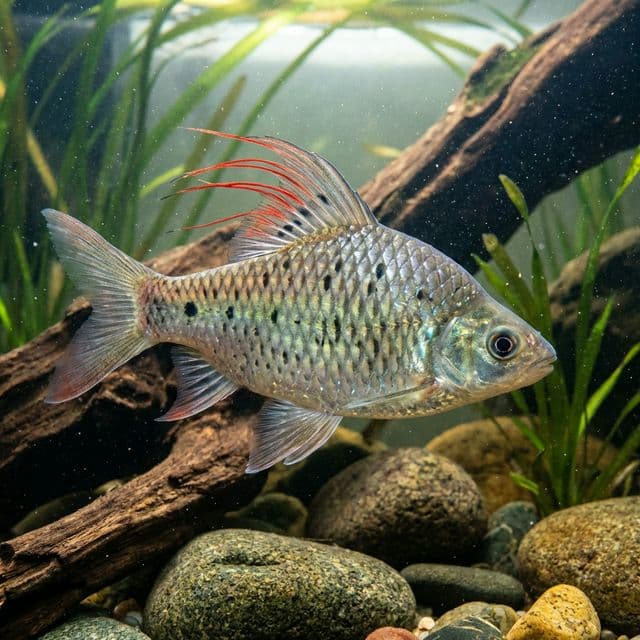
Arulius Barb
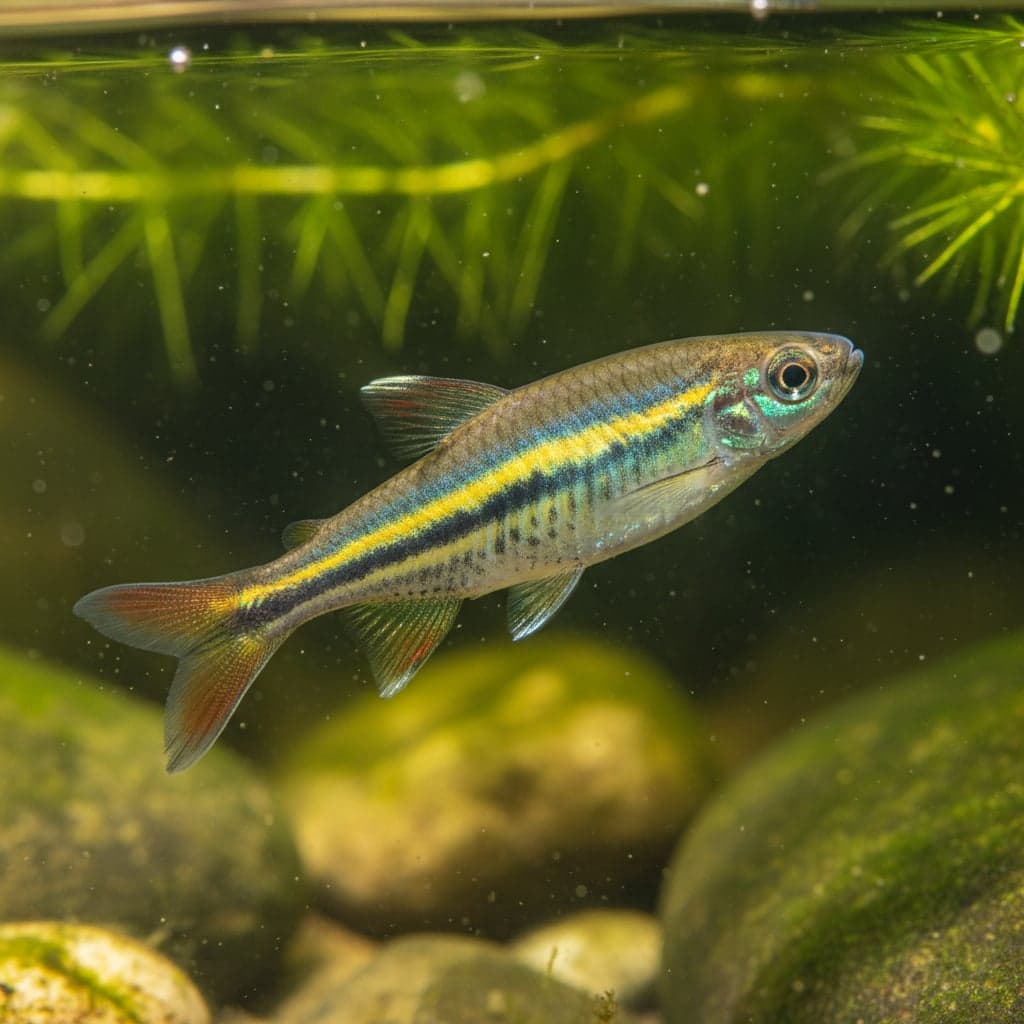
The Arulius Barb, scientifically known as Dawkinsia tambraparniei, is a captivating freshwater fish that captivates the hearts of aquarists around the globe. Native to the tranquil rivers and streams of India, this species showcases a striking visual appeal with its elongated body and vivid coloration. Typically characterized by a silver-grey body adorned with iridescent bluish hues and a subtle, dark stripe running along its side, the Arulius Barb is particularly attractive when kept in well-planted aquariums. Its graceful movements and sociable nature only add to its charm, making it a popular choice for both beginner and experienced aquarists alike.
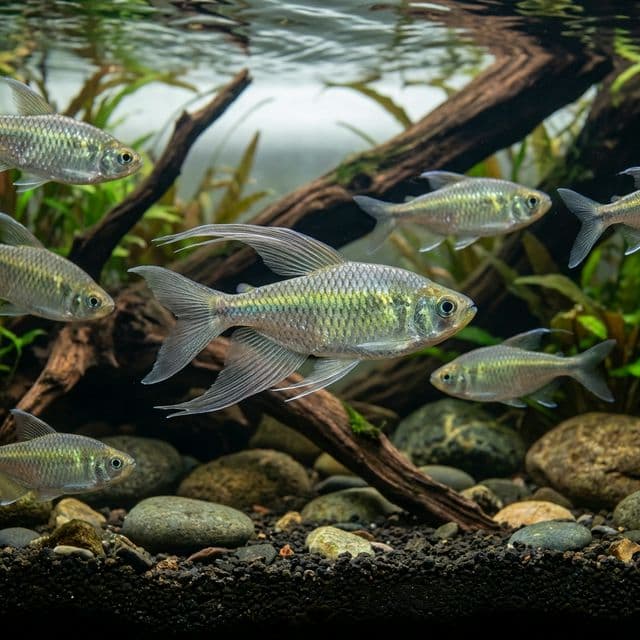
In the aquarium hobby, the Arulius Barb not only serves as a visual delight but also plays an essential role in community tank settings. As a peaceful schooling fish, it thrives in groups of six or more, promoting active and dynamic aquarium displays. Its significance extends beyond aesthetics; the Arulius Barb is a vital component of sustainable aquarium ecosystems, helping to establish a balanced environment through its feeding habits and social interactions.
Natural Habitat & Origin
The Arulius Barb is indigenous to the freshwater rivers and streams of the Western Ghats mountain range in India. This region is known for its rich biodiversity and complex aquatic ecosystems. The type of water inhabited by this species is predominantly freshwater, characterized by a range of parameters that fluctuate seasonally, from soft, clear waters to slightly turbid conditions. The fish favor shallow, flowing waters, often under the cover of submerged vegetation, which provides essential protection and breeding grounds.
Environmental conditions in their native habitat include warm temperatures that typically range from 24°C to 28°C (75°F to 82°F). These fish thrive in slightly acidic to neutral pH levels (6.0 - 7.5) and are often found in water with low to moderate hardness. Understanding these parameters is crucial for successful captive care, allowing aquarists to replicate conditions similar to their natural habitat.
Care Requirements
To successfully keep Arulius Barbs, creating an optimal environment is vital. A minimum tank size of 100 liters (around 26 gallons) is recommended to accommodate a school of at least six fish, allowing ample swimming space. The substrate should be soft and smooth to prevent any injuries, with fine sand or small pebbles being excellent options. Lighting should be moderate, simulating their natural habitat; it’s best to utilize a combination of natural light and aquarium-safe LED lighting to promote plant growth without overwhelming the fish.
Regarding water parameters, maintaining a temperature of 24°C to 28°C (75°F to 82°F) is necessary, along with a pH level between 6.0 and 7.5. It is beneficial to perform regular water changes to keep the water quality high, as these fish are sensitive to pollution. Incorporating dense planting with fast-growing aquatic plants such as Java fern or Anubias not only provides shelter and breeding sites but also helps to maintain water parameters.
Diet & Feeding
The Arulius Barb is an omnivorous species that thrives on a varied diet. In captivity, they relish high-quality flake foods, which can be supplemented with pellets that sink slowly to ensure all fish can feed effectively. Additionally, incorporating a range of frozen foods like bloodworms, daphnia, and brine shrimp can enhance their coloration and overall health. Live foods are also highly appreciated, offering a source of enrichment, mimicking their natural feeding behavior.
While these fish adapt well to a commercially available diet, it is essential to ensure their diet is varied to prevent nutritional deficiencies. By offering a mix of dry, frozen, and occasional live foods, you can maintain optimal health and promote healthy growth in your Arulius Barb.
Behavior & Temperament
The Arulius Barb is known for its lively and social behavior. These fish are active swimmers and prefer to be kept in groups, exhibiting schooling tendencies that provide a dynamic and engaging display in the aquarium. They are generally peaceful, rarely displaying aggression toward tank mates. However, during feeding time, they can become slightly competitive, so it's advisable to provide multiple feeding spots to minimize any potential stress among fish.
In terms of tank placement, Arulius Barbs can typically be found in the upper to mid-water layers of the aquarium. They enjoy swimming freely, darting about and occasionally exploring the lower regions, particularly if there are hiding spots or plants. Providing a spacious and enriched environment allows them to express their natural behaviors, flourishing within a well-maintained community tank.
Tank Mates
When selecting tank mates for the Arulius Barb, it is essential to consider the species' temperament and the need for companionship. Compatible tank mates include other peaceful, mid-to-upper dwelling fish such as tetras (e.g., Neon Tetras, Rummy Nose Tetras), rasboras, and various species of catfish. Additionally, larger corydoras and rainbowfish are excellent companions that share similar water parameter requirements and peaceful behavior.
Conversely, species that should be avoided include any aggressive fish or those with nipping tendencies, such as most cichlids and fin-nipping species like barbs. Keeping aggressive species could lead to stress or injury for the Arulius Barbs, which, while resilient, prefer a harmonious community setup to thrive fully.
Breeding
Breeding the Arulius Barb in captivity can be rewarding, yet it requires specific conditions to encourage spawning. To stimulate breeding, it is recommended to create a separate breeding tank, maintaining slightly lower water temperatures of around 22°C to 24°C (72°F to 75°F) and using slightly softer water with a pH closer to neutral. The introduction of spawning mops or fine-leaved plants can help provide a safe environment for eggs.
During the breeding process, the male will often chase the female around the tank, engaging in a display of courtship behavior before spawning. After successful egg fertilization, the adult fish should be removed to prevent them from consuming the eggs. The eggs hatch in approximately 24 to 36 hours, with the larvae free-swimming around five days later. Proper care during this critical developmental stage promotes healthy fry growth.
Common Health Issues
While the Arulius Barb is generally hardy, several health issues can be mitigated through appropriate care and environment management. They are susceptible to common freshwater diseases like ich (Ichthyophthirius multifiliis) and fin rot, especially when stressed or kept in poor water conditions. Regular tank maintenance, including water changes and substrate cleaning, is crucial in preventing these ailments.
To further prevent health issues, always quarantine new fish before introducing them to an established aquarium. Providing a well-balanced diet and an enriched tank environment can also enhance their immune systems, reducing the likelihood of disease. Regular monitoring and prompt attention to any signs of illness are key to maintaining a healthy school of Arulius Barbs.